REVIEW · MALMO
Surprise Walk of Malmö with a Local
Book on Viator →Operated by LocalBini - The go-to platform for Experiences by Locals in Europe · Bookable on Viator
Malmö looks different with a local. This small-group surprise walk strings together medieval sights and modern architecture so you get the whole city story fast, in English, on foot.
I especially like the way the route links landmarks you’d normally see one by one—Sankt Petri Church and the market squares—into one flowing walk. I also love that you’re not just left with photos: you get personalised recommendations that help you plan what to do next.
One thing to consider: it’s still a walking tour, so you need comfy shoes and you’ll want to speak up if you want more explanation at each stop—this works best when you interact with your guide.
In This Review
- Key points
- What You Really Get From a “Surprise Walk” in Malmö
- Starting at Stortorget: Getting Oriented on Malmö’s Old Main Stage
- Town Hall and Dutch Renaissance Style: The Stop That Rewards Looking Up
- Sankt Petri Church: Malmö’s Oldest Building and the Reformation Angle
- Market Square Built in 1540: A Time Marker You Can Walk Through
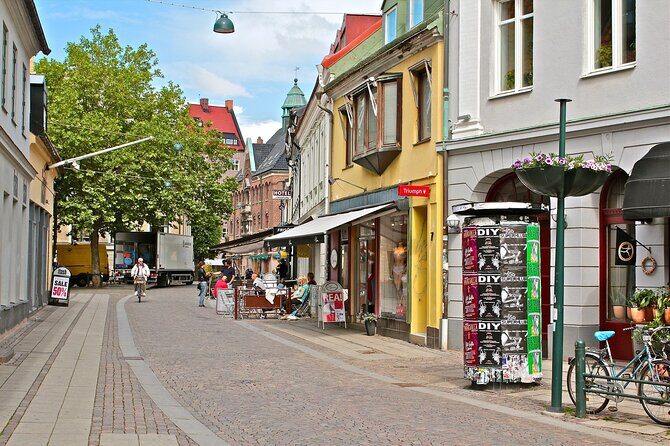
- Lilla Torg: Why This Little Square Feels Like a Movie Set
- Castle Mill and the Netherlands-Confusion Moment
- Old Light House Views: The Icon Symbol Stop
- Turning Torso: Finishing With Malmö’s Modern Twist
- Price and Value: Is $129.86 for 90 Minutes Reasonable?
- Tour Style, Group Size, and the One Real Caution
- Who Should Book This Walk (and Who Might Skip It)
- Should You Book This Surprise Walk of Malmö?
- FAQ
- How long is the Malmö Surprise Walk with a Local?
- What is the meeting point and the end point?
- What language is the tour offered in?
- What group size should I expect?
- Is the tour suitable for people with mobility limitations?
- What’s included in the price?
Key points
- Up to 8 people means you can actually ask questions and steer the pace a bit
- 90 minutes covers major sights from old town streets to the Turning Torso finish
- Dutch Renaissance Town Hall gives you an easy architecture win without museum time
- Market Square (from 1540) and Lilla Torg deliver classic Malmö atmosphere and great photo corners
- Weather-adaptive route so you don’t melt—or freeze—standing around
- Local recs at the end help you turn your walk into a smarter day
What You Really Get From a “Surprise Walk” in Malmö
This is the kind of tour that helps you get your bearings fast—and in Malmö, that matters. The city has a layered look: medieval churches and old squares sit not far from sharp modern silhouettes, and a good guide helps you read the differences instead of just pointing at them.
The best part for me is the pacing. You’re out for about 1 hour 30 minutes, with a small group (max 8). That’s enough time to hit several landmarks without making the walk feel like a forced march. And since the route adapts to the group’s interests and walking pace, you’re not stuck watching someone else’s agenda.
You’ll also notice the tour is built for real travel decisions. Included are a knowledgeable local guide, a small group experience, and personalised recommendations. In other words, you’re not paying just for “see and leave.” You’re paying to understand what matters and what’s worth your time later.
You can also read our reviews of more walking tours in Malmo



Starting at Stortorget: Getting Oriented on Malmö’s Old Main Stage
The walk kicks off at Stortorget 8, a solid central launch point. If you arrive early, you can use that time to look around the square area and get a sense of where everything is—this tour makes more sense once you can picture the city in your head.
From there, you head into one of Malmö’s oldest street zones and main shopping areas called Södergarten. This is where the landmarks start stacking up in a satisfying way: you’re walking through the kind of streets that make you understand why Malmö developed where it did.
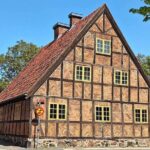
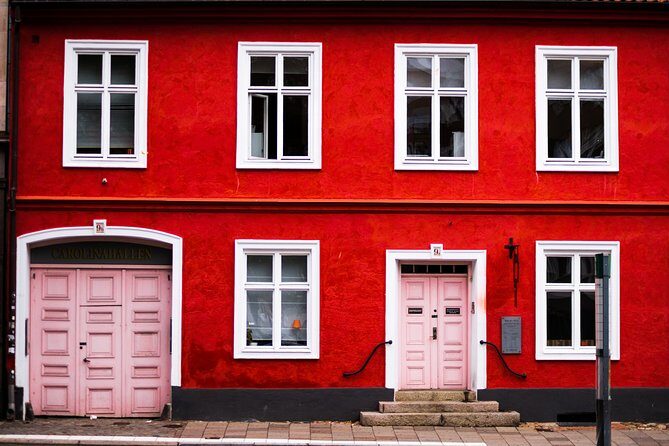
Two named landmarks you’ll get along the way are the Optimist Orchestra and Felnsburgska Huset. Even if you don’t know what to look for yet, having a guide point out specific buildings helps you stop treating old architecture as wallpaper. You start seeing it as history with shape—doors, facades, and street-level rhythms.
Tip: plan for weather. The tour guidance is clear that you should wear comfy shoes and weather-appropriate clothing, since you’re mostly walking outdoors.
Town Hall and Dutch Renaissance Style: The Stop That Rewards Looking Up
Next up: the Town Hall, highlighted as an historical building with Dutch Renaissance style. That label matters because it tells you what visual cues to watch for—symmetry, ornate details, and that particular European Renaissance look that’s easy to miss if you’re staring straight ahead.
This is the kind of stop where a guide can make your photos better. Instead of capturing a blur of stonework, you learn which parts of the building are the point: the design language, the idea behind the style, and how it signals status in a city’s civic life.
A short stop like this also balances the walking. You get a break from moving, but you still feel like you’re progressing. It’s an easy win if you want culture without committing to a museum schedule.
Sankt Petri Church: Malmö’s Oldest Building and the Reformation Angle
Then comes one of the highlights: Sankt Petri Church, described as Malmö’s oldest building dating back to the 14th century. The tour also connects it to a specific historical thread: it was shaped by iconoclasm during the Danish Reformation.
That’s more than trivia. When you know that the church’s story includes iconoclasm, you’ll pay attention to what’s present—and what might not be. A church isn’t just architecture here; it’s a clue about religious change, power shifts, and how everyday people lived with those changes.
This stop is where the tour can feel especially rewarding if you like context. You’ll walk past old walls and realize you’re seeing the result of long-term conflict and reform, not just “old stone that survived.”
If you’re the type who prefers questions to lectures, you’re in the right format. With a small group, you can ask your guide to slow down or explain what you’re noticing in the moment.
Market Square Built in 1540: A Time Marker You Can Walk Through

After the church, you’ll move to Malmö’s oldest and charming market square, built in 1540. That date is your anchor. When you’re standing in a place designed for trading centuries ago, you naturally start thinking about how a city’s daily life repeats itself—even if the goods, money, and languages change.
A local guide’s value shows here. You’re not just learning that it’s old. You’re learning how this kind of square functioned as a social and economic hub. In practice, this makes the scene feel more real when you later come back on your own and notice how the space still hosts people.
This stop also gives you a natural rhythm break. Squares are perfect for regrouping, taking a few steady photos, and looking around for street details that you’d miss while walking at speed.
If you’re traveling solo, this is a nice spot because it’s easy to enjoy without needing a “group moment.” You can soak in the setting, then rejoin the route smoothly.



Lilla Torg: Why This Little Square Feels Like a Movie Set
Next: Lilla Torg, described as a romantic little square paved with stones and surrounded by wonderful historic buildings. This is the part of the walk where Malmö turns more intimate.
The stone paving and tight setting make the square feel different from larger city spaces. It’s easier to imagine standing here in earlier centuries because the scale is human. Even if the buildings around it have modern life around them, the square’s shape keeps the atmosphere focused.
This is also where your guide’s “locals love this city” angle can shine. A good local won’t just list facts. They’ll tell you what people use this space for—when to come back, what to look for at different times of day, and what nearby streets are worth exploring after the tour.
Practical note: because it’s a paved square, wear shoes that handle stones well. Your feet will thank you.
Castle Mill and the Netherlands-Confusion Moment
Then you’ll hit Castle Mill. The tour description even gives you a heads-up: you might think you’re in the Netherlands for a moment, instead of Sweden. That’s a great clue about what you’re seeing—architectural cues and the overall look can feel regionally familiar if you’ve encountered Dutch-inspired designs elsewhere.
This is one of those stops that works for two kinds of people. If you love architecture, it helps you recognize styles across borders. If you like humor in your travel days, the comparison is oddly comforting: it means you’re paying attention.
Keep your eyes open for what makes it distinct to Malmö. A good guide should help you separate “it looks similar” from “it’s actually part of Malmö’s story.”
Old Light House Views: The Icon Symbol Stop
The tour also includes one of Malmö’s classical symbols, the Lighthouse, with an amazing view. Even if you only have a short time at the viewpoint, the logic is smart: you go from tight streets and squares to an elevated perspective.
Views are where guides can help you connect the dots. When you can see how parts of the city relate, you understand why certain streets and landmarks sit where they do.
It’s also a satisfying payoff stop. Walking through history is great, but a view helps you register the city as a real place you’ll keep noticing after the tour ends.
If you’re someone who plans the rest of your trip based on geography, this viewpoint is a useful moment to reset your mental map.
Turning Torso: Finishing With Malmö’s Modern Twist
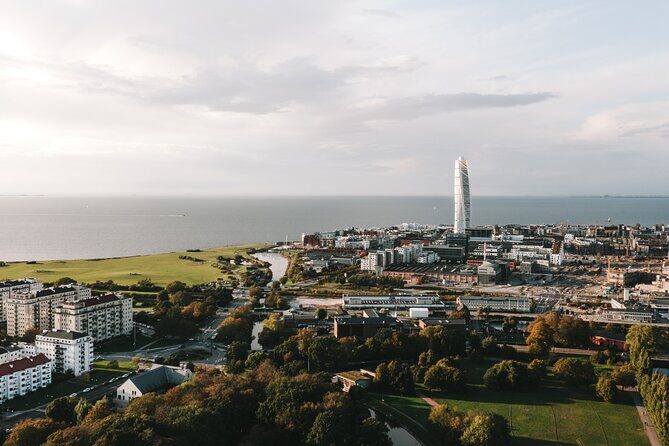
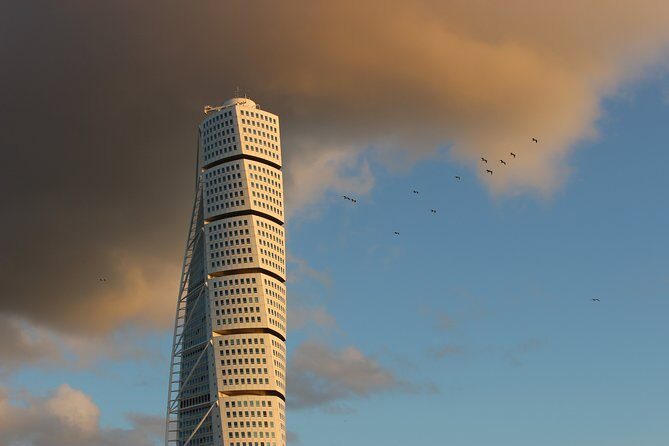
You finish at Malmo Old Light House and, per the tour end point, the walk includes the Turning Torso as the final highlight: a twisted towering skyscraper. This is an intentional ending. You start with old streets and end with a modern icon that signals how Malmö has moved forward.
Turning Torso is the kind of landmark that stops people in their tracks—even if you’re not a “skyscraper person.” The shape is distinctive, and it visually sums up the city’s mix of the old and the new.
If you want a quick souvenir moment, this is it. If you want a planning moment, even better. Once you reach the modern area, you’ll often find it easier to decide where to go next for dinner, drinks, or a relaxed post-walk stroll.
Price and Value: Is $129.86 for 90 Minutes Reasonable?
At $129.86 per person for about 1 hour 30 minutes, this isn’t the cheapest way to see Malmö. But it can be good value if you care about interpretation—not just checking off landmarks.
Here’s what you’re paying for, based on what’s included:
- A local guide who explains what you’re looking at
- A small group up to 8, which keeps it interactive
- Personalised recommendations, so you leave with direction
You’re also not paying for extra entry fees. Transportation, museum tickets, and monument tickets are not included, and you also pay personal expenses on your own. That can lower the total cost compared to tours that bundle everything into one price.
So who gets the best deal? First-time visitors who want the “what matters here and why” version of Malmö. Also people who dislike long museum days and prefer outdoor city learning. If you only want quick photos and don’t plan to ask questions, you might feel the price more than if you’re actively engaging.
Tour Style, Group Size, and the One Real Caution
The tour is offered in English and is hosted by an independent local. You’ll be in a small group (max 8), and the guide can adapt the walking route to your interests and walking pace.
That format is exactly why many people enjoy it: you can ask, clarify, and go at a human speed. One praised element is that guides can feel like a friendly local with real answers. In particular, guides like Lars and Grazi have been highlighted for making the tour a high point, with lots of learning and a genuine sense of connection to the city.
One possible drawback to keep in mind: if you expect nonstop storytelling at every corner, you may be disappointed. There’s at least one cautionary experience suggesting the narrative can feel light at times and that you may need to ask questions to get the most out of the stops. The best way to prevent that is simple: ask early, and don’t wait for the last stop to speak up.
Who Should Book This Walk (and Who Might Skip It)
This tour fits well if you:
- Are in Malmö for a short time and want the city’s main layers quickly
- Like walking city centers and learning what you’re looking at
- Want personalised recommendations rather than a generic route recap
It’s also a good choice if you want a balance of old and new: medieval-era context through church and squares, then a modern payoff with Turning Torso.
It may not fit if you:
- Need a mobility-friendly plan. It’s noted as not recommended for impaired mobility.
- Don’t enjoy lots of walking. Even with adaptable pacing, it’s still a route built for moving between landmarks.
On logistics, it’s near public transportation, and the meeting point is clear at Stortorget 8. Service animals are allowed.
Should You Book This Surprise Walk of Malmö?
I’d book it if you want Malmö to make sense fast. The mix of medieval sites, classic squares, and a modern icon ending gives you a strong mental map for the rest of your day. The small group size and the promise of personalised recommendations are the big reasons this works when you care about learning, not just moving.
I’d hesitate if your main goal is lots of guided narration with minimal effort. If that’s you, go in ready to ask questions and point your attention where you care most.
If you’re a first-timer with limited time and you want the city explained the way locals might explain it to a friend, this walk is a smart move.
FAQ
How long is the Malmö Surprise Walk with a Local?
It lasts about 1 hour 30 minutes.
What is the meeting point and the end point?
The start is Stortorget 8, 211 34 Malmö, Sweden. The tour ends at Malmo Old Light House, 211 19 Malmö, Sweden.
What language is the tour offered in?
The tour is offered in English.
What group size should I expect?
It’s a small group with a maximum of 8 travelers.
Is the tour suitable for people with mobility limitations?
It is not recommended for guests with impaired mobility.
What’s included in the price?
Included are a knowledgeable local, a small group experience, and personalised recommendations. Personal expenses are not included.