REVIEW · STOCKHOLM
Beginner friendly Nordic Ice Skating On lakes in Stockholm
Book on Viator →Operated by The Green Trails · Bookable on Viator
Winter ice near Stockholm has a way of stealing your attention fast. This Nordic ice skating day is built around natural ice when it’s safe, plus a small-group guide who’ll help you move with confidence. I like that you get a full day out of the city rhythm—drive to the best ice, skate for hours, then warm up with Swedish fika.
Two things I’d put at the top: top-brand equipment (skates, boots, poles, picks, helmet, pads, and even the safety backpack) is included, so you’re not hunting rentals; and the day has real structure—safety brief, several hours on the ice, fika on the shore, and a warm lunch. The one drawback to plan for is the big Sweden-ice reality: there’s no ice guarantee, and the guide may switch you to an alternative like a prepared rink or, if conditions are unsafe, a winter hike instead.
In This Review
- Key highlights to know before you go
- Why Nordic ice skating on lakes feels special around Stockholm
- Tideliusgatan pickup and the rhythm of the day
- Equipment matters: what’s included (and what you still need)
- On the ice: skating for hours on lake or Baltic Sea ice
- Fika on the shore and a warm lunch that resets you
- The weather reality: no ice guarantee, and how the plan changes
- Beginner-friendly in spirit, but still a winter sport
- Price and value: what $205.37 covers (and why it may be worth it)
- Should you book Nordic ice skating on Stockholm lakes?
- FAQ
- How long is the Nordic ice skating experience?
- Where do I meet the guide?
- Is the tour on natural ice?
- What happens if the ice isn’t safe?
- What equipment is included?
- What food and drinks are included?
- What should I wear?
- Is the tour in English, and is it beginner-friendly?
Key highlights to know before you go
- Small group (max 8): easier coaching and a calmer pace on the ice.
- All Nordic skating gear included: skates, boots, poles, picks, helmet, protection pads, and a safety backpack.
- Drive to the best ice (planned the day before): you’re not stuck on just one spot.
- Fika breaks on the shore + warm lunch: built-in warmth so you keep energy for the skating.
- Professional local guidance in English: you’ll get technique and safety cues, not just watch-and-go.
- Beginners can participate, but it’s still skating: plan for cold and effort, not a casual stroll.
Why Nordic ice skating on lakes feels special around Stockholm
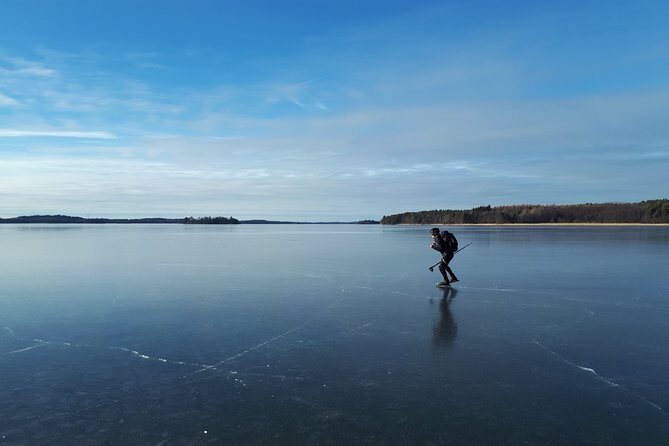
Stockholm in winter isn’t just pretty buildings. It’s also lakes that turn into a moving classroom. This experience leans hard into that idea: you gear up, get a safety check, and then you skate on real frozen water—either a lake or the Baltic Sea—when conditions allow.
The best part is the mix of “learning” and “being outside.” You’re not stuck in a workshop setting. You’re out there on ice, looking across open space, then heading into warmth breaks that reset your body. I also like how it’s framed as a full day away from the city’s day-to-day noise. You’ll feel like you left Stockholm, even though you start there.
That said, let’s be honest about effort. Nordic skating is different from casual rink skating. One of the clear pieces of feedback is that it can feel sporty—less like gliding and more like active balance and control. If your goal is zero effort and zero learning, you may be disappointed.
You can also read our reviews of more tours and experiences in Stockholm.

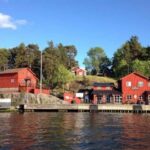
Tideliusgatan pickup and the rhythm of the day
Your start point is Tideliusgatan 62, Stockholm, and the activity ends back near the same meeting point. It’s described as being near public transportation, which matters because you don’t want a complicated logistics headache before you even get outside.
The day runs about 7 hours. That timing is a big deal in winter, because you’ll want enough time for skating, fika, and lunch without feeling rushed. Also, because the best ice can only be planned the day before, the schedule has a flexible feel: you’re not just showing up and skating one fixed patch no matter what.
Group size is capped at 8 travelers, which I think is the quiet superpower here. In small groups, guides can check posture, adjust fit on boots/skates, and make sure people are not fighting their equipment. It also helps keep the experience from feeling like you’re part of a big moving line.
Equipment matters: what’s included (and what you still need)
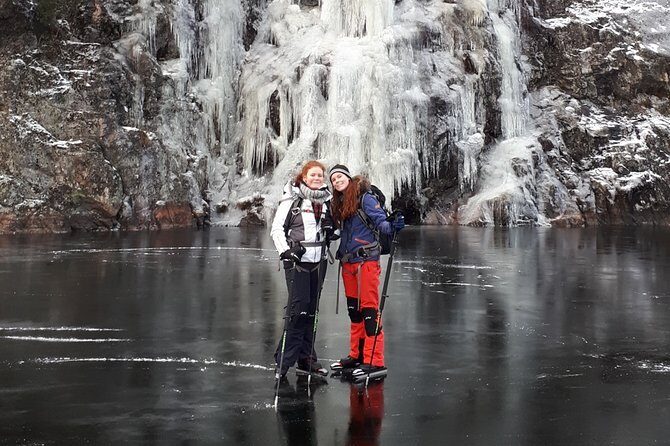
The tour includes Nordic skating gear from top brands: skates, boots, poles and picks, a safety backpack, a helmet, and protection pads. You also get the kind of back-and-forth setup that helps you avoid the classic winter problem—your gear feels fine for 20 minutes, then turns into a distraction.
Here’s the practical bit: Nordic skates work differently than many indoor skates. You’ll be dealing with poles/picks and a setup that’s closer to cross-country style than ice rink skating. A safety backpack is included, which some people find heavier than expected once it’s on and you’re moving for hours. So even with gear provided, you should expect the equipment to affect your feel and body awareness.
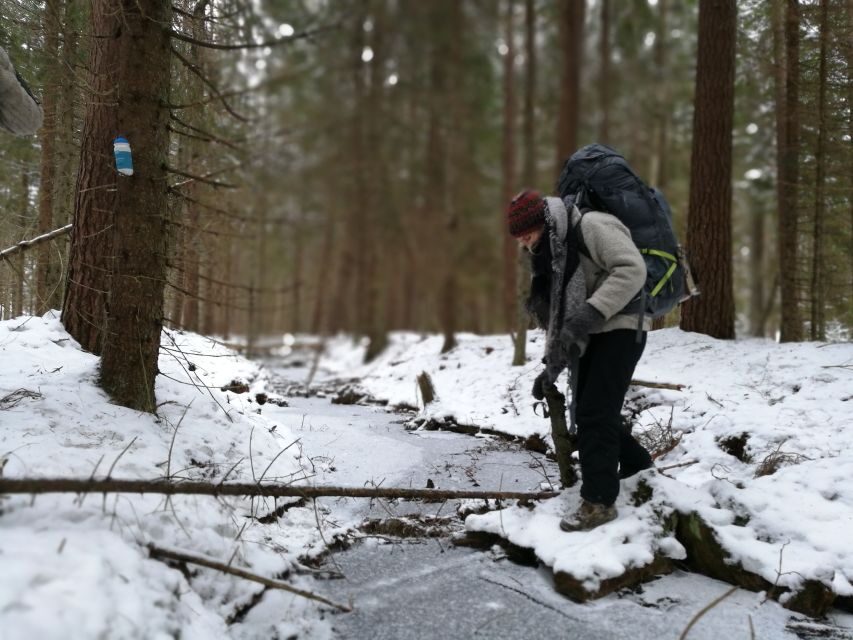
What you need to bring is equally important. You’re told to wear winter layers, and avoid cotton (cotton holds cold and moisture). A beanie/hat, gloves, and one pair of warm socks are a must. The guide also notes that downhill skiing pants and jackets work well, and thick running tights with wool long johns underneath is a good strategy. That “layers, not one super-thick thing” advice is spot on for comfort and mobility.
One more tip that people forget: send your EU shoe size (37 to 46) when booking. That’s how they prepare the equipment beforehand, so you’re not stuck waiting or guessing on fit when you arrive.
On the ice: skating for hours on lake or Baltic Sea ice
Once you’re geared up at the base camp, you drive together to the best available ice around Stockholm—planned the day before. Then you’ll get an easy safety briefing before you start skating for a few hours.
Skating happens on natural ice: a lake or the Baltic Sea, depending on conditions. The day is designed so you’re out long enough to feel the magic and the challenge, not just a quick photo loop. And you get coached along the way. The most positive feedback is consistent here: people describe the instruction as professional and the scenery as unforgettable.
One thing to keep in mind is that you’re not just “walking on ice.” Nordic skating uses a technique that can feel unfamiliar at first. A helpful cue: expect your confidence to improve as you warm up and your body figures out the rhythm. The guide’s role is to get you past the first clumsy moments so you can actually enjoy the time outside.
Also, there are built-in pauses. You’re not expected to skate continuously with no breaks. You’ll stop for fika breaks on the shore, and those moments also give you time to catch your breath and adjust your grip, layers, or posture.
Fika on the shore and a warm lunch that resets you
In Swedish culture, fika is more than coffee. It’s a planned break, a moment to warm your hands, and a reason to slow down. Here, you’ll have fika during the skating day, on the shore while you’re still out in winter air.
That matters because warmth is your performance gear. Cold hands and stiff legs make technique go out the window. A hot drink with snack during the day helps you keep moving instead of just surviving.
Lunch is also included as a warm lunch. In a 7-hour winter outing, warm food is not a luxury—it’s how you stay focused and comfortable enough to keep skating. Even if you consider yourself “just a beginner,” warm lunch makes the day feel doable rather than punishing.


The weather reality: no ice guarantee, and how the plan changes
Here’s the honest headline: weather conditions are out of the control, and there is no ice guarantee. If the ice isn’t safe, the tour will switch to an alternative. Last winter season, the info says there weren’t any excursions where skating couldn’t happen, but that doesn’t remove the basic point: conditions can still change.
From real feedback, the most common alternative when natural ice isn’t ideal is a prepared rink close to Stockholm. Another possibility mentioned is that if conditions are unsafe, a winter hike will most likely happen instead.
So how do you protect your expectations? Decide what you’re really booking:
- If you’re booking for natural ice skating as the main goal, read the weather-plan part carefully and accept flexibility.
- If you’re booking for guidance, gear, and a full day outside, you’ll likely still enjoy the day even with a backup.
Also, consider timing. This tour is “likely to sell out,” and it’s commonly booked about 35 days in advance, so you’ll want to commit before your schedule fills.
Beginner-friendly in spirit, but still a winter sport
The experience is marketed as beginner-friendly, and “most travelers can participate.” That’s encouraging. But the best way to interpret it is: you’ll be taught and guided, not left alone.
Still, multiple signals point to the fact that this is not a sit-on-a-bench kind of activity. Nordic skating takes balance, and it can feel more strenuous than standard ice rink play. One review also flagged that patter skis-like equipment can be less intuitive at first and that the safety backpack adds weight through the whole trek.
So I’d tell you to be prepared to work a little:
- If you can stand, balance, and move carefully outdoors, you’re likely fine.
- If you’re fragile on your feet, or you hate learning a new movement pattern in the cold, you might want to look for a gentler option.
A small humorous truth: winter skating doesn’t care about ego. You’ll learn fast once you get rolling, but you won’t avoid the learning curve entirely.
Price and value: what $205.37 covers (and why it may be worth it)
At $205.37 per person for about 7 hours, this isn’t a bargain “rent skates and go” outing. But it also isn’t just that.
You’re paying for:
- A professional guide with safety and coaching
- Nordic skating gear (including helmet, protection pads, and safety backpack)
- Transport by minibus from a central meeting point to the frozen lakes and back
- Warm lunch and Swedish fika (hot drink + snack)
- A small group (max 8), which reduces chaos and improves instruction time
When you total those pieces, the value makes more sense. Renting skates alone might cover part of the cost, but it usually won’t include coaching, transport to good ice, safety equipment, or a full meal plan. Here, the day is built like a guided outing, not a rental service.
If you’re the kind of traveler who likes doing one thing well—outdoors, with instruction, in the best conditions available—this price is easier to justify.
If you mainly want photos and a casual glide, you may feel the cost sharper, especially if your day ends up at an alternative rink instead of natural ice.
Should you book Nordic ice skating on Stockholm lakes?
I’d book this if you want a true winter day with gear handled for you, a real guide-led skating experience, and the calm comfort of small-group pacing. The fika-on-the-shore and warm lunch are practical touches that keep the day enjoyable, not just cold and frantic.
I wouldn’t book it if you’re hoping for an ultra-easy, beginner-walk experience, or if you strongly need your day to be exactly natural ice no matter what. The weather plan is part of the deal. Also, if you’re sensitive to physical exertion or the idea of heavier safety gear through hours on the ice makes you nervous, consider your comfort level.
If you do book, pack smart: layers, gloves, beanie, no cotton, and send your EU shoe size so equipment fits right from the start. Then go in with the mindset of learning a winter skill. That’s when the day clicks.
FAQ
How long is the Nordic ice skating experience?
It lasts about 7 hours.
Where do I meet the guide?
The meeting point is Tideliusgatan 62, 118 69 Stockholm, Sweden. You return to this same meeting point at the end.
Is the tour on natural ice?
It’s designed for natural ice (lake or Baltic Sea). However, there is no ice guarantee because conditions depend on the weather.
What happens if the ice isn’t safe?
If the ice conditions are not safe, a winter hike will most likely be carried out instead. In other cases, a prepared rink may be used as an alternative.
What equipment is included?
You get Nordic skating gear including skates, boots, poles and picks, a backpack, helmet, and protection pads.
What food and drinks are included?
You’ll have Swedish fika (a hot drink with a snack) and a warm lunch.
What should I wear?
Dress for winter activity with layers. You should bring a hat/beanie, gloves, and one pair of warm socks. Avoid cotton and choose winter-appropriate layers.
Is the tour in English, and is it beginner-friendly?
The guide offers the experience in English, and most travelers can participate. You should still expect a winter skating activity with coaching and safety guidance.