REVIEW · STOCKHOLM
Private blood, ghosts and folklore Old Town 2h Stockholm tour
Book on Viator →Operated by Sweden History Tours · Bookable on Viator
One bite-size walk, and suddenly Stockholm feels dangerous. This private Old Town tour turns Stortorget and a handful of famous streets into a story route for blood, ghosts, and Swedish folklore—so you are not stuck reading on your own. I love the way the guide connects spooky ideas to specific places, and I love that it is private, so you can ask questions as you go.
The main thing to consider is pacing: it is about 1 hour 30 minutes, with short stops, so if you were hoping for nonstop, blow-by-blow gruesome set pieces the whole time, you might feel a bit shorted.
In This Review
- Key highlights at a glance
- Turning Old Town Into a Story Route
- Stortorget: Death, Blood Curses, and the Folklore Body-Part Logic
- Prästgatan: Walking Through a Street With a Name From Hell
- Old Town House Doors: Iron Protection and the Vaesen Problem
- Logårdstrappan: Näcken and Other Water Spirits That Lure People In
- Kungsträdgården: Skogsrået/Huldran, Myrling, and Deadly Creatures
- S:t Jacobs Kyrka: Door Weak Points, Exorcism, and Punishment Ideas
- Price and Value for a Private 90-Minute Scare Walk
- Who This Tour Suits Best
- Tips to Get More From Your Guide
- Should You Book This Private Blood, Ghosts and Folklore Tour?
- FAQ
- How long is the private blood, ghosts and folklore Old Town tour?
- Where does the tour start?
- Where does the tour end?
- Is this tour private?
- Is there a mobile ticket?
- What topics does the guide cover?
- Are any admission tickets required during the stops?
- How much does it cost?
- What is the cancellation policy?
- Is the tour accessible for most people?
Key highlights at a glance
- Private format means only your group and real time for questions
- Old Town landmarks used as prompts, not just background scenery
- Swedish vaesen focus: from iron protection ideas to water spirits
- Doorway and baptism protections: practical-sounding folklore rules you will actually hear explained
- Kungsträdgården stop brings multiple creatures into one spooky chunk of time
Turning Old Town Into a Story Route
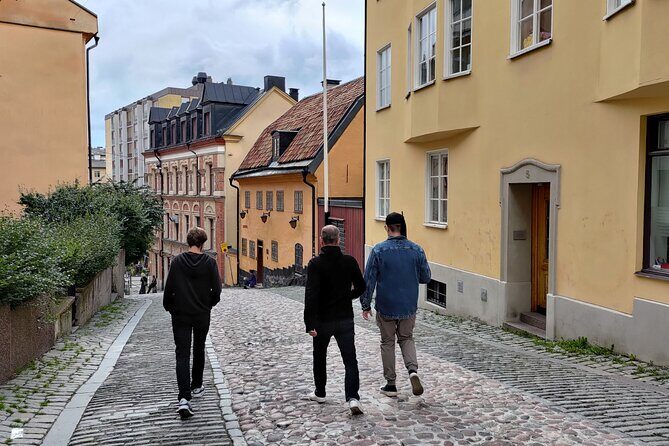
This tour is built for people who like walking and talking at the same time. You spend roughly 1.5 hours moving through central Old Town with a guide doing the heavy lifting: navigating you between spots, setting the scene, and keeping the story flowing. That matters in a place like Gamla Stan, where it is easy to wander in circles unless you already know your landmarks.
The private part is the real quality upgrade. You are not sharing the guide’s attention with a large crowd, so the conversation can stay human—short questions, quick clarifications, and follow-ups when something grabs your interest. If your group includes kids who love spooky tales, or adults who are more detail-oriented, this format usually works better than a large fixed script.
You also get a clear theme: this is not a general guided history slog. It is a guided path through dark themes—death, curses, protections against supernatural beings, and folklore creatures like elves, trolls, and the various water spirits tied to waterways.
You can also read our reviews of more private tours in Stockholm



Stortorget: Death, Blood Curses, and the Folklore Body-Part Logic
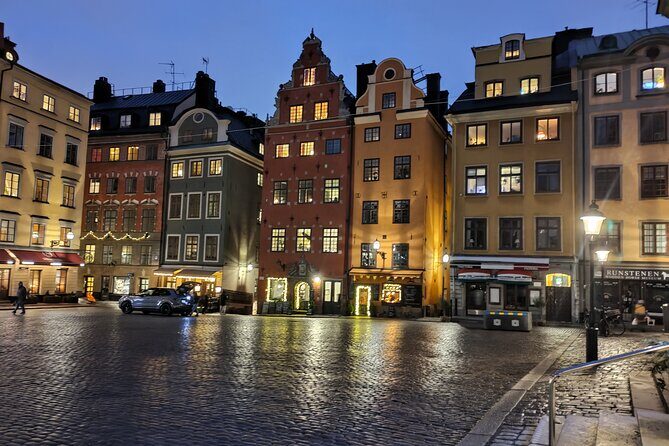
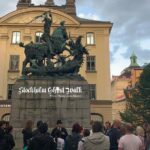
You start at Stortorget, and the tour wastes no time. This is where the guide sets the mood with talk that blends grim real-life events with folklore beliefs: how death shows up in stories, and how certain body-part ideas were used in magical thinking.
One of the most striking angles here is how the guide frames it as a system. Instead of just saying people believed in curses, you hear about the magical use of the dead in folklore—specifically beliefs tied to blood and the idea that parts of the dead could be used for harmful or protective purposes. It also connects to the violence of the era: the executions of around 90 souls after Danish King Kristian took Stockholm are part of the backdrop for the discussion.
What I like about starting here is how quickly it gives you a lens for the whole walk. When you step into the next street, you already know the guide will keep translating the same theme—death and supernatural fear—into the architecture and street names you are seeing.
A drawback to keep in mind: since it is only about 10 minutes at this stop, you will get an intense starter dose, not a full lecture. If you want to linger, plan to ask your guide a follow-up question right away so you do not lose the thread.
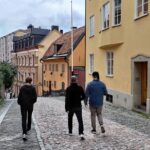
Prästgatan: Walking Through a Street With a Name From Hell
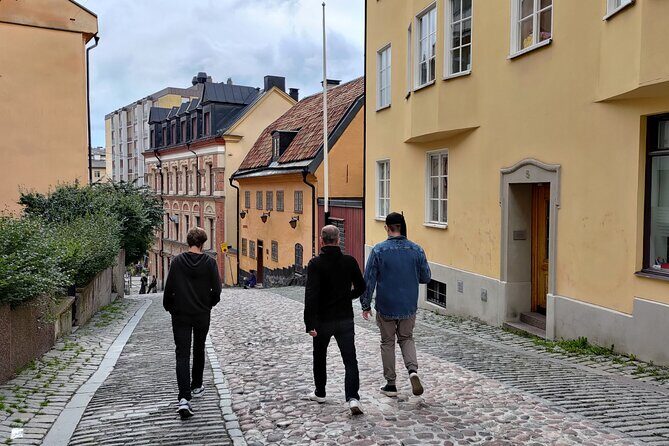
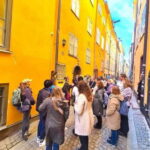
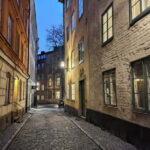
Next comes Prästgatan, where the story uses a simple but effective trick: a name. You walk the street while the guide brings up that it was formerly called something close to Hell—and then ties that to who lived there.
Even if you do not care about language history, the point here is atmosphere. A street name like this is not just trivia in Stockholm; it is an instant prompt for the darker folklore and social mood the guide keeps returning to.
This stop is short—around 10 minutes—so it works best when you treat it like a chapter transition. Let it change your expectations. You are moving from a major square where death and execution history anchor the talk, into a narrower street where the folklore lens feels personal and close-up.
Old Town House Doors: Iron Protection and the Vaesen Problem
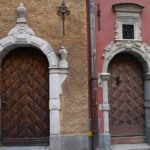
As you move through Old Town, the guide shifts from public squares to the kind of detail that makes folklore feel real: doorways and the fear of supernatural visitors. This is where you learn about protection measures that were believed to ward off vaesen—supernatural beings that, in this telling, can include those linked to mist and unrested souls.
One of the core ideas here is that iron can be used as protection. The tour frames it as a practical defense against elves and other creatures that show up in the folklore imagination. You also hear about tomte as part of the mix, and the guide talks through protection for doors specifically.
Then the story gets more specific and darker. The guide covers the idea that a newborn, before baptism, lacks protection against trolls and the Devil—and that there are protection measures you would use in response. Even if you do not buy the logic, it is fascinating to hear how people tried to turn fear into routines and rules.
Because this stop is about 10 minutes, it can feel like a lot of concepts in a short time. My advice: if one creature or protection method catches your attention—iron, doors, baptism protections—ask one focused question. You will get more value out of the tour by narrowing in than by trying to memorize everything.
Logårdstrappan: Näcken and Other Water Spirits That Lure People In
At Logårdstrappan, the tour turns to water folklore. This is where the guide names several water-connected vaesen and explains what they do: spirits tied to water that could try to drown people and lure them toward danger.
The headliners include Näcken and the bäckahästen—the Swedish version of Kelpie in the way this story tradition compares similar water-horses across cultures. You also hear about Sjörå and skepps-rå, with the guide explaining how these beings fit into the same theme of temptation and drowning.
What makes this stop work is the contrast. Up to now, the tour has been about executions, curses, and doorway protections. Here, the fear becomes sensory. Water is present in cities, and stories like these make you look at streams, edges, and slopes differently—even if the tour stays rooted in folklore rather than actual danger.
Time-wise, it is around 10 minutes. So again, think in themes: the tour is giving you a quick lineup of water-entity stories you can later recognize when you notice water features around the city.
A few more Stockholm tours and experiences worth a look


Kungsträdgården: Skogsrået/Huldran, Myrling, and Deadly Creatures
The biggest chunk of the walk after the early stops is Kungsträdgården, where the guide expands the creature list. Here you hear about darker woodland and undead-leaning folklore, including Skogsrået (also connected with huldran), plus the undead child Myrling.
This stop is long enough—about 20 minutes—that it gives you some breathing room. It is also a good place for the guide to tie the earlier themes together: protection, fear of the unknown, and the idea that supernatural harm could take many forms, not just one kind of ghost.
You also hear about creatures described as spreading death and (in the guide’s framing) involving blood-sucking themes. Since folklore can blur the line between symbolism and literal fear, the value of having a guide is that you can ask what the story is supposed to mean in context, rather than assuming it is all the same kind of tale.
A practical consideration: Kungsträdgården can be busy or windy depending on the season, and the tour is still outdoors. If weather is an issue for your group, this is a good stop to keep your layers handy.
S:t Jacobs Kyrka: Door Weak Points, Exorcism, and Punishment Ideas
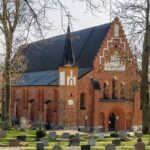
The tour ends with a church stop, S:t Jacobs Kyrka, focusing on the outside rather than interior details. The theme stays consistent: protection, vulnerability points, and ritual-style solutions.
The guide talks about the church door and what makes it vulnerable in folklore thinking—basically, where protection fails or becomes negotiable in the supernatural logic. You also hear about exorcism of a kid at baptism and what you should do if you had a worst enemy to punish.
That last line is the kind of folklore detail that may sound extreme, but it helps explain something important: these stories are not just entertainment. They are also a window into how people tried to manage fear—fear of illness, fear of evil, fear of losing control. Hearing it delivered in a walking tour makes it feel less like a museum label and more like a lived belief system translated into street-level storytelling.
The stop is about 15 minutes, so it is a strong closing chapter. You end not far from the north side of Old Town, with a stated 10-minute walk back toward the start area.
Price and Value for a Private 90-Minute Scare Walk
At $188.16 per person for a private tour that runs about 1 hour 30 minutes, the price is not “cheap fun.” You are paying for three things:
First, you are paying for private time. Instead of a large group tour where your questions might get skipped, your group gets the guide’s attention.
Second, you are paying for a walking guide who knows how to connect stories to places. In Old Town, there are hundreds of places to stop. Without guidance, you would likely pick the easy plaques and miss the folklore threads the guide is designed to highlight.
Third, you are paying for the specific theme. Not everyone wants general Stockholm history. If your interest is strongly in ghosts, vaesen, and dark Swedish folklore, this tour aims straight at that.
Where value can drop: if your expectation is a long chain of famous, brutal set pieces with a constant stream of gruesome moments, this tour’s short-stop structure may feel too light. One negative comment in the available feedback described the tour name as misleading and said the pace felt like it did not reveal as much as expected. On the other hand, other feedback praised the friendly, accommodating approach and the way the guide makes the stories interesting.
So I would frame this as a good buy if you want a focused theme walk, not a guarantee of nonstop horror.
Who This Tour Suits Best
This tour fits best if you:
- Like folklore creatures and the way people used symbols like iron and door protections in their stories
- Enjoy walking and prefer a guided narrative over reading on your own
- Want a private experience where you can ask a question without holding up a group
It may feel less ideal if you:
- Want a full-length, dramatic history lecture with many named events and long explanations at each stop
- Prefer a tour that stays consistently on one style of content (for example, only executions, only ghosts, or only a single creature type)
Tips to Get More From Your Guide
Here are a few practical ways to make sure you get your money’s worth:
- Come ready with one question before you start. For example: Which vaesen scares you most, and why? Asking that early often leads to a better explanation across multiple stops.
- Pay attention to the recurring theme of protection. The guide keeps using doors, baptism, and iron ideas as the thread linking the stops.
- Dress for walking in central Stockholm weather. The route is short at each stop, but you still spend real time outdoors and moving between landmarks.
- If one stop hits you hardest—water spirits, woodland creatures, or church-baptism lore—say so. A private format makes it easier for the guide to expand that part of the story.
Should You Book This Private Blood, Ghosts and Folklore Tour?
I would book this if you want a themed, private walk that treats Old Town like a map of fear and folklore rules—iron protections, doorway beliefs, water spirits like Näcken, and creature names you can later recall when you see the city in daylight.
I would think twice if your main goal is a heavy, gruesome history marathon with nonstop shocks. This tour is short-stop by design, and the experience can land differently depending on how much you expected the title to translate into constant extreme stories.
If your group likes spooky culture and wants an easy way to hear it tied to real Stockholm street corners, this is a strong choice from Sweden History Tours—especially because you get that private, question-friendly pace.
FAQ
How long is the private blood, ghosts and folklore Old Town tour?
It runs for about 1 hour 30 minutes.
Where does the tour start?
It starts at Nobel Prize Museum, Stortorget 2, 103 16 Stockholm, Sweden.
Where does the tour end?
It ends just outside Saint Jacob’s Church, Västra Trädgårdsgatan 2A, 111 53 Stockholm, Sweden.
Is this tour private?
Yes. It is a private tour, so only your group participates.
Is there a mobile ticket?
Yes, the tour includes a mobile ticket.
What topics does the guide cover?
You can expect stories about death and folklore beliefs, including curses involving blood, protection with iron against vaesen, water spirits like Näcken, and folklore creatures connected to woods, the sea, and the undead.
Are any admission tickets required during the stops?
The provided stop details list admission ticket as free for the tour’s listed locations.
How much does it cost?
The price is $188.16 per person.
What is the cancellation policy?
You can cancel for a full refund if you do it at least 24 hours before the experience’s start time. If you cancel less than 24 hours before, the amount paid is not refunded.
Is the tour accessible for most people?
Most travelers can participate, and service animals are allowed. The meeting point is near public transportation.