REVIEW · STOCKHOLM
Stockholm: Skansen Open-Air Museum Admission Ticket
Book on GetYourGuide →Operated by Skansen Open-air Museum · Bookable on GetYourGuide
Skansen turns Stockholm into a living time machine. I love the mix of historic farmsteads and hands-on character of the place, and I love that you can spend a whole day seeing Nordic animals up close. One drawback: it’s large and hilly, so you’ll want solid walking shoes and time to wander at your pace.
This is the world’s first open-air museum, set up so you can move through Swedish life from the 1500s to the early 1900s. You’re walking between relocated buildings, meeting period-style demonstrations, and then breaking away for animal areas that include both domestic animals and Nordic wild species. If you’re visiting with a strict schedule or on a day when some enclosures are closed, you may feel like you missed a few “big ticket” sightings.
Skansen is also one of those places where the details matter. The museum shop, seasonal decorations, and the restaurants with views over Stockholm make it feel like more than a quick stop. If you treat it like a slow stroll, it clicks fast.
In This Review
- 5 Key Things That Make Skansen Worth Planning For
- Where Skansen Fits Into a Stockholm Day
- Arriving and Getting Oriented Fast
- The Historic Houses: How Skansen Teaches Swedish Life (Without Lectures)
- Animal Encounters: Nordic Wildlife, Domestic Breeds, and Those Close-Quarters Moments
- Trading Skills and Demonstrations: Watch Hands at Work
- The Aquarium and Extra Attractions: Optional, But Often a Strong Add-On
- Seasonal Magic: Christmas Market (1903 Roots) and Themed Decorations
- Food and Views: Plan a Lunch, Don’t Skip It
- What This Ticket Is Really Buying: Value for a Full-Day Plan
- Best Timing: When to Go and How to Avoid Frustration
- Who Should Book Skansen (and Who Might Skip It)
- Should You Book the Skansen Open-Air Museum Ticket?
- FAQ
- What is included with the Skansen ticket?
- How long can I use the ticket?
- Is the timeslot fixed?
- Where is the meeting point?
- Can I see Nordic wild animals at Skansen?
- Is there a children’s animal area?
- Is the Christmas market included, and when does it run?
- Is Skansen wheelchair accessible?
5 Key Things That Make Skansen Worth Planning For

World’s first open-air museum, with 150+ historic houses and farmsteads
Animal life across both domestic breeds and Nordic wild species (75 species total)
Seasonal themes, including a historic Christmas market running Fri to Sun (late Nov to mid Dec)
Optional add-ons like the Baltic Sea Science Center Aquarium and extra transport (when available)
Interactive period demonstrations inside buildings, with staff acting in character (for example, Simas)
Where Skansen Fits Into a Stockholm Day
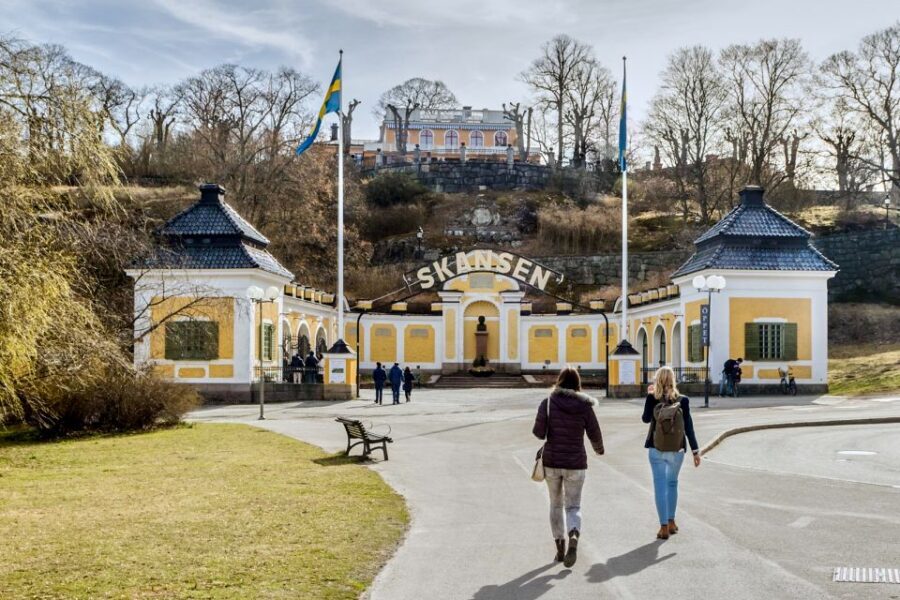
Skansen sits on Djurgården, Stockholm’s island for museums and nature. The meeting point is Djurgårdsslätten 49–51, and you buy an admission ticket that’s valid for 1 day from the moment you first activate it.
The simplest way to do this visit is to think of it as a neighborhood you explore. You’re not bouncing between tight indoor rooms; you’re moving along paths that connect old buildings, work spaces, and animal areas. That’s why it works well with a flexible timeslot: the one you select is basically a reference point. You can show up anytime during opening hours.
A few more Stockholm tours and experiences worth a look



Arriving and Getting Oriented Fast
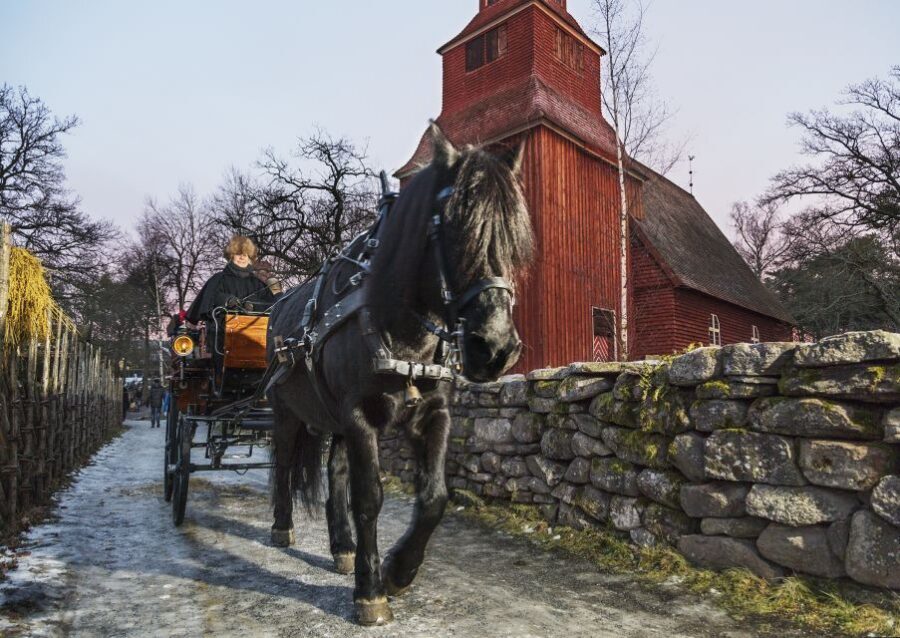
When you arrive, you’ll scan/activate your ticket and then start walking. The site is spread out, so the biggest early win is picking a strategy: either go straight to the animal areas to get the highlights out of the way, or start with the historic village first so you’re in the right mindset for rural Swedish life.
One practical tip: some services take a bit of time to ramp up. On at least one visit, coffee and drink stands weren’t open right away, and they started gradually later in the morning. So if you like an early caffeine hit, don’t count on it at 10am.
Also, expect hills. Multiple reviews point out Skansen is more hilly than people assume. That doesn’t ruin it, but it changes what “comfortable” means. If you’re budgeting energy, plan for rests and water breaks.
The Historic Houses: How Skansen Teaches Swedish Life (Without Lectures)
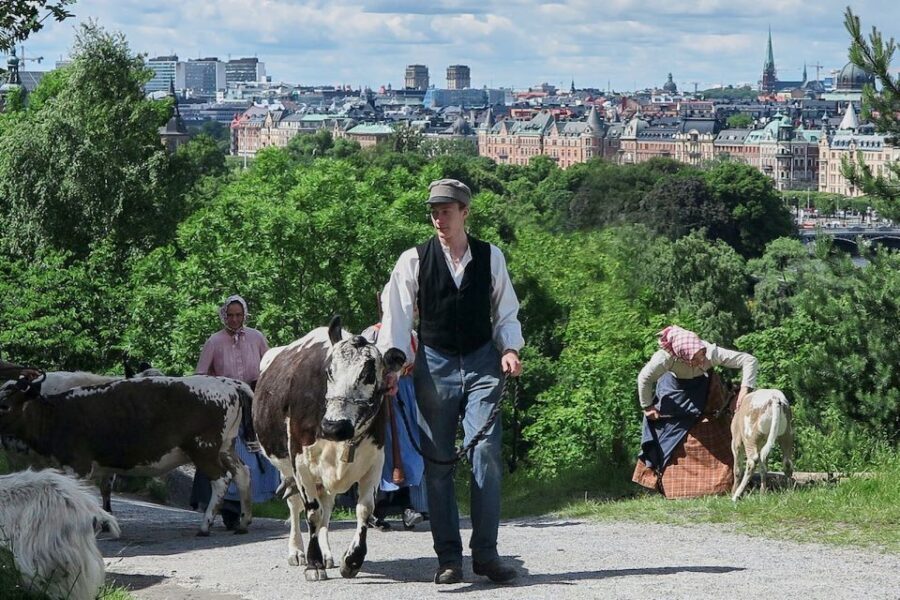
Skansen’s core idea is simple: you walk through preserved buildings and farmsteads from different regions of Sweden. The museum covers everyday life from roughly the 16th century through the first half of the 20th century, so you’re watching changes in work, seasons, and social conditions play out in real places.
What I like here is how the buildings aren’t just props. You can see how people lived and worked, and in many spaces there are staff in period-style roles who add context. In one experience, Simas stood out for being helpful while you learned how things worked and how to enjoy the displays without feeling lost.
What to look for as you walk
- Changes in building styles and how homes connect to work areas
- Period demonstrations that show trades and daily tasks (examples from experiences include glass blowing and printing)
- Smaller details in shops and working spaces that explain how people made goods
A good reality check: not everything is open every day. Some buildings and timed elements may be closed depending on the day or season. That’s not a bad sign; it’s part of running a living museum. Build in margin so closed doors don’t derail your mood.
Animal Encounters: Nordic Wildlife, Domestic Breeds, and Those Close-Quarters Moments

Skansen is also a zoo experience, but it’s built to fit the museum concept. The focus is on Sweden and the surrounding region, including both wild animals and farm animals.
You can see Nordic species like moose, lynx, elk, and brown bears—and there are other animals and exhibits across the property too. The ticket experience includes access to the main animal areas, and the museum also features domestic animals in a family-friendly setting with animals such as cats, rabbits, and guinea pigs.
If you’re a wildlife person, this is where the day often “clicks.” Many people report the moose and other Nordic animals feel special because they’re not far away behind glass the way you might expect. That closeness makes the walk more than sightseeing.
Two cautions to keep it fair:
- Enclosures can close. One visitor was disappointed because a reindeer area wasn’t available on the day they came.
- Weather matters. Snow or rain doesn’t stop Skansen, but it changes which areas feel easy to move through.
Still, even on days where a specific favorite enclosure is closed, the overall animal mix and the sense of place usually make up for it.
Trading Skills and Demonstrations: Watch Hands at Work
Skansen isn’t only about seeing buildings from the outside. There are chances to watch demonstrations in working areas, tied to historical trades and domestic life.
Some examples people call out include:
- Glass blowing
- Printing demonstrations (including making a bookmark at the printers in one experience)
- Baking and food-related activities
Here’s the practical reason demonstrations are worth your attention: they turn the museum from a set of photos into something you can understand. You get a feel for how long tasks take, what tools look like, and how work fits into daily life.
Timing matters. If you arrive late afternoon, you can miss the character of these in-building moments. If you can, plan your route so you’re not rushing through the museum at the exact time staff roles are wrapping up for the day.
You can also read our reviews of more museum experiences in Stockholm






The Aquarium and Extra Attractions: Optional, But Often a Strong Add-On

Inside the Skansen experience, there’s also the Baltic Sea Science Center Aquarium. Several people call it a must-visit, and some mention it involves an extra charge.
Because the details around what’s included can vary by ticket type and on-site pricing, treat the aquarium as an optional add-on you decide once you’re there. If you want marine life and interactive learning, it’s often worth the extra time and cost. It also gives you a break from walking in colder weather.
There’s also mention of other optional experiences, such as extra transport like a funicular/tram for that first big hill (when available). That doesn’t replace the walk, but it can save your legs if you’d rather spend more energy on animals and historic areas.
Seasonal Magic: Christmas Market (1903 Roots) and Themed Decorations

One of the fun things about Skansen is that it changes with the seasons. Decorations and themed areas bring a different mood, especially around winter holidays.
For the historic Christmas market: it runs Friday to Sunday from 26 November until 19 December, and it’s described as dating back to 1903. This is a rare chance to blend the museum’s historical focus with holiday atmosphere—think handicrafts and traditional sweets, plus Christmas gifts you can actually bring home.
If you’re visiting during that window, I’d build your day around it. You’ll likely spend time not only walking through exhibits, but also browsing market stalls for candles, sweets, and gifts.
Food and Views: Plan a Lunch, Don’t Skip It
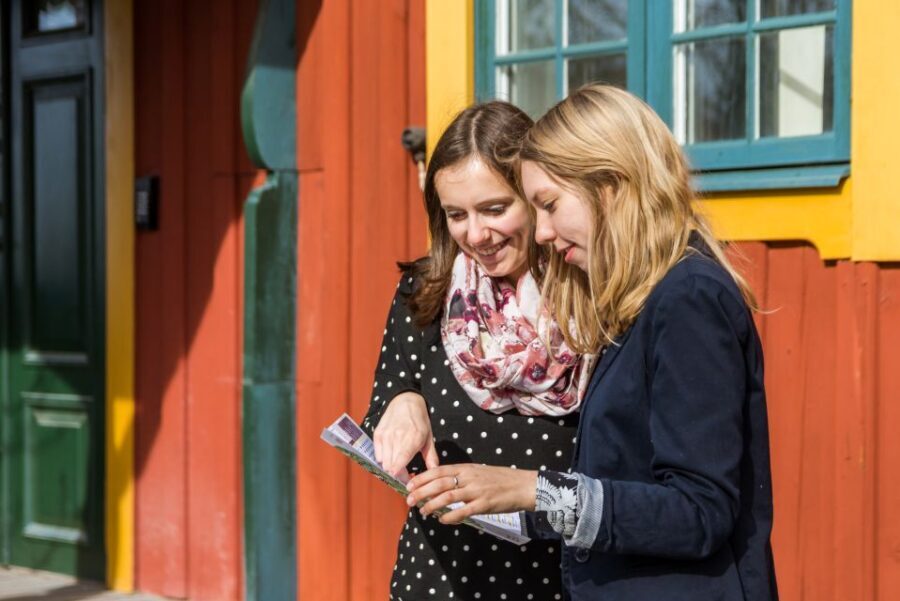
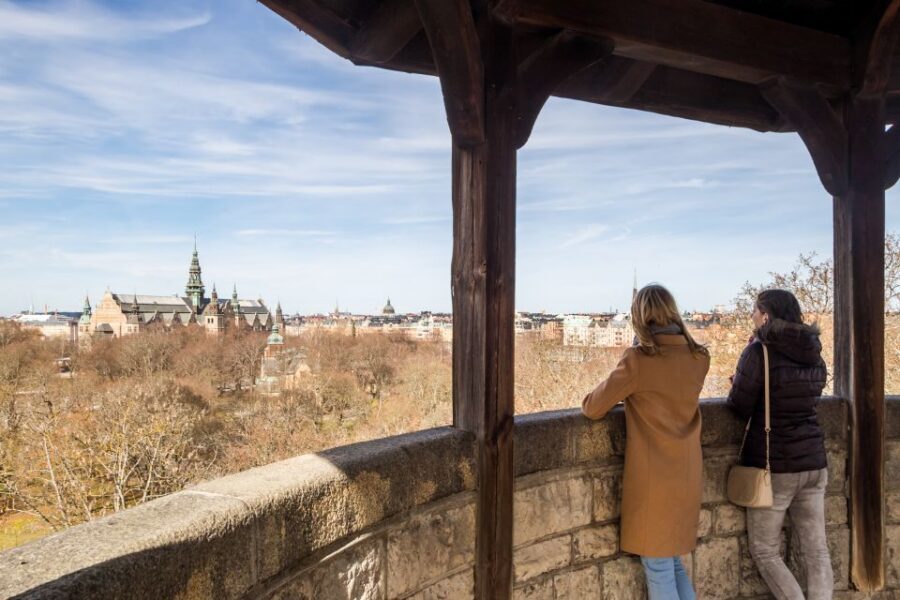
Food isn’t included with your admission ticket. Still, there are restaurants on-site, and at least one is noted for breathtaking views over Stockholm.
This matters because Skansen’s best days are slow days. You need a sit-down reset so you don’t end the day exhausted and annoyed you didn’t see the parts that interested you most. Plan a lunch break mid-visit, then decide whether you want to continue with historic buildings or shift toward animals.
In winter conditions, a warm meal can also extend your comfortable time outside.
What This Ticket Is Really Buying: Value for a Full-Day Plan
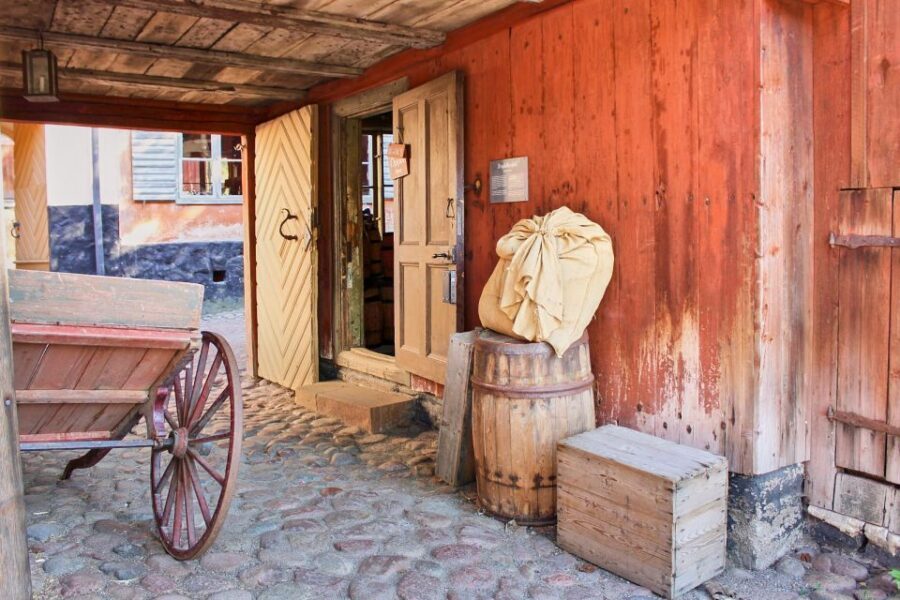
At $27 per person for one day, you’re paying for a big self-guided experience: admission to the world’s first open-air museum plus the animal areas. The value is strongest if you actually slow down and let the museum sections connect.
If you’re tempted to “just do a couple of hours,” you might feel like you rushed. More than one visitor said it’s bigger than expected and recommended giving at least half a day, with longer visits common when people want to see everything.
So I treat the price as a bet on time: the ticket costs the same whether you see 20% or 80% of Skansen. That’s why time planning is the smartest move.
Best Timing: When to Go and How to Avoid Frustration
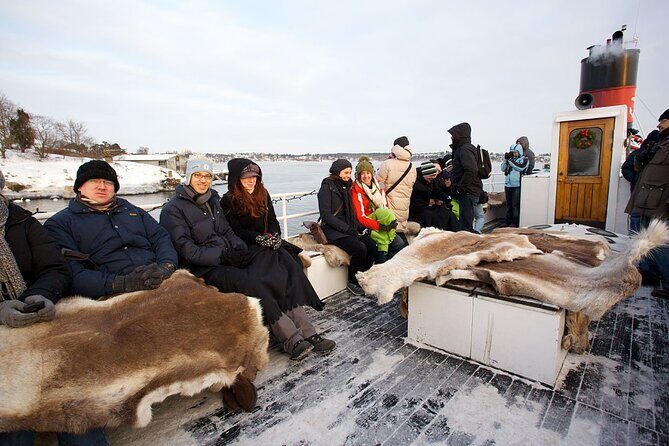
Skansen works year-round, but your expectations should match the season. In winter, it can feel extra atmospheric—snow adds charm—yet some indoor or timed pieces may be limited, and walking conditions can be tougher.
A strong approach:
- Go earlier if you want the full rhythm of demonstrations
- Plan for at least one rest stop and water breaks
- Keep one or two “must-sees” at the top of your list in case a specific enclosure is closed
If you’re visiting in a busy holiday window, the Christmas market can add crowd energy. That doesn’t ruin it, but it changes how you move. Stay flexible and treat it as part of the experience.
Who Should Book Skansen (and Who Might Skip It)
Skansen is a great fit if you want history that you can walk through and animals that connect to that history. It’s also very family-friendly because you get a mix of farm animals and hands-on atmosphere.
I’d especially recommend it for:
- Families with kids who like animals and open-air wandering
- People who enjoy museums that are more “place” than “collection”
- Visitors who want to see a Swedish rural snapshot without traveling far outside Stockholm
You might want to rethink if:
- You’re limited on mobility or hate hills (it’s wheelchair accessible, but the terrain still affects comfort)
- You only have a tight schedule and hate long walking days
- You’re hoping for a guided, timed tour format rather than a self-paced museum walk
Should You Book the Skansen Open-Air Museum Ticket?
Yes—if you plan for a real day outdoors in Stockholm. The ticket price is usually a fair deal for a place that combines 150+ historic buildings, animal areas with Nordic wildlife, and seasonal events like the Christmas market. If you show up with comfy shoes and a relaxed pace, Skansen turns into one of those rare attractions that feels like more than the sum of its parts.
Book it now if your ideal Stockholm day looks like this: walk, learn by looking, take animal breaks, warm up with a meal, and shop for Swedish crafts before you leave.
FAQ
What is included with the Skansen ticket?
The admission ticket is included. Food and drinks are not included.
How long can I use the ticket?
It’s valid for 1 day from the first activation.
Is the timeslot fixed?
The selected timeslot is a reference. You can show up anytime during opening hours.
Where is the meeting point?
The meeting point is Djurgårdsslätten 49–51, 115 21 Stockholm, Sweden.
Can I see Nordic wild animals at Skansen?
Yes. The museum includes animal life such as lynx, elk, and brown bears, along with other Nordic and domestic animals.
Is there a children’s animal area?
Yes. There is a zoo featuring domestic animals such as cats, rabbits, and guinea pigs.
Is the Christmas market included, and when does it run?
Skansen has a historic Christmas market dating back to 1903. It is open Friday to Sunday from 26 November until 19 December.
Is Skansen wheelchair accessible?
Yes, it is wheelchair accessible.