REVIEW · GOTHENBURG
Historical Walking Tour in Restaurant and Bars in Central City
Book on Viator →Bookable on Viator
Gothenburg’s streets tell stories fast. In about 1 hour 45 minutes, Marcus guides you through central Gothenburg with a mix of old buildings, hill viewpoints, and practical stops for food and drink ideas, starting and ending at Gustav Adolf’s Square.
I love how the tour connects what you see to how the city was built, especially around defense lines and fortifications. I also like that it keeps it useful, not just scenic, with restaurant and bar pointers woven into the walk.
The main thing to consider is pace: it’s a walking tour with multiple stops, so if you want long browsing time in shops or slow café sitting, you’ll likely need to save that for after. The route also includes hills, so comfortable shoes matter.
In This Review
- Key highlights I’d plan around
- Why This 1h45 Gothenburg Walk Works So Well
- Gustav Adolf’s Square: The Easy Start (and Why It Matters)
- The Old Armory Building: Gothenburg’s “Defense DNA”
- Restaurant Streets and the “Get Your Bearings” Neighborhood Walk
- Climbing to Hill Viewpoints and Old Fortifications
- Indoor Fish Market: A Visual Stop You’ll Remember
- The Big Market Square: Meat, Cheese, Vegetables, Real Choices
- Horticultural Gardens Pass-By: A Calm Contrast
- Cathedrals and the German-Speaking Church
- Viewpoints, Plazas, Bars, and the Best Way to Plan Dinner
- The Old 17th-Century Lodge and the Final Bridge View
- Electric Boat Company Discount: A Fun Add-On
- Price and Value: Is $51.15 Worth It?
- Who Should Book This Tour (and Who Might Not Love It)
- Should You Book This Gothenburg Walking Tour?
- FAQ
- Where is the meeting point for the Historical Walking Tour?
- How long does the walking tour take?
- What language is the tour offered in?
- How much does the tour cost?
- What is the group size limit?
- Can I cancel for a full refund?
- Are service animals allowed, and is it near public transportation?
Key highlights I’d plan around
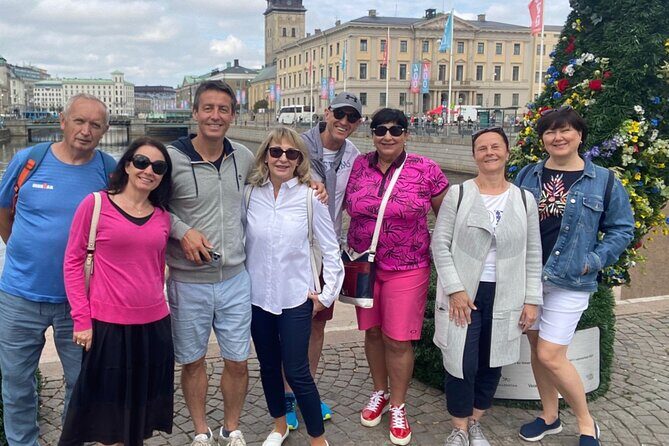
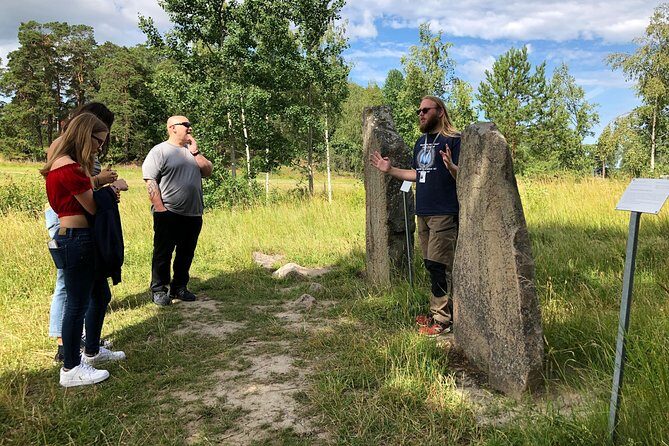
- Marcus, your guide, sets the tone with clear history and a friendly, curious style that makes questions easy.
- Fortifications show up repeatedly, including plazas and viewpoints tied to older defensive walls.
- The indoor fish market gives you a standout visual stop before the larger market area.
- You get market ideas, not just photos, with time spent near stalls for meat, cheese, and vegetables.
- Churches and cathedrals are part of the route, including a German-speaking church.
- Multiple squares feed your evening plans, with bars and restaurants placed right where you can continue exploring.
Why This 1h45 Gothenburg Walk Works So Well
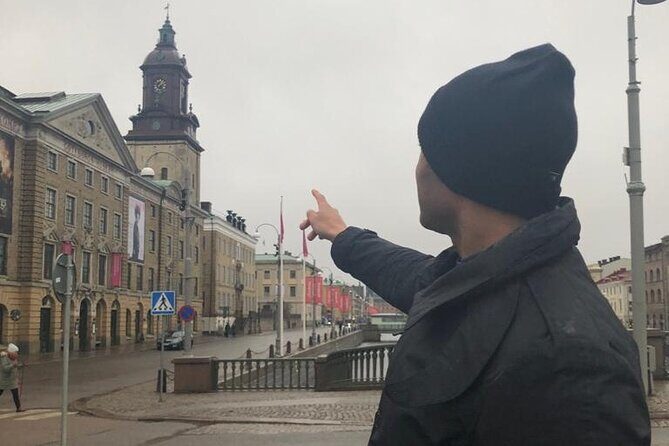
If it’s your first time in Gothenburg, this is a smart way to get your bearings fast. You cover central neighborhoods, you hit historic spots, and you finish where you started—handy when you’re trying to shape the rest of your day.
What makes it especially good value is the combo: history plus food-and-drink context. You’re not stuck in one theme. You’ll walk from an old armory building into restaurant streets, then up to viewpoints tied to older fortifications, then back down through markets and squares.
At $51.15 per person, you’re paying for a guided loop of key sights plus real local direction on where to eat and relax. It’s short enough to fit into a packed itinerary, but long enough to feel like you learned the city, not just passed it.
You can also read our reviews of more walking tours in Gothenburg


Gustav Adolf’s Square: The Easy Start (and Why It Matters)
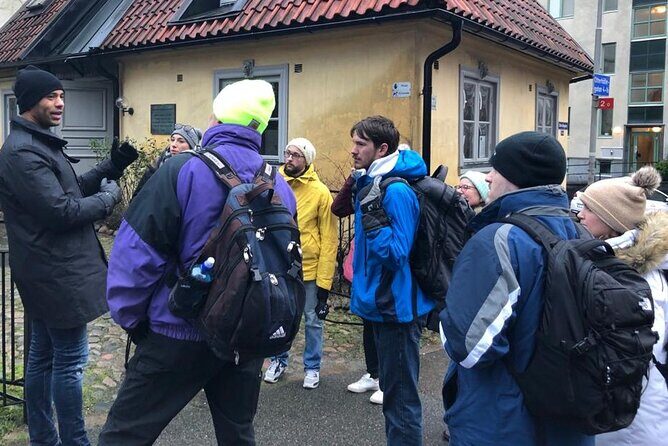
You meet at Gustav Adolfs torg (Gustav Adolf’s Square), in the Nordstaden area, right in the center. That’s a big deal because it means you’re not spending your limited time figuring out transit or crossing multiple neighborhoods just to begin.
Starting at noon also helps. Midday light tends to make the viewpoints easier to enjoy, and after the tour you’re already close to the areas where dinner and drinks are practical.
The tour ends back at the meeting point. So if you decide you want to keep walking, you can. Or if you want to go back to your hotel and refresh, it’s straightforward.
The Old Armory Building: Gothenburg’s “Defense DNA”
One of the first stops is Gothenburg’s second oldest building, once used as an armory. Even without turning it into a museum visit, this kind of stop gives you a useful lens: you start seeing the city as something built for protection, not just trade.
Marcus also frames the walk around settlement and city walls/fortifications. That matters because otherwise you might see hills, plazas, and wall-adjacent spots and think they’re just pretty. On this tour, they connect to why people needed height and structure where they built.
A small-group format helps here. With a maximum of 20 people, your guide can keep the pace readable and answer questions without the whole group losing the thread.
Restaurant Streets and the “Get Your Bearings” Neighborhood Walk
After the armory, you move into a street that feels distinctly Gothenburg—hip in the sense that it mixes restaurants, bars, stores, and cafés in a way that’s easy to imagine living there. This is where the tour becomes less like a checklist and more like orientation.
I like this part because it teaches you what the city’s comfortable rhythm looks like. You’re not only learning where the sights are; you’re learning where people actually go to hang out.
If you’re the type who likes a plan but hates rigid itineraries, this segment is gold. You get cues for what areas you can return to later without starting from zero.
Climbing to Hill Viewpoints and Old Fortifications
Then comes the uphill part: one of the city hills with a strong viewpoint and views connected to old fortifications. Hills can feel like a workout tax if a tour doesn’t explain them. Here, the explanation gives the climb purpose.
You’ll also come back to the fortification story later, including a stop at a plaza on top of the old fortification. That repetition is helpful. It turns scattered photo stops into a coherent idea: Gothenburg used terrain like a tool.
If you’re prone to underestimating walking time, remember this is about 1h45 total. Wear shoes you can trust for uneven sidewalks and slopes. You’ll enjoy the views more when your body isn’t negotiating pain.
You can also read our reviews of more city tours in Gothenburg



Indoor Fish Market: A Visual Stop You’ll Remember
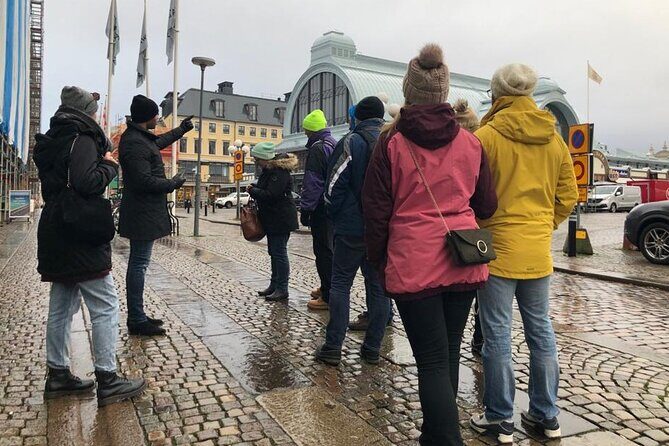
One of the most interesting segments is an indoor fish market. The key detail here isn’t just that fish are sold—it’s that the place has a specific look that makes it a top-interest stop on the route.
Indoor markets also change the feel of the tour. You step from streets and open squares into a covered environment where the energy is different. Even if you don’t buy anything, it’s a good moment to look closely at how the market space works and how Gothenburg keeps food culture close to sightseeing.
This is a good stop for photos, yes. But it’s also where you start understanding the city’s everyday life. Markets are where history and modern habit mix in a way that feels real.
The Big Market Square: Meat, Cheese, Vegetables, Real Choices
From the fish market, you move to the big market place, where you can buy meat, cheese, vegetables, and more. This is the part of the tour that feels most practical if you like to snack while traveling or pick up simple ingredients.
Even if you don’t plan to cook, you can still benefit. You’ll see what local stalls focus on. That makes you more confident about ordering later, and it helps you spot where markets fit into daily life.
If you like structure, you’ll appreciate that this market segment is built into the tour flow. You’re not wandering around hungry with no context. You get a sense of where things are and what to look for.
Horticultural Gardens Pass-By: A Calm Contrast
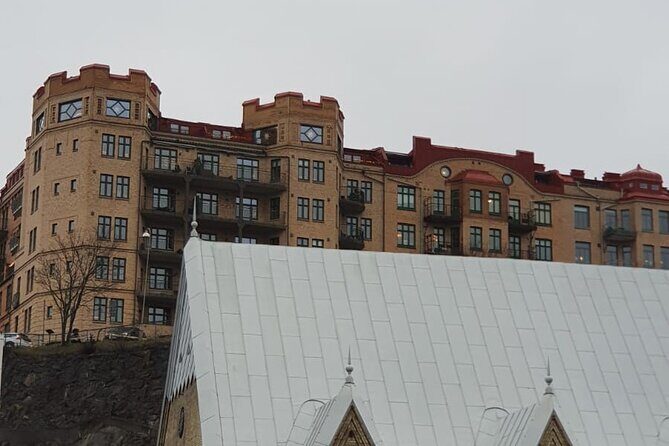
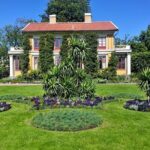
You’ll pass the Horticultural Gardens / Garden society, and this is a nice contrast to the busier restaurant streets and the market areas. Even as a pass-by, it breaks up the walking rhythm.
Gardens also help you understand the city layout. They give you a mental map of where calmer space sits next to the more active parts of central Gothenburg.
If the day is warm, this kind of stop can become your breathing moment before you keep heading toward viewpoints and church areas.
Cathedrals and the German-Speaking Church
Gothenburg’s spiritual landmarks show up on the route in two ways. First, you’ll pass a famous cathedral that’s open to visitors. Then later, you’ll pass a German-speaking church in Gothenburg.
This matters because it adds layers. The city isn’t just one cultural story. Even without a full church interior visit, the tour’s choice to include these buildings signals that Gothenburg’s history has multiple threads, including foreign ties.
If you like architecture, these pass-by moments can be surprisingly useful. They help you notice how different religious buildings claim different styles and different street presence.
Viewpoints, Plazas, Bars, and the Best Way to Plan Dinner
A highlight of the second half is a viewpoint with interesting points of interest, plus several squares/plazas that include nice bars and lots of restaurants.
This is where the tour shifts from “here’s what to see” into “here’s what to do next.” When you finish, you’re not stuck figuring out where to go. You’ve already walked by the kind of places that work for dinner and drinks without needing a big detour.
I also like the way the tour includes plazas with interesting stories. When a guide explains even a short detail, that square becomes more than a backdrop. It’s a place with a reason behind it.
The Old 17th-Century Lodge and the Final Bridge View
Near the end you’ll see an old 17th-century lodge in the city center, then later a bridge with a good viewpoint.
These last stops are a smart way to land the tour. You get a final shot at historic atmosphere (the lodge) and then a closing panoramic or river-facing angle from the bridge.
If you’re building a photo set, this final section is where you can focus. Earlier parts give you context. This part helps you wrap it up with a strong visual memory.
Electric Boat Company Discount: A Fun Add-On
You’ll pass an electric boat company where you may be eligible for a discount. Since the details of the discount amount aren’t spelled out here, I’d treat this as a prompt: if you’re into calm water time, ask your guide what’s available and how the discount works.
This add-on is also a good pairing with this tour because you’re already learning the city’s layout and viewpoints. A boat ride can help those hills and fortification angles make even more sense from the water.
Price and Value: Is $51.15 Worth It?
For $51.15 per person, you’re paying for:
- A guided route through central Gothenburg
- English language support
- A loop that includes historic buildings, markets, cathedrals/churches, and viewpoints
- A small group cap of 20
- Mobile ticket access and a tour lasting about 1 hour 45 minutes
Is it cheap? Not really. But the value comes from how much you cover in a short time, plus the fact that it’s not only sightseeing. You also get direction for food and drink, and Marcus brings energy and structure to the history side.
This is especially worth it if you like learning as you walk and you want fewer planning headaches. If you’d rather explore totally on your own with no guide interpretation, you could always build a DIY route. But you’ll lose the connecting tissue around fortifications, settlement, and city development.
Who Should Book This Tour (and Who Might Not Love It)
This is a great fit for you if:
- You’re in Gothenburg for a short stay and want a clear orientation
- You like history that connects to real streets, not just facts on a page
- You want market context plus practical restaurant and bar ideas
- You enjoy asking questions and getting a personal, friendly guide experience
It may be less ideal if:
- You hate hills and prefer flat routes
- You want a food tour with lots of tastings (this one leans more toward seeing markets and learning what’s there)
- You’re looking for a slow, wander-at-will shopping walk
Should You Book This Gothenburg Walking Tour?
Yes—if you’re using Gothenburg as a trip that needs structure. This tour is short, central, and guided in a way that helps you understand why the city looks the way it does. The fortification focus gives the walk a backbone, while the markets and squares make it practical for how you’ll actually spend your day.
Skip it only if you want zero history, zero hills, or a long sit-down day. For everyone else, it’s one of the easier ways to get a real sense of central Gothenburg quickly.
FAQ
Where is the meeting point for the Historical Walking Tour?
You start at Gustav Adolf’s Square (Gustav Adolfs torg) in Nordstaden, Göteborg, Sweden.
How long does the walking tour take?
The tour lasts about 1 hour 45 minutes.
What language is the tour offered in?
The tour is offered in English.
How much does the tour cost?
The price is $51.15 per person.
What is the group size limit?
The tour has a maximum of 20 travelers.
Can I cancel for a full refund?
Yes. You can cancel up to 24 hours in advance for a full refund.
Are service animals allowed, and is it near public transportation?
Service animals are allowed, and the meeting area is near public transportation.