REVIEW · STOCKHOLM
Guided Ghost Tours with Actors From Stockholm
Book on Viator →Operated by Historiska Vingslag · Bookable on Viator
Old Town feels different after dark. This guided ghost tour in Stockholm puts you face-to-face with actors from Stockholm’s past and a costumed guide who turns history into something you can follow street by street, with highlights like the blood bath at Stortorget and the legend of the White Lady. I especially liked the interactive acting and the way the route hits the right places fast, with a memorable commentary from guides like Rhys.
One thing to think about: it’s only about 1 hour and there are no seats, so you’ll stand and walk through the stories at a brisk pace.
In This Review
- Key Highlights You’ll Care About
- What This Stockholm Ghost Tour Really Feels Like
- Where You Start at Köpmantorget (and How to Plan Your Night)
- The 1-Hour Old Town Route: What Each Stop Adds
- Stop 1: Köpmantorget (Old market square and the St. George theme)
- Stop 2: Stortorget (Stockholm blood bath setting)
- Stop 3: Prästgatan (Priests, poverty, and plague arrival)
- Stop 4: Spektens Gränd (eyewitness-style plague tales)
- Stop 5: The Old Town prison legend (Jacob Johan Anckarström)
- Stop 6: Helvetesgränd (Street of Hell and the executioner character)
- Stop 7: The Royal Palace area (Niccodemus Tessin and the White Lady)
- Stop 8: Bollhusgränd end (Finnish church and the smallest iron boy statue)
- Actors, Audience Energy, and Why the Show Works
- Price and Value: Is $37.32 Worth It?
- Who This Tour Suits Best (and Who Might Want Another Option)
- Quick Tips to Get the Most Out of It
- Should You Book This Guided Ghost Tour with Actors from Stockholm?
- FAQ
- FAQ
- How long is the ghost tour?
- Where does the tour start, and where does it end?
- What time does the tour begin?
- How much does the tour cost?
- Do I need to print a ticket?
- Is there seating during the tour?
- Is the tour limited to a certain group size?
- Is food included?
- Is it free to cancel if plans change?
Key Highlights You’ll Care About
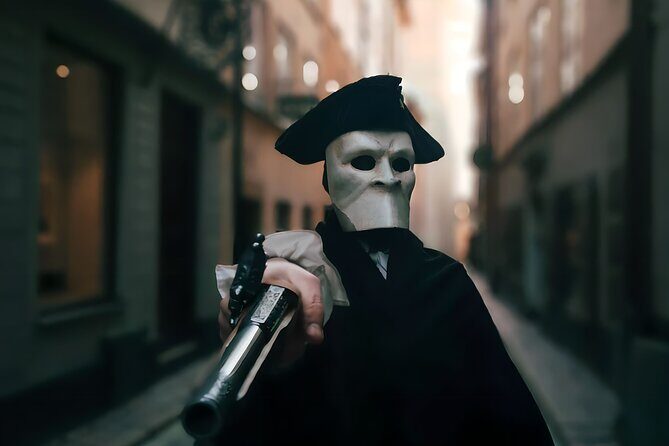
- Actors in period costume: You’ll meet performers playing famous figures and darker characters from Old Town legends.
- A tight 8-stop Old Town loop: Major squares and narrow alleys, with short stops so you keep moving.
- Plague and execution lore: The itinerary strings together the 1350 plague story and the grim world of the executioner.
- Royal Palace storytelling: You’ll hear about architect Niccodemus Tessin and the White Lady legend.
- Built for night walking: Near public transport, mobile ticket entry, and a small group cap of 35.
What This Stockholm Ghost Tour Really Feels Like
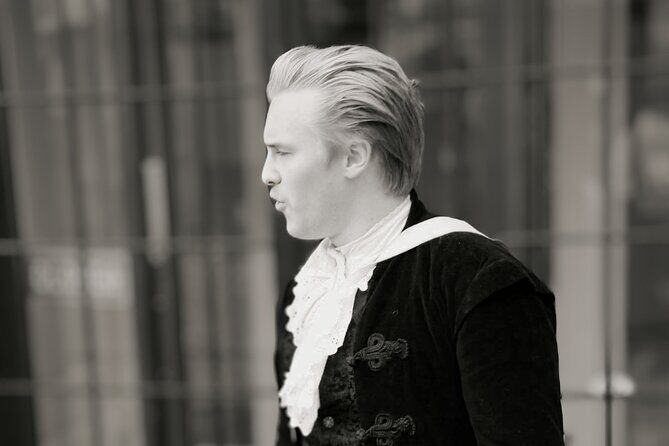
This isn’t a museum-style lecture where you stand at the back and try to picture the past. It’s a walking performance. You’re guided by someone in 18th-century costume, and along the way you get scenes acted out on location. That matters, because Stockholm’s Old Town is all narrow streets and sharp corners. The stories land better when they’re placed right where they’re supposed to have happened.
I also liked how it balances real landmarks with legend. You’re not only chased through “scary” moments. You learn what each place was used for, who had power there, and why later events left such a mark that people kept talking. The guide’s job is to connect those dots quickly, and the show part gives the history a pulse.
The “interactive” element is part acting, part conversation. You might have moments to ask questions, and you’ll also get chances to interact with the performers—especially near the end when you can take photos with characters. If you like history that you can see, not just read, this style fits well.
And yes, it’s a ghost tour. But it’s also a tour of Stockholm’s Old Town identity: markets, priests’ streets, execution alleys, and the royal world looming above it all.
You can also read our reviews of more guided tours in Stockholm


Where You Start at Köpmantorget (and How to Plan Your Night)
You meet at Köpmantorget, postal code 111 31 Stockholm. The tour begins at 7:30 pm, and it ends back at the meeting point. The timing is smart. Evening light makes the medieval streets feel even tighter, and you’re far more likely to get that “something’s happening” mood without needing to hunt for a late-night venue.
This tour is also convenient in practical ways:
- You’ll get a mobile ticket.
- It’s near public transportation.
- Service animals are allowed.
- The group is capped at 35 travelers.
The bigger planning point is clothing and shoes. There are no seats. This tour is designed for walking and standing while the guide works the story around you. Comfortable shoes matter more than you think—because your feet will be doing the heavy lifting for every “only five minutes” stop.
If you want to pair it with dinner, you can. Food isn’t included, but the operator says you can add a meal to your order and they’ll help book a restaurant with traditional Swedish dishes. If you skip the add-on, just build in time after the tour. You’ll likely be hungry once you’re done and your brain is full.
The 1-Hour Old Town Route: What Each Stop Adds
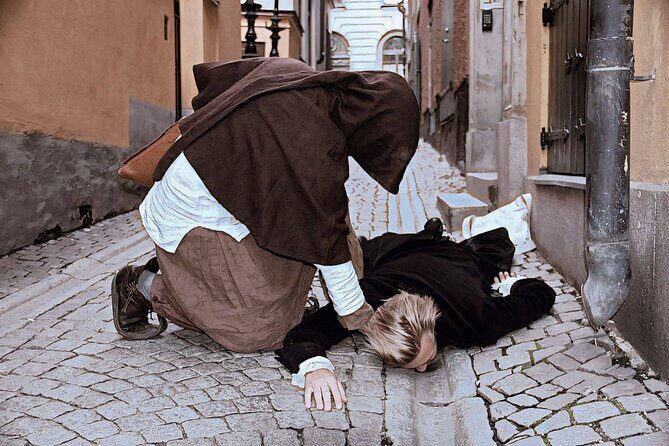
The tour moves through eight key areas. Each one is short—think about 5 minutes most places, sometimes 5 to 7 minutes. That structure is good for a first ghost tour. You see a lot without losing the thread. The tradeoff is that you won’t linger like you would on a self-guided stroll.
Here’s how the route plays out and why each stop works.
Stop 1: Köpmantorget (Old market square and the St. George theme)
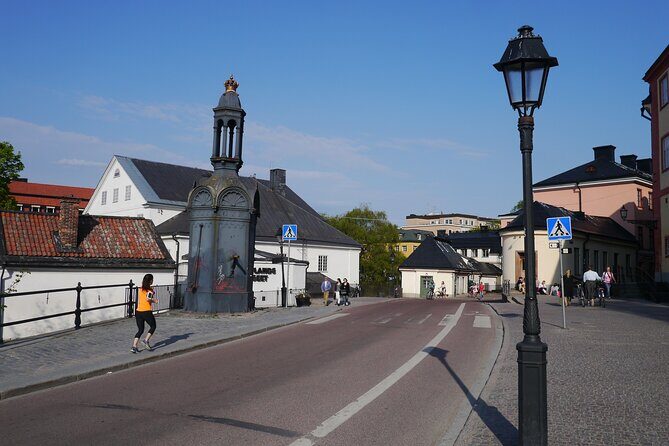
You start at Köpmantorget, an old market square that connects to Köpmangatan, Stockholm’s oldest named street, first mentioned in 1323. It was the merchant’s street—so it’s an early clue that Old Town life wasn’t just nobles and churches. People worked, traded, and built reputations here.
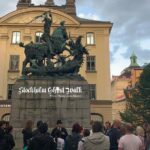
You’ll also get the famous Saint George and the dragon statue nearby. The tour uses this as a myth-style symbol for Swedish victory over the Danes in 1471. Even if you’re not a history buff, it’s a helpful way to understand how Stockholm turned political events into stories and symbols people could remember.
Why it matters: starting at a market square sets the tone that you’re walking through everyday life, not just royal castles and executions.
Stop 2: Stortorget (Stockholm blood bath setting)
Next is Stortorget, Stockholm’s most famous square. This is where the tour brings in one of the darkest moments tied to the “Stockholm blood bath” in 1520. The guide frames the story so you can picture the square as a stage—tight, public, and unforgiving.
You’ll spend about 5 to 7 minutes here. That’s enough time for the main story and the mood shift, without turning it into a long history class.
Why it matters: squares like Stortorget were where power played out in public. A ghost story feels more believable when the location is designed for spectacle.
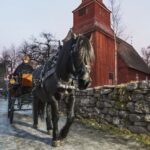



Stop 3: Prästgatan (Priests, poverty, and plague arrival)
Then you head to Prästgatan. The name comes from the Swedish word for priest, and the story links the street to the church. But it also ties into hardship: at one time, the area was described as a poor man’s district.
This stop is where the tour shifts into the plague story. You’ll hear about plague reaching the city in 1350. The goal isn’t only horror—it’s cause and effect. Old Town streets weren’t just scary in the imagination. They were vulnerable, crowded, and hard to escape when disease moved through.
Drawback to note: the plague material is intense enough that if you prefer light spooky fun over grim history, you might feel this is the darkest segment.
Stop 4: Spektens Gränd (eyewitness-style plague tales)
From Prästgatan, you continue to Spektens Gränd. Here the tour keeps the plague thread going and connects it to what’s often called the most haunted street area in Old Town. You’ll hear accounts of how haunted the neighborhood felt.
You’ll likely spend about 5 minutes. Short stops help the pace, and that’s the tour’s style: story beats, then movement.
Why it matters: narrow lanes like this work perfectly for ghost storytelling. Visibility drops. Corners jump out at you. Your brain helps the actors do their job.
Stop 5: The Old Town prison legend (Jacob Johan Anckarström)
Now you get a major “character” moment connected to Jacob Johan Anckarström, the king slayer. The tour places him in the Old Town prison context and tells you about his last days before his execution.
You’ll also hear the legend about his steps in the alleys after his execution, with the guide describing possible hauntings. This is where the tour becomes more than place-based history. It becomes person-based legend.
Why it matters: Anckarström gives the tour a through-line. The plague makes people afraid, and the execution makes fear permanent in local storytelling.
Stop 6: Helvetesgränd (Street of Hell and the executioner character)
Next is Prästgatan Helvetesgränd, which translates to street of hell. The tour says it’s still haunting and connects it to the time when the executioner lived there.
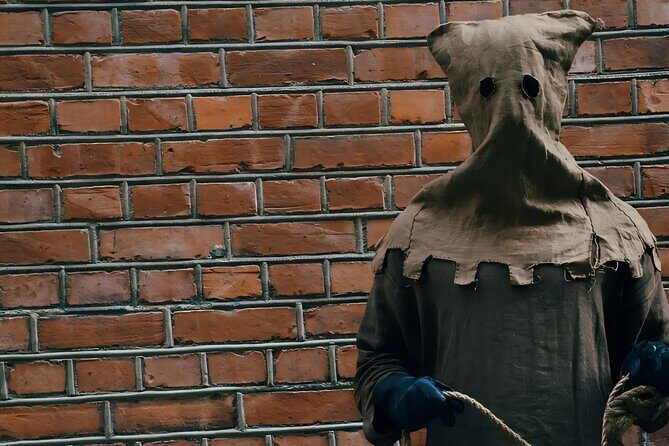
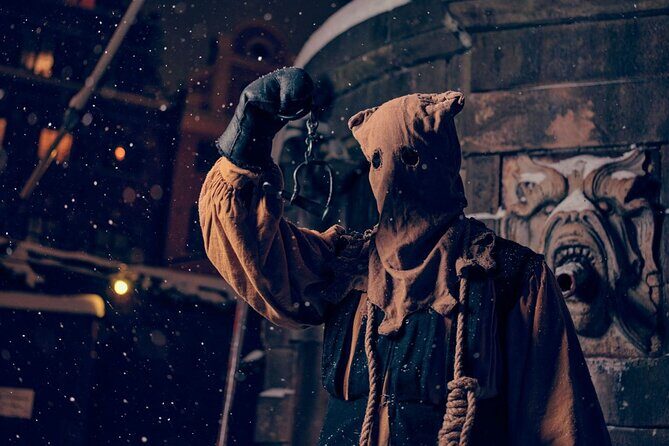
This is one of the most theatrical stops. You meet the executioner character and hear vivid stories of executions, how he became an executioner in the first place, and how that life changed him. You’ll spend about 5 to 7 minutes here.
If you like interactive performances, this is the one you’ll remember. It’s also the part that can feel the most intense, since executioner stories are inherently grim.
Stop 7: The Royal Palace area (Niccodemus Tessin and the White Lady)
Then the tour heads to the Royal Palace area for a different kind of haunting. You’ll meet architect Niccodemus Tessin—the guide frames him as hailing from the European continent—and hear stories about the royal castle and a great castle fire.
Then comes the legend that puts the fear into the royal setting: the White Lady. The guide explains how a female figure—both tied to Swedish royalty and ordinary tourists who have supposedly glimpsed her—appears on the top floor of the castle.
You spend about 5 minutes here, which is just enough for the legend without turning it into a lecture.
Why it matters: it’s a nice contrast to the executioner and plague segments. Fear doesn’t only live in the gutter. It lives in castles and family stories too.
Stop 8: Bollhusgränd end (Finnish church and the smallest iron boy statue)
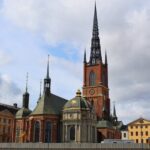
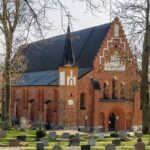
Your last stop is Bollhusgränd, at the Finnish church and near Sweden’s smallest statue. The tour ends here, and it wraps everything up with a final character legend: the little iron boy.
This stop also gives you a more relaxed moment. You can take photographs of the guide and the executioner, ask questions, and get a chance to wish for whatever you like connected to the statue legend. Expect about 5 minutes.
Why it matters: this ending gives you a handle on the whole tour. You leave with the main “ghosts” and the places that anchor them, plus a lighthearted photo moment to balance the darker content.
Actors, Audience Energy, and Why the Show Works
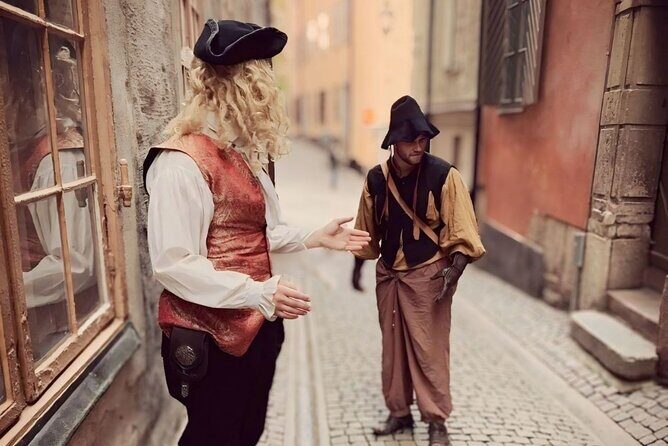
The strongest part is the casting energy. The tour uses actors to bring historical figures to life, and it doesn’t feel random. The guide handles transitions so each character fits the next street scene.
One detail I really liked: the tour isn’t just one narrator. You can have two guides who play roles from Stockholm’s history, which adds variety to the storytelling voice. In my experience with this kind of format, two-person delivery usually keeps attention up, and it also makes the interactive bits feel less like a gimmick.
Rhys (spelled as shared in guide feedback) stood out for excellent, entertaining commentary and for covering a lot of ground without losing the plot. That’s an important quality here, because the route is fast. If the guide doesn’t keep momentum, the tour can start to feel like you’re rushing between scary-looking corners. Strong guidance keeps it coherent.
Also, the costumes matter. The guide in 18th-century costume helps you accept the suspension of disbelief. When you’re standing in real locations, a costume isn’t silly. It’s a cue to your brain that you’re in the performance now, not just on a walk.
Price and Value: Is $37.32 Worth It?
At $37.32 per person, this tour sits in the mid-range for a premium guided experience in a major European capital. But here’s why it can feel like good value.
You’re paying for three things at once:
- A guide who ties the stories together.
- Multiple actor performances (not just one).
- A tightly planned Old Town route that focuses on major sites and legends.
The tour is about 1 hour, and it hits eight stops. That’s a lot for the time, especially in Old Town where self-guided wandering can turn into guesswork. A guide helps you see what you might otherwise miss, like why each street name matters and how symbols like Saint George can connect to political history.
What you shouldn’t expect at this price: long time at any one location. This is a “see-and-hear” experience. If you want to sit in one square for 30 minutes, read every plaque, and take slow photos, you’ll need extra time before or after.
The good news: the tour starts at 7:30 pm and ends where you begin, so you can smoothly build the rest of your evening around it.
Who This Tour Suits Best (and Who Might Want Another Option)
You’ll probably love this tour if you:
- enjoy night walking and can handle short stops without getting bored
- like stories that mix landmark facts with legend
- want a guided Old Town intro that doesn’t require planning every street
It’s also a great fit for couples and small groups who want something fun and atmospheric that still teaches history.
You might want to skip it (or pair it with a daytime wander) if:
- you’re uncomfortable standing for an hour (there are no seats)
- you dislike darker historical topics like plague and execution stories
- you want lots of free time for exploring on your own
The group cap of 35 is a comfort factor. It’s large enough to keep the experience lively, but small enough that the guide can still work the route without feeling lost in a crowd.
Quick Tips to Get the Most Out of It
A few practical moves will improve your experience:
- Wear comfortable shoes and plan for standing.
- Arrive early enough to feel settled before the story begins.
- Have your phone charged. You’ll likely want photos, especially near the end.
- If the plague or execution segments feel intense, just mentally switch to listening for the historical context. The guide’s role is to frame the story, not only scare.
And if you’re choosing between booking now or later: the tour is commonly booked about 33 days in advance, so earlier reservations can help if your schedule is tight.
Should You Book This Guided Ghost Tour with Actors from Stockholm?
If you want an Old Town experience that feels theatrical but still rooted in real places, I’d book this. It’s a smart mix: guided history, actor-led scenes, and a route designed to keep you moving through Stockholm’s most story-rich spots.
Book it especially if you’re the type who likes learning while you walk. The tour’s best ingredient is the pacing: short stops, clear focus, and characters you can remember afterward.
Skip it if you want comfort and slow wandering. This tour is built for standing, moving, and absorbing fast.
FAQ
FAQ
How long is the ghost tour?
The tour lasts about 1 hour.
Where does the tour start, and where does it end?
It starts at Köpmantorget, 111 31 Stockholm, Sweden and ends back at the meeting point.
What time does the tour begin?
The start time is 7:30 pm.
How much does the tour cost?
The price is $37.32 per person.
Do I need to print a ticket?
No. You’ll use a mobile ticket.
Is there seating during the tour?
No. There are no seats, and you explore on foot.
Is the tour limited to a certain group size?
Yes. It has a maximum of 35 travelers.
Is food included?
Dinner is not included. You can add food and the operator will make a booking for traditional Swedish dishes.
Is it free to cancel if plans change?
The tour offers free cancellation, with full refund if you cancel up to 24 hours before the experience’s start time.