REVIEW · GOTHENBURG
Make Your Own Tour – Guided Walking Tour
Book on Viator →Operated by Goteborg Walking Tours · Bookable on Viator
Gothenburg rewards slow walking. This private, English-speaking walking tour helps you see the city on foot while your guide keeps the pace and route aligned with your interests. You also get the practical freedom to set timing so the walk feels like yours, not a rigid checklist.
Two things I really like: the mix of major landmarks and quirky stops (cathedral, market halls, fish market, plus oddball sights like Tomtehuset), and the fact that so many stops are free to enter. One consideration: the tour is weather-dependent and is still a solid 1 hour 30 minutes to 2 hours of walking, so plan for layers and comfortable shoes.
In This Review
- Key reasons to choose this Gothenburg walking tour
- Why a flexible walking tour beats a rigid bus day
- Price and what $735.72 per person buys you
- Gustav Adolf’s Square to Domkyrkan: where Gothenburg’s story starts
- What to expect here
- A practical tip
- Stora Saluhallen and the Karl IX statue: markets meet monuments
- Why this pairing works
- Consideration
- Queen Christina’s hunting lodge and Feskekorka fish-market energy
- How to make this stop work for you
- A subtle warning
- Akademibokhandeln to Masthuggskyrkan: from 19th-century connections to big views
- Why your guide’s pace matters here
- Practical note
- Haga Nygata, Haga Church, and Tomtehuset: the district you slow down in
- How to handle the fika time
- Gotaplatsen and Poseidon: the iconic finish with motion still in you
- Why this ending works
- Who should book this Gothenburg private walking tour
- Should you book it?
- FAQ
- How long does the Make Your Own Tour guided walking tour take?
- Where does the tour start and end?
- Is the tour offered in English?
- Are there entrance fees included for museums or attractions?
- Is coffee or tea included?
- What’s included in the price besides the guide?
Key reasons to choose this Gothenburg walking tour
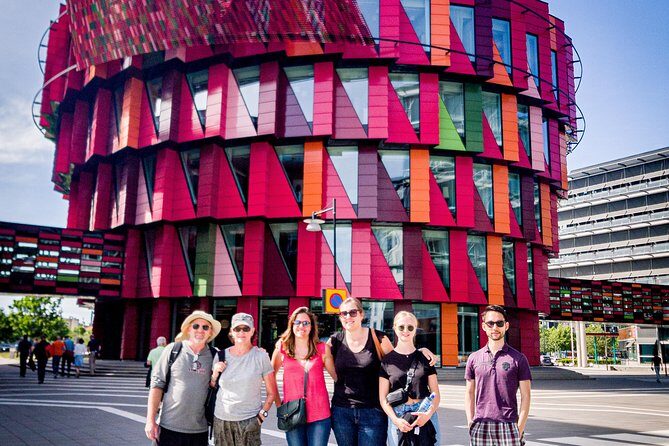
- A private guide who adapts to your pace (and keeps the route feeling personal)
- Free landmark stops that let you sightsee without constant ticket decisions
- Food-focused moments at Stora Saluhallen and Feskekorka, with time to browse and choose
- A dedicated viewpoint stop at Masthuggskyrkan with time to look over the city
- Fika timing built into the Haga district stretch, so you can actually take a break
- Odd Gothenburg details like Queen Christina’s hunting lodge and Tomtehuset
Why a flexible walking tour beats a rigid bus day
Gothenburg is a city that makes sense when you’re moving. Streets connect in a way that feels human scale, and the best stuff often lives in the details: an old façade, a statue you would miss at speed, or a market hall that only fully clicks once you’re standing inside.
This experience is designed around that reality. It’s private, so you’re not stuck following a crowd. And because you can tailor the itinerary, you’re not forced to rush through the bits you don’t care about. You get a clear route to follow, but your guide can adjust the emphasis—more time on views, less time on photos, or extra minutes where you want context.
Also, it’s an easy win for first-timers. You cover founding-era landmarks early, then slide into markets, churches, and neighborhoods with distinct personalities—without feeling like you’re sprinting across town.
You can also read our reviews of more walking tours in Gothenburg


Price and what $735.72 per person buys you
At $735.72 per person, this isn’t the cheapest way to get around Gothenburg. So you’ll want to think of it as paying for three things:
- Personal guidance instead of a generic audio track
- Time efficiency (you hit the right areas in the right order)
- Flexibility—because your guide can shift to what you find interesting
The value gets better when you travel with family or a group. Children and infants join for free, and group discounts are offered. Plus you get a mobile ticket, which makes day-of logistics simple.
If you’re the type of traveler who likes knowing why a place looks the way it does—rather than just collecting photos—this format often feels worth it. If you mostly want to wander independently and you’re comfortable reading guide signs, you might feel the cost more.
Gustav Adolf’s Square to Domkyrkan: where Gothenburg’s story starts
Most tours in Gothenburg start with you getting your bearings, and this one begins exactly where that should happen: Gustav Adolfs torg (Gustav Adolf’s Square). The square is anchored by the founding father in statue form, and it’s a good “reset point.” You start with the main idea of the city: origins, identity, and a central public space that still matters.
From there you walk to Göteborg Domkyrkan, Gothenburg’s oldest cathedral. This stop matters because churches here aren’t just buildings; they’re tied to tough local history. You’ll get context that helps you read the structure and its role, not just admire the exterior. Even if you don’t go inside for long, the story behind it gives you something to hold onto during the rest of the walk.
What to expect here
- Short stops at the city’s foundational points
- Enough time to look around without dragging
- Context that helps you understand why later neighborhoods feel different
A practical tip
Keep your questions for early in the tour. Ask about what you should notice as you move from square to markets to hillside churches—your guide can shape your attention fast.
You can also read our reviews of more guided tours in Gothenburg




Stora Saluhallen and the Karl IX statue: markets meet monuments
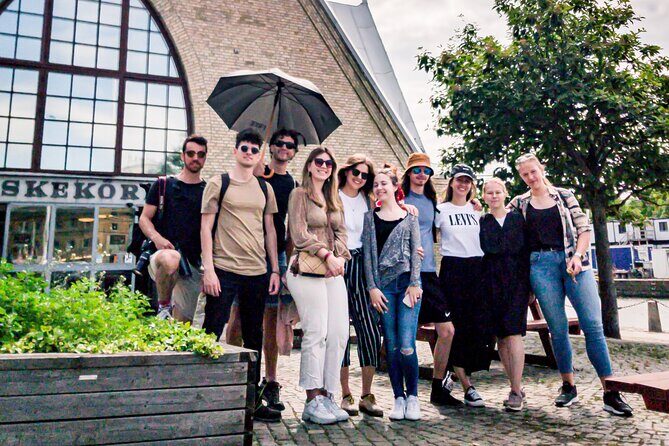
After the cathedral, the tour shifts gears—still central, but now into daily life with Stora Saluhallen. This market hall is the place to notice how Gothenburg eats. You get time to look around and choose what you want to try, with Swedish delicacies available if you feel like snacking. Even if you skip purchases, it’s worth it just to see how food culture lives in a historic indoor setting.
Then you move toward the Equestrian Statue of Karl IX, a spot that connects the city’s older defensive layout to its later civic identity. The statue isn’t just a photo moment; it helps you imagine where the city walls once were and how Gothenburg grew beyond them.
Why this pairing works
This is a smart flow: you go from origin stories (square and cathedral) to “how people live” (market hall), then back to “where power and protection used to sit” (Karl IX). Your brain keeps building a map.
Consideration
Market halls are great, but they can also tempt your wallet and your stomach. If you prefer to control spending, set a small snack budget before you arrive and stick to it.
Queen Christina’s hunting lodge and Feskekorka fish-market energy
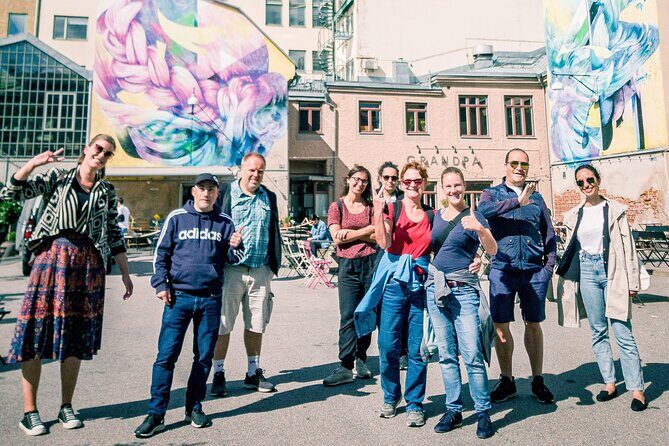
Next come two very Gothenburg-feeling stops: Drottning Kristinas Jaktslott and Feskekorka.
Queen Christina’s Hunting Lodge adds a streak of oddness and myth. The area is known for stories, and a good guide helps you separate what’s legend from what’s likely, so you’re not just hearing random trivia. This is the kind of stop that makes your walk feel more alive—less postcard, more local character.
Then you hit Feskekorka, one of Gothenburg’s best-known landmarks and the home of a famous fish market. Here, you’ll feel the city’s seafaring DNA immediately. Even if you don’t buy anything, the place has energy: vendors, smells, and the straightforward fact that fish is a big deal here.
How to make this stop work for you
- If you’re hungry, this is a good moment to grab something simple.
- If you’re not, browse with a plan: pick one thing to look for, then keep walking.
A subtle warning
Fish markets can be intense for some people, especially close-up. If you’re sensitive to strong smells, position yourself near the edges first.
Akademibokhandeln to Masthuggskyrkan: from 19th-century connections to big views
After the fish-market stretch, the tour moves into another layer of Gothenburg: Akademibokhandeln. This site was once a major connection point of the city in the 19th century, and now it functions differently—more nightlife and coffee-café life. It’s one of those stops where you can feel the city evolving while the street still holds its older purpose.
Then comes one of the best payoffs of the whole walk: Masthuggskyrkan. You get time here—about 30 minutes in the plan—so it’s not just a quick look-and-go. You’ll also get the reward that matters most on a city walk: a view over Gothenburg. Even if you’re not a panoramic superfan, the ability to step back and understand the layout makes the rest of the tour snap into place.
Why your guide’s pace matters here
A longer stop at a viewpoint is where a private guide earns their keep. You can adjust how long you spend inside versus outside, and your guide can point out what you’re seeing from where you stand.
Practical note
Bring a layer. Church-hill weather can feel different than the streets below, especially in windier conditions.
Haga Nygata, Haga Church, and Tomtehuset: the district you slow down in
The tour’s mood shifts as you head to Haga Nygata, a well-known district with a darker side to its past. This stop is great because you’re not just learning pretty-street facts—you’re seeing how neighborhoods carry history in their layout and atmosphere. And it’s specifically set up for a break.
You get time here (around 35 minutes) for a Swedish fika. This is one of those built-in, practical parts of the tour that makes it feel like living like a local for a moment, not just sightseeing.
From there you visit Haga Church, described as the first neo-gothic church of the area, with a beautiful wooden interior. Even a short look helps you notice how materials and design create a different kind of quiet than stone-only churches.
Then you get the fun oddity: Tomtehuset, right by the street. This kind of stop is why I love guided walking tours in older cities. It adds personality without turning into a museum assignment.
How to handle the fika time
Plan it like this: pick your fika spot based on where you want to be after you eat. If you want to linger, choose somewhere close to your next walk direction so you don’t lose time zig-zagging through side streets.
Gotaplatsen and Poseidon: the iconic finish with motion still in you
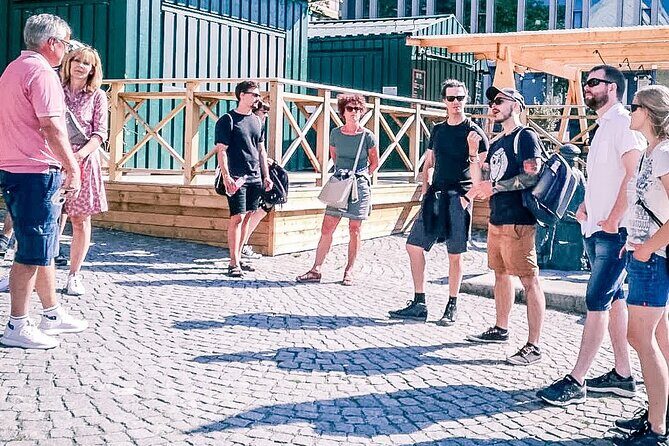
Finally, you arrive at Gotaplatsen, the place for Poseidon—a landmark that locals and visitors both recognize. This is a good closing stop because it’s public, open, and active with things to do around it.
The route ends back where it starts: Gustav Adolf’s Square. That matters more than you’d think. When you finish near your starting point, you don’t end your day in transit limbo. You can decide what you want to do next—late lunch, an extra short walk, or just a comfortable return.
Why this ending works
After 1.5 to 2 hours of history, markets, and hill views, it’s smart to end somewhere iconic but still easy to navigate. Poseidon at Gotaplatsen is that kind of punctuation.
Who should book this Gothenburg private walking tour
I’d recommend it if:
- You want a guided walk but still like room to move at your pace
- You’re visiting Gothenburg for the first time and want the main areas covered quickly
- You care about local storytelling—how places link together (founding sites to markets to districts)
- You enjoy food stops but don’t need a formal guided tasting
I’d think twice if:
- You’re not comfortable with walking for about 90–120 minutes
- Weather is a big issue for you, since the experience requires good conditions
- You’re traveling extremely budget-first and want everything at zero cost (many stops are free, but food and optional museum entrances aren’t)
One more note: the guide style is a big part of the experience. Christina is highlighted as on time, friendly, and well-informed, with a plan that matches your interests. If you like interaction—good questions, natural explanations—that’s a plus.
Should you book it?
Book it if you want a private, flexible Gothenburg walking tour that mixes big landmarks with practical city texture. The price can feel steep, but you’re paying for time efficiency, context, and customization, not just footsteps.
I’d skip it if you prefer to roam completely on your own with zero guiding involved. But if you want the kind of day where you leave feeling you actually understood Gothenburg—square to cathedral to fish market to Haga fika—you’re likely to enjoy this route.
FAQ
How long does the Make Your Own Tour guided walking tour take?
It takes about 1 hour 30 minutes to 2 hours.
Where does the tour start and end?
It starts at Gustav Adolf’s Square in Nordstaden, Göteborg, Sweden, and it ends back at the meeting point.
Is the tour offered in English?
Yes, it’s offered in English.
Are there entrance fees included for museums or attractions?
Entrance fees for museums are not included. The listed stop admissions are free, but optional museum visits would be extra.
Is coffee or tea included?
Coffee and/or tea is not included.
What’s included in the price besides the guide?
You get a private tour guide who adapts to your wishes, plus children and infants join for free. Public transportation tickets are not included.