REVIEW · KIRUNA
Kiruna Northern Lights Tour with Photographer
Book on Viator →Operated by Lights of Vikings · Bookable on Viator
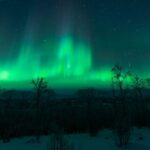
One night under a cold sky changes how you see the world. This Kiruna northern lights tour is all about the chase, with a guide and photographer working together to get you under the clearest aurora sky possible. You start in town, then shift to Abisko if conditions look promising.
Two things I really like: the small group (max 7) and the focus on photos. You get snacks plus coffee/tea to keep you steady while you wait, and the photographer is there to help you with shots, not just take them.
One drawback to consider: you’re out in Arctic winter conditions and you may have to walk on snow and deep drifts in the dark, so a moderate fitness level really matters.
In This Review
- Key things that make this tour work
- Kiruna’s Aurora Hunt: What You’re Really Buying
- How the 7:00 pm Pickup Actually Works (So You Don’t Miss the Van)
- Stop 1: Kiruna for the Early Clear-Sky Check
- Stop 2: Abisko When the Weather Holds
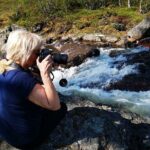
- The Photographer Part: Why This Tour Feels Different
- Warmth, Snacks, and the Fire Stop That Saves the Night
- Walking in Snow: The Physical Reality (And How to Prepare)
- Duration and Timing: Why 4 to 6 Hours Usually Feels Like More
- Price: Is $223.72 Good Value for This Aurora Setup?
- Who This Tour Is Best For
- Should You Book This Kiruna Northern Lights Tour?
- FAQ
- What time does the Kiruna northern lights tour start?
- How long is the tour?
- Is pickup available?
- Does the tour include snacks and drinks?
- Is dinner included?
- Is this tour offered in English?
- How large is the group?
- Is the tour recommended for children?
- What happens if the weather is poor?
Key things that make this tour work
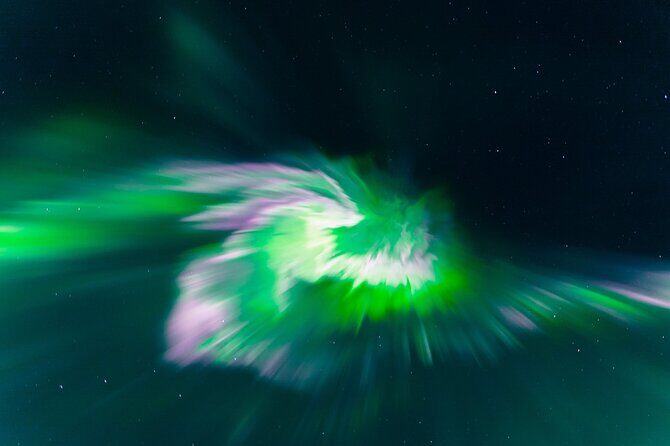
- Kiruna to Abisko strategy: the plan shifts based on weather and aurora conditions.
- Photographer-led memory making: you’re not left to fumble with your phone in -25°C weather.
- Pickup that reduces friction: start at your hotel area with clear pickup rules and a short wait window.
- Warmth breaks are built in: snacks, hot drinks, and a fire stop keep the evening humane.
- Small group focus: fewer people means you can actually hear what’s happening and move together.
Kiruna’s Aurora Hunt: What You’re Really Buying
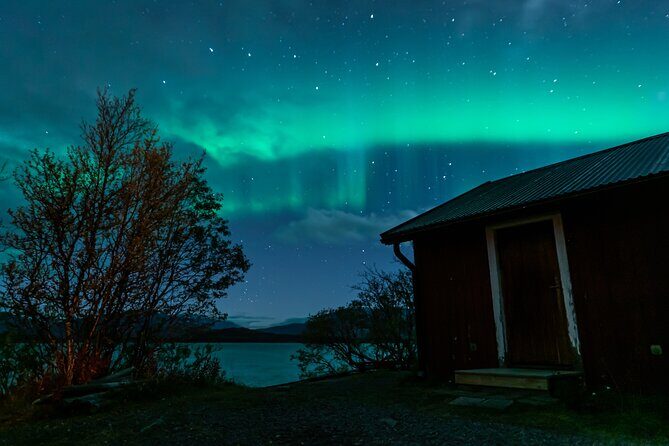
You’re paying for two things here: (1) time in the right place at the right moment, and (2) help staying warm and getting good photos when the lights finally show up.
This tour runs about 4 to 6 hours and starts at 7:00 pm, which is smart. In winter, the evening is when the sky is dark enough for aurora, and you’re not wasting the first part of the night watching nothing happen. The guides then “chase” conditions—because northern lights are a weather game as much as an astronomy game.
The value is also in the small scale. With a maximum of 7 travelers, it feels like a real hunt team rather than a big bus excursion where you lose track of where everyone is. That matters when you’re moving from spot to spot searching for clear sky and low light pollution.
You can also read our reviews of more photography tours in Kiruna
How the 7:00 pm Pickup Actually Works (So You Don’t Miss the Van)
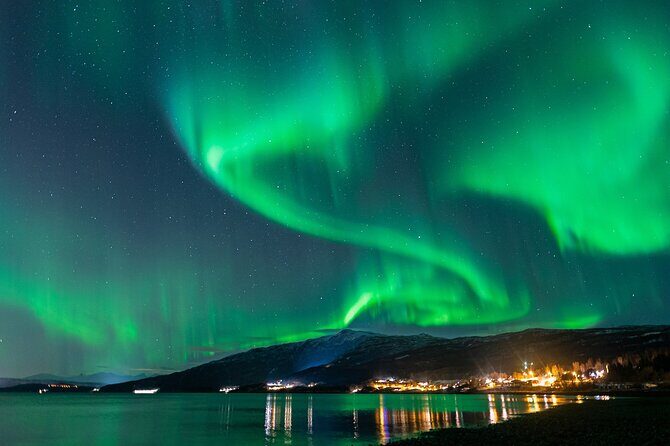
Logistics make or break cold-weather tours. This one is very explicit about pickup rules, and that’s good for you.
- You’re asked to wait outside your hotel at the designated pickup time, not inside reception.
- There’s a 5-minute waiting period. If they can’t reach you, they may leave to keep other pickups on schedule.
- If you’re staying at Best Western Arctic Eden, pickup is in front of Arctic Thai (because the hotel isn’t reachable by their car).
- If you’re staying at Elite Frost Hotel or Scandic, pickup is at the Kiruna Tourism Office (Malmvägen 9B), about a 200m walk.
- Pickup isn’t available for certain stays like Airbnb, Camp Alta, Aurora Camp Kurravaara, or Reindeer Lodge. In that case, you meet at the designated pickup points.
Also: it’s offered in English, it uses a mobile ticket, and it’s near public transportation—so even if you’re not in one of the exact pickup zones, you can usually still meet the group without chaos.
Stop 1: Kiruna for the Early Clear-Sky Check
The first move is in Kiruna, where your guide meets you and the chasing starts right away.
This stop is basically your launchpad. Even though Kiruna isn’t a “perfect always” aurora location (the sky can be cloudy or smoky with weather), it’s the place to get organized: everyone gets briefed, you settle into the plan, and then the team starts watching for changes. When the aurora is active, those early minutes matter.
What you’ll likely notice during this phase is how the guides think like photographers and sky watchers at the same time. In multiple experiences, people mention guides and photographers being attentive about where to stand and when to move, which makes sense here: the goal is to avoid dead time and get positioned for a breakthrough.
A small practical note from the bigger picture: even if you’ve got the right spot, winter still has tradeoffs. You’ll want proper outer layers, gloves you can actually use, and footwear with grip. More on that later.
Stop 2: Abisko When the Weather Holds
If Abisko looks good for aurora viewing that night, the guide drives there. This is the second major phase of the hunt and the one you’re hoping will “cash in” the whole evening.
Abisko is treated like the better-weather bet. The idea is simple: you can be chasing all night, but if clouds roll in, you’re just staring at gray. So the guide uses what the conditions are telling them and moves the group to where the sky has the best chance to open up.
Some nights are also about finding the right backdrop. A few accounts mention spots with mountains or a lakeside feel—backgrounds that make aurora photos look dramatic instead of flat. Even if you don’t care about photography, a good viewpoint changes the whole experience: it’s the difference between seeing lights and feeling like you’re inside a moving sky show.
And yes, there’s always a reality check: not every night is perfect. One of the most honest pieces of advice you’ll hear for aurora tours is to expect the weather to be the boss.
The Photographer Part: Why This Tour Feels Different
This is a northern lights tour, but it’s also a photo tour. That’s why the name includes a photographer, and it shows up in how people describe their experience.
What I like about this setup is that the photographer isn’t an afterthought. The team helps you get set up so you’re not doing the classic: hold phone up, fumble with settings, miss the moment. People describe receiving multiple photos and getting them sent after the tour, with some mentioning delivery a couple days later via Dropbox.
Another thing that comes through: patience. When aurora activity shifts, the best shots often come from waiting through the lull and responding quickly when the sky starts moving again. Accounts highlight guides and photographers adjusting spots, helping pose, and taking enough time to get results, not rushing everyone through.
If you care about photos, this alone can be worth it—because in the Arctic, your hands get cold fast, and your best camera is the one you can use comfortably without turning the night into a tech demo.
Warmth, Snacks, and the Fire Stop That Saves the Night
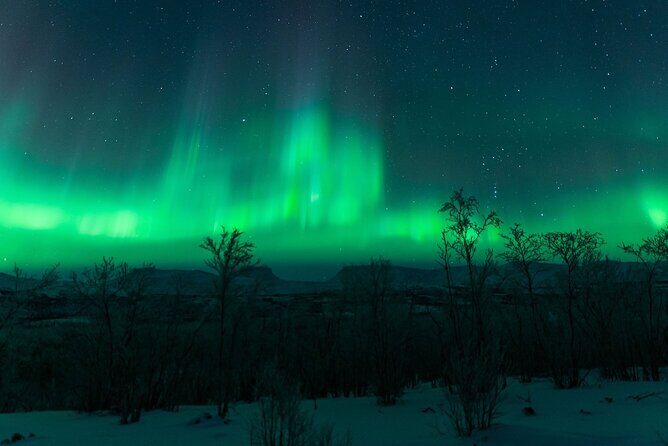
This tour includes snacks plus coffee and/or tea, and you’ll feel that the moment you’re standing outside waiting for the sky to cooperate.
Food matters because you’ll be out longer than you expect in cold darkness. Warm drinks help you stay functional; snacks stop the “I’m freezing and my body is done” spiral. People also mention cozy pauses around a campfire during the hunt—an important psychological reset when you’re bouncing between cloudy frustration and sudden sky fireworks.
Also, several descriptions mention warm snow suits/extra layers being provided. That’s huge. Even if you’re a competent cold-weather person, aurora nights can include long stretches of stillness, and “cold but okay” can turn into “cold and useless” if you’re underdressed. Overalls/suits reduce that risk.
If you’re wondering what to bring yourself: dress for walking on snow and being still. You want warm layers you can move in, and gloves that won’t make you take them off to use your camera.
Walking in Snow: The Physical Reality (And How to Prepare)
The tour notes moderate physical fitness and also says it’s not recommended for younger than 15.
Why? Because even when the plan sounds simple—drive, park, walk, view—winter adds friction:
- You may walk on snow in pitch-black conditions.
- Some nights can involve deep snow, including areas that are tricky underfoot.
- Small-group movement can still mean uneven footing.
One very practical tip that comes up is footwear. A reviewer suggested investing in good snow shoes, which is a good hint that ordinary boots might not be enough on deep drifts. If you already own traction gear that works well in snow, bring it. If you don’t, think about rentals or alternatives so you’re not spending your energy fighting the ground instead of watching the sky.
Duration and Timing: Why 4 to 6 Hours Usually Feels Like More
On paper, it’s 4 to 6 hours. In real life, it can feel longer because the experience has phases: pickup, driving, scanning the sky, waiting, moving again, warm drink pauses, then the ride back.
Starting at 7:00 pm also shapes your whole evening. You’re committing to the dark, which is what you need for aurora visibility, but it also means you’ll lose the comforting visual cues you get in daylight. That’s why the small group and the guided coordination matter.
If the weather is poor, the tour’s goal is still to find a sky break. Some nights you may end up adjusting locations, and that’s part of why the tour is designed as a chase instead of a single fixed viewing spot.
Price: Is $223.72 Good Value for This Aurora Setup?
At about $223.72 per person, this isn’t a bargain, but it’s not random pricing either. Here’s what you’re actually getting for that cost:
- Pickup offered (for multiple hotel zones), which saves you the hassle of getting around in the dark and snow.
- Snacks and coffee/tea included, so you don’t have to plan food during a cold evening.
- A photographer included, which changes the output you take home.
- The group size is capped at 7, meaning more attention and less waiting around in a crowd.
- In winter, the difference between an okay night and a great night often comes down to gear and timing. This tour is built for that.
If you compare value using your personal priorities, it becomes clear:
- If you want aurora plus great photos, the photographer component makes the price easier to justify.
- If your biggest priority is just being outside with a basic lookout and you’re fine with phone photos, you might feel the cost is higher than you need.
My take: for couples, photographers, and anyone who wants a smooth evening without micromanaging the logistics, the price feels more defensible.
Who This Tour Is Best For
This tour fits best if you want a guided, photo-friendly aurora night with a small team and clear structure.
You’ll likely enjoy it if:
- You’re traveling in the evening and want pickup to reduce friction.
- You care about photos and want help getting them in Arctic darkness.
- You’re okay with some cold exposure, standing still, and possible walking on snow.
You may want to think twice if:
- You’re not comfortable walking on snowy ground in low light.
- You want a completely guaranteed aurora show (northern lights depend on conditions, not willpower).
Should You Book This Kiruna Northern Lights Tour?
If you want the best odds and you want your night handled—driving, positioning, warmth breaks, and a photographer ready for the moment—then yes, it’s a strong choice.
I’d book it if:
- You’re excited about photos and don’t want to spend the night fighting with camera settings.
- You want a more personal experience with a small group.
- You’re comfortable dressing for real winter and standing around while the sky decides.
I’d hesitate if:
- You dislike walking on uneven snow in the dark.
- Your plan depends on guaranteed clear skies.
Given the combination of aurora chasing plus a dedicated photographer, this is the kind of tour that turns a single night into real memories you can look at later.
FAQ
What time does the Kiruna northern lights tour start?
It starts at 7:00 pm.
How long is the tour?
The tour runs about 4 to 6 hours.
Is pickup available?
Yes, pickup is offered, but it varies by where you’re staying. You’ll need to follow the listed pickup points and be waiting outside at the designated time.
Does the tour include snacks and drinks?
Yes. Snacks and coffee and/or tea are included.
Is dinner included?
No, dinner is not included.
Is this tour offered in English?
Yes, it’s offered in English.
How large is the group?
The tour has a maximum of 7 travelers.
Is the tour recommended for children?
It’s not recommended for guests younger than 15 years old.
What happens if the weather is poor?
This experience requires good weather. If it’s canceled due to poor weather, you’ll be offered a different date or a full refund.