REVIEW · KIRUNA
Kiruna: Northern Lights Tour with Stejk Street Food Dinner
Book on GetYourGuide →Operated by Stejk Street Food · Bookable on GetYourGuide
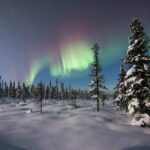
Northern lights hunting starts with street food.
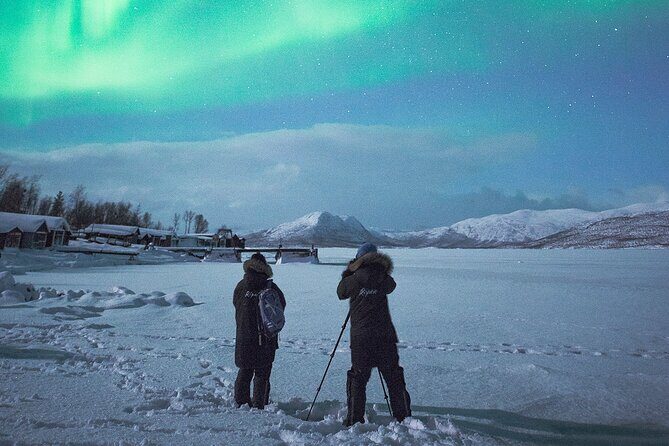
I like this tour because it begins with a real, tepee dinner at Stejk Street Foods in Kiruna’s old city, not just a quick snack before the long wait. Then the evening turns into a guided aurora chase where the Aurora Borealis forecast and cloud changes steer every move. One thing to keep in mind: the lights are never guaranteed, and if weather is rough (fog/clouds), the plan can shift and the tour may keep moving until late.
The vibe is practical and warm. You’ll get warm lingonberry juice and gingerbread up front, plus snacks during the drive, and guides often help people stay comfortable with provided cold-weather gear. The downside is simple: you need to dress for Arctic cold, because you’ll be outside waiting for the sky to cooperate.
In This Review
- Key things I’d prioritize before you go
- Stejk Street Food tepee: the warm kickoff in Kiruna
- The Aurora chase: how guides use forecast to move fast
- Food details: reindeer, moose, lingonberry juice, and gingerbread
- Cold-weather comfort: what to wear and what’s provided
- Pickup, timing, and the 6-hour flow in real life
- Price and value for $158 in Norrbotten County
- Who should book, who should skip, and main limits
- Should you book this Stejk + Aurora night tour?
- FAQ
- How long is the Kiruna Northern Lights tour with Stejk Street Food?
- Where does the tour start?
- Is pickup included?
- What food and drinks are included?
- Is the Northern Lights guaranteed?
- Can children join the tour?
- Do you provide winter jackets and boots?
- Is the tour wheelchair accessible?
Key things I’d prioritize before you go
- Stejk Street Foods in a tepee: dinner is part of the plan, not an add-on.
- Forecast-led movement: your guide uses the latest weather and aurora outlook to decide where to stop next.
- Abisko-level options from Kiruna: you explore the Kiruna–Abisko–Lapland area and may head farther if conditions call for it.
- Warm drinks and sweet snacks: lingonberry juice and gingerbread kick off the night.
- Flexible finish time: you usually end around midnight, but chasing can run longer if aurora activity shows up.
Stejk Street Food tepee: the warm kickoff in Kiruna
This is the kind of northern lights tour that understands a basic truth: waiting in the dark gets miserable fast unless you start warm. You meet in Kiruna’s old city at Stejk Street Foods, at the famous food truck and tepee setup. It feels like someone planned your evening around comfort, not just spectacle.
Inside the tepee, the dinner is local and hearty. Think warm, filling food that works with cold hands and cold air. I like that the guide uses this time to get everyone ready for what comes next. You’re not just eating and hoping. You’re getting oriented to the night: where you might see the lights, what weather is doing, and how the hunt will run.
A big reason this start works so well is pace. By the time you’re driving out to chase aurora, you’re already fed. That means you can focus on the sky, not on whether you’ll be starving at hour two.
You can also read our reviews of more tours and experiences in Kiruna.
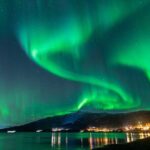
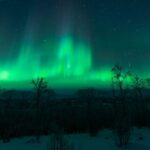
The Aurora chase: how guides use forecast to move fast
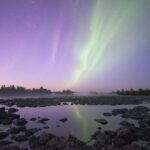
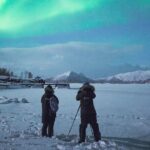
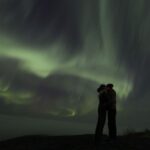
After dinner, you follow your guide into the Kiruna region in a car or van. The goal is straightforward: increase your chances by driving to spots with better conditions. The tour is built for movement—if aurora is visible, you stay. If it fades behind clouds or fog, you shift locations.
That’s where the local guidance matters. Guides bring the mindset of an aurora hunt, not a museum trip. The evening is guided by what the sky and weather are doing in real time, with your leader sharing the latest forecast during the night.
This is also why the tour is described around the Kiruna–Abisko–Lapland area. Kiruna can be clear one moment and hazy the next. Guides may adjust toward better visibility zones in the broader region, and that flexibility can make the difference between faint lights and a proper show.
In practical terms, you should expect short waits, then longer looking when conditions improve. Your guide also keeps morale up during the cold stretches. In past evenings, guides like Hanna, Gonzalo, Jonas, and Per have been singled out for staying upbeat and proactive when the weather didn’t cooperate at first. Even if you don’t get a dramatic start, the plan is designed to keep pushing toward better skies.
Food details: reindeer, moose, lingonberry juice, and gingerbread
Let’s talk about the part people remember besides the aurora: the food. Stejk Street Foods is known for serving big, warm portions in a cozy tepee environment. Based on what you’ll experience on the tour, expect dishes built around local ingredients, with reindeer and moose appearing in the typical menu set.
You’ll also get warm drinks that make the wait easier. Lingonberry juice is included, and it’s a smart choice in this climate—sweet, warm, and comforting when you’re standing outside. Gingerbread is included too, plus snacks during the drive.
Why this matters: in Arctic weather, comfort isn’t a luxury. It’s part of your ability to stay outside long enough to see what the sky decides to do. A tour that feeds you well gives you patience. A tour that doesn’t often turns into people shuffling their feet and checking their phone every five minutes.
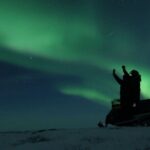
One more note: this isn’t a pure adrenaline “chase for the fastest photo” setup. It’s more about enjoying the lights with enough warmth and breaks to stay present. Guides sometimes add little warmth moments along the way—like fire pauses—when the night and safety conditions allow.
Cold-weather comfort: what to wear and what’s provided
Dress for real winter. You’ll be outside enough that normal city cold-weather gear won’t cut it. The tour guidance is simple: bring warm clothing suitable for Arctic conditions. Layers are your best friend: base layer, insulating layer, and a windproof outer layer.
The good news is that the operator provides winter shell jackets and winter boots if you need them. That’s a big practical advantage if you’re traveling light or forgot something at home. Reviews also highlight how much this helps people actually enjoy the night instead of spending it fighting numb feet and freezing hands.
Still, don’t treat provided gear as magic. It helps, but your own system matters too. I’d add:
- warm socks you trust
- gloves you can move in (not just thin “fashion” ones)
- a hat that covers your ears
- pocket warmers if you run cold (a common tip from people who’ve done the tour)
Comfort also affects how long you can stand still and watch. The aurora can be faint at first. Being able to wait without rushing is a real edge.
Two small “know before you go” points from the tour rules:
- Smoking is not allowed in the vehicle.
- Alcoholic drinks are not allowed in the vehicle.
Pickup, timing, and the 6-hour flow in real life
This tour runs about 6 hours. You’ll start in the evening, eat dinner in Kiruna, then drive to aurora-hunting spots with your guide. The tour typically ends around midnight back in Kiruna city, but the guide may chase a bit longer if aurora activity looks promising.
That timing flexibility is worth understanding. You’re not buying a guaranteed schedule of lights. You’re buying a guided attempt using forecast and movement. If the aurora shows up late, your group may extend the night so you can actually see it.
Pickup is included from specific hotel locations in Kiruna City. You’ll want to be ready to meet your guide at the start point (waiting inside or just outside as instructed). The tour is English-guided, so you can ask questions about what you’re seeing and what the sky is likely to do next.
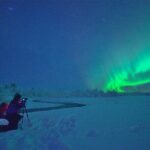
One more realism note: this is not an aurora photography workshop. You can bring your phone and camera, and a guide may share practical viewing ideas, but the main focus is on aurora watching rather than camera settings and formal instruction.
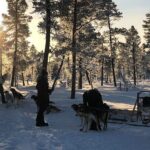
Price and value for $158 in Norrbotten County
At $158 per person, this is not a “cheap and cheerful” activity. But it also isn’t just a generic van ride. You’re paying for several things bundled into one night:
- dinner at Stejk Street Foods (in the tepee setting)
- warm drinks (lingonberry juice), gingerbread, and snacks
- an experienced local guide
- live weather and aurora forecast guidance
- pickup and drop-off within Kiruna City
- winter shell jackets and boots if needed
When you price it out the usual way—food + a guided aurora hunt + cold-weather gear support + transport—it starts to make more sense. You’re essentially buying one guided experience that handles comfort and logistics, so you can concentrate on the sky.
The biggest “value” question isn’t the lights—it’s whether you’ll actually be warm and calm enough to wait. This tour is built for that, and the tepee dinner start is a strong part of the value equation.
Just be honest about the main trade-off: northern lights aren’t guaranteed. The tour rules note no refund for poor visibility conditions like too many clouds, since this is a natural phenomenon.
Who should book, who should skip, and main limits
This tour is a great fit if you want an aurora experience that feels grounded and warm, not rushed. It’s especially good for people who:
- don’t want to drive themselves in Arctic conditions
- want a guided night plan built around forecast changes
- appreciate local food and a comfortable start before going outside
It may not be the best fit if:
- you need wheelchair accessibility (the tour is not suitable for wheelchair users)
- you’re traveling with children under 12 (toddlers/children cannot join)
- you have a fur allergy: the vehicles are not suitable for guests with fur allergy. Service animals are allowed.
If you’re traveling with kids, the operator’s guidance is to contact them for a private tour solution. That’s the route if you want an aurora plan that fits your family’s needs.
Also, go with the right expectations. This isn’t a pure “camera gear” tour. It’s more about seeing the lights, learning what you’re looking at, and staying warm enough to enjoy the show when it arrives.
Should you book this Stejk + Aurora night tour?
I’d book it if you want the classic Kiruna northern lights night with one clear advantage: you start with a real dinner in a tepee and then you get a guided aurora chase that adjusts when the sky changes. The combination of forecast-led movement, warm drinks, and comfort-focused planning makes it a practical choice for a first (or repeat) aurora trip.
Skip it only if the idea of cold, outdoor waiting sounds miserable, or if you need accessibility that this setup can’t provide. Also be prepared for the one rule that governs everything in the Arctic: aurora can be faint, delayed, or invisible on any given night. Your odds are better with a local plan, but nature still holds the remote control.
FAQ
How long is the Kiruna Northern Lights tour with Stejk Street Food?
It lasts about 6 hours.
Where does the tour start?
You start at Stejk Street Foods Truck & Tepee in Kiruna’s old city.
Is pickup included?
Yes. Pickup and drop-off are included at specific hotel locations in Kiruna City.
What food and drinks are included?
Dinner at Stejk Street Food is included, along with warm lingonberry juice, gingerbread, and snacks during the tour.
Is the Northern Lights guaranteed?
No. The aurora is a natural phenomenon and cannot be guaranteed, and the tour is subject to weather and visibility conditions.
Can children join the tour?
No. Children under 12 years cannot join (toddlers/children are not allowed).
Do you provide winter jackets and boots?
Yes. If needed, winter shell jackets and winter boots are provided before the tour starts.
Is the tour wheelchair accessible?
No. The vehicle and tour are not suitable for wheelchair users.