REVIEW · KIRUNA
Kiruna: Northern Light Photo Tour with Equipment
Book on GetYourGuide →Operated by Scandinavian Sami Photoadventures · Bookable on GetYourGuide
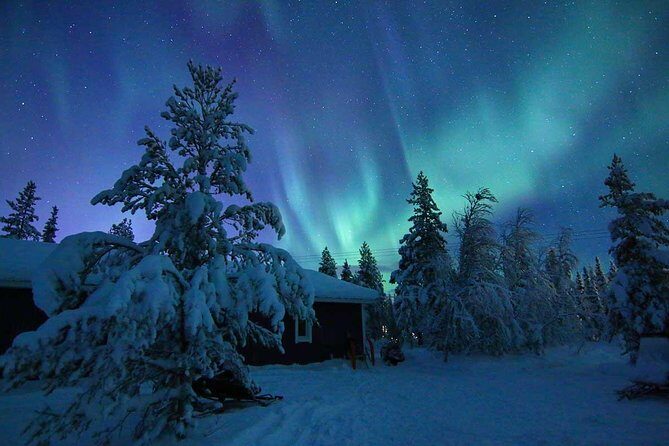
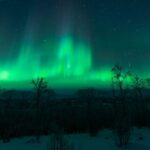
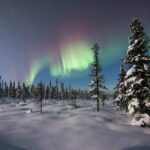
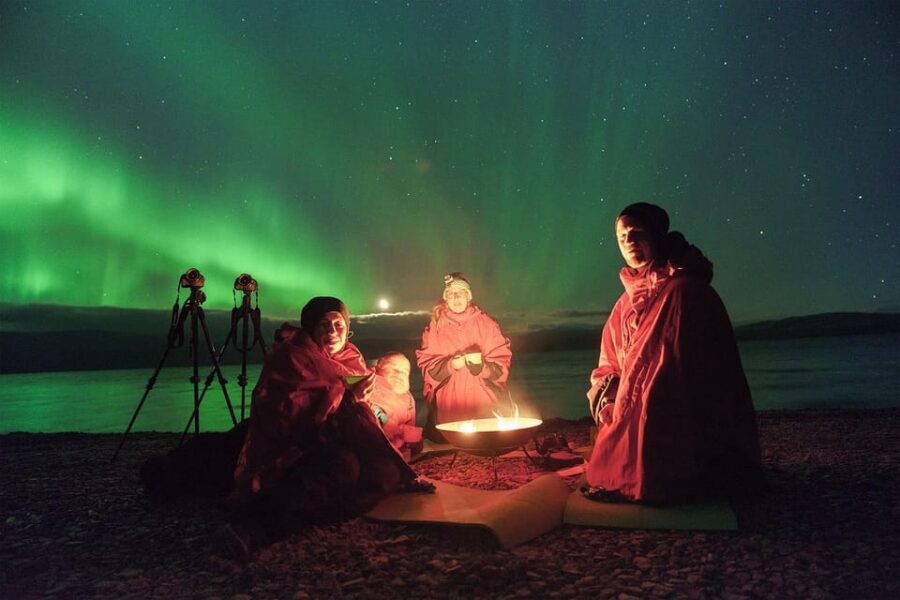
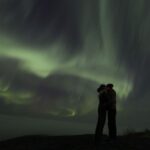
Kiruna nights can feel like pure darkness until the sky decides. This 4-hour northern lights photo tour pairs local Sami guides with hands-on camera support, so you’re not just hoping—you’re shooting with a plan.
Two things I really like: you get a guide who understands the Arctic and how to find better viewing spots as conditions change, and you also get gear support (camera with a wide-angle lens, plus a tripod) so you’re not stuck fumbling through settings at the worst possible moment. One consideration: the aurora can’t be guaranteed, since clear skies matter and weather sometimes wins.
In This Review
- What Makes This Tour Work for Photos (Even When the Weather Doesn’t)
- Key Highlights You’ll Feel During the Tour
- Kiruna Northern Lights Photo Tour: The Big Idea
- Pickup Timing and How the Evening Starts
- Small-Group Size: Why Max 8 Matters at Night
- Sami Guides and Local Spot-Finding That Changes With the Weather
- Borrowed Camera and Tripod: The Fastest Path to Sharp Aurora Shots
- What You’ll Do Once You Arrive at a Spot
- Arctic Nature Notes That Actually Help You
- The Cultural Layer: Sami Perspectives on Sky and Night
- Duration and Energy Level: Four Hours Is Just Right
- Weather Reality Check: What You Can and Can’t Control
- Price and Value: Is $220 Reasonable for a Photo Tour?
- Who This Tour Fits Best (And Who Might Feel Uncomfortable)
- Practical Tips Before You Go
- Should You Book This Kiruna Northern Lights Photo Tour?
- FAQ
- How long is the Kiruna Northern Light photo tour?
- Where do pickups happen?
- Is camera equipment included?
- Do I need to bring a memory card?
- Is seeing the northern lights guaranteed?
- What languages is the tour guide available in?
What Makes This Tour Work for Photos (Even When the Weather Doesn’t)
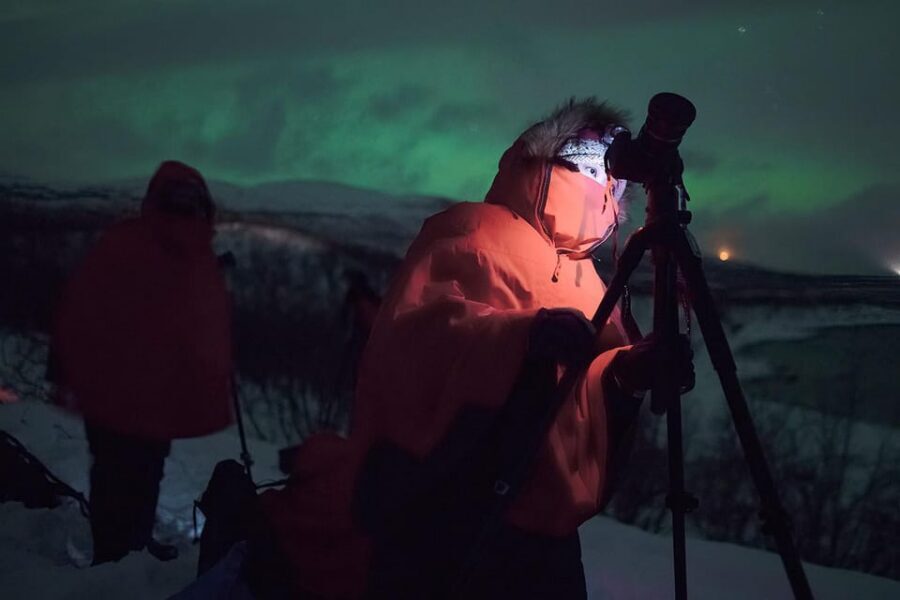
The tour runs on the Arctic reality that every night is different. Based on weather, you travel to where the sky has the best chance to clear, which is exactly what you need if you want more than a dark drive and a shrug.
I also appreciate that the experience isn’t only technical. You’ll get context about the night sky and Sami culture, which makes the photos feel like more than souvenirs. The one drawback to keep in mind: you’re operating in real cold, and you’ll want to dress seriously warm even though the tour includes cover layers.
Key Highlights You’ll Feel During the Tour
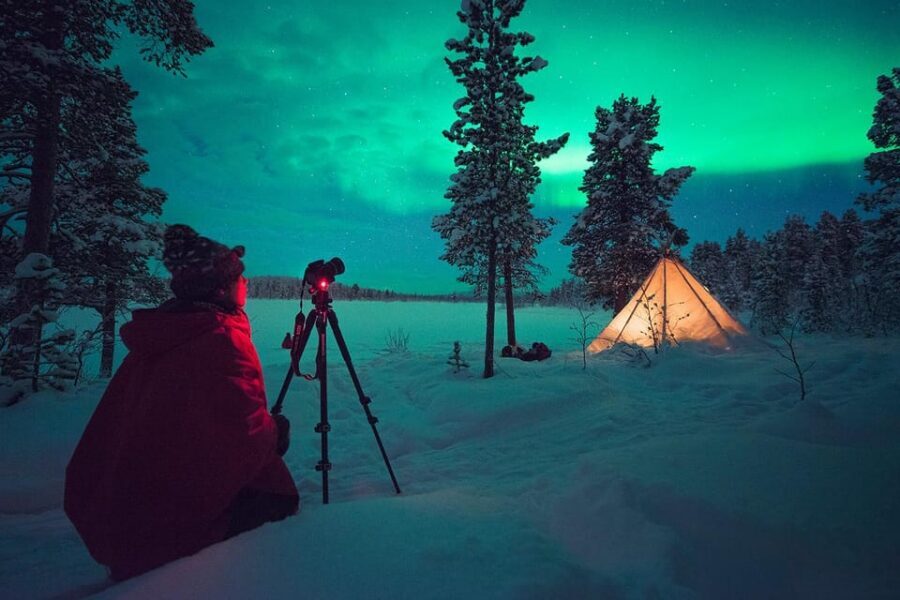
- Small group (max 8): more time to get help with your camera and less crowding at night.
- Sami guides with local forest knowledge: the best spots are chosen based on what the conditions allow.
- Borrowed northern-lights camera kit: a wide-angle lens setup plus a tripod helps you start strong fast.
- Headlamp and warm cover clothes included: fewer things to pack, and more comfort while you wait.
- Transportation to better-odds locations: the plan shifts when the sky shifts.
- English or Swedish guidance: you can follow instructions without language friction.
You can also read our reviews of more photography tours in Kiruna
Kiruna Northern Lights Photo Tour: The Big Idea
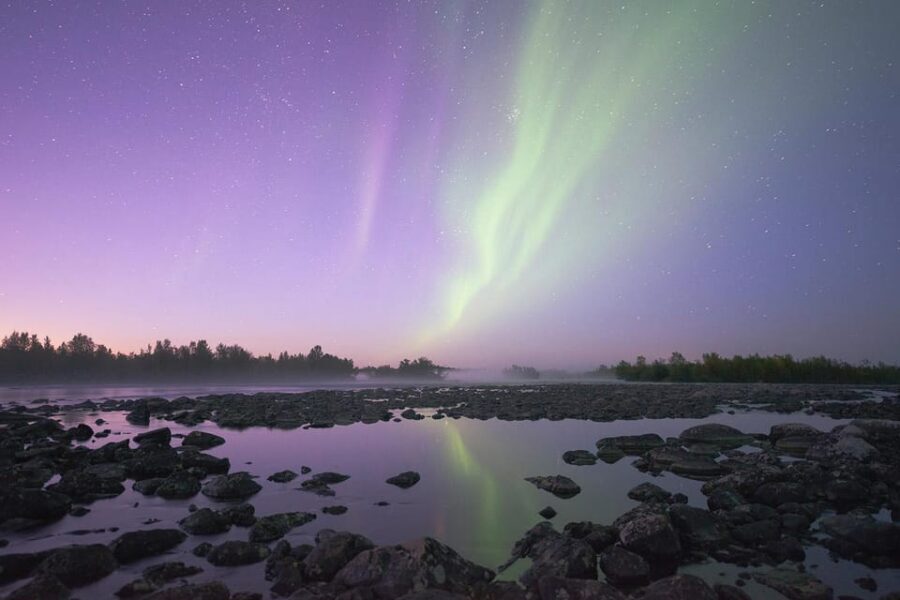
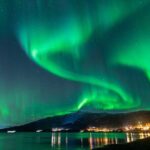
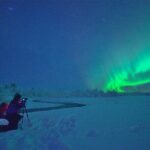
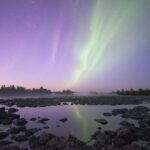
This is a northern lights tour built for people who want photos, not just views. In Kiruna (in Norrbotten County), the “where” and “when” of aurora spotting are tightly linked to cloud cover and sky clarity. So instead of camping in one spot and praying, the tour moves you to the places with the best chance that night.
For me, that’s the practical heart of the experience. The tour is only four hours, so every minute counts. If the first area turns cloudy, you don’t just wait it out—you go looking for the next opening. That approach also keeps the energy up. Cold is cold, but at least you’re working toward something.
Pickup Timing and How the Evening Starts
You’ll be picked up from Camp Ripan at 7:30 pm. Another pickup point is listed at Touris Center, Malmvägen 9B, around 7:15 pm. Either way, the timing matters because darkness and visibility are everything for aurora photography.
This kind of night photo tour isn’t about daylight sightseeing. It starts as soon as you’re in transit. You’ll be relying on your headlamp, the guide’s pacing, and the plan for finding clearer skies. If you’re the type who likes to be early and organized, you’ll feel right at home here.
Small-Group Size: Why Max 8 Matters at Night
A small group isn’t just a comfort perk. At night, it changes the whole flow. With a maximum of 8 participants, you’re more likely to get direct coaching as you set up your tripod and aim your lens. That matters because aurora photography is equal parts patience and technique.
Also, smaller groups tend to spread out better when you reach a dark sky location. You get more room for your tripod, less bumping around, and less tension when someone needs a quick adjustment.
Sami Guides and Local Spot-Finding That Changes With the Weather
The guides on this tour are Sami photo guides and they know the area deeply. You’ll be following people who were born locally and have been in the forest since childhood. That kind of local familiarity is the reason this tour can play the weather game.
Here’s what that means for you: the tour doesn’t treat the night like a fixed schedule. It’s responsive. If the sky is cloudy in one direction, you head elsewhere. And the tour explicitly notes that even if you can’t see the aurora in one spot, there are often other areas with better conditions if you know where to go.
That’s a big deal if your goal is photos. A clear aurora needs a clear sky. So “trying harder” isn’t the plan—the plan is being in the right places fast.
Borrowed Camera and Tripod: The Fastest Path to Sharp Aurora Shots
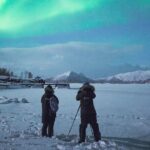
One of the smartest choices here is the equipment support. You can borrow camera equipment with a wide-angle lens designed for northern lights, plus a tripod for both camera use and even your mobile phone.
If you’ve ever tried photographing auroras with a basic setup, you’ll know the frustration: you end up with blurry results or overexposed streaks, and you spend the night second-guessing your settings. With a guided setup and tripod, you remove a major chunk of guesswork.
You also get instruction on how to handle the camera to bring home memories from the tour. That doesn’t mean you’ll become a pro by the end of four hours. But it does mean you’ll start to understand what you’re doing—and why.
What You’ll Do Once You Arrive at a Spot
The tour’s rhythm is simple, but effective:
- Arrive where the sky has the best chance.
- Set up your tripod and gear under low light (that’s where the headlamp earns its keep).
- Follow the guide’s coaching for aurora photography and camera handling.
- Wait and adjust as needed.
Because you’re in Arctic conditions, waiting is part of the job. The tour includes warm cover clothes and a headlamp, which helps you stay functional instead of constantly shivering. You’re more able to keep your gear stable and your attention on the sky rather than on your discomfort.
Arctic Nature Notes That Actually Help You
This tour isn’t only about shutter speed. You’ll get guidance about Arctic nature while you’re out in the dark. That matters because aurora spotting isn’t happening in a vacuum. You’re dealing with cold air, changing conditions, and the reality that the sky can clear differently depending on where you’re standing.
And if you’re the sort of traveler who likes your experience to make sense, these bits of context help you connect the technical side of photography to the environment around you.
The Cultural Layer: Sami Perspectives on Sky and Night
Some aurora tours treat culture like a poster on the wall. This one adds something more grounded. One of the tour’s strongest themes from real experiences is the guide’s ability to explain local culture and the connection between the night sky and Sami life.
That’s not just “interesting talk.” It changes how you experience the night. You look longer. You pay more attention. The aurora becomes part of a living context rather than an occasional fireworks show.
Duration and Energy Level: Four Hours Is Just Right
This is a 4-hour tour, and for most people that’s a good match. You get time to set up, try your shots, and adapt if conditions change, without turning the evening into a full-night endurance event.
Also, with a short duration, it’s easier to stay upbeat. You’re not stuck there for hours hoping the weather cooperates. You’re working through a plan.
Weather Reality Check: What You Can and Can’t Control
Let’s be honest: the aurora depends on weather and visibility. The tour clearly states that viewing the northern lights is subject to conditions and can’t be guaranteed.
So how do you protect your trip from disappointment? You lean into the tour’s strategy: it chooses locations based on weather for your best chance. Even if the first attempt doesn’t deliver, the guide’s local knowledge and willingness to go after better conditions gives you more opportunities than sitting in one place.
And from the experiences people reported, it sounds like the guides generally do their best to make it happen—when the sky allows it.
Price and Value: Is $220 Reasonable for a Photo Tour?
At $220 per person for 4 hours, this isn’t a cheap activity, but it’s not outlandish for what’s included. You’re paying for:
- Professional Sami photo guides
- A camera with wide-angle lens for northern lights (when you borrow it)
- A tripod
- Transportation to the best spots for that night
- Warm cover clothes
- A headlamp
- Help with camera handling and shooting technique
If you had to price those pieces separately—guide time, travel to dark locations, gear rental, and the coaching to use it—this starts to feel more like an organized photo workshop than a basic tour. The biggest “hidden cost” is what’s not included: meals and drinks, and a memory card (the tour notes that an SD card is not included, but it can be purchased).
So the value question comes down to you: do you want to maximize your odds and leave with usable photos? If yes, the setup support is a big part of why the price makes sense.
Who This Tour Fits Best (And Who Might Feel Uncomfortable)
This tour is a strong fit if you:
- Want aurora photos and not just a glance at the sky
- Don’t want to figure out gear rental and tripod technique on your own
- Like tours with a local cultural perspective, not only the science of light
- Are okay being outside in cold weather for a few hours
It’s not suitable for children under 10. And since you’re outdoors, the “warm clothing” requirement is real. Even with cover clothes included, you still need to dress for cold.
Practical Tips Before You Go
Here’s how to show up ready:
- Bring warm clothing you trust in cold temperatures.
- Use your headlamp as provided so you can keep moving safely and set up efficiently.
- If you use your own gear, expect the guide to help you get better results with what you’re using—there’s an emphasis on camera technique and making it work.
If you’re hoping for long, postcard-level streaks of light, your setup matters. The tripod matters. And the guide’s advice helps you work within the constraints of the night.
Should You Book This Kiruna Northern Lights Photo Tour?
Book it if you want the highest chance of success inside a short time window. The tour’s greatest strength is the combination of local Sami guiding, equipment support, and moving to clearer skies when conditions change. At $220, you’re paying for fewer uncertainties.
Skip it only if you’re the type who refuses to be outside in real cold, or if you need guaranteed aurora sightings. No guide can promise that. But if you want a serious attempt, with real coaching and the right tools in hand, this is the kind of tour that turns a dark night into something you’ll actually remember—and be able to show.
FAQ
How long is the Kiruna Northern Light photo tour?
The tour lasts 4 hours.
Where do pickups happen?
Pickup is included. You’ll be picked up from Camp Ripan at 7:30 pm, or from Touris Center, Malmvägen 9B at around 7:15 pm.
Is camera equipment included?
Yes. You’ll have access to camera equipment with a wide-angle lens for northern lights, plus a tripod.
Do I need to bring a memory card?
An SD memory card is not included, but it can be purchased.
Is seeing the northern lights guaranteed?
No. Viewing depends on weather conditions, and the tour cannot guarantee aurora sightings.
What languages is the tour guide available in?
The live tour guide is available in English and Swedish.