REVIEW · KIRUNA
Northern Light hunt with minibus to Abisko 7:30 pm
Book on Viator →Operated by Paradise Lapland AB · Bookable on Viator
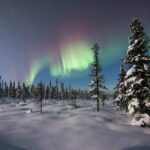
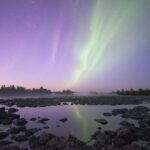
Northern lights need timing and luck. This Abisko National Park night hunt is interesting because it gets you quickly into aurora-prone spots, using a tight small-group setup and a guide who keeps moving when conditions change.
I like two practical things here: the pickup-friendly round-trip ride and the hot drink (with sweet treats mentioned by recent guests) that make waiting outside easier. With a group kept small, you also get time to ask questions without shouting over everyone’s excitement.
One thing to consider: the aurora is never guaranteed. If clouds roll in, the guide can only drive between viewpoints, so you may end up doing a longer night road trip without lights.
In This Review
- Key things you’ll notice on this Abisko aurora hunt
- Kiruna to Abisko at 7:30 pm: why this timing matters
- Minibus logistics and group size: comfort beats chaos
- Abisko National Park road stops: Lapporten and the canyon hunt
- Lapporten stop: classic valley framing
- Abisko canyon: when you want a “fixed” spot
- How guides handle the real challenge: clouds and waiting
- Photo help in the cold: getting better shots without freezing
- A simple tip: ask one question early
- Warmth and snacks: what to expect while you wait for the sky
- What to wear (so you can actually enjoy the hunt)
- Price and value: is $253 worth it?
- Should you book this Northern Light hunt from Kiruna?
- FAQ
- How long is the Northern Light hunt to Abisko?
- What time does the tour start, and where does it meet?
- Is pickup included?
- How many people are on the tour?
- Is there food or drinks provided?
- Are the Northern Lights guaranteed, and what happens if weather is bad?
Key things you’ll notice on this Abisko aurora hunt
- Small-group feel: capped at eight in the concept, and listed with a limited overall group size, so it’s not a cattle-call night.
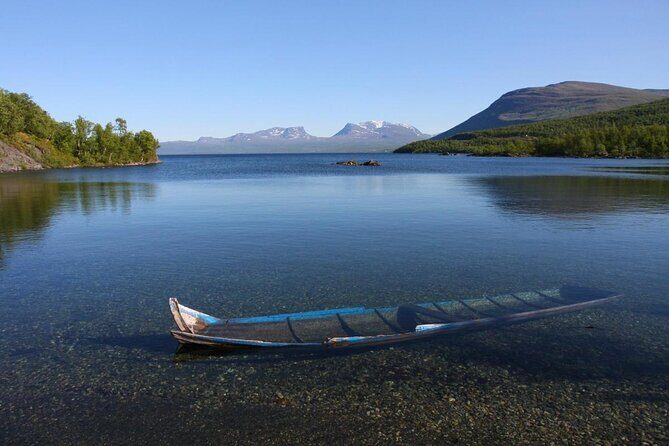
- Abisko National Park roads: you drive through the park area and pass famous points like Lapporten and Abisko canyon.
- Tjuonavagge/Lapporten valley scenery: classic valley geometry outside the park helps you keep searching without backtracking.
- Warmth on the move: a complimentary hot drink plus snacks help you stay out longer when the night gets serious.
- Guides who actively hunt spots: several guides are praised for persistence, keeping people hopeful, and getting you into better angles.
- Weather is the boss: clear skies matter more than anything, and you’ll feel that on a cloudy night.
Kiruna to Abisko at 7:30 pm: why this timing matters
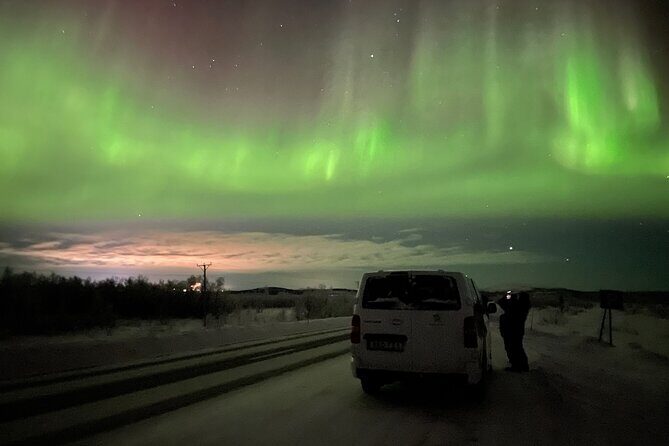
The tour starts at 7:30 pm and runs about 3 to 4 hours. That timing is a sweet spot for first aurora attempts because the sky has usually had time to darken, but you’re still not committing to a full late-night marathon that can wear you out.
Abisko is also set up differently than many aurora tours. You’re not just stopping randomly in the dark. You’re heading into a region known for aurora viewing conditions, and then moving along park roads and classic valley lookouts like Lapporten and Abisko canyon when the sky cooperates.
What I like from a traveler’s point of view: you get a plan with enough structure to know where you’ll be spending the time, but enough flexibility to shift locations if the first spot is a dud.
You can also read our reviews of more tours and experiences in Kiruna.
Minibus logistics and group size: comfort beats chaos
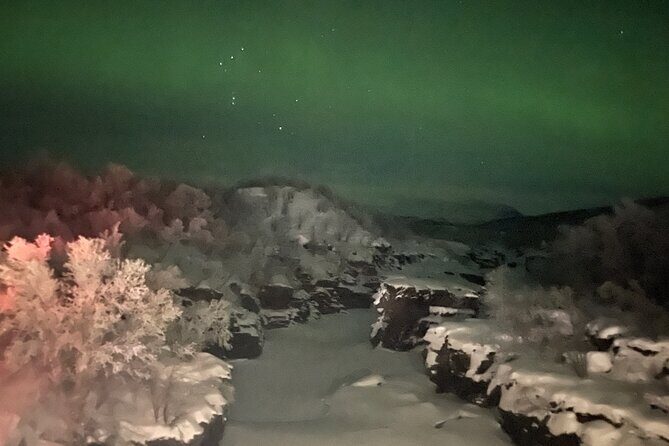
This is a minibus night hunt with limited seats, and that matters more than people think. With a smaller group, you can:
- hear the guide’s instructions clearly about where to stand and how to frame shots,
- keep moving quickly between stops,
- and avoid spending the best minutes of dark sky staring over someone else’s head.
You also get pickup offered from Abisko hotels. If you’re staying in the area, that’s a big value-add. Aurora nights are cold and slow-moving; it’s easier when you don’t have to figure out buses, taxis, or “how do we get back after 10 pm” anxiety.
The tour ends back at the meeting point (so you’re not left stranded with your camera gear and numb fingers). The meeting point listed is Nirpi Jounis väg 1, 981 92 Kiruna.
Abisko National Park road stops: Lapporten and the canyon hunt
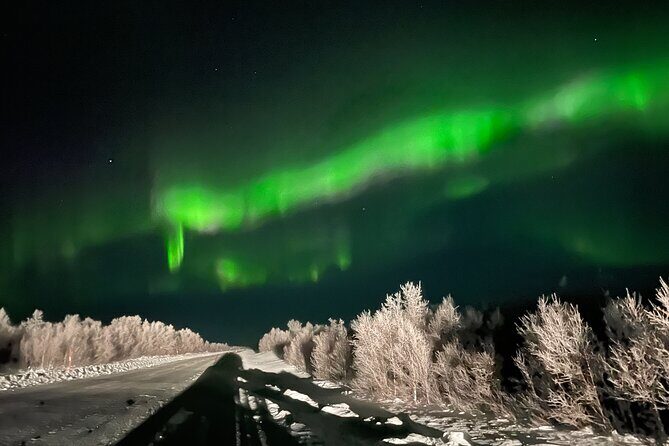
One of the most useful parts of this tour is that you’re not only chasing lights. You’re also using the drive to hit practical aurora viewing geometry around Abisko National Park.
Abisko National Park covers about 77 sq km (30 square miles) and stretches roughly 195 km inside the Arctic Circle, from near Tornetrask Lake up toward the far northern edge near Norway. That scale is why a minibus approach works. The guide can choose routes and stopping points that keep you in aurora-friendly areas rather than repeating the same parking-lot spot all night.
Lapporten stop: classic valley framing
You’ll pass Lapporten, also connected to Tjuonavagge, a U-shaped valley area known as one of the region’s familiar natural sights. The tour’s route uses this kind of valley structure because it gives you lots of open sky while keeping the mountains from swallowing your view.
From a photo standpoint, valley stops can be a win because you get the option of including foreground features without blocking the aurora. From a comfort standpoint, it gives the guide a predictable place to regroup and check the sky.
Abisko canyon: when you want a “fixed” spot
You’ll also pass Abisko canyon. Even when the aurora takes time, the canyon-area stop gives you a clear reason to stand still for a bit—watch the sky, adjust camera settings, and compare what you see now versus five minutes ago.
A calm stop beats constant “micro-moves” for your eyes and your hands. In cold weather, every unnecessary motion risks frozen fingertips. This is where a guided route helps: you stop where you can realistically wait and still feel like you’re making progress.
How guides handle the real challenge: clouds and waiting
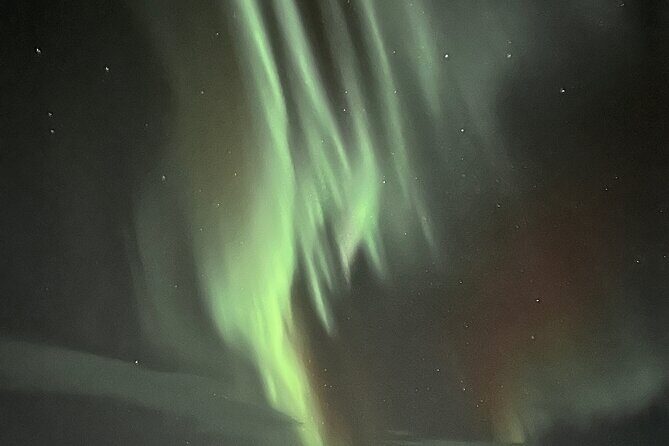
Northern Lights hunting is mostly patience plus decision-making. This tour is designed around that reality: the guide scouts and drives to keep improving your chances.
That’s not just theory. Multiple guides associated with Paradise Lapland are praised for being persistent and good at adjusting the plan. Names that come up include Patrick, Patia, Juampi, Gaia, Lila, and Maurice.
Here’s the practical part for you: even with a great guide, you can’t control cloud cover. If the night turns cloudy, the experience may shift from “aurora party” to “long searching road trip.” One low-rating theme is exactly that—lights can fail to show even with clear moments overhead, and some guests wished for more options when conditions were poor.
So I’d treat this tour like a best-chance hunt, not a promise. If you can handle “we’ll try, we’ll move, and sometimes that works,” you’ll enjoy it more.
Photo help in the cold: getting better shots without freezing
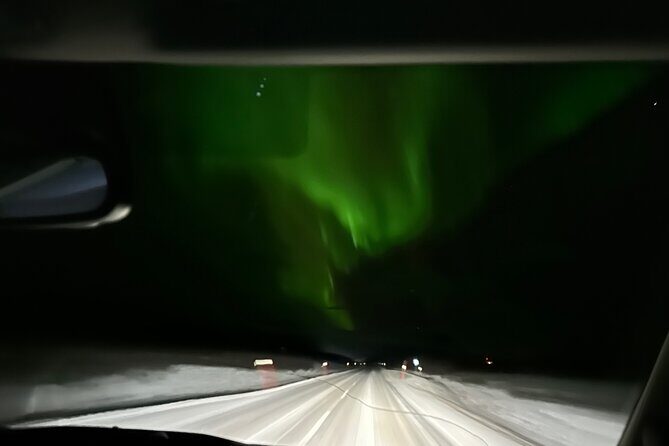
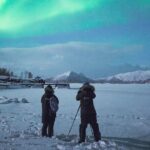
Aurora photos are tricky: you’re balancing exposure, focus, and camera settings while your body is fighting the cold. What makes this tour more useful than a basic bus ride is that some guides actively help with technique.
For example, guides are specifically praised for:
- teaching people how to use night exposure settings,
- helping you set up for long shots,
- and letting people use equipment like a camera and tripod.
You should plan to do a bit of your own homework, but don’t assume you’ll be left alone with your camera. If you ask, you can get guidance on how to get stronger results.
A simple tip: ask one question early
When you start the night, ask the guide: What setting are you using for aurora shots tonight? Then you’ll have a baseline for the rest of the hunt. That’s the easiest way to avoid random guesswork.
Warmth and snacks: what to expect while you wait for the sky
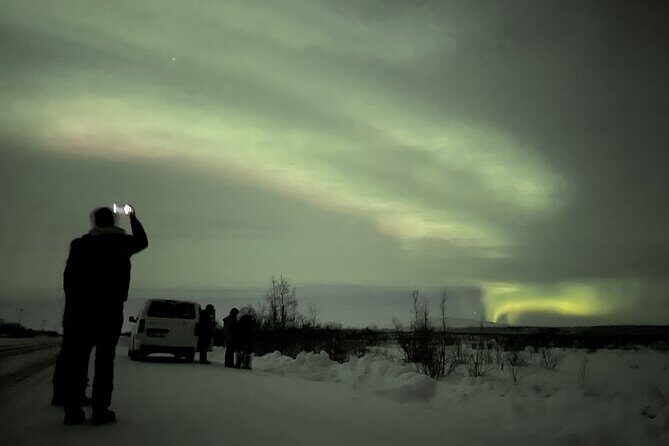
You’ll get a complimentary hot drink, and many departures also include something sweet. People mention things like cake, cinnamon bun, muffins, and lingonberry drinks as part of the overall warmth package.
In practice, that matters because aurora nights can make you stop paying attention to the sky. If you’re cold, your mind goes into survival mode. Hot drinks and snacks keep you outside longer, and that raises your odds of catching the lights when they finally start.
What to bring matters too. More on that next, but the short version is: don’t underestimate how quickly fingers and toes can quit.
What to wear (so you can actually enjoy the hunt)
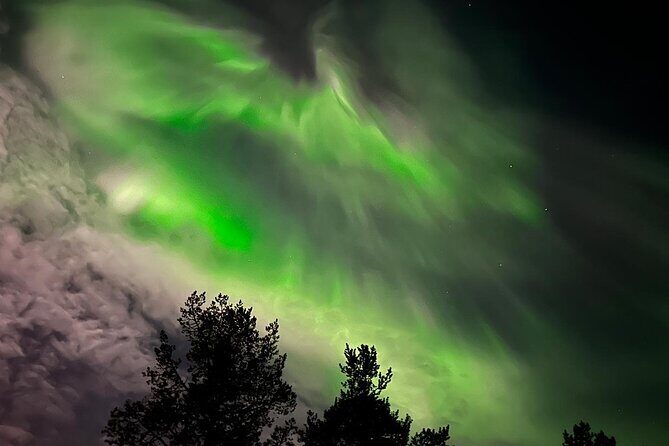
This is Sweden in winter conditions. You’re outside at night, you’ll wait, and you’ll move between stops. Your goal is to protect the parts that freeze first:
- fingers and toes (easy to lose dexterity),
- ears and cheeks (wind makes it brutal),
- and your lower back/legs (sitting in a cold stance hurts fast).
Even when the bus is warm, you’ll step out to look and photograph. Dress for staying outside longer than you think you’ll need, and keep an emergency layer in your daypack.
If you’re bringing a tripod, use gloves that still let you tighten screws. That one detail prevents the most common aurora-photo frustration: you can see the lights, but you can’t adjust fast enough.
Price and value: is $253 worth it?
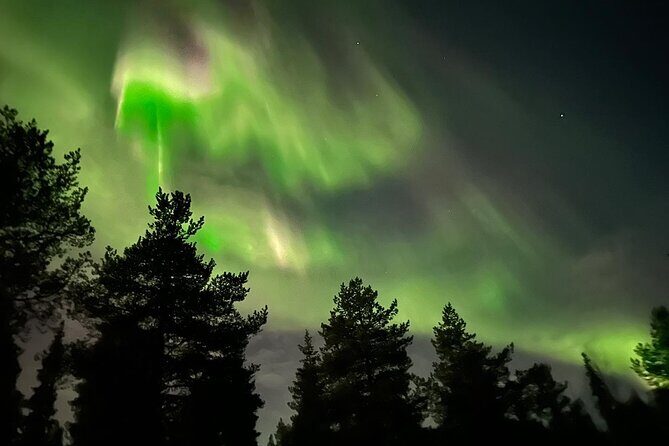
At $253, you’re paying for a focused experience, not just transportation. Here’s what you’re getting that usually drives value in aurora tours:
- Guided scouting through Abisko-area stops (not random parking lots).
- Small-group dynamics, which makes the night more comfortable and easier to manage.
- Round-trip transport with pickup offered from Abisko hotels.
- Hot drink and snacks, which sound minor until you’re standing still for 20 minutes in the dark.
Could you do aurora hunting cheaper on your own? Yes, depending on your skills and your ability to chase weather and roads. But this tour saves you time and guesswork. If it’s your first time in the area, that “I don’t have to figure it out” comfort can be worth a lot.
The main value risk is the same as every aurora hunt: if clouds win, you still spend time searching. If you can’t handle that uncertainty, you might feel disappointed even on a well-run tour.
Should you book this Northern Light hunt from Kiruna?
Book it if you want:
- a structured hunt focused on Abisko National Park routes,
- a smaller-group feel so the night stays calm,
- and a guide who keeps adjusting the plan, with warmth and real photo support.
Skip (or choose differently) if:
- you need a guaranteed aurora show,
- you’re not prepared for cloudy nights,
- or you’re the type who gets upset when the plan changes due to weather.
If your mindset is “maximize chances, stay flexible, and enjoy the search,” this tour fits nicely.
FAQ
How long is the Northern Light hunt to Abisko?
The tour runs about 3 to 4 hours.
What time does the tour start, and where does it meet?
It starts at 7:30 pm. The listed meeting point is Nirpi Jounis väg 1, 981 92 Kiruna, Sweden.
Is pickup included?
Pickup is offered, with round-trip transport connected to Abisko hotels.
How many people are on the tour?
It’s described as a small group (capped at eight in the concept), and the activity listing shows a maximum of 15 travelers.
Is there food or drinks provided?
You get a complimentary hot drink, and many nights include sweet treats alongside it.
Are the Northern Lights guaranteed, and what happens if weather is bad?
There is no guarantee that you’ll see auroras, since visibility depends on weather. If the experience is canceled due to poor weather, you’ll be offered a different date or a full refund.
If you cancel, you can cancel up to 24 hours in advance for a full refund.