Uppsala packs centuries into one walk. This 2.5-hour tour strings together Uppsala Cathedral and the Botanical Gardens, with stories that run from Viking life to Swedish nation-building. I also like that the guide keeps you moving between key sights and quieter photo pauses, so you’re not stuck with just one monument. One trade-off: food and drinks aren’t included, and there’s only a short market stop—so come ready to buy a snack if you get hungry.
What makes this walk special is the sense of layers. You’ll hear how Uppsala is older than Stockholm and often gets called the true “birthplace” of the Swedish nation, then connect that to big archaeological finds like the roughly 30,000 rune stones that help explain Viking day-to-day life.
Logistics are straightforward: you meet by the fountain roundabout outside Uppsala C, and the tour stays in English with a private-group feel. If you’re sensitive to walking, bring your patience—this is mostly on foot with short stop-and-go segments, and it’s not aimed at low mobility or very advanced ages.
In This Review
- Key points before you go
- Why Uppsala is Sweden’s origin story, not a side quest
- Meeting at Uppsala C and timing your 2.5 hours
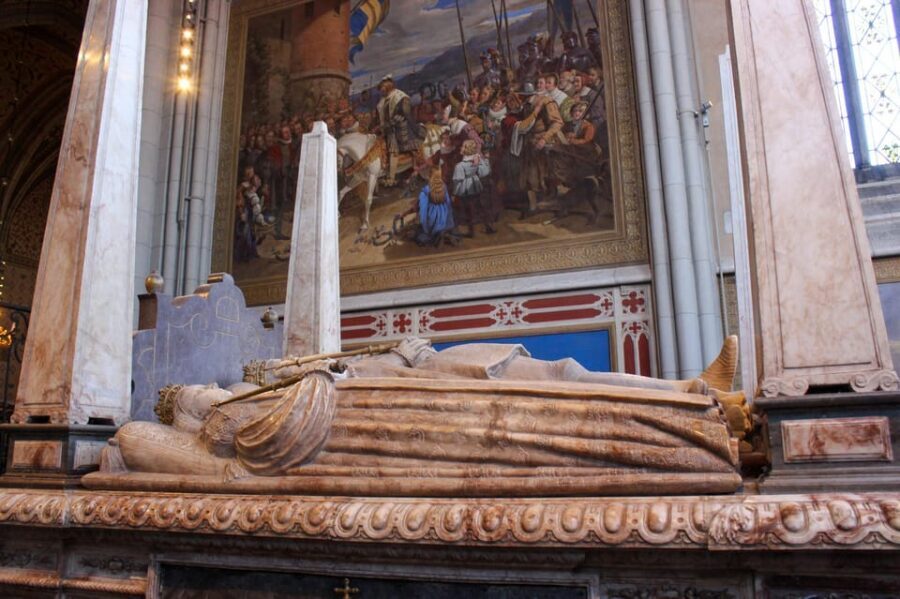
- Uppsala Cathedral: Gustav Vasa’s resting place and real stone age
- Rune stones, myth-tied stories, and canal-side student life
- Botanical Gardens with Linnaeus: science you can walk through
- Uppsala University: one of the world’s oldest classrooms
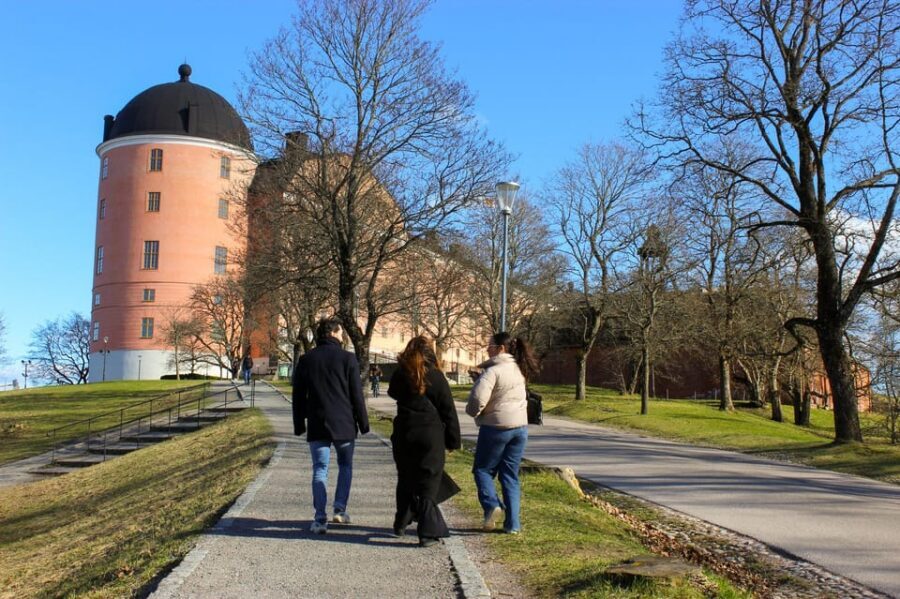
- Uppsala Castle: the world’s largest pink castle with a military edge
- Price, comfort, and what to bring for a $142, 2.5-hour walk
- Should you book this Uppsala highlights and canals walking tour?
- FAQ
- Where do I meet the guide for the tour?
- How long is the Uppsala walking tour?
- Is the tour in English and is it a private group?
- What’s included in the price, and what isn’t?
- What do I need to bring?
- Is there free cancellation or flexible booking?
Key points before you go
- Uppsala Cathedral: Gustav Vasa’s resting place plus a donation-based entry that doesn’t feel like a big bureaucratic step
- Botanical Gardens with Linnaeus: Carl Linnaeus’s connection to taxonomy and the setting that makes it easy to see the city differently
- Viking rune-stone context: stories tied to the scale of the archaeological record, not just vague “Vikings were here” talk
- Canals and student life: a quick shift from royal and medieval themes to modern Swedish rhythm
- Uppsala Castle’s pink walls: a military-history angle paired with one of the most memorable visual stops in town
- Private-group guide energy: guides like Frankie and Parwin have been highlighted for clear explanations and good question-handling
Why Uppsala is Sweden’s origin story, not a side quest
Uppsala has a way of putting Sweden’s early identity right in your face. The tour frames the city as older than Stockholm—often treated as the real starting point for the Swedish nation—and that theme quietly guides everything you see next.
Instead of treating history like a museum lecture, this walk ties it to places you can stand in. You’ll hear how Uppsala connects to early kings and major religious architecture, then the narrative swings back to Viking-era life and the evidence left behind—especially the scale of the rune stones found in the region.
And yes, you’ll end up seeing a castle painted pink. That isn’t a gimmick here. The point is that Uppsala mixes serious power—royal burial, fortification, and education—with everyday atmosphere, like student energy along the canals.
You can also read our reviews of more walking tours in Uppsala



Meeting at Uppsala C and timing your 2.5 hours
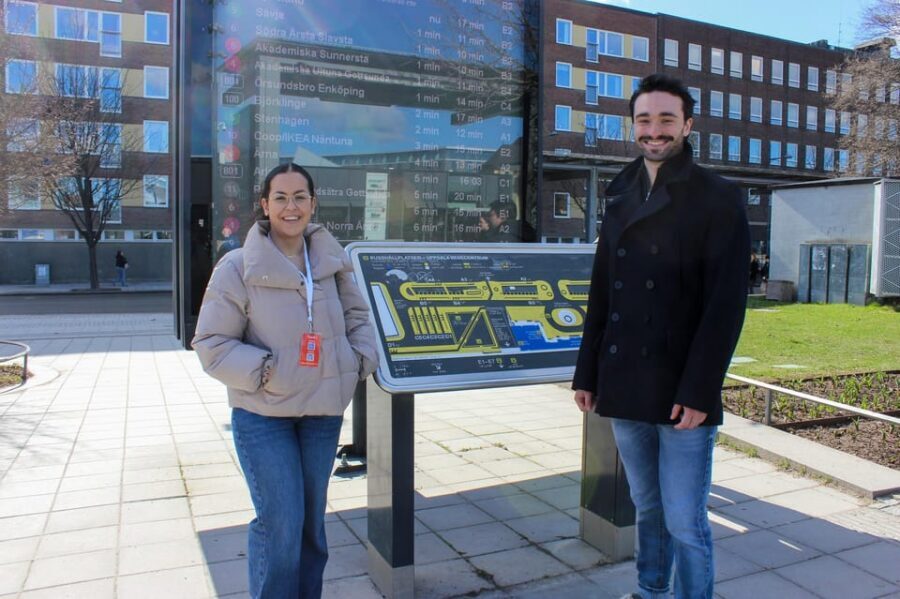
The tour starts at Uppsala C (Uppsala Central Station), right outside the main exit. Your guide waits at the fountain roundabout in front of the B2 bus stop area, near park benches by the station parking lot. Look for the orange name tag and orange hat that says Xperience Stockholm.
It’s smart to arrive 5 to 10 minutes early. The opening minutes matter because you begin with an orientation photo stop and quick context, then you transition into on-foot walking right away.
The schedule is designed as a steady chain of short segments:
- a brief photo/orientation moment,
- quick walking between areas,
- then longer focus blocks at the cathedral, Botanical Gardens, Uppsala University, and Uppsala Castle.
If you’re the type who likes long museum-style pauses, you might feel slightly rushed. The upside is you’ll cover a lot of ground without turning it into a sprint.
Uppsala Cathedral: Gustav Vasa’s resting place and real stone age
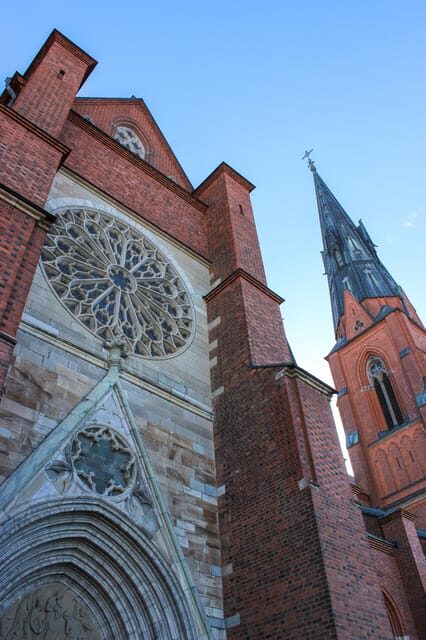
The cathedral is where the tour earns its “major stop” status. You’ll pull up with time for a photo stop and then get an actual guided visit inside, roughly a quarter-hour on-site.
Two reasons this works well for most visitors:
- Gustav Vasa’s connection is central. The tour highlights that his resting place is here, tying Swedish nation-building to a place you can experience directly.
- The cathedral is both old and striking, and it’s described as one of the most beautiful and oldest in Sweden—so it’s not just historically important, it’s visually memorable too.
Entry is donation-based, so you’re not walking into a rigid “ticket booth experience.” Do keep in mind that this can mean small variations in how people handle the donation process, and you should plan to have a little cash or the means to donate if needed.
A practical tip: bring your phone power. You’ll be indoors for part of the visit, and the tour rules include no flash photography, so your best photos will come from steadier light and a charged device.
Rune stones, myth-tied stories, and canal-side student life
Not every stop is a grand building. Two short “quiet photo pause” moments are there to reset the mood and add story texture.
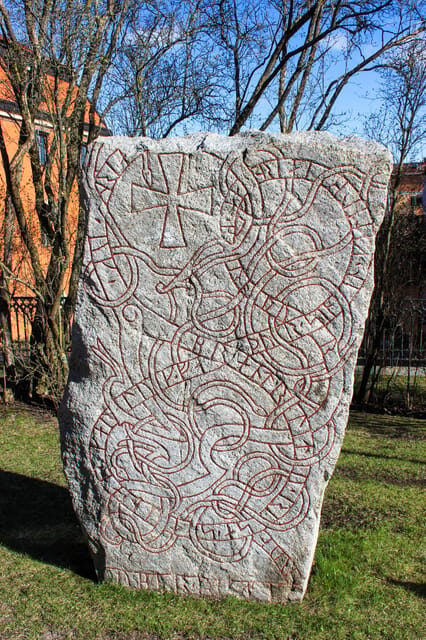
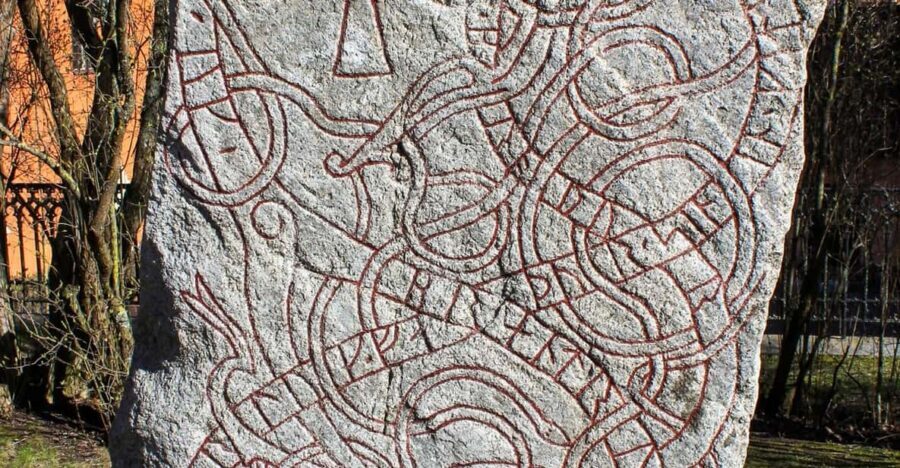
One portion centers on Viking-era evidence: the tour connects Uppsala to one of the largest archaeological findings of about 30,000 rune stones, using them to explain how Vikings lived day-to-day rather than only describing raids and ships. That shift matters, because it makes the Viking story feel grounded—people had homes, routines, and community life, not just drama.
Another segment leans into the present by showing you Uppsala’s canals and the spirit of Swedish student life. This is a good change of pace after the cathedral’s royal gravity. You get to see how a city keeps living while older layers keep shaping it.
The tour also references myth-entangled, very old stories connected to Stockholm’s past. You won’t be given a “one myth to rule them all” fairy-tale, but you will get the kind of context that helps you understand why Swedish history often references places in webs, not straight lines.
If you’re wondering what to do with the shorter stops: use them for orientation. Quick photos help you later when you look at maps, and the guide’s stories help you connect those street-level scenes to the bigger historical themes.
Botanical Gardens with Linnaeus: science you can walk through
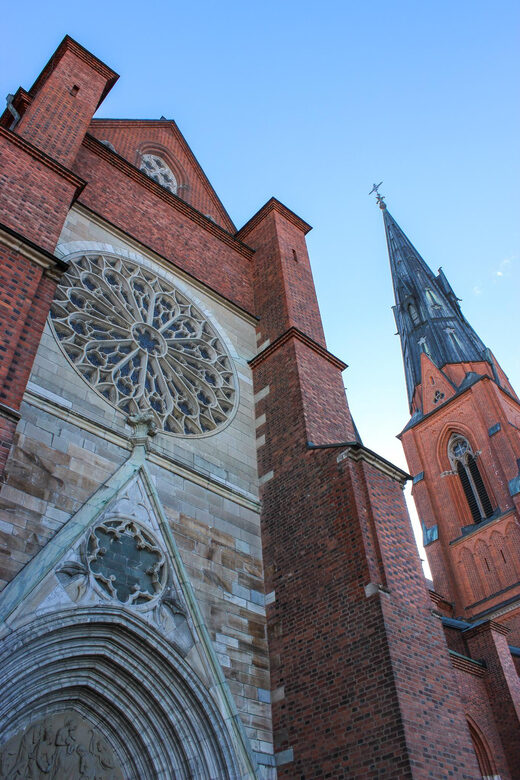
If you like gardens that tell a story, this is the section you’ll remember. The tour gives you a longer block here—about 30 minutes—plus guided elements as you stroll through and view the grounds.
The big name is Carl Linnaeus, often called the father of taxonomy, and the tour explains that he spent time in these gardens. That matters because it turns the place into more than pretty scenery. You’re seeing a landscape linked to how humans organized and understood the natural world—classification of species—not just admiring plants.
This is also one of the easiest stops to photograph, because you’re walking through a curated outdoor setting rather than trying to shoot under cathedral lighting rules.
Things to watch for:
- Sun protection helps. The tour recommends sunglasses, a sun hat, and sunscreen, which tells you the time outside can be real.
- Bring your patience for a slower moment. This isn’t a “look and move” photo stop. The guide’s explanations are meant to slow you down enough to connect Linnaeus’s ideas to what you see.
And because you’re outdoors, you’ll likely feel the walking rhythm more strongly after this. That’s normal—plan to take a breath before the next stretches on foot.


Uppsala University: one of the world’s oldest classrooms
From the gardens, you continue walking through the city and then reach Uppsala University for about 15 minutes of focused viewing and guided sightseeing.
The tour frames the university as one of the world’s oldest, and that claim is the point. You’re not just seeing a pretty campus; you’re seeing how education and authority shaped Uppsala over centuries.
This segment can feel like a bridge between eras:
- The cathedral represents royal and religious power.
- The Botanical Gardens represent science and observation.
- The university represents the long-term institutional engine that kept learning going.
If you’re the kind of traveler who likes architecture, you may enjoy the visual details the guide points out. If you’re more into ideas, the best move is to listen for the way the university is tied to Swedish intellectual history through figures like Linnaeus.
Uppsala Castle: the world’s largest pink castle with a military edge
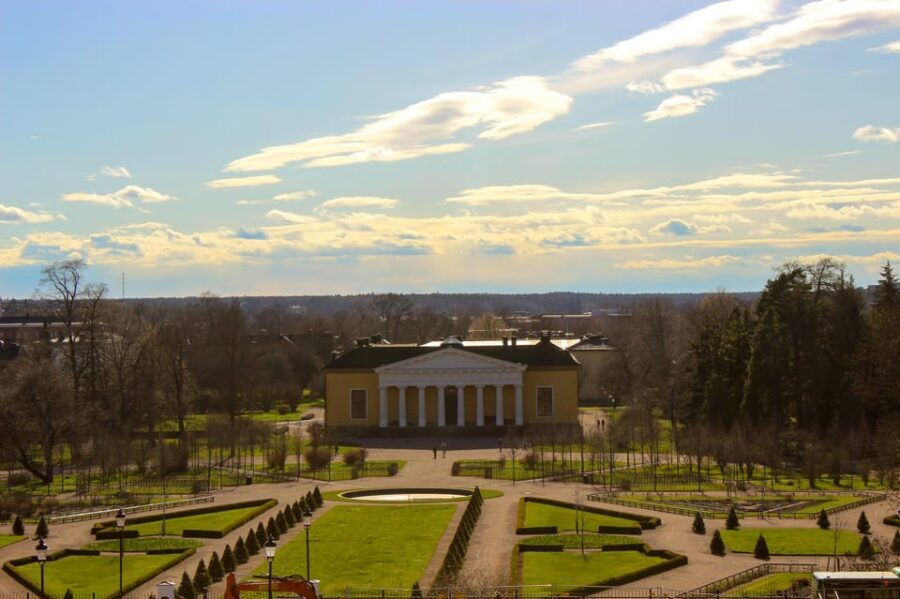
You finish with one of Uppsala’s most visually memorable structures: Uppsala Castle, described as the world’s largest pink castle. You get a photo stop, then a guided visit and scenic views in the area, with about 15 minutes allocated.
The tour highlights the castle’s military history, which is a smart angle. It prevents this stop from becoming just a fun-color moment. You’ll hear how fortification and power worked here, and how the castle’s role fits into the broader story of Uppsala as a center of authority.
A pink castle can be easy to dismiss if you expect “war history” to be gray and serious. But that contrast is part of why the stop sticks. You’re reminded that history isn’t always presented in a solemn monochrome package—it shows up in whatever a city builds, repaints, and preserves over time.
Price, comfort, and what to bring for a $142, 2.5-hour walk
At $142 per person for about 2.5 hours, this tour sits in the mid-range category for guided walking tours in Sweden. The value comes from three places:
- A live English guide who connects the sites into a single narrative chain
- Included entry coverage for Uppsala Cathedral (donation-based) and the Botanical Gardens grounds
- A route that covers multiple “big picture” themes: Vikings and rune stones, royal identity via Gustav Vasa, and the education link via Uppsala University
What you should factor in: food and drinks are not included. There’s a 15-minute break that includes a food market visit, so if you want lunch or a sweet treat, you’ll pay on your own.
Comfort-wise, the guide’s packing list is practical. Wear comfortable shoes and dress for sun. The tour also asks for sunglasses, a sun hat, and sunscreen, plus a charged smartphone—because you’ll want photos, and you can’t use flash inside the cathedral.
Also note the behavior rules:
- No bikes
- No flash photography
- No alcohol and drugs
- Electric wheelchairs aren’t allowed
The tour is private-group in style and in English, and it’s not set up for people with low fitness levels or ages over 95.
Should you book this Uppsala highlights and canals walking tour?
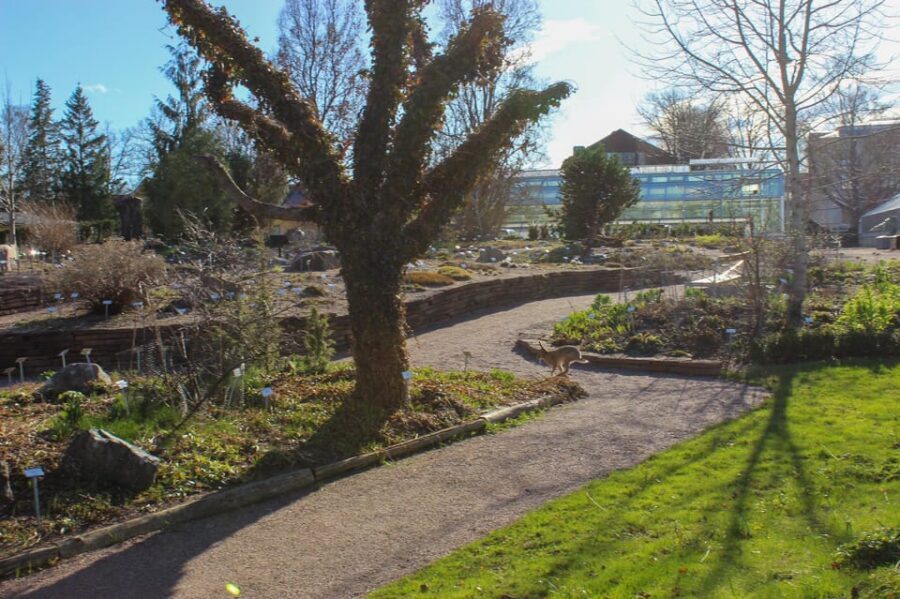
Book it if you want a compact, story-driven way to understand Uppsala’s place in Swedish identity. The best fit is someone who enjoys guided explanations, cares about how places connect across centuries, and wants more than just “here’s a cathedral, move on.”
Skip it or reconsider if you need lots of free time at each stop. This is structured for flow, not slow wandering. And if you hate walking between outdoor points, you might find the pace harder than you expect.
If your trip to Sweden includes Stockholm, this is a helpful counterweight. It shows you a different starting point—one where Vikings, rune stones, royal power, and early science all end up in the same walking route.
FAQ
Where do I meet the guide for the tour?
Meet your guide directly outside Uppsala train station main exit, at the fountain roundabout in front of the B2 bus stop. Your guide will be wearing an orange name tag and an orange hat with Xperience Stockholm.
How long is the Uppsala walking tour?
The tour duration is 2.5 hours.
Is the tour in English and is it a private group?
Yes. The tour is in English, and it’s a private group.
What’s included in the price, and what isn’t?
Included: walking tour, guide, entry to Uppsala Cathedral (donation-based), and entry ticket to the Botanical Gardens grounds. Not included: food and drinks.
What do I need to bring?
Bring comfortable shoes, sunglasses, sun hat, sunscreen, comfortable clothes, and a charged smartphone.
Is there free cancellation or flexible booking?
Yes. You can cancel up to 24 hours in advance for a full refund. You can also reserve now & pay later to keep plans flexible.
If you tell me when you’re visiting (month helps for light and crowds) and what you like most—Vikings, gardens, or royal/education history—I can suggest a smart order for your other Uppsala or Stockholm stops.