REVIEW · ABISKO
Abisko: Wilderness Snowshoe Hike
Book on GetYourGuide →Operated by Activities in Abisko · Bookable on GetYourGuide
Snowshoeing in Abisko feels like quiet magic. I really like the simple winter fun of walking the snow with proper gear, and I also love how the guides keep it friendly and focused on wildlife. One thing to consider: this is deep-winter walking, so if you show up with the wrong shoes, you’ll feel it fast.
You’ll spend an afternoon in Abisko’s arctic country with a live English-speaking guide, a small group of up to 8, and that classic Abisko mix of birch forest calm and wide-open mountain views. Based on real experiences shared by past hikers, the best moments often come from the guide’s pace and the little extras—warm drinks, photo help, and lots of talk about tracks in the snow.
In This Review
- Quick takeaways
- Why Abisko Snowshoeing Works So Well in Winter
- Your 14:00 to 16:00 Trail: What Happens on the Ground
- Snowshoes, Warm Clothes, and Hot Drinks: The Comfort Setup
- Wildlife Tracks and Arctic Forest Quiet
- Views From the Top: Why the Break Matters
- Guide Personalities Make the Difference
- Small Group Size Means Better Attention
- Price in Context: Is $88 a Good Deal?
- Weather, Gear, and Footwear That Actually Help
- Who This Hike Suits Best (and Who It Doesn’t)
- Meeting Point and Start Time: Don’t Miss the 14:00 Window
- Should You Book This Abisko Wilderness Snowshoe Hike?
- FAQ
- How long is the Abisko wilderness snowshoe hike?
- What time does the hike start and when do we return?
- Where is the meeting point?
- Is pickup included?
- What’s included in the price?
- What language is the guide?
- What should I bring?
- Is this activity suitable for children?
- Can I cancel and get a refund?
Quick takeaways
- Snowshoes + warm clothes + hot drinks mean you can focus on walking, not equipment stress
- Up to 8 people keeps the group calm and makes it easier to spot wildlife tracks
- Breathtaking viewpoints of Abisko are a core part of the 2-hour loop
- Wildlife tracking is the point, even when you don’t see an animal
- Guide stories add comfort, from tea breaks to even helping find a lost phone
- Waterproof footwear is non-negotiable for staying comfortable
Why Abisko Snowshoeing Works So Well in Winter
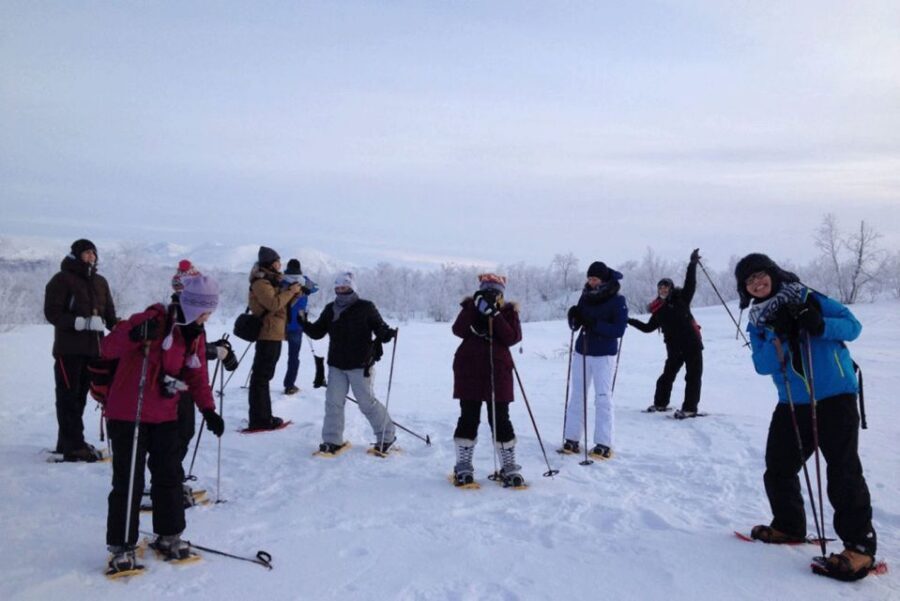
Abisko National Park hits a special nerve in winter: everything slows down, and the world turns quiet in a way that feels almost unreal. Snowshoeing is the perfect way to experience that because it’s not about speed or athletic suffering. It’s about moving steadily through snow and noticing the details you’d miss from a car or a trail hike.
I like that this hike is set up for “real time outdoors,” not a checklist tour. You’re out in the arctic winter with a guide who talks about what’s going on around you—especially wildlife signs. In several accounts, guides like Anne, Michelle, Cecilia, Anna, and Chad were praised for being warm, patient, and attentive to both safety and small moments.
The other big win: you get a viewpoint experience without it turning into an all-day expedition. It’s short enough to fit easily into an afternoon, but long enough to feel like you actually went somewhere.
You can also read our reviews of more hiking tours in Abisko
Your 14:00 to 16:00 Trail: What Happens on the Ground
This is a straightforward 2-hour snowshoe hike with a clear rhythm. The activity starts at 14:00, and you return around 16:00. You’ll meet at least 15 minutes early at the small red-and-white building at Karvens väg 18 in Abisko Östra, marked with an Activities in Abisko sign.
Once you’re kitted out and grouped, you head into the backcountry on snowshoes. Expect a mix of walking through the arctic birch forest and moving toward mountain panoramas. The guides generally keep the pace manageable. Some past hikers described it as an easy track with good time for photos, while others liked that it still felt like a genuine winter outing.
Along the way, the guide helps you read the snow: where animals likely passed, how tracks can look different depending on conditions, and what to look for when you’re hunting for signs rather than guarantees of sightings.
Snowshoes, Warm Clothes, and Hot Drinks: The Comfort Setup
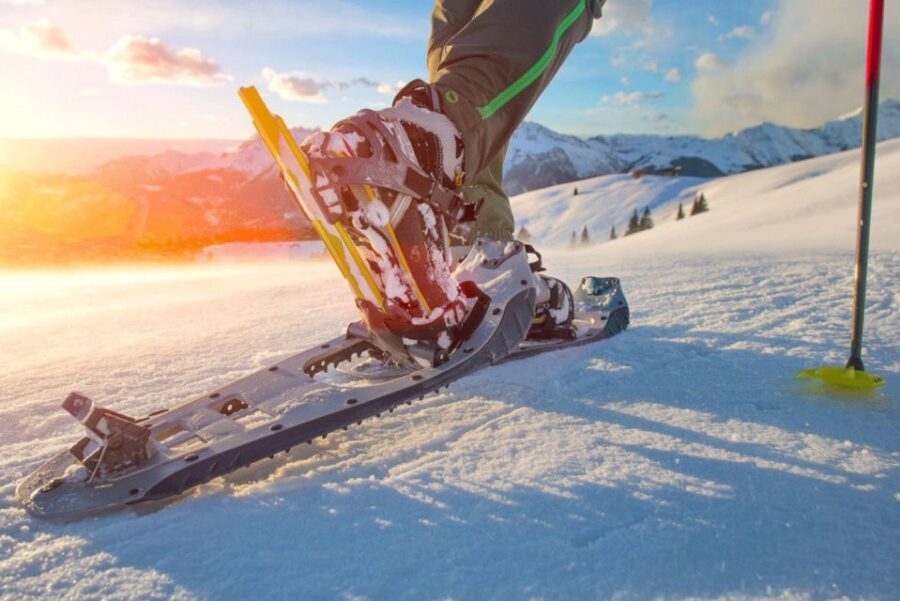
Winter comfort can make or break a hike, and this one takes the edge off. The price includes warm clothing and hot beverages, plus transfer. That’s a big deal in Abisko because cold isn’t just chilly—it can get into your rhythm quickly if you’re underprepared.
In real experiences shared by hikers, the warm drink part often becomes a highlight. Several people mentioned tea, biscuits, and even hot chocolate after reaching a viewpoint. It’s not just a perk; it’s a practical reset. When you stop for a warm break, your body cools less, your hands behave better for photos, and your mood stays high.
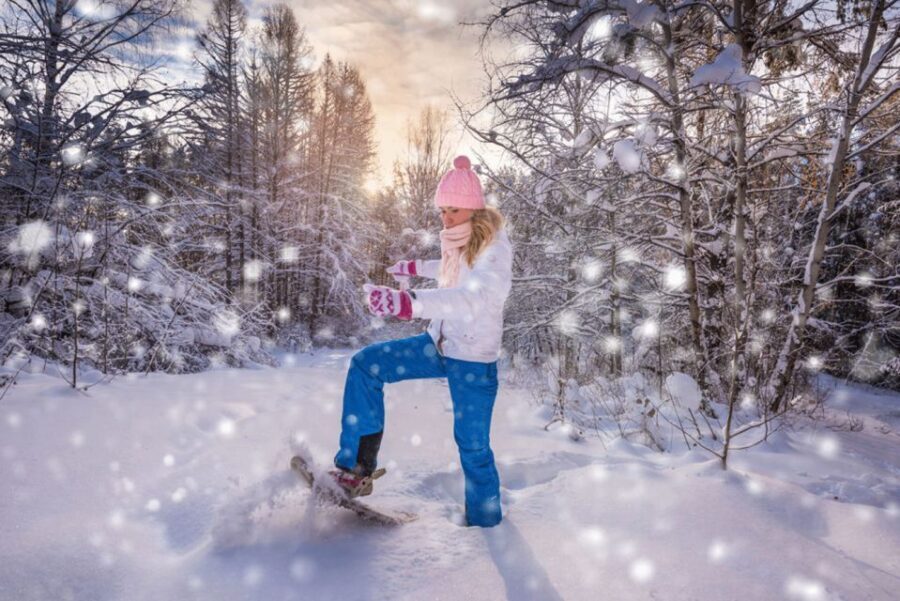
You also get the snowshoe tool for the job. Snowshoes turn what would be a post-holing slog into an enjoyable walk. People frequently called them fun and said they made walking through deeper snow much easier.
Wildlife Tracks and Arctic Forest Quiet
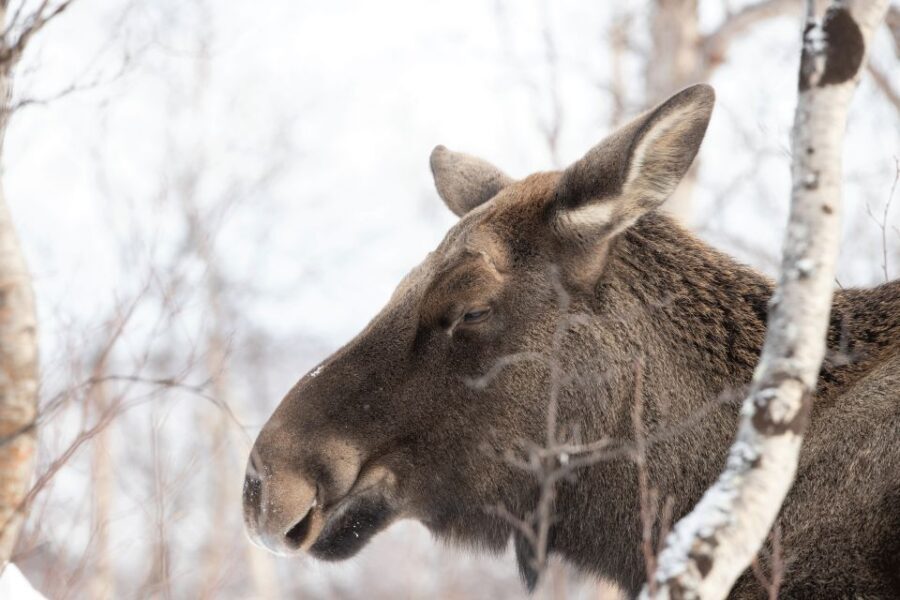
The wilderness here rewards patience. Even when animals stay out of sight, you can still feel like you’re “doing the hunt” in a respectful way: looking for tracks, reading the snow’s story, and learning what different signs might mean.
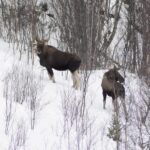
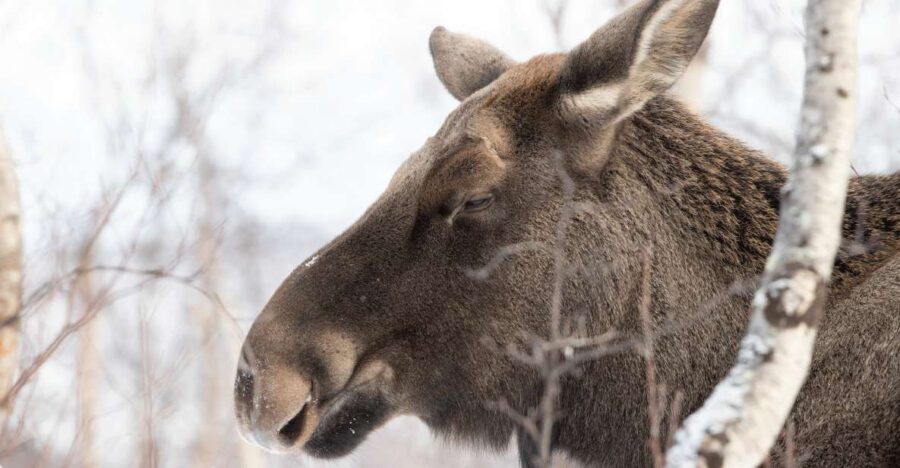
The tour description highlights the chance to trace the footsteps of native wildlife such as moose, fox, Arctic hare, and others. Guides are also credited with explaining what they see and where to look. Past hikers specifically praised how guides helped them understand tracks and wildlife patterns, and how guides tried hard to locate animal signs.
A nice detail: some experiences didn’t focus on a long lecture. Instead, it was more of a walk-and-spot approach—pausing, pointing things out, and connecting what you see to likely animal behavior. Guides like Anna were noted for sharing plenty of wildlife info and taking time for photo moments.
It’s worth going in with the right mindset: your goal isn’t to guarantee an animal photo. Your goal is to notice the arctic ecosystem up close.
Views From the Top: Why the Break Matters
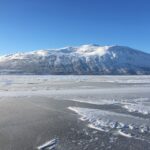
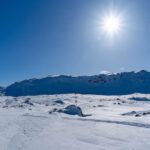
This hike is timed so you get a viewpoint moment, not just “walking in snow.” The promise is breathtaking views of Abisko, and in practice that often means you’ll reach a higher spot where the air opens up and the view feels big.
Several hikers mentioned a memorable stop at a top or viewpoint, with warm drinks and treats like chocolate or biscuits. That matters because in winter, views can be cold-burningly beautiful—but if you’re not warmed up and rested, the magic fades faster.
There’s also a social side. A guide may take photos for you, which is a small thing that makes a big difference in snowy conditions when your hands are busy. People were happy that guides helped with photos and pointed out what to look for in the scenery.
If you’re lucky with timing and conditions, this is also where wildlife signs sometimes show up more clearly. Tracks stand out in certain snow textures, and guides can point them out when you’re already paused for the view.
Guide Personalities Make the Difference
This is a small-group hike capped at 8 participants, and that’s a big part of why the guiding style matters. With fewer people, the guide can adjust the pace, answer questions, and actually keep an eye on everyone’s footing.
The strongest praise in the shared experiences centers on guide warmth and competence:
- Chad was singled out for being knowledgeable and going out of his way to help find a lost phone in the snow.
- Anne was praised for friendliness and care, and for adding little comforts like hot drinks and chocolate.
- Michelle earned kudos for being a great instructor—patient, careful, and enthusiastic—and for making the walk feel smooth even in winter conditions.
- Anna was praised for sharing wildlife information, helping with photos, and delivering a calm, upbeat experience.
- Cecilia was described as calm and focused on safety, creating a secure atmosphere.
There’s also a fun element of flexibility. One account mentioned the guide being happy to climb Stor Nabben when the group showed interest. That’s not something to bank on, but it shows the guides aren’t robotic. If your group wants an extra push and conditions allow, they may be open to it.
Small Group Size Means Better Attention
With a limit of 8 participants, you’re not just one face in a crowd. That size supports a calmer hike where:
- you get more chances to ask questions in plain English
- the guide can keep everyone together on uneven snow
- photo stops don’t turn into traffic jams
A small group also helps if the hike turns into a track-hunting mission. You’ll often be scanning the ground, and guides can highlight signs quickly before they’re lost in the snow’s texture.
In some cases, people experienced the tour as extremely personal—one account even described being the only person on the hike late in the season. That kind of setup makes the guide’s personality and attention feel even stronger.
If you like the idea of an Arctic outing that still feels human-sized, this is a good match.
Price in Context: Is $88 a Good Deal?
At $88 per person for 2 hours, the price looks high only if you compare it to casual walking. But compare it to what you’re actually getting: transfer, warm clothing, hot beverages, and an English-speaking live guide, all in a small group.
When winter gear and logistics are included, the value becomes clearer. In places like Abisko, “being prepared” can mean spending time and money finding the right clothing and figuring out transport. This tour wraps those basics into one price.
You’re also paying for something harder to recreate on your own: a guided way of reading the snow and learning wildlife signs without guessing. That’s the kind of knowledge you can’t buy at a kiosk, and it tends to be where the experience becomes memorable.
So yes, $88 isn’t bargain-bin pricing. But if you want winter comfort and guidance without the planning headache, it’s priced like a practical, well-supported activity.
Weather, Gear, and Footwear That Actually Help
You don’t need heavy technical gear, but you do need the right basics. The tour request is simple: bring waterproof shoes. They strongly recommend it to keep feet dry and comfortable.
This is the one instruction you should treat like it’s written in red ink. Snow in Abisko can be deep, and slush and melt can happen even in proper winter conditions. Waterproof shoes help you stay warm, avoid blisters, and keep your focus on the hike.
Your clothing needs are partly handled because warm clothing is included. Still, you’ll feel the difference between clothing that’s warm and clothing that’s just “not too cold.” Dress like you’re walking outside for 2 hours in Arctic winter conditions, and don’t cut corners on footwear.
Finally, remember this is a snowy environment. If you can, wear shoes with good traction and follow the guide’s instructions. Winter safety is part of the fun.
Who This Hike Suits Best (and Who It Doesn’t)
This activity is not suitable for children under 8. For adults, it suits people who want:
- a manageable winter adventure
- big views in a short time
- guided help spotting wildlife tracks
It’s also a good fit for couples and solo travelers who want a calm outdoors experience without joining a large group. The small group size keeps it friendly, and the hot drink breaks help if you’re new to snowshoeing.
If you’re the type who wants intense fitness training, you might find it too gentle. But if you want a comfortable winter walk with meaning—forest quiet, track reading, and viewpoint time—this is one of those activities you can do even when you don’t feel like “chasing the hardest thing in the snow.”
Meeting Point and Start Time: Don’t Miss the 14:00 Window
The hike starts at 14:00, with a return around 16:00. Plan to arrive about 15 minutes early at the meeting point: the small red-and-white building at Karvens väg 18 in Abisko Östra, near the Activities in Abisko sign.
Pickup is included, and timing can differ depending on where you’re staying:
- STF Abisko Tourist Station: pickup 30 minutes before the scheduled start
- Abisko Mountain Lodge and Abisko.net Hostel and Huskies: pickup from the parking lot 20 minutes before
If you’re not sure where you fall, just verify your pickup timing with your booking details. In snowy places, being early isn’t overkill—it saves stress.
Should You Book This Abisko Wilderness Snowshoe Hike?
Yes, I’d book it if you want an Arctic winter experience that’s practical, guided, and not overly long. This hike hits the sweet spot: snowshoes for easy walking, a warm-and-cozy setup with clothing and hot drinks, and a guide-led approach to wildlife tracks and viewpoint time.
Skip it or think twice if you’re not serious about waterproof footwear, or if you need something that’s physically intense. Also, if you’re traveling with kids, remember it’s not suitable for children under 8.
If you want Abisko in a way that feels grounded—quiet snow, forest signs, and mountain views—this is a strong choice. You’ll come away with photos, stories, and a better understanding of what animals are doing under the snow’s surface.
FAQ
How long is the Abisko wilderness snowshoe hike?
The duration is 2 hours.
What time does the hike start and when do we return?
The trip starts at 14:00 and returns at around 16:00.
Where is the meeting point?
The meeting point is at the small red-and-white building at Karvens väg 18 in Abisko Östra, where you’ll see an Activities in Abisko sign outside.
Is pickup included?
Yes. Transfer/pickup is included, with pickup times and locations depending on where you’re staying.
What’s included in the price?
Included are transfer, warm clothing, and hot beverages.
What language is the guide?
The live tour guide speaks English.
What should I bring?
You should bring waterproof shoes.
Is this activity suitable for children?
No, it is not suitable for children under 8 years.
Can I cancel and get a refund?
Yes. You can cancel up to 24 hours in advance for a full refund.