REVIEW · STOCKHOLM
Full Day Viking Tour with Fika Swedish Coffee Break
Book on Viator →Operated by UrbanTurism OU · Bookable on Viator
Runes, ruins, and fika in one long day. What makes this trip special is the way you move through real Viking-era sites around Stockholm, then finish in the big, still-working center at Uppsala Cathedral. I also like the included fika stop, because it breaks up a very history-heavy day with a simple Swedish ritual.
I love that the tour is built around interpretation, not just pointing. With guides like Urban (and sometimes others leading similar programs), you spend real time learning what the stones and places meant in their time, including Viking law, Christian change, and how the Nordic past shows up in churches. The group stays small, so questions don’t vanish into the crowd.
One drawback: it’s a long, academic-style day. If you want a quick photo-and-go route with minimal explanation, you may find the runes portion takes more time than you expected.
In This Review
- Key highlights you’ll feel immediately
- Why this Viking day trip works from Stockholm
- Small-group van comfort (and the real pickup picture)
- Stop 1: Jarlabanke Runestones and why runes matter
- Stop 2: Arkils tingstad and Viking law by the lake
- Stop 3: Vallentuna Church and the pagan-to-Christian shift
- Stop 4: Granby Farm fika and one of the biggest rune inscriptions
- Stop 5: Sigtuna, free time by the water, and S:t Olof ruins
- Stop 6: The Church of Old Uppsala and burial mounds on a human scale
- Stop 7: Uppsala Cathedral and the living center of Sweden’s church
- Value check: what you pay for, and what to plan around
- Who this tour fits best (and who might prefer something else)
- Weather, walking, and how to prep like a local
- Should you book this Viking tour?
- FAQ
- How long is the Viking tour?
- Where does the tour take place?
- Is pickup available?
- What language is the tour offered in?
- How big is the group?
- What is included, and is lunch included?
- Are there admission fees at the stops?
- How much walking is involved?
- What happens if the weather is bad?
- Can I cancel for a full refund?
Key highlights you’ll feel immediately
- Runic translation in plain language at the famous Jarlabanke stones
- Arkils tingstad by a scenic lake, where Viking courts and meetings happened
- Granby Farm fika plus a major runic-inscription stop during the countryside stretch
- Sigtuna as an easy wander, with guided context then time to explore by the water
- Old Uppsala burial mounds and the shift to Christianity, with the personal scale of kings’ graves
- Small-group van with audio, keeping the long drives more bearable
Why this Viking day trip works from Stockholm
Stockholm is packed with museums, but this tour takes you outward—to the places where the story starts to feel physical. You’re not only looking at Viking-era artifacts; you’re moving between sites tied to assembly life, law, burial traditions, and the long Christian transition that reshaped everyday culture.
The day is also paced for people who enjoy history with structure. You get guided time at each stop, then short stretches of travel that still keep you moving. Because visits are admission-free, you’re mostly paying for the guide, the van time, and that included fika break—not a stack of tickets.
You can also read our reviews of more tours and experiences in Stockholm.

Small-group van comfort (and the real pickup picture)
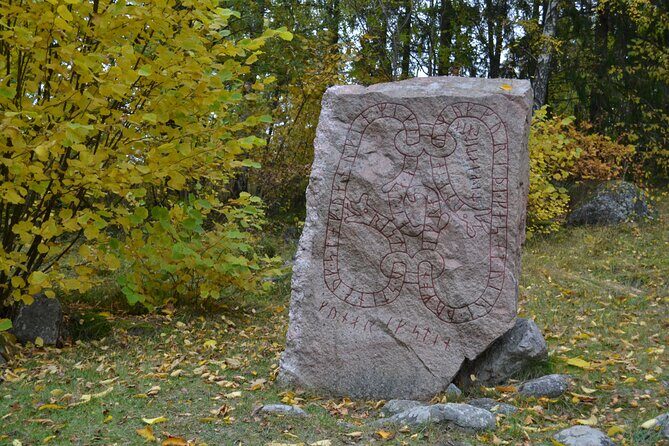
This is set up for a maximum group of 17, in a comfortable van or minibus. Each passenger gets an audio system, which matters on a long day when you’re outside, waiting for others, then crammed into a vehicle for scenic transfer time.
Pickup is offered, but it’s not a guarantee that it will be at your exact door. The guide tries to arrange pickup near your stay; if your location doesn’t fit the route or timing, you’ll use an alternative pickup address. Plan to be flexible, and set yourself up to reach that backup point without stress.
Practical note: you’re on the road for a big chunk of the day. The tour includes about 4 hours of scenic driving time between stops, so it’s smart to bring layers you can handle if the weather turns.
Stop 1: Jarlabanke Runestones and why runes matter
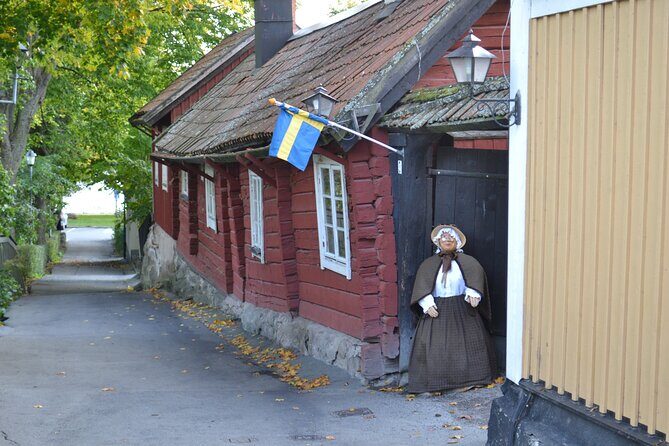
You start with the Jarlabanke Runestones, and the guide focuses on helping you read the story locked into the runic script. Expect a real explanation of how to interpret what’s on the stone—where the message comes from, what the words likely meant, and what they can tell you about Viking life.
This opening stop is valuable because it sets expectations. If you walk in thinking runes are only mysterious symbols, you leave with a framework for reading them. You also get context for the people and social world behind the stone—who commissioned it, why it lasted, and what it signaled in Viking society.
It’s also the kind of stop where you can tell whether you’ll love the rest of the day. If you enjoy the inscriptions and translation process, the rest will click. If you don’t, you may wish the later towns had more time.
Stop 2: Arkils tingstad and Viking law by the lake
From the runestones, the tour moves to Arkils tingstad, an old assembly site where Vikings gathered for meetings and court business. This stop isn’t just scenic; it’s about how communities worked.
The guide explains the Viking legal system in a way that turns the idea of a court into something you can picture: who participated, how decisions were made, and why assembly spaces mattered. Seeing it near a lake helps your brain form a timeline of where people traveled, waited, and spoke during seasonal gatherings.
This is also a good moment to stretch your legs. The stop is shorter than some others, so it works well as a mid-morning reset after the first stone work.
Stop 3: Vallentuna Church and the pagan-to-Christian shift
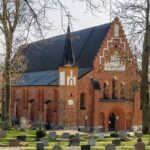
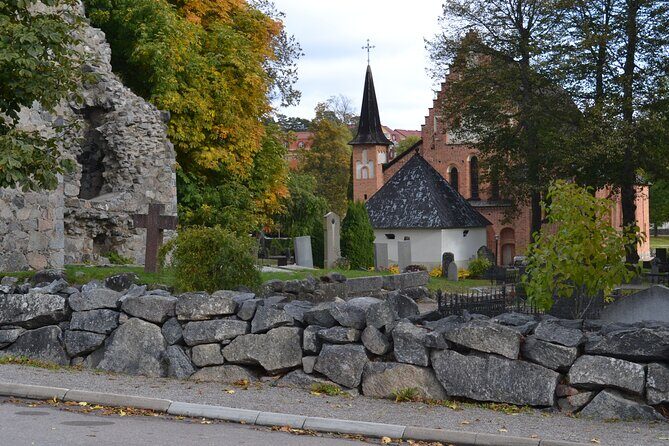
At Vallentuna Church, the focus shifts from Viking community life to the transformation era—how the region moved from pagan traditions toward Christianity. This is an old parish church dating to the late 12th century, and the guide uses it to explain what changed and what stayed.
You’ll hear about the shift from Viking-era beliefs into Christian life, plus a bit of church history related to the Church of Sweden. That may sound big-picture, but the value here is that you see the transition embodied in a real building rather than just reading about it.
If you like the moment where religions and power structures overlap, this stop gives you that hinge point: it connects earlier “how people lived” themes to later “what institutions replaced them” themes.
A few more Stockholm tours and experiences worth a look


Stop 4: Granby Farm fika and one of the biggest rune inscriptions
Then comes one of the most morale-saving parts of the tour: Granby Farm and a traditional Swedish fika break with coffee and pastry. After several guided stops, this feels like the day finally lets you breathe.
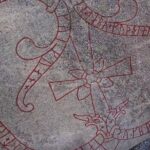
You also visit ruins linked to an older Viking settlement and see what the tour describes as one of the largest runic inscriptions in this region. Even if you’ve already seen runestones earlier, this step matters because it broadens your understanding of how inscriptions were used across locations—not only on famous stones but also within broader settlement landscapes.
Two tips from how this kind of day plays out:
- If you’re cold easily, fika time is a good chance to warm up without rushing.
- If you want better photos, take a minute before the group moves on. The window for your best angle can be short when everyone is walking in and out.
Stop 5: Sigtuna, free time by the water, and S:t Olof ruins
Sigtuna is a highlight for many first-timers because it feels like a real town, not just a stop on a checklist. It was the first capital of Sweden and remains well conserved, so your “wandering time” actually has substance.
You’ll get an introduction to the town and then time to explore. After that, the group visits the ruins of S:t Olof Church. This pairing works well: guidance first, then freedom to orient yourself, walk around, and decide where you want to look longer.
One practical consideration: lunch isn’t included. Since this day includes a shopping-or-wandering window, you’ll have a smoother time if you eat before you reach the town’s downtime. Bring a snack if you tend to get hungry mid-afternoon, because the day is long and the driving adds up.
Stop 6: The Church of Old Uppsala and burial mounds on a human scale
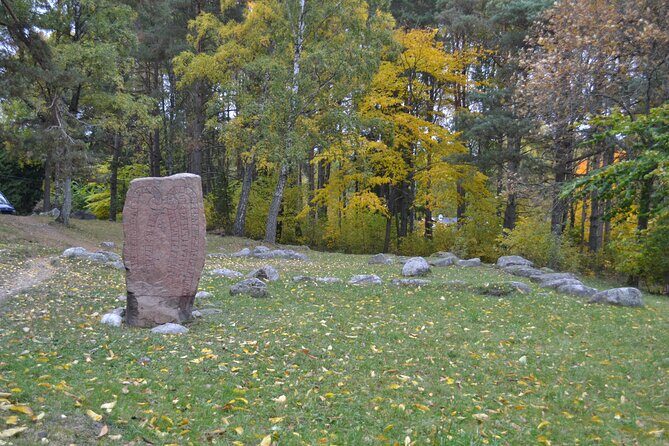
Now you move into Old Uppsala, and the tone shifts again. This is where Viking spirituality stops being abstract.
You’ll see burial mounds and the old church area—an important spiritual center for Vikings and also a place connected to early Christianity. The old kings were buried in individual mounds, and that detail changes the way you perceive the ground. These aren’t just “interesting hills.” They represent social status, power, and belief structures that shaped generations.
The guide also ties the mounds to Nordic mythology. That background matters because the site can feel empty if you don’t know what kind of meaning people attached to the place.
This stop is a strong point for the day because it’s less about text and more about place. If runes won’t hold your attention, the burial-mound experience often does.
Stop 7: Uppsala Cathedral and the living center of Sweden’s church
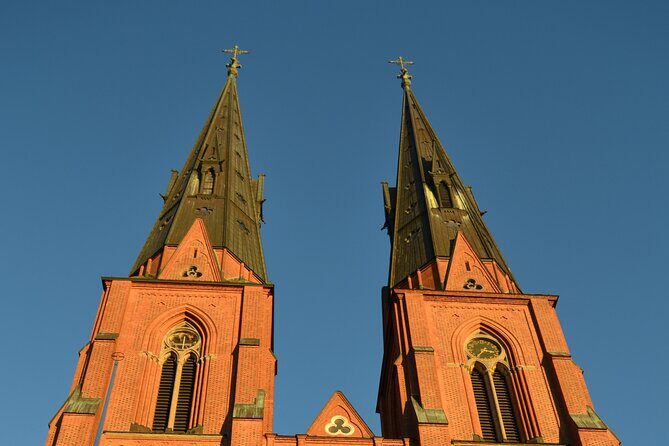
Finally, the tour ends with Uppsala Domkyrka (Uppsala Cathedral), the main church for the Church of Sweden and the seat of the archbishop. The guide provides a guided church tour and a brief city tour, so you get both architecture and context.
Why this ending works: you return from the countryside back into an institution that still functions. It turns the Viking-to-Christian story from a past event into something you can see living in the present. You also get a sense of why Uppsala mattered, long after the Viking era.
Plan for quiet attention here. Cathedrals reward patience. If you’ve spent earlier stops outdoors in wind and cold, you’ll appreciate the chance to slow down, stand still, and really look.
Value check: what you pay for, and what to plan around
At $241.36 per person for an approximately 10-hour small-group tour, you’re paying for:
- A guide who explains and translates historical material
- Multiple guided sites outside central Stockholm
- Van transportation with audio for everyone
- An included fika break
What you don’t get: lunch. That’s the main “hidden” cost risk. For value, budget for a real meal on your own and add a snack or two if you’re prone to getting hungry during long stretches.
Also note that all the listed stops are ticket-free in the plan, which helps keep your day focused on learning rather than fees. If you’re comparing tours, this is one reason the price can feel fair—your money goes toward time, guidance, and transport, not entry fees.
Who this tour fits best (and who might prefer something else)
This works best if you enjoy history with detail and explanation. You’ll get the most from the day if you like:
- Understanding how Viking life, law, and religion connect
- Learning what inscriptions say, not only where stones are
- Seeing medieval and religious sites as part of a long timeline
It may feel too long if you:
- Prefer mostly free time and fewer guided lessons
- Want less emphasis on runes and more time in towns
- Struggle with cold, wet weather while standing outside (a few people have mentioned feeling chilly on cold days)
The upside: because the group is small and the pace is structured, it’s easier to ask questions than on big bus tours.
Weather, walking, and how to prep like a local
You should be comfortable standing and doing short walks. Expect some outdoor time at multiple sites. On days that are cold or wet, bring layers and outerwear you can trust.
If you’re sensitive to discomfort, also pack:
- A warm hat and gloves
- Water-resistant shoes
- Something small to eat before the town wandering window
If audio matters to you, keep your expectations realistic. The van includes an audio system, but on some days people have found it less clear than they hoped. Bringing the right head position and staying near the front half of the vehicle can help.
Should you book this Viking tour?
Book it if you want a structured, small-group day that connects Viking-era sites with early Swedish Christian history, and you’re excited to learn what runes actually say. The combination of runestones, Old Uppsala, and Sigtuna, plus included fika, is a strong recipe for a full day outside the city.
Skip or switch to something shorter if you only care about quick photos or you don’t enjoy long guided explanations—this trip spends time on inscriptions and historical interpretation. Also factor in that it’s weather-dependent and you’ll be outside.
If you do book: eat before town time, dress for wind and rain, and treat the runes as the course syllabus for the day. Once you buy into that, the whole timeline starts to click.
FAQ
How long is the Viking tour?
It runs for about 10 hours.
Where does the tour take place?
The tour is based in Stockholm, Sweden, and visits multiple historic sites around the Stockholm area.
Is pickup available?
Pickup is offered. The guide tries to pick you up near your stay, but if it’s not convenient for the schedule, you’ll use an alternative pickup address.
What language is the tour offered in?
The tour is offered in English.
How big is the group?
The maximum group size is 17 travelers.
What is included, and is lunch included?
The tour includes a Swedish fika coffee break (normally at Granby Farm). Lunch is not included.
Are there admission fees at the stops?
In the tour plan, the stops listed do not require admission fees.
How much walking is involved?
Most travelers can participate, but you should be able to stand up and do short walks.
What happens if the weather is bad?
This experience requires good weather. If it’s canceled due to poor weather, you’ll be offered a different date or a full refund.
Can I cancel for a full refund?
Yes. You can cancel for a full refund up to 24 hours in advance of the experience start time. Cancellation inside 24 hours of the start time is not refunded.