REVIEW · KIRUNA
Snowshoe up a Mountain
Book on Viator →Operated by Outdoor North 67° · Bookable on Viator
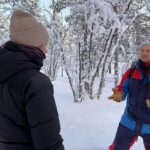
Kiruna winter light is the real headline. This snowshoe outing climbs up toward the view beyond the tree line, when the sky shifts from deep blue Kaamos light into sunset colors. You’ll also stop often to follow animal tracks in the snow, guided by Anders, who talks you through what you’re actually looking at (not just where you’re going).
The trip is a comfortable moderate effort, about 3–3.5 km, but it’s still arctic winter. One key drawback: they don’t provide extra clothing, so your warm gear matters a lot.
In This Review
- Key Highlights You’ll Actually Feel
- Kiruna’s Light Changes Everything
- The 2.5-Hour Route: What Moderate Means in Real Winter
- Pickup by Black Minivan: How to Avoid the First-Day Stress
- Snowshoeing Above the Tree Line: The Part You’ll Remember
- Animal Tracks Stops: Learning to Read the Snow
- The Top Break: Hot Drink, Photos, and Local Flavor
- Gear and Comfort: What’s Included (and What Isn’t)
- Who This Tour Suits Best (and Who Might Want to Pass)
- Price and Value: Is $146.49 Worth It?
- The Day Plan in Plain Terms: What Happens When
- Should You Book Snowshoe Up a Mountain in Kiruna?
- FAQ
- What is the duration of the Kiruna snowshoe tour?
- How long is the snowshoe route?
- What is included in the tour price?
- Is pickup included?
- What age range can join?
- Can I cancel for a full refund?
- FAQ
- What is the meeting time for the tour?
- What group size should I expect?
- What should I wear? Do they provide clothing?
- Do I get a headlamp?
- Is the activity level really moderate?
- Where should I look for the pickup vehicle?
Key Highlights You’ll Actually Feel
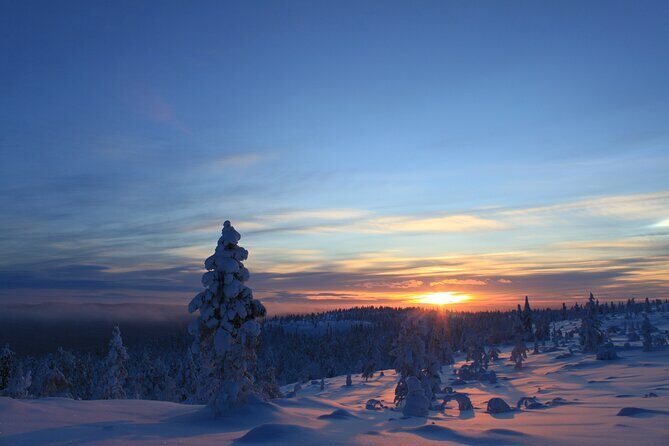
- Above the tree line: your best chance at big sunset views over the snow.
- Track-spotting with Anders: you’ll learn to read signs in the snow, step by step.
- Hot local berry juice at the top: a real warm-up break, not just a quick stop.
- Small group size (max 8): easier pacing, easier help, less crowd pressure.
- Includes snowshoes and a headlamp if needed: you’re not left figuring out winter basics.
Kiruna’s Light Changes Everything
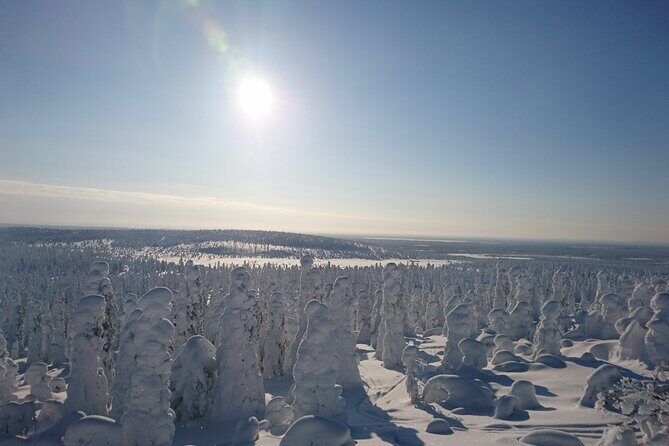
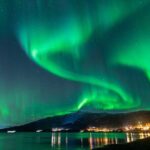
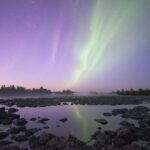
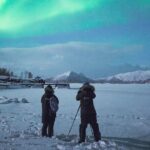
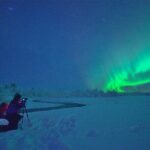
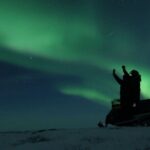
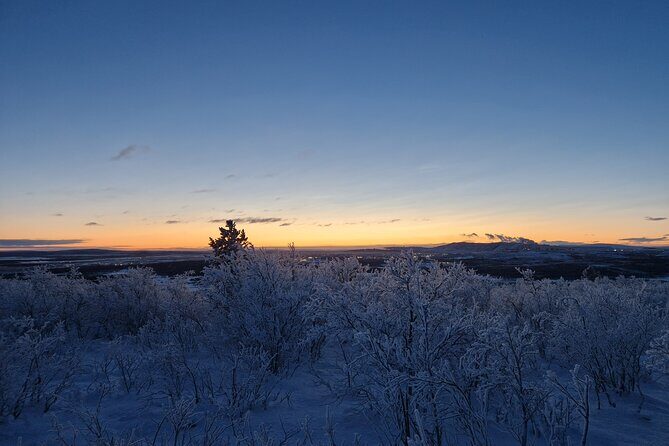
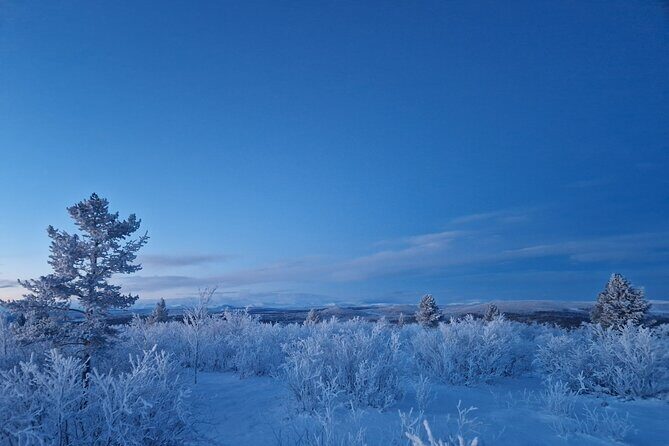
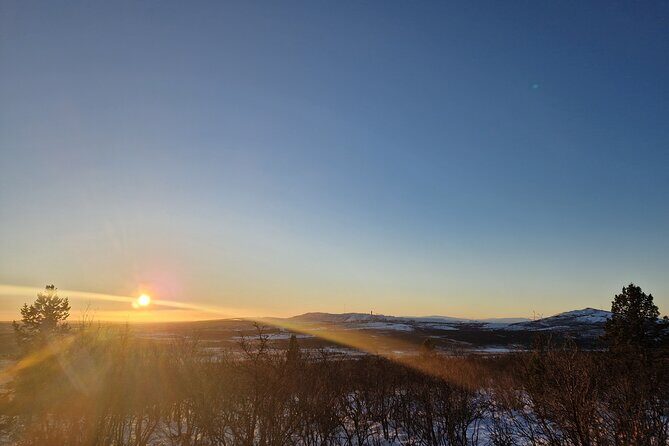
This tour is timed for the part of the day when Kiruna looks dramatic. In arctic winter, daylight doesn’t just get brighter. It changes. One moment you get that blue Kaamos light, the next you might catch a sky full of sunset colors. The plan is built around that. You’re not snowshoeing to check off a distance only. You’re snowshoeing to reach a viewpoint where the light can work its magic.
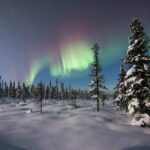
Going above the tree line is a big deal here. Trees can hide the horizon, and in this part of Sweden the sky often does most of the storytelling. When you rise out of the forest cover, you’re more likely to see the full spread of the winter terrain, with sky and snow sharing the frame. Even when the weather is typical and not postcard-perfect, the feeling of open air and wide views stays the highlight.
A few more Kiruna tours and experiences worth a look
The 2.5-Hour Route: What Moderate Means in Real Winter
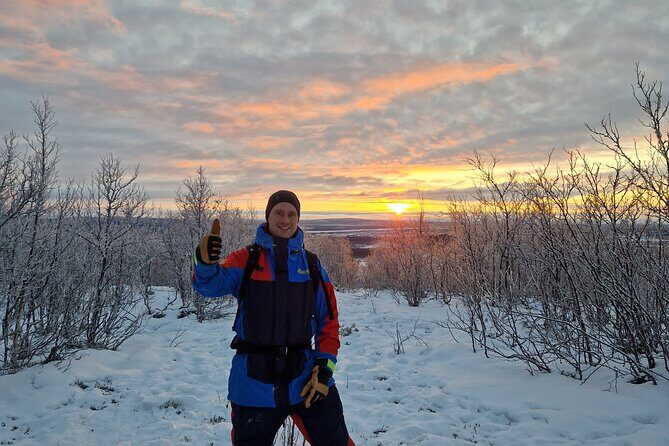
The activity runs about 2 hours 30 minutes, and the walking distance is roughly 3 to 3.5 km. That doesn’t sound huge on paper, but snowshoes change the physics. You’re moving through soft, uneven snow, and your balance needs a little extra attention.
Moderate here means you should be comfortable walking at a steady pace without needing constant breaks. The group likely goes as a unit, with regular pauses for animal tracks and other forest clues. That pacing helps. You’re not sprinting up a slope. You’re climbing in a controlled way, then returning at a relaxed rhythm.
One practical takeaway: don’t plan this as an easy “walk around town” after a heavy day. If you’ve been sitting a lot, add a little movement before you go. Stretch your legs and hips. You’ll thank yourself halfway up.
Pickup by Black Minivan: How to Avoid the First-Day Stress
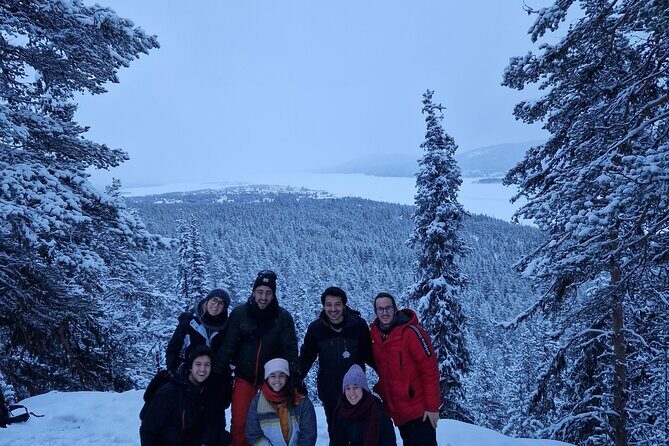
This is the kind of tour where logistics matter, because winter days can be slippery and dark. Pickup is included from three Kiruna spots:
- Camp Ripan (about 10 minutes prior to the activity start)
- Tourist Information (about 5 minutes prior)
- Hotel Scandic (at start time)
The meeting instructions are clear about the vehicle too: look for a black minivan with the logo on67°. Pickup begins from Camp Ripan first, then continues through Kiruna’s areas before ending at Hotel Scandic.
Why this matters for your comfort: you can focus on the walk instead of timing buses, finding rental gear, or negotiating taxis in winter light. Also, a small group plus shared transport usually means less waiting once the guide has everyone.
Snowshoeing Above the Tree Line: The Part You’ll Remember
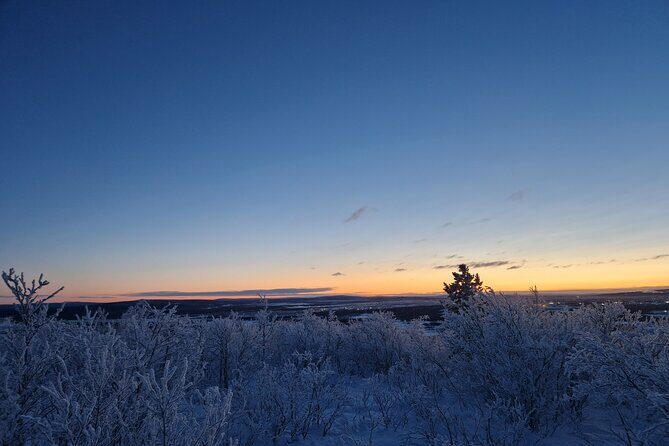
At the top, you’re there for two things: air and view. The tour aims to get above the tree line so you can see the winter terrain with fewer obstructions. That’s the difference between “we walked in snow” and “we reached a viewpoint.”
On the climb, the guide keeps the attention off the hard part. You get frequent pauses. That’s when the route becomes more than cardio. It becomes observation time.
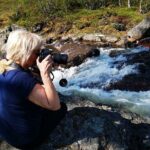
And yes, you’ll want your camera ready. Photos at the top can be tricky in cold hands, so plan to take pictures in short bursts. The group size is small (max 8), which helps because you’re not waiting for a perfect shot while half the group freezes in awkward positions.
Animal Tracks Stops: Learning to Read the Snow
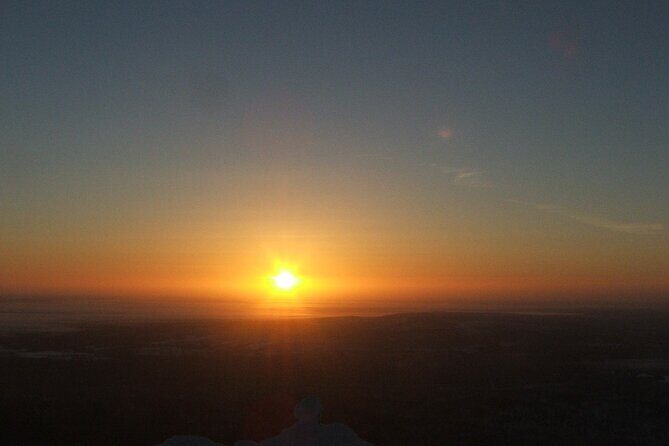
This is where the guide really earns the “worth it” stamp. Anders doesn’t just point and say animal; he explains what the signs suggest, and why those tracks appear the way they do.
Expect regular stops on the way up where you can:
- check out animal tracks
- look at other forest features in the snow
It’s not technical survival training. It’s the kind of learning that sticks because it happens right where you’re standing. You start noticing patterns: spacing, direction, and how tracks interact with the snow surface.
One extra fun detail from the experience: Anders also learned animal names in Italian for the group. That kind of personal touch turns a winter science lesson into a shared moment, and it’s exactly the reason small group tours feel better than a giant van full of strangers.
The Top Break: Hot Drink, Photos, and Local Flavor
While you’re up high, you get a warm break. The tour includes a hot local berry juice, and it’s served while you’re enjoying the view. That matters in arctic winter more than people expect. Even if you dress well, your body loses heat faster during active movement, and a proper warm drink helps your hands and mood reset.
The experience also includes snow time comforts beyond the basics. Reviews mention homemade berry juice plus cakes/cookies at the top. One person even noted gluten-free cookies were arranged. That suggests the guide pays attention to small needs, even inside a group format.
What to do with this break: don’t rush it. Cold travel often makes people want to “get it over with.” But the top break is part of the point. Sip, breathe, take pictures, then enjoy the return with energy still in your legs.
Gear and Comfort: What’s Included (and What Isn’t)
Good news first: snowshoes are included, and you’ll also get a headlamp if needed. That’s a smart combo. Snowshoeing gear keeps you moving safely. A headlamp helps if conditions shift or the light is low by the time you’re heading back.
Now the part you must manage yourself: they do not provide any additional clothing. So you need to dress for arctic winter like you mean it.
Here’s the checklist mindset:
- Insulation for cold air and wind
- Layers you can adjust as you warm up
- Gloves that let you handle trekking/snowshoe motions
- Footwear with reliable grip in snow
If you want one extra tip from the experience itself: one guest recommended buying heat warmers from Anders at the start. That’s not listed as a standard inclusion, but it’s worth knowing the option exists if you run cold easily.
Who This Tour Suits Best (and Who Might Want to Pass)
You’ll likely love this tour if you want:
- small-group pacing (max 8)
- a guided experience where you learn what you’re seeing
- above-tree-line views with a winter sunset vibe
- an active outing that isn’t a full-on hike marathon
This is also a solid fit for people who are traveling with limited winter outdoor experience. The guide handles the “how” (snowshoe movement and route pacing) and the “what” (animal tracks and forest features).
I’d think twice if you’re very sensitive to cold, especially since they don’t provide extra clothing. Also, if moderate walking feels like too much right now, the snowshoe distance can still feel like a lot. Snowshoes aren’t hard, but they do add effort.
Price and Value: Is $146.49 Worth It?
At $146.49 per person, this isn’t a cheap add-on. But it’s not just “a walk.” Your money is covering several practical pieces:
- guided navigation and pacing on snowy terrain
- snowshoes included
- a winter warm drink (hot local berry juice)
- a small group format (max 8)
- pickup from multiple Kiruna locations
- additional winter support like a headlamp if needed
Here’s how I’d judge the value in your own travel reality: if you’d otherwise rent snowshoes, arrange a guide, and find your own way to the right viewpoint, costs can stack quickly. And self-guided track-spotting is hard. The best part of this tour is learning what the signs mean, while you’re standing in front of them. That’s where the guide turns the day from scenery into understanding.
For $146.49, you’re paying for someone else to handle the winter details and keep you moving safely and comfortably. If you want that kind of easy competence, it reads as good value.
The Day Plan in Plain Terms: What Happens When
You start with pickup, then meet the guide and group in time to head out. The overall time on the move adds up to about 2.5 hours, including the climb, the stops, and the top break.
Once you’re on the trail, the rhythm looks like this:
- climb toward the open view area above the tree line
- stop regularly to check animal tracks and forest features
- reach the top for a hot berry juice break and a bit of photo time
- return with the same steady, group-friendly pacing
Because the start time is 1:00 pm, you’re going out during afternoon light and winter daylight shifts. That timing usually works well for sunset conditions, if the sky cooperates.
Should You Book Snowshoe Up a Mountain in Kiruna?
If you want a winter experience that mixes effort with learning and warm comfort, I’d book it. The strongest reason is the format: a small group guided by Anders, with meaningful stops to read the snow and a real warm break at the top.
I’d only skip it if you’re not willing to dress properly for arctic conditions, or if walking moderate distances in snowshoe gear isn’t your thing. Otherwise, this is the kind of Kiruna outing that gives you both view and context, not just time on a trail.
FAQ
What is the duration of the Kiruna snowshoe tour?
The tour lasts about 2.5 hours.
How long is the snowshoe route?
The distance is roughly 3 to 3.5 km.
What is included in the tour price?
Snowshoes, hot local berry juice, a headlamp if needed, and a local guide are included.
Is pickup included?
Yes. Pickup is included from three spots in Kiruna: Camp Ripan, Tourist Information, and Hotel Scandic.
What age range can join?
The minimum age is 12 years.
Can I cancel for a full refund?
Yes. You can cancel for a full refund up to 24 hours in advance.
FAQ
What is the meeting time for the tour?
The start time is 1:00 pm.
What group size should I expect?
The maximum group size is 8 travelers.
What should I wear? Do they provide clothing?
They do not provide additional clothing. You should dress according to the weather and the activity.
Do I get a headlamp?
A headlamp is included if needed.
Is the activity level really moderate?
Yes, the activity level is listed as moderate, with travelers advised to have moderate physical fitness.
Where should I look for the pickup vehicle?
Look for a black minivan with the logo on67°.