REVIEW · STOCKHOLM
Stockholm: Scandinavian Architecture & Design Ostermalm Tour
Book on GetYourGuide →Operated by XperienceSthlm · Bookable on GetYourGuide
Stockholm works best when you slow down and look up. This Östermalm architecture and design tour strings together classic façades, art-world names, and modern Swedish style so you start seeing the city as one design story. I love the mix of major landmarks with street-level details you’d miss on your own, and I also love the hands-on stops like the Östermalm Food Market and the design shops. The only real drawback is time: at 3 hours, it’s a lot of stops, so you’ll want comfortable shoes and a phone ready for photos.
One nice bonus: the guides are sharp and responsive. In past groups, the tour has even swapped in a different English-speaking guide when plans changed, so you’re not left hanging. Still, this is a walking-and-looking tour, not a deep museum marathon—if you prefer long indoor time, you may wish it ran closer to half a day.
In This Review
- Key highlights worth marking on your map
- Östermalm: where Swedish design shows its “day-to-day” face
- Svampen start: easy to find, short and brisk pace
- Stureplan and Danileuska Huset: Stockholm’s city-energy meets style
- Östermalms Saluhallen: food hall browsing with real local context
- Östermalm District streets: design culture on the move
- Strandvägen and the Royal Dramatic Theatre: views plus culture notes
- Kungsträdgården Park and the Royal Swedish Opera: beauty with a purpose
- National Museum finish: sculpture garden and a great stopping point
- Price and value: is $66 worth 3 hours of design in motion?
- Should you book the Stockholm Scandinavian Architecture & Design Östermalm Tour?
- FAQ
- Where does the tour start?
- How long is the tour?
- What is the group size?
- What language is the tour guide?
- What’s included besides the guided walking?
- Where does the tour end?
- Is the tour wheelchair accessible?
- What’s not allowed during the tour?
Key highlights worth marking on your map
- Svampen meetup: Start under the mushroom-shaped rain cover so you can find the group fast.
- Stureplan’s Danileuska Huset photo stop: A quick but memorable look at how Stockholm’s “new city” styling evolved.
- Östermalms Saluhallen / Food Market hall: You’ll get guided context plus time to browse and try local snacks.
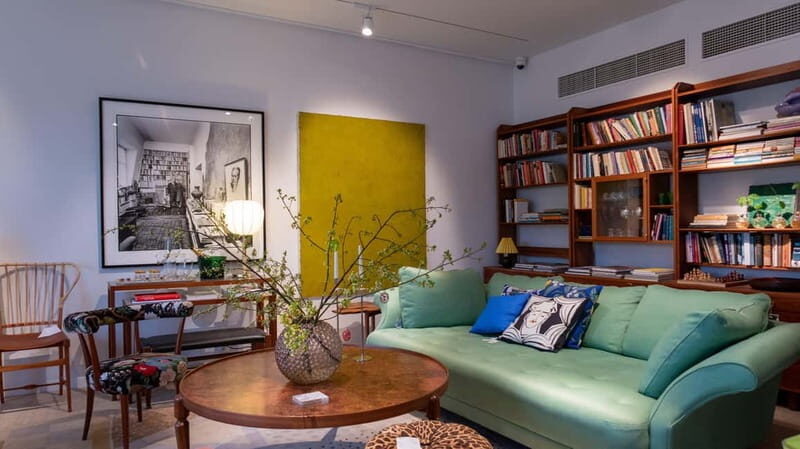
- Design-shop stops (Nordiska Galleriet, Svenskt Tenn): Real Swedish design brands, not just theory.
- Royal Dramatic Theatre and the Bergman connection: Architecture meets cinema culture.
- National Museum sculpture garden at the end: A scenic finish that feels like Stockholm saying thanks for walking.
Östermalm: where Swedish design shows its “day-to-day” face
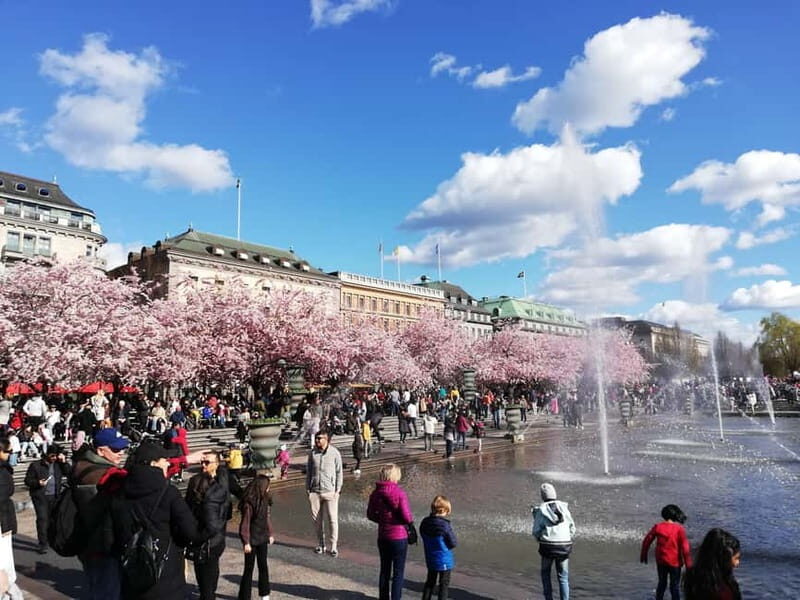
Östermalm is Stockholm for people who like their beauty tidy, intentional, and slightly understated. You’ll move through streets where architecture isn’t just background—it’s part of how Swedes express taste, craft, and identity.
What makes this tour work is the way it connects eras. You’ll be guided through the city’s shifts from the 1800s onward, then into the more modern design-thinking you still see today. That means you’re not only admiring buildings—you’re learning how those buildings made room for art, fashion, and design culture.
And the neighborhood is a practical choice. With major landmarks close together, you get a lot of visual variety without long transfers. It’s a smart “first design tour” for Stockholm, especially if you want your photos to look like they belong together.
You can also read our reviews of more tours and experiences in Stockholm.



Svampen start: easy to find, short and brisk pace
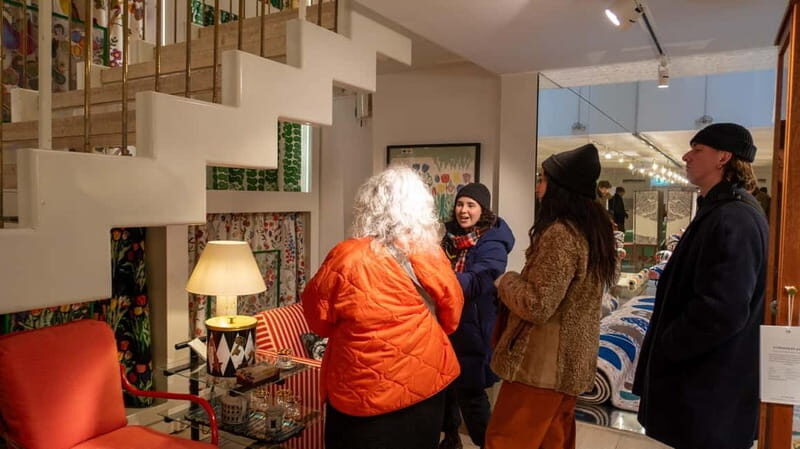
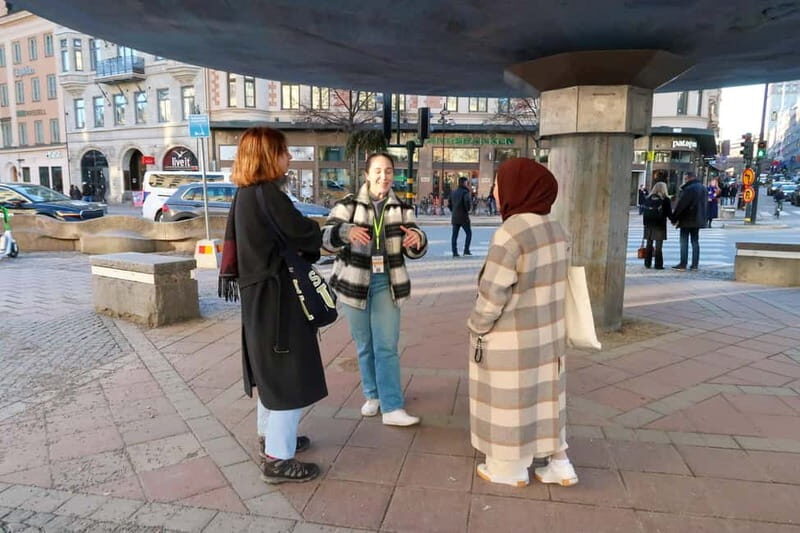
The tour begins at Svampen, under the rain cover that looks like a mushroom. Plan to arrive 5 to 10 minutes early and look for the guide with a neon name-tag lanyard. This matters more than usual because the group stays small—up to 10 participants—so the start time is typically respected.
The pace is active but not frantic. You’ll have multiple photo stops, a couple short guided looks, and a few stretches where you just walk and absorb the architecture. At the same time, it’s only 3 hours, so you won’t have time to linger forever outside the group.
If weather is bad, you’ll want that umbrella and rain gear packed. Stockholm can flip from dry to drizzle without warning, and the tour keeps moving outdoors between key sights.
Stureplan and Danileuska Huset: Stockholm’s city-energy meets style
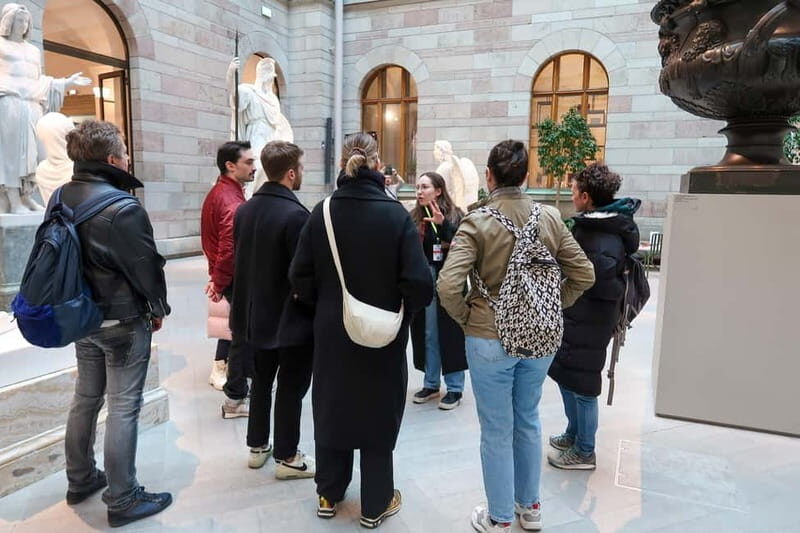
Your first meaningful stop is Stureplan, with a guided introduction plus a 30-minute photo stop and sightseeing. This is where the tour helps you understand Stockholm’s “new city” energy—the way the neighborhood looks polished, confident, and modern while still nodding to older styles.
The highlight here is Danileuska Huset. Even if you’re not an architecture nerd (no judgment), you can learn what to look for. The guide points out how façade rhythm, proportions, and decorative choices communicate status and taste. It’s the kind of lesson that upgrades your street-walking immediately, because you start noticing design decisions instead of just seeing buildings.
Practical tip: bring your best zoom-and-steady stance here. You’ll want clear shots of the building and the broader square views, but you also don’t want to stand awkwardly in the path of other pedestrians. Take one clean photo, then step aside while you read the guide’s cues.
Östermalms Saluhallen: food hall browsing with real local context
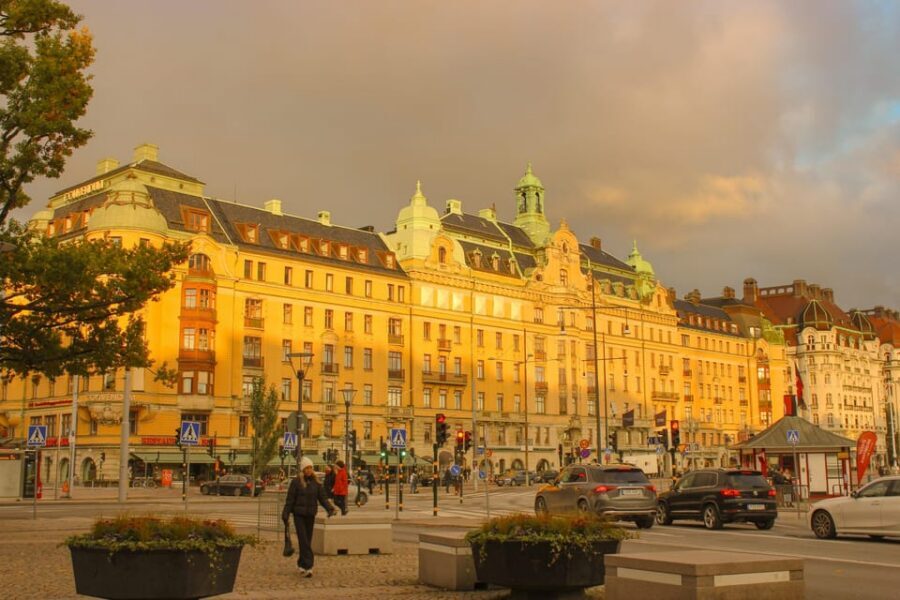
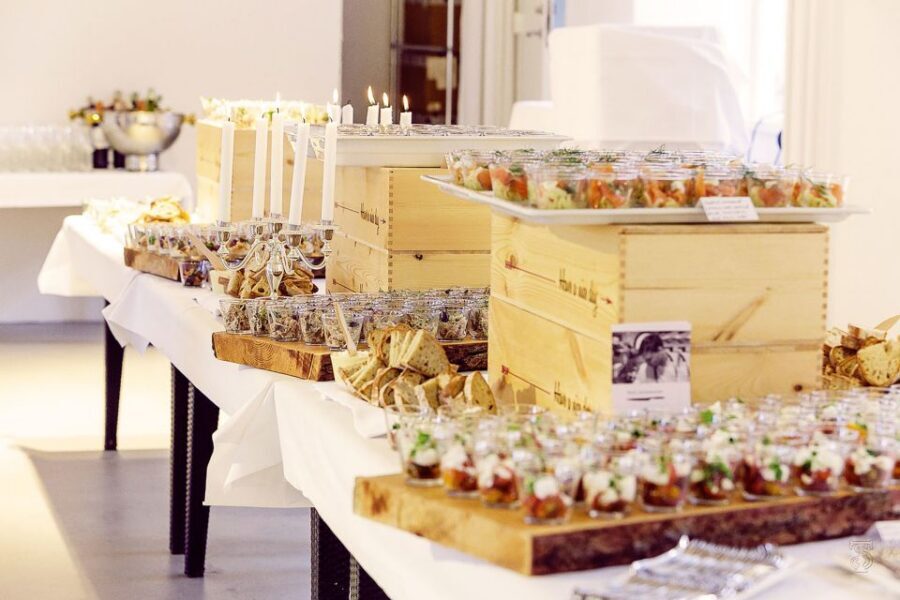
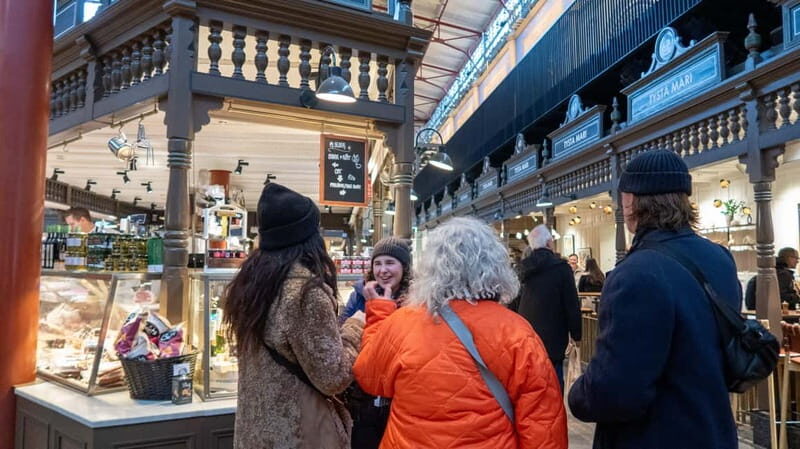
Next up is the famous market hall stop at Östermalmshallen (listed as Östermalms Saluhallen). You’ll get a guided visit, time for shopping and local snacks, and a food market visit that leans regional rather than touristy.
This is one of my favorite kinds of tour moments. A food market can feel random if nobody tells you what you’re seeing. Here, the guide gives you the story behind the space and how it fits into the neighborhood’s design and lifestyle reputation. Then you get the freedom to taste and browse.
You’ll likely find that the market hall is also a visual feast. Even if you don’t buy anything, it’s a break from pure street façades. And because the group stays small, you can actually ask questions without the guide repeating the same answer five times.
Small drawback to keep in mind: this stop includes shopping and snacks, so if you’re trying to keep your budget tight, decide early if you want to sample just one thing. The time is capped, and you don’t want to rush your choices.
Östermalm District streets: design culture on the move
After the market, you continue through the Östermalm District area with time to visit, shop, and pass by key sights. This is where the tour stitches together the design theme beyond the big landmark names.
You’re in a neighborhood that’s closely tied to Swedish fashion and design—so the buildings and shopfronts aren’t just “nice.” They reflect the broader idea that design lives in everyday spaces, not only museums or galleries.
This is also where the tour focuses on Swedish household brands and institutions. You’ll hear about the kind of design thinking that shows up in retail and interior objects, and you’ll get pointed toward places connected to art culture, including references tied to Berns Hotel and Hallwyl Museum. Even when you’re not going inside every place, the guide helps you understand what the architecture is saying.
And yes, the story includes the broader Swedish design ecosystem—shopping, public space, and even design influences you’ll recognize from daily life.



Strandvägen and the Royal Dramatic Theatre: views plus culture notes
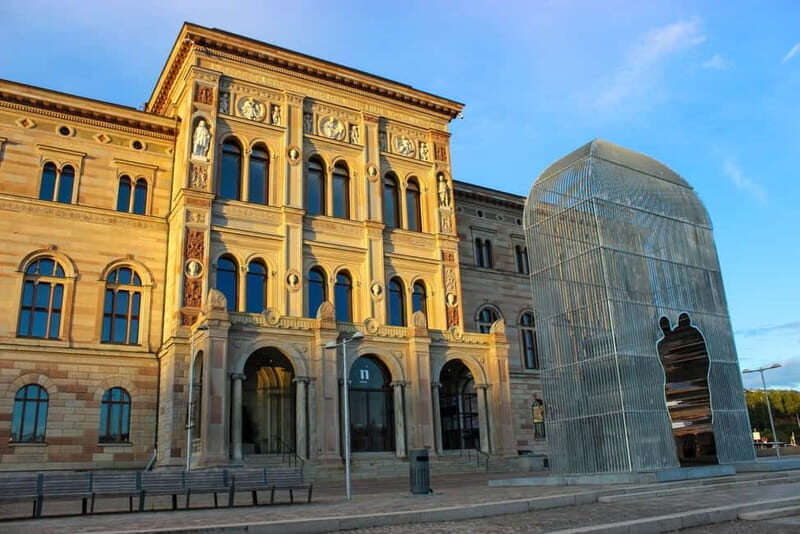
Then you hit Strandvägen, with a 15-minute stretch that includes break time, a guided walking component, and a scenic view moment. Strandvägen is the kind of Stockholm street where you immediately understand why people keep coming back: sky, water, and carefully framed building lines.
This part of the tour is practical. It gives your feet a small rest and gives your brain a chance to look at the city at scale, not just close up.
From there, you go to the Royal Dramatic Theatre area for a quick photo stop and guided look. The connection to Ingmar Bergman is part of the tour’s point: Swedish architecture and design aren’t isolated from the arts. Theater, film, and buildings feed each other—space shapes performance, and performance shapes cultural identity.
Tip for photos: stand where the guide tells you, then take one or two shots from that angle. For Stockholm waterfront streets, a small shift in position can mean a big difference in how the skyline lines up.
Kungsträdgården Park and the Royal Swedish Opera: beauty with a purpose
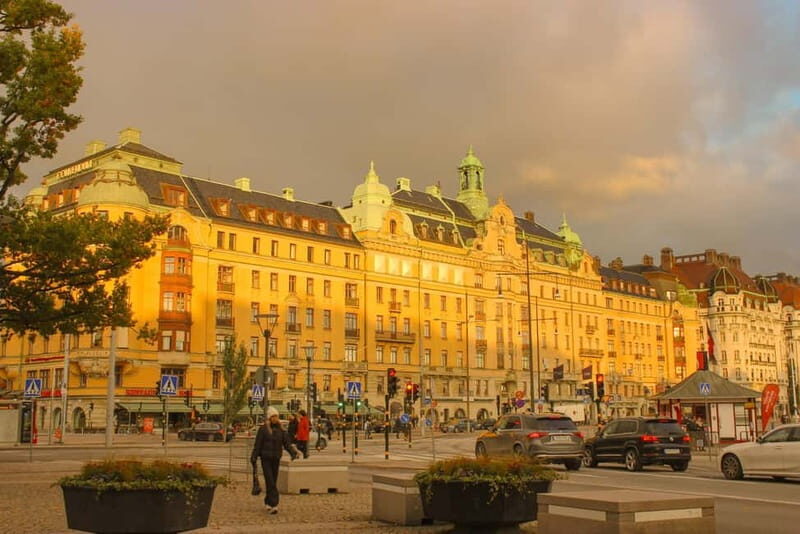
You next spend time at Kungsträdgården Park with a short walk-through and guided sightseeing. The stop is 10 minutes, so it’s not about camping out on a bench. It’s about learning how Stockholm uses green space to soften the city’s edges while keeping sightlines open.
Then you move to the Royal Swedish Opera area for sightseeing and walking (about 15 minutes). This is a nice pairing with the theater stop earlier. You’ll see how Stockholm’s performing-arts architecture signals importance through presence, materials, and how it sits in the city plan.
Even if you’re not into opera, you’ll enjoy this as a design lesson. The building isn’t only a destination; it’s a landmark that organizes how you understand the surrounding streets.
National Museum finish: sculpture garden and a great stopping point
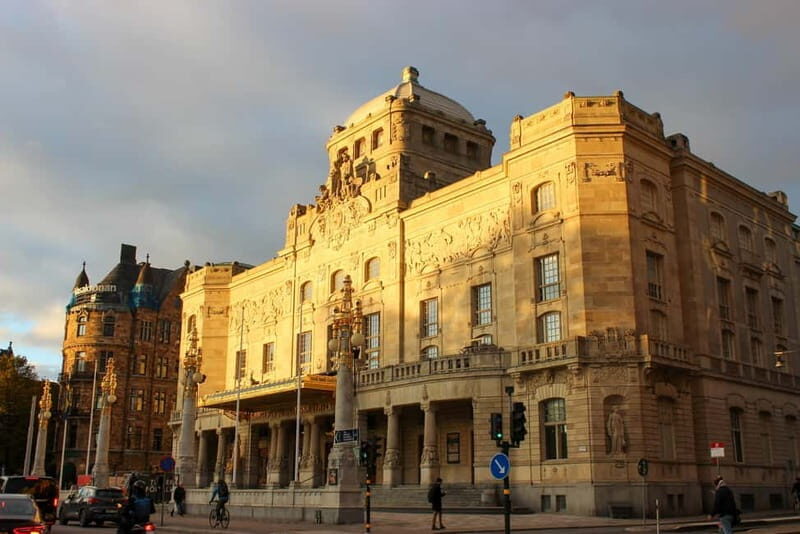
The tour ends at the National Museum, with the day’s last short segment built around photo time, a guided visit, sightseeing, and walking, plus a scenic moment near sunset. You’ll also specifically get access to the National Museum sculpture garden, which is a smart way to close a design-focused tour.
This stop is valuable because it gives the tour’s theme a place to land. After street-level architecture and design-brand stops, stepping into a museum setting helps you connect what you saw outside with a wider art context.
The tour also notes skip-the-line via a separate entrance. That’s meaningful when you’re on a schedule and don’t want to burn the last stretch of your 3 hours waiting indoors.
Practical photo note: this finish is short—so if you love details, look for one or two sculpture angles rather than trying to photograph everything. You’ll come away happier with fewer, better shots.
Price and value: is $66 worth 3 hours of design in motion?
For $66 per person, this tour packs in several things you usually pay extra for on your own. You’re getting a local guide focused on art history, architecture, and Swedish design, plus structured stops that include two design household-name shops and a visit to the food market hall. You also get time at a major museum setting, with the sculpture garden included.
It’s not a cheap tour, but it’s also not just “walk and point.” The design shops (including Nordiska Galleriet and Svenskt Tenn) turn the architecture story into something tangible—objects and interiors that show how Swedish style becomes real. And the food market stop adds a human scale to all those façades.
Who gets the best value?
- People who want a design-and-architecture overview without committing to a full day
- First-time visitors who want Stockholm’s visual logic explained
- Shoppers and design lovers who like seeing brands in their natural habitat
One consideration: because the themes are wide, the 3-hour format can feel tight. A longer version would give more time to slow down, especially if you’re the type who reads every label and wants to linger in a shop.
Should you book the Stockholm Scandinavian Architecture & Design Östermalm Tour?
I’d book it if you want Stockholm to feel understood, not just seen. The small group size, the practical pacing, and the combination of architecture + food market + design shops make this a strong way to learn the neighborhood quickly.
Skip it only if you want lots of long museum time or if you dislike walking-based tours. This one is built for moving—stops are short, and you’re meant to take the information and the visuals with you as you go.
If you do book, wear comfortable shoes, bring your weather gear, and keep your expectations aligned with a fast, friendly design walk. Done right, you’ll leave Stockholm not only with photos, but with better eyes.
FAQ
Where does the tour start?
It starts at Svampen, under the mushroom-like rain cover. Arrive 5 to 10 minutes early and look for the guide with a neon name tag lanyard.
How long is the tour?
The duration is 3 hours. Starting times depend on availability.
What is the group size?
It’s a small group limited to 10 participants.
What language is the tour guide?
The tour is guided in English.
What’s included besides the guided walking?
You’ll have visits to two design shops, a stop at Östermalm’s food market hall, and a visit to the National Museum’s sculpture garden.
Where does the tour end?
The tour finishes at the National Museum.
Is the tour wheelchair accessible?
Yes, it’s wheelchair accessible.
What’s not allowed during the tour?
Flash photography, tripods, and video recording are not allowed, along with weapons/sharp objects and alcohol or drugs.