REVIEW · STOCKHOLM
Viking History, Runes & Countryside 9h Tour to Sigtuna & Uppsala
Book on Viator →Operated by Sweden History Tours · Bookable on Viator
Riddles of runes, set in real places. This full-day outing strings together Viking power, law, and burial sites around Stockholm, then finishes in the medieval world of Sigtuna and Old Uppsala.
I especially like how the tour uses physical sites you can stand on: the rune-stone areas at Broby Bro and Jarlabanke, plus the preserved assembly setting at Arkils tingstad. I also like the built-in comfort and time-saving—hotel or port pickup, an air-conditioned vehicle, and a small-group cap of 19.
One thing to watch: it’s a 9-hour day with lots of stops and tight timing, so if you want a slow wander in just one place, Sigtuna and Uppsala may feel fast.
In This Review
- Key highlights that make this tour worth your day
- A 9-hour Viking day built around real power centers
- Price and value: what $298.53 buys you in practice
- Getting picked up in Stockholm (and how to avoid first-day stress)
- Broby Bro: Estrid, runestones, and the family story behind the graveyard
- Jarlabanke Runestones and the reconstructed bridge you can walk
- Arkils tingstad: Viking law and assembly at a well-preserved thing site
- St. Olof Church ruins: 1120 AD history with a king’s dramatic story
- Sigtuna’s wooden-town boardwalk: guided history plus real free time
- Gamla Uppsala: massive burial mounds and early royal power
- Uppsala Domkyrka and the university story inside the historic district
- Uppsala Castle courtyard: viewpoints, history, and that darker edge
- Comfort, pace, and walking level: what your shoes should handle
- Who this tour fits best (and who might find it too packed)
- Guides make the difference: what to look for on your tour date
- Should you book this Viking History, Runes & Countryside 9h Tour?
- FAQ
- How long is the tour?
- What’s included in the price?
- Is the tour offered in English?
- Where does pickup happen in Stockholm?
- Do you get a port pickup for cruises?
- How big is the group?
- Do I need to pay admission fees for the stops?
- What should I wear?
Key highlights that make this tour worth your day
- Jarlabanke’s rebuilt bridge crossing: walk a recreated causeway tied to a Viking leader and the power structure behind it
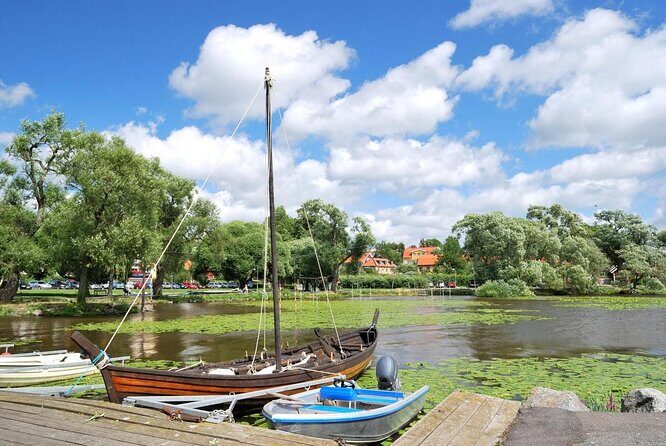
- Arkils tingstad thing site: one of the best-preserved assembly places, with law, social customs, and Viking ships from the lakeside
- Broby Bro runestones and Estrid: see gravefields and hear how a famous woman called Estrid is part of the story
- Sigtuna’s 60-minute wooden-town stroll: time with your guide, then your own free explore (plus fika or coffee options)
- Gamla Uppsala burial mounds: massive hills tied to early royal power before the Swedish kingdom
A 9-hour Viking day built around real power centers
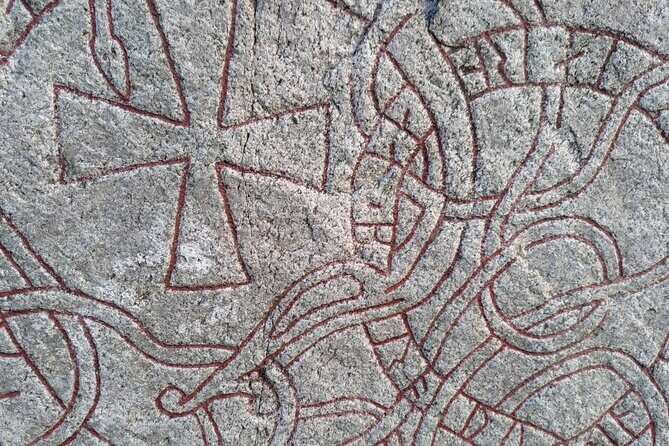
If you like history that you can touch, this is the right kind of day. You won’t just read about Viking leadership and belief—you’ll move from runestones and gravefields to an assembly site built for decisions, then into towns that grew up around churches, learning, and kings.
The big idea is simple: Viking life wasn’t only raids and ships. It was also rules, family status, burial customs, and public meetings. The tour keeps returning to those themes while you’re on the ground in Sweden.
You can also read our reviews of more historical tours in Stockholm

Price and value: what $298.53 buys you in practice
At $298.53 per person for about 9 hours, the value comes from what’s wrapped in. You get a professional local Viking expert guide, plus hotel or port transfers and an air-conditioned vehicle. The tour also lists admission as free for the scheduled stops, which matters when you’re stacking multiple heritage sites in one day.
There’s also a group size advantage. This runs with a maximum of 19 people, and smaller groups often make it easier to ask questions without shouting over the van. Guides in this operation are frequently described as adapting the pacing to daylight and timing—useful when you’re moving from countryside sites back into town.
Getting picked up in Stockholm (and how to avoid first-day stress)
The tour starts at 9:00 am, with pickup typically 30 to 60 minutes before departure. If you’re staying within 3 km of Stockholm Central Station, hotel pickup is included. If you’re farther out—or if your hotel is in an area where the vehicle can’t reach—expect a short walk to a nearby pickup point.
For cruise passengers, the pickup depends on which harbor you dock at. This tour includes cruise port handling for Frihamnen, Värtahamnen, and Stadsgården, with specific meeting instructions for each pier/terminal zone. If your ship arrives at Nynäshamn, pickup is not included because it’s about 50 km away; you’ll need to connect to central Stockholm yourself.
Practical tip: have your phone handy and ready to communicate during pickup. The meeting points depend on where your ship docks, and the tour runs on timing.
Broby Bro: Estrid, runestones, and the family story behind the graveyard
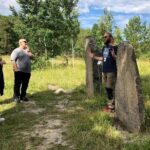
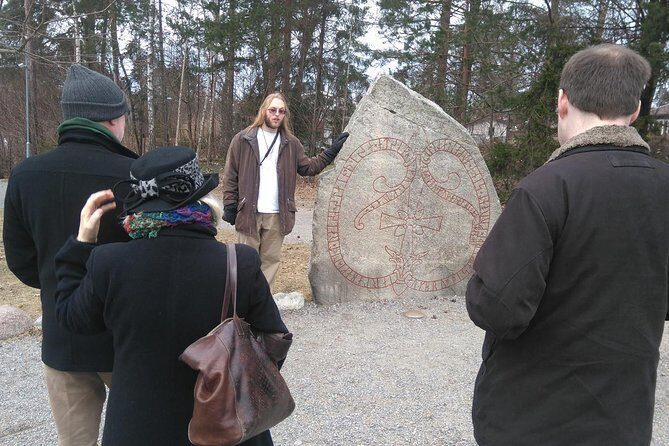
You start at Broby Bro, a Viking-era site where runestones and burial ground work together as one narrative. This stop focuses on runestones flanking the area and what they tell about the family living there—who they were, and what they wanted remembered.
A standout detail here is the mention of Estrid, an identified Viking woman’s skeleton in Sweden, tied to Broby Bro. The tour frames her as a person whose life story may connect to far travel—possibly even to Jerusalem—so you get a Viking setting that feels wider than Scandinavia.
You’ll also get the basics of Viking burial customs and Old Norse context in a way that fits the place you’re standing in. The site is not trying to be a museum maze; it’s meant to help you picture how communities lived and left their marks.
Jarlabanke Runestones and the reconstructed bridge you can walk
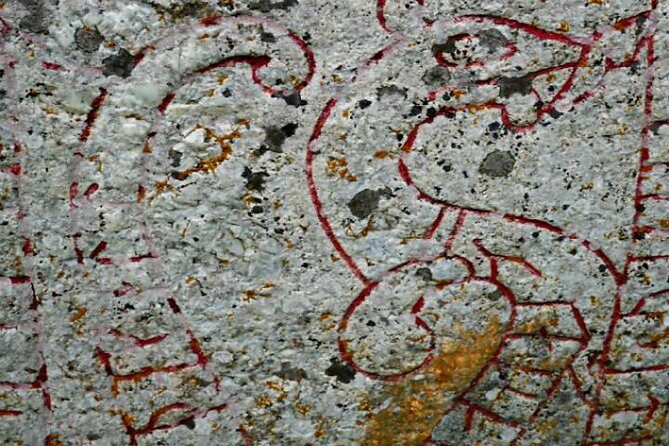
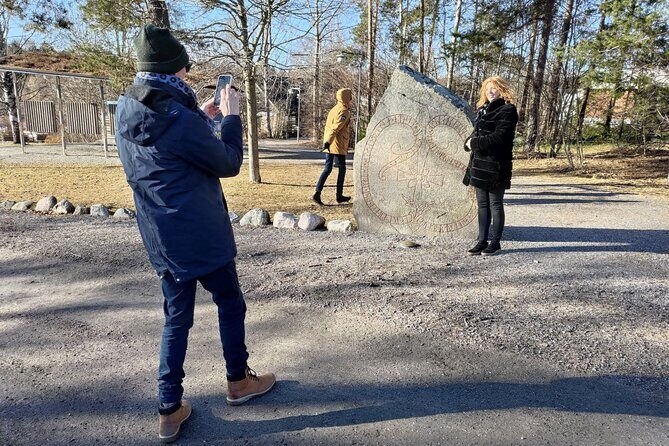
Next comes the Jarlabanke area, with time to see runestones and then physically cross a reconstructed Viking causeway bridge. The bridge is described as about 150 meters (495 feet), built to recreate what Vikings likely used long ago.
This is one of the most cinematic parts of the day because you can feel the “before and after” of power. The tour talks about the braggy Viking lord who built the bridge and, more importantly, what that says about social division. In other words, this isn’t just a photo stop—it’s a lesson in how status showed itself in the landscape.
If you’re someone who likes to connect symbols to structure, this stop clicks. Rune messages aren’t vague decoration; they function as public statements.



Arkils tingstad: Viking law and assembly at a well-preserved thing site
Arkils tingstad is a preserved thing site, one of the best in the world for imagining how assembly worked. If your mental picture of Vikings is all combat and travel, this stop is the correction.
The guide explains Viking law and social customs while you can visualize the preserved structures and how decisions may have been made. Then you move toward the lakeside for ship and exploration context, which helps balance the day: you’re not only learning how Vikings organized society, but also why they had the mobility and motivation to expand.
A big advantage here is the preservation. When something is preserved in place, you don’t have to work hard to picture the setting. Your brain can do more of the “historian work” with less imagination.
St. Olof Church ruins: 1120 AD history with a king’s dramatic story
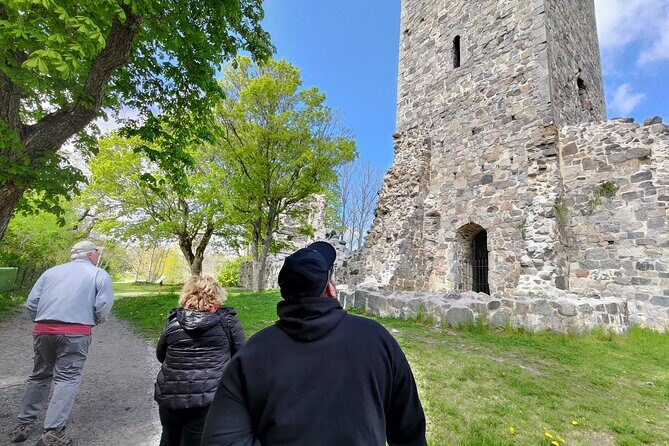
Sigtuna’s area includes an important stop: the ruins associated with St. Olof Church, dating to about 1120 AD. The story you’ll hear is about Olof—linked to a king’s fall from glory and the attempt to reclaim what was lost.
This works well because it gives Viking-era momentum a bridge into medieval Sweden. You’re not jumping from Vikings directly to “modern city life.” You’re seeing how Christian and royal power structures take root in the same region where earlier Scandinavian life was shaped by different systems.
The ruins are also compact, so you don’t lose too much time before you’re back in walking mode in Sigtuna.
Sigtuna’s wooden-town boardwalk: guided history plus real free time
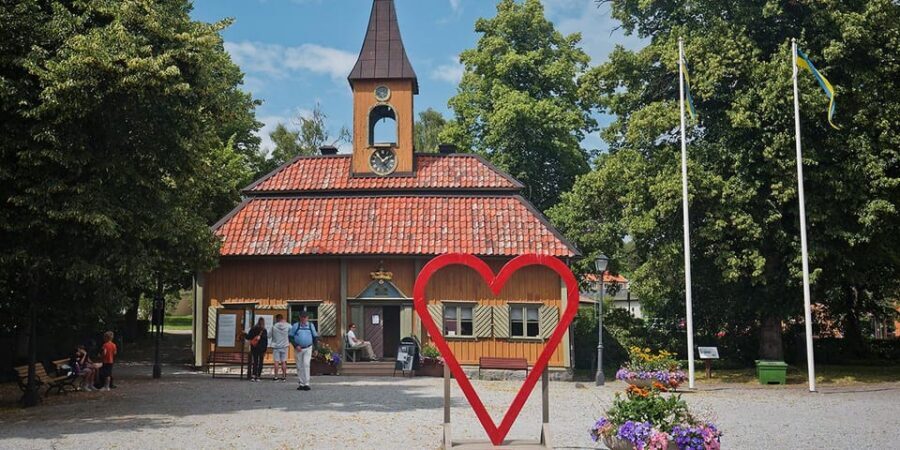
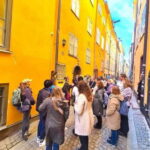
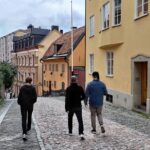
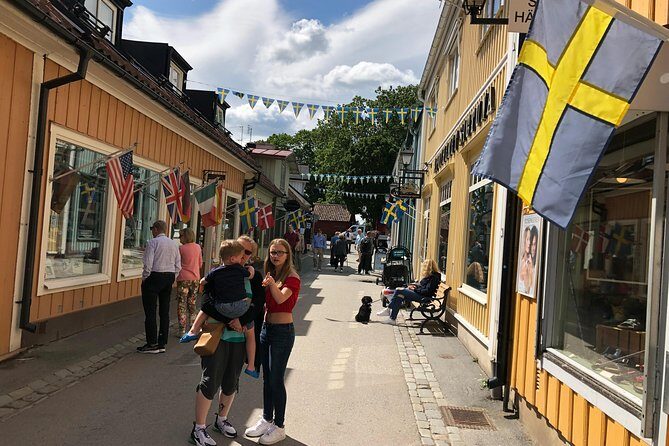
Sigtuna is where the day shifts from “stand and learn” to “walk and absorb.” You get a 60-minute walking tour with your guide, focused on this cozy wooden town that Swedes also visit for vacation.
After that, you get time on your own—about an hour—to wander. This is where the tour becomes more personal. You can slow down, pick streets that look interesting, and spend time doing the thing group tours don’t always allow: lingering.
Food options are built around this stop. Lunch is available as an add-on, and you’ll also have a fika opportunity as an upgrade or coffee/snack option. If you care about fika, plan for it early in the day so you’re not stuck fitting it in between tight timing.
Gamla Uppsala: massive burial mounds and early royal power
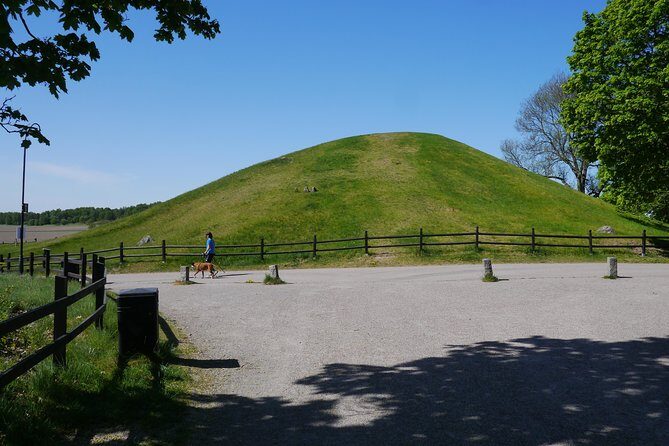
Old Uppsala (Gamla Uppsala) is the next big emotional anchor of the tour. This is not subtle history. You’re looking at large burial hills, with mounds about 10 meters high and more than 50 meters wide.
The tour frames the place as an early royal center tied to a kingdom that existed before the Swedish kingdom we usually hear about later. That matters because it helps you understand why these sites feel “political” even though they’re burial spaces. The dead were part of the story leaders told about legitimacy.
This stop is a strong choice for anyone who likes physical scale. The mounds do a lot of the explaining for you.
Uppsala Domkyrka and the university story inside the historic district
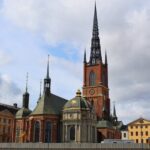
From Old Uppsala you move into Uppsala city for a look at the historic core, including Uppsala Domkyrka (the cathedral). You’ll hear about the university founded in 1477, and the way the city grew over time.
You’ll also get a shorter visit inside the cathedral area if you choose. The tour gives you time for your own look afterward, which I think is important here. Cathedrals don’t reward rushing. Even a quick stop becomes better when you can step in when your eyes are ready.
If you’ve ever wondered why university towns feel different from regular cities, this is a good snapshot of that long arc.
Uppsala Castle courtyard: viewpoints, history, and that darker edge
You finish with Uppsala Castle, specifically the courtyard. The promise here is photography and perspective—you’ll get city views from a higher point in Uppsala.
The guide also shares highlights from the castle’s history, including a reference to bloodier episodes. It’s a fitting closer: the day started with Viking law and public power statements, and ends with medieval authority shown through stone and conflict.
Comfort, pace, and walking level: what your shoes should handle
The walking is not described as extreme, but it’s not zero either. You’ll do short stretches and some walking through open areas or fields. If you’re visiting in colder months, plan for uneven or damp ground and wear shoes that won’t punish your ankles by hour seven.
One nice point: the tour includes scheduled time for bathroom and snack breaks in the general pattern of the day, and the pace is often adapted to daylight when timing gets tight.
Who this tour fits best (and who might find it too packed)
This tour is a solid match if you want a single-day sweep across Viking-era themes: runestones, burials, assembly, then the transition into Sigtuna and Uppsala’s medieval world.
It also tends to work well for families with older kids who like history and can stay engaged through multiple short stops. The subject matter isn’t just “Vikings,” it’s how society worked—so there’s a built-in reason for kids (and adults) to pay attention.
If you’re the type who wants one city at a slow museum pace, you may feel rushed. One clear caution is that the day combines countryside sites and two historic towns with limited time at each. You’ll see a lot, but you won’t get a long stay in any single place.
Guides make the difference: what to look for on your tour date
The guide quality is a big part of why this tour earns strong ratings. Names that show up often with excellent impressions include Olof, Calle, Gabriel, Philip, and Karl, along with Christian as a friendly driver in some cases.
What you should hope for from your guide style:
- clear explanations tied to the place you’re standing in
- flexibility with pacing when daylight and timing are tight
- a way of handling questions without turning every stop into a lecture
There’s also a practical lesson from the occasional rougher experiences: audio and delivery can vary by guide. If you’re sensitive to hearing in a vehicle, sit where you can see and hear the person leading the group, and don’t be afraid to ask for clarification when you stop.
Should you book this Viking History, Runes & Countryside 9h Tour?
I’d book it if you want a high-contrast day that connects runes, law, and burial sites to medieval Sweden—without the hassle of driving and stitching together multiple long outings yourself. The tour’s strongest value is the mix: preserved Viking meeting ground, walk-on rune landmarks, and then the town-and-university feel of Uppsala.
I’d think twice if you hate packed schedules or you’re picky about spending real time in Sigtuna or Uppsala. In that case, consider booking a slower plan for one town afterward, so you still get the “hang out and absorb” time your day might not fully provide.
If your goal is broad understanding of Viking Sweden in one go, this is a well-structured way to do it.
FAQ
How long is the tour?
The tour is listed as about 9 hours, including pickup and drop-off.
What’s included in the price?
It includes a professional local Viking expert guide, hotel or port transfers (with details depending on your location), an air-conditioned vehicle, and access to the planned sites. Coffee and/or tea is included, and fika is available as an upgrade. Lunch is not included but can be added.
Is the tour offered in English?
Yes, the tour is offered in English.
Where does pickup happen in Stockholm?
Hotel pickup is included for hotels within 3 km of Stockholm Central Station. If you’re outside that zone, you’ll get directions to an easy public-transit meeting point.
Do you get a port pickup for cruises?
Yes, pickup is included for cruise ships docking at specific Stockholm harbor areas (Frihamnen, Värtahamnen, and Stadsgården, with detailed meeting instructions). Pickup is not included for Nynäshamn.
How big is the group?
The tour has a maximum group size of 19 people.
Do I need to pay admission fees for the stops?
The tour information lists admissions as free for the scheduled stops.
What should I wear?
Comfortable walking shoes are recommended, since there is walking and some routes go through fields.