REVIEW · STOCKHOLM
From Stockholm: Viking Culture and Heritage Small Group Tour
Book on GetYourGuide →Operated by Sweden History Tours · Bookable on GetYourGuide
Runestones beat Netflix every time. This 3-hour small-group ride from central Stockholm County to the countryside brings the Viking world to your doorstep, with real sites like runestones and a causeway.
I especially like the way the tour builds a story around Broby bro—the burial ground linked with the Jarlabanke Runestones—so you don’t just see stones, you learn what mattered to people then. I also love the stop at Arkils tingstad, where the remains of a Viking Age parliament help explain how society was organized, not just what it looked like.
One thing to plan for: food isn’t included, so you’ll want to eat before you go (or be ready to grab something after).
In This Review
- Key highlights at a glance
- Escaping Stockholm for Viking Uppland country (in 3 hours)
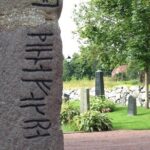
- Broby bro and the Jarlabanke Runestones: funerals, faith, and powerful names
- The Jarlabanke Bridge and causeway: why Vikings cared about crossings
- Arkils tingstad: the remains of a Viking Age parliament
- Why the guide really matters (and why Erik’s style stands out)
- Price and value: what $138 buys you in real time
- What to wear and bring for the Stockholm countryside
- Who this tour is best for (and who should skip it)
- Should you book the Viking Culture and Heritage small group tour?
- FAQ
- What is the duration of the Stockholm Viking Culture and Heritage small group tour?
- Where does the tour take place?
- Is the group small?
- Does the tour include hotel pick-up?
- What’s included in the price?
- Is food included?
- What language is the tour guide?
- Is there free cancellation?
- Can I reserve without paying immediately?
- How do I find the best starting time?
Key highlights at a glance
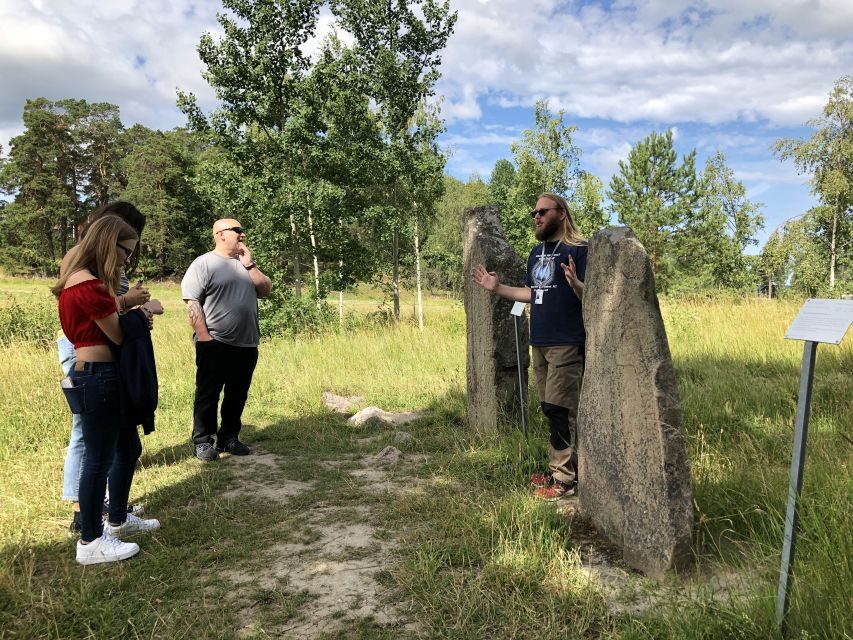
- Broby bro (Jarlabanke Runestones): Viking burial rites plus pagan-to-Christian storytelling context
- Reconstructed Viking bridge & causeway: how people built crossings and raised roads
- Runic Kingdom area sites: multiple 1,000-year-old runestones in the landscape
- Arkils tingstad (tingstad): remains of a Viking Age parliament and a peek at decision-making
- Small group size (max 16): easier questions and a calmer pace than big buses
Escaping Stockholm for Viking Uppland country (in 3 hours)
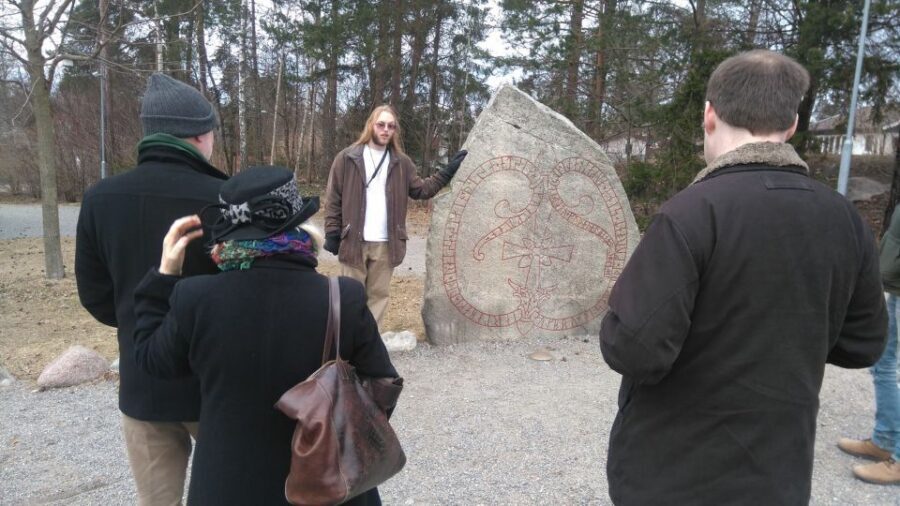
This is the kind of tour that works when you want history without turning your day into a full-day project. You start with hotel pick-up from central Stockholm—when your hotel is within 5 kilometers of Stockholm Central Station—and then the group heads out to the quiet, open countryside of Uppland, where Viking-age sites are still tied to how the land is shaped.
The timing is smart: at 3 hours, you get enough stops to feel like you’re moving through a real “world,” not just checking off a single monument. And because it’s a small group of no more than 16 people, the guide can slow down for questions without losing the whole schedule.
You’ll also be outside for parts of the visit, often in cold months. If you’re coming in winter, treat warmth like a travel requirement, not a comfort option—layers matter.
You can also read our reviews of more historical tours in Stockholm


Broby bro and the Jarlabanke Runestones: funerals, faith, and powerful names
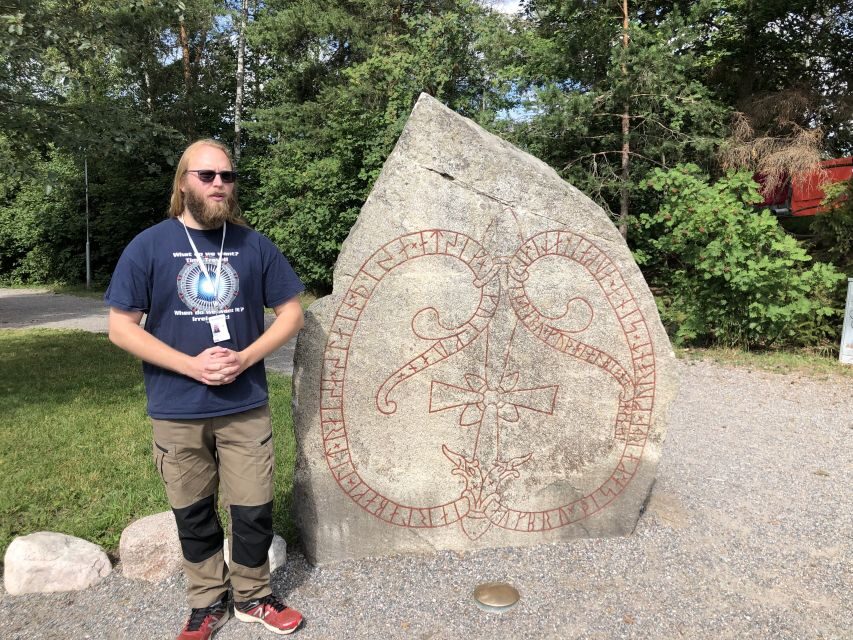
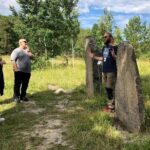
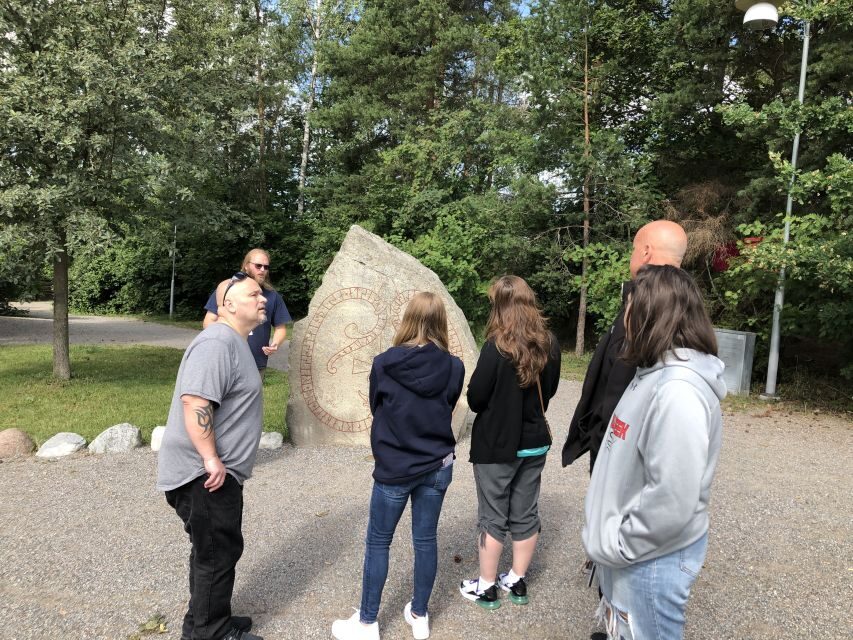
Your day takes an early hit of atmosphere at Broby bro, known for the Jarlabanke Runestones. This is a burial ground, so the emotional tone is different from a battlefield or a big public monument. The guide focuses on how Viking burial rites worked and what these stones were doing in the landscape.
Here’s what I like about learning this way: you see the runestones as part of everyday life and memory, not as random ancient graffiti. Viking-era memorials were about marking presence and status. They connect a person or family to a place—often for a long time.
Broby bro also sets up a theme that you’ll hear again later: belief shifting. You’ll hear stories about pagan and Christian traditions, and how the two worlds overlapped over time. That matters because it stops the “Vikings were only one thing” problem. In real history, cultures don’t flip overnight—they mix, argue, and transition in messy, human ways.
You’ll also learn about Estrid, described as a mighty Viking woman, and see some of the famous stones tied to the Jarlabanke story. That family thread gives the runestones more meaning. Instead of reading words you can’t picture, you can connect the carving to people, roles, and local power.
Practical note: runestones are outdoors and often close to uneven terrain. Wear shoes you trust. The “countryside walk” might not be long, but it’s real ground.
The Jarlabanke Bridge and causeway: why Vikings cared about crossings
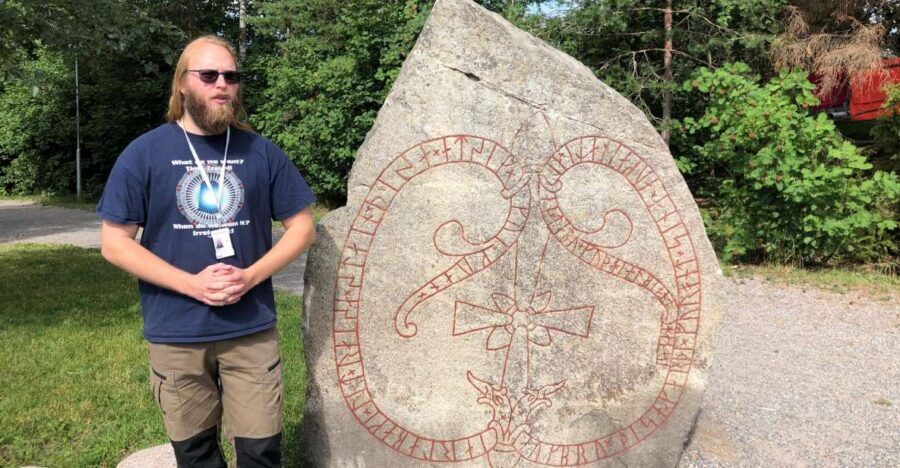
Next you move toward Jarlabanke Bridge, at the entrance to the causeway. This part is a big payoff if you like infrastructure—roads, bridges, routes. It’s easy to think Viking history only lives in ships and raids, but Viking life also depended on connecting communities and moving people through land that didn’t automatically offer convenient paths.
You’ll marvel at a reconstructed Viking bridge and raised features typical of the Viking road-and-bridge style. This is where the tour does something practical: it helps you understand how they built their crossings and why bridges and causeways shaped where people could travel and trade.
And because this is a runestone area, you’ll keep encountering carved stones along the route. The guide ties it together with the story of the Viking chief Jarlabanke and his clan, so the landscape stops feeling like a set of separate stops. It starts feeling like a network—memorial markers, movement routes, and authority in one place.
If you’re the type who enjoys when history gets physical—when you can look at a site and reason it out—this is a strong segment. You’re not only hearing legends; you’re seeing the geography that made those legends possible.
Arkils tingstad: the remains of a Viking Age parliament
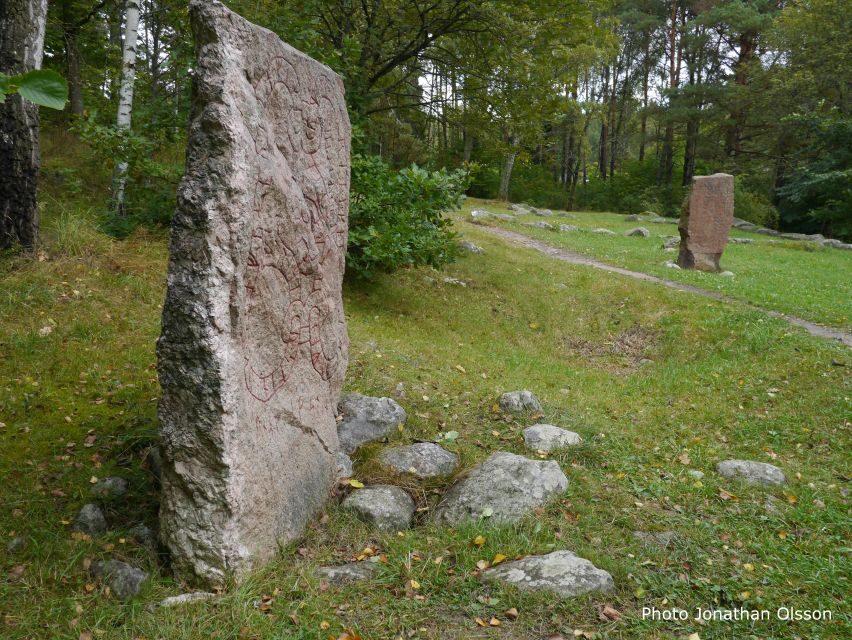
Then comes one of the most interesting stops on this kind of tour: Arkils tingstad, the remains of a Viking Age parliament area. The word tingstad points you toward a key idea—Viking society wasn’t only about warriors. It was also about assembly, decision-making, and public discussion.
At this site, you’ll learn how Viking society was organized. That’s the real value here. A runestone can tell you something about status or commemoration, but a tingstad helps you picture how communities handled issues—who had influence, how groups came together, and what “civic life” looked like when it didn’t resemble modern governments.
Even if you don’t know the terms yet, the guide’s job is to make the place readable. You’re essentially learning the logic of the site: why this location made sense for gatherings, and how public assembly fits into the social structure.
For many people, this is where the tour changes from “cool history stops” into “I finally understand how the pieces worked together.” It’s also a great counterbalance after seeing burial rites. Death, memory, and governance all live in the same landscape.
Why the guide really matters (and why Erik’s style stands out)
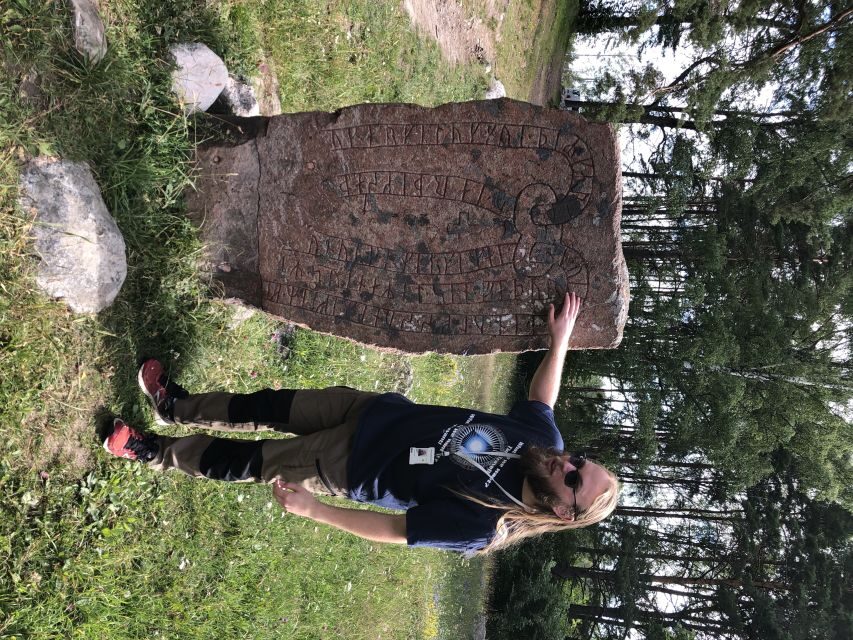
The experience depends heavily on the guide’s storytelling and clarity. One name shows up in the feedback: Erik. Across multiple accounts, he’s praised for having a lot of Norse Viking Age knowledge and for explaining things in a way that stays factual—no movie-style fluff.
That matters because this tour includes topics that can easily turn into mythology-only talk. The runestones, the burial ground, the bridge/causeway logic, and the tingstad all require careful interpretation. A strong guide makes it feel grounded in real evidence and real context.
You’ll also get practical offshoot help. In at least one review, Erik recommended Swedish food options. That’s a small detail, but it’s useful: it helps you turn a history outing into a more complete day in Stockholm—especially since food isn’t included on the tour.




Price and value: what $138 buys you in real time
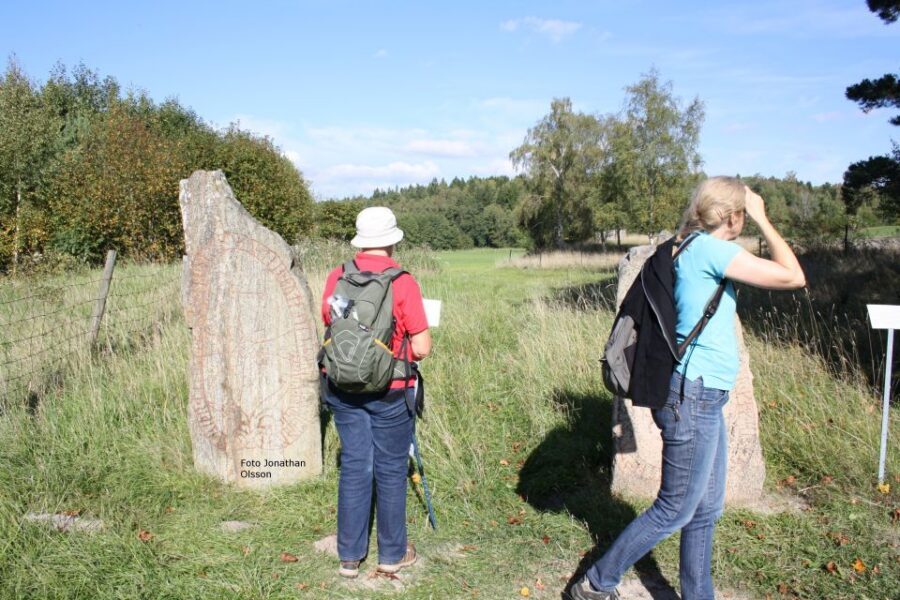
At about $138 per person for a 3-hour small-group tour, the value is in three places: time, access, and interpretation.
- Time: In a short window, you see multiple Viking-linked sites—Broby bro, the Jarlabanke area, and Arkils tingstad. Many DIY trips require more logistics just to stitch together stops.
- Access: Hotel pick-up is included when you’re within 5 kilometers of Stockholm Central Station. That removes the most annoying part—getting out to the countryside efficiently.
- Interpretation: Runestones and tingstad remains can look mysterious if you don’t know what you’re looking for. A real guide turns scenery into meaning.
Also, costs are included and the group is capped at 16 people, which usually helps keep the experience focused. You’re paying for a guided “path” through the Viking landscape rather than paying for a bus ride with vague commentary.
If you’re comparing options, ask yourself a simple question: Do you want Viking sites with context, or do you just want photos? This tour is built for context.
What to wear and bring for the Stockholm countryside
The tour is designed for the outdoors and countryside walking—short, but not zero. Weather in Stockholm County can turn sharp quickly, and one account mentions visiting in -10 degrees. That’s not a reason to cancel; it’s a reason to dress like the outdoors matters.
Bring:
- Warm layers (and something wind-resistant if you have it)
- Gloves you can still use for your phone/camera
- Comfortable shoes with traction
And because food is not included, plan your day so you’re not hunting for a meal immediately after the tour. If you want Swedish cuisine, ask your guide for where to go once you’re back—some guides are happy to point you toward solid local choices.
Who this tour is best for (and who should skip it)
This tour fits best if you:
- Like historical sites that connect to how people actually lived (not just legends)
- Want a quick countryside break from Stockholm without losing half your day
- Enjoy learning the meaning behind symbols—runestones, burial rites, governance sites
- Prefer a small group over long, crowded coach experiences
You might reconsider if you:
- Are looking for a food-centered outing (since no meal is included)
- Want a long, museum-style day with indoor exhibits for bad weather
- Need fully flat, fully accessible terrain at every stop (the tour includes outdoor grounds)
Should you book the Viking Culture and Heritage small group tour?
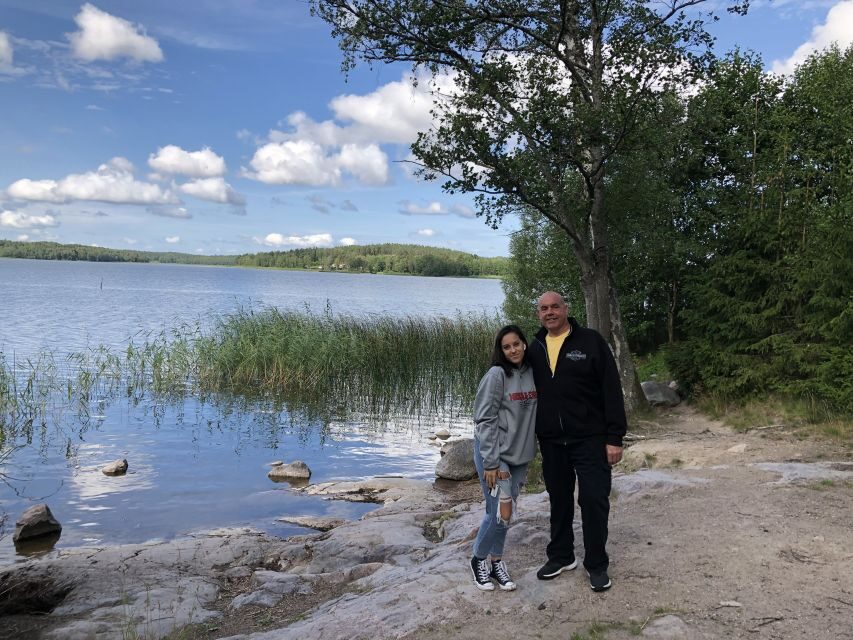
Book it if your idea of a great trip is simple: get out of the city, see Viking-age sites, and learn what they meant—quickly and clearly.
The reasons I’d feel good about booking are straightforward. You get multiple major Viking-linked locations in just 3 hours, delivered by an English-speaking guide with a track record for factual, story-driven explanations. You also get the convenience of pickup and drop-off near Stockholm Central Station, which makes the countryside portion feel effortless.
Skip it or adjust expectations if you’re hungry during the tour or you’re traveling in a season where you don’t plan to dress for cold outdoor time. Food isn’t part of the package, and you’ll be outside enough that comfort affects how much you’ll enjoy the stories.
If you want a focused Viking trip with strong on-site context, this one is a practical win.
FAQ
What is the duration of the Stockholm Viking Culture and Heritage small group tour?
The tour lasts 3 hours.
Where does the tour take place?
It takes place in Stockholm County, Sweden, with stops in the countryside around Uppland.
Is the group small?
Yes. The tour is a small group with no more than 16 people.
Does the tour include hotel pick-up?
Yes, pick-up and drop-off are included if your hotel is within 5 kilometers of Stockholm Central Station.
What’s included in the price?
Included items are driver and guide, all costs included, and the small group tour format.
Is food included?
No, food is not included.
What language is the tour guide?
The live tour guide speaks English.
Is there free cancellation?
Yes. You can cancel up to 24 hours in advance for a full refund.
Can I reserve without paying immediately?
Yes. There is a reserve now & pay later option.
How do I find the best starting time?
Check availability to see starting times.