REVIEW · STOCKHOLM
Jewish Gamla Stan and Jewish Museum Stockholm Private Tour
Book on GetYourGuide →Operated by Rosotravel Sweden · Bookable on GetYourGuide
Stockholm’s Jewish story starts on cobblestones. This private Gamla Stan Jewish history tour connects real places you can stand in—synagogues, church sites tied to Jewish arrivals, and Holocaust memorials—into one clear narrative, guided by Cedric or Tal (both praised for taking their time and answering questions). I love how the walk ties together 17th-century Jewish life with WWII-era rescue stories, and I love that you can pair the street stops with the Jewish Museum in the 3 & 4 H synagogue buildings. One key consideration: the Jewish Museum can be closed on Mondays, so the museum portion may not be available on that day.
The format is simple: you meet your guide, then you walk at a history pace (not a sprint), with plenty of room for questions. Expect comfortable shoes and good patience for winter cobblestones, especially if it’s wet. If you’re traveling with mobility needs, the guide can adjust routing and timing; one client noted the tour was extended and alternate paths were used.
This is also a “you’ll remember it later” kind of tour. The Holocaust and Raoul Wallenberg section isn’t just names on a plaque—it’s placed in the geography of modern Stockholm, so the meaning sticks when you’re back in your hotel.
In This Review
- Key highlights you’ll care about
- Gamla Stan Jewish landmarks: where the story lives in plain sight
- The 17th-century through WWII storyline: how the guide connects eras
- Jewish Museum in 3 & 4 H: the payoff for longer options
- Raoul Wallenberg, Berzelii Park, and the Holocaust monument walk
- Great Synagogue, German Church, and Storkyrkan: reading Stockholm’s religious clues
- Nobel Prize Museum area: Jewish laureates in the background of your walk
- Price, pacing, and private-guide value at $205 per person
- Rain, mobility, and how the guide keeps control of the day
- Should you book the Jewish Gamla Stan and Jewish Museum private tour?
- FAQ
- How long is the tour?
- Where do we meet the guide?
- What languages are available?
- Is the tour wheelchair accessible?
- Are the Jewish Museum tickets included?
- Do I get private car transfers?
- Is synagogue admission included?
- Is the Jewish Museum open every day?
- What’s the cancellation policy?
Key highlights you’ll care about
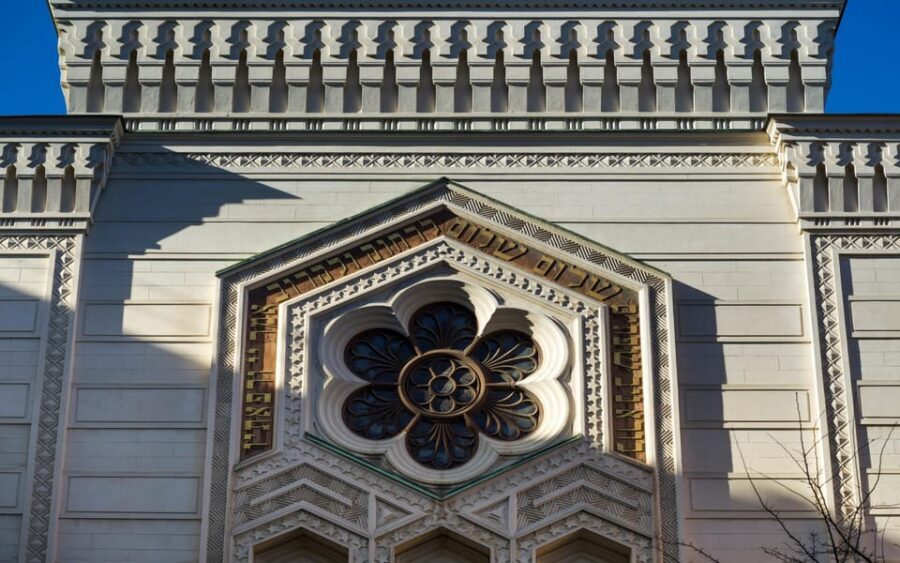
- Gamla Stan stops you can actually photograph: synagogue heritage and church landmarks tied to early Jewish arrivals in Sweden
- The Jewish Museum in 3 & 4 H: Sweden’s oldest surviving synagogue buildings, now the museum space
- Raoul Wallenberg’s route through Berzelii Park: the Holocaust monument and the Rememberene Path
- Nobel Prize angles you might miss: your guide points out Jewish laureates near the Nobel Prize Museum area
- Private guide attention: you get one-to-one pacing when you want it, plus time for questions
Gamla Stan Jewish landmarks: where the story lives in plain sight
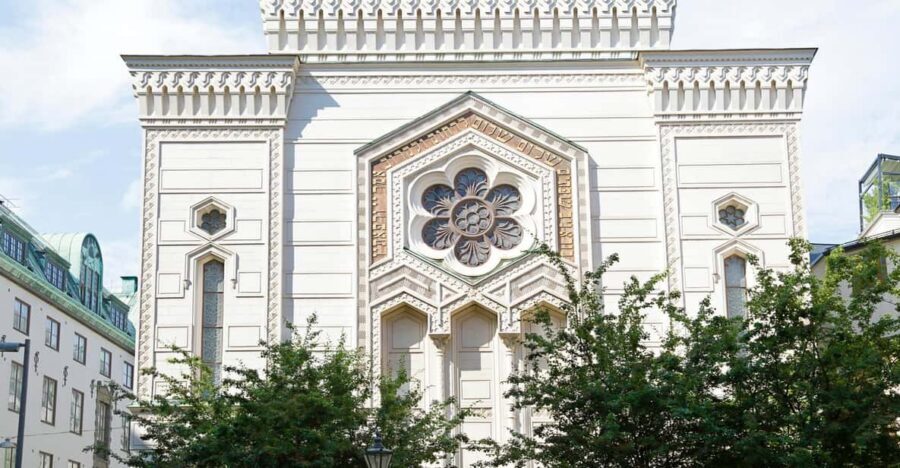
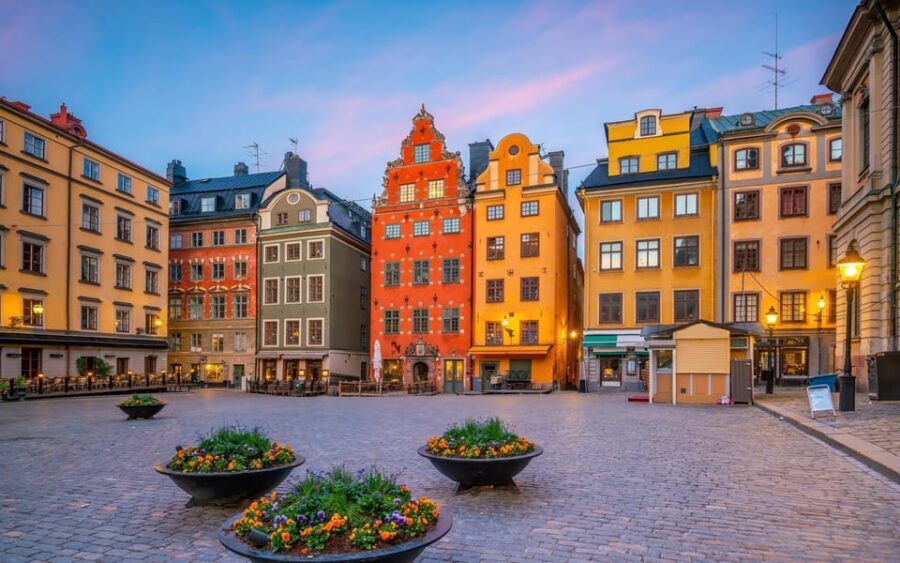
Gamla Stan is the part of Stockholm where you can feel the layers of time. On this tour, the difference is that you’re not walking it like a postcard loop. You’re walking it like a detective, spotting religious and civic clues that point to Jewish life—then hearing what those clues mean.
Your route is built around a set of standout locations in and around Old Town. The plan centers on Jewish heritage you can connect to specific moments: the Jewish community’s early presence in Stockholm, the physical traces left behind (including synagogue-related sites), and then the WWII era story that later shaped how Stockholm remembers Jewish persecution and rescue.
What I like most is how the guide uses the street as a timeline. You’re not just told that Jewish people lived in Stockholm. You learn how the community formed, how it built institutions, and how later history changed what those institutions represented. That framing is what makes the walk more than a list of stops.
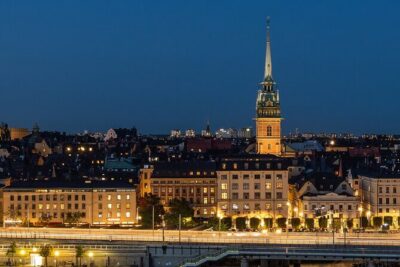
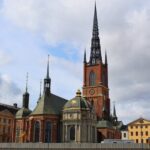
If you care about authenticity, this is one of those rare tours where the places aren’t random. They’re tied to named sites—like the area around Storkyrkan and the German Church—so you can see where the guide anchors the discussion.
One practical note: it’s a walking tour. That sounds obvious until you’re on slippery medieval stones. Plan for comfortable shoes and expect that the pace is “walking history,” not quick sightseeing. A guide taking their time in the rain was specifically praised—so it’s not a rushed experience.
You can also read our reviews of more private tours in Stockholm



The 17th-century through WWII storyline: how the guide connects eras

Stockholm’s Jewish story doesn’t fit neatly into one museum room, and this tour treats it that way. The guide’s job is to thread together a long arc—from early arrivals in the 17th century, to the pressures of WWII, and onward to how things look today.
Two street-level details matter here.
First, you’ll learn about early Jewish life tied to key Christian sites. The tour includes stops around Storkyrkan (the cathedral area), where the first Jewish families were baptized after arriving in Sweden in the 17th century. That’s a heavy detail, but it’s also a real one that helps you understand how integration and coercion often existed side by side. Hearing it in place makes it more than a historical footnote.
Second, you’ll hear the WWII rescue story through Raoul Wallenberg. The tour doesn’t treat him as a standalone hero-myth. Instead, it places his actions into a broader Holocaust context and then walks you to a memorial area in modern Stockholm where the meaning is built into the landscape.
The value for you is clarity. You’re not memorizing facts just to sound smart later. You’re building a mental map: what happened, where it happened (or where it’s remembered), and why it mattered.
The guides also leave room for questions. One of the standout comments in the feedback was how easy it was to ask anything and get detailed answers. That matters on a topic like this, where people often have follow-ups—dates, places, names, and why certain events get remembered in certain ways.
Jewish Museum in 3 & 4 H: the payoff for longer options
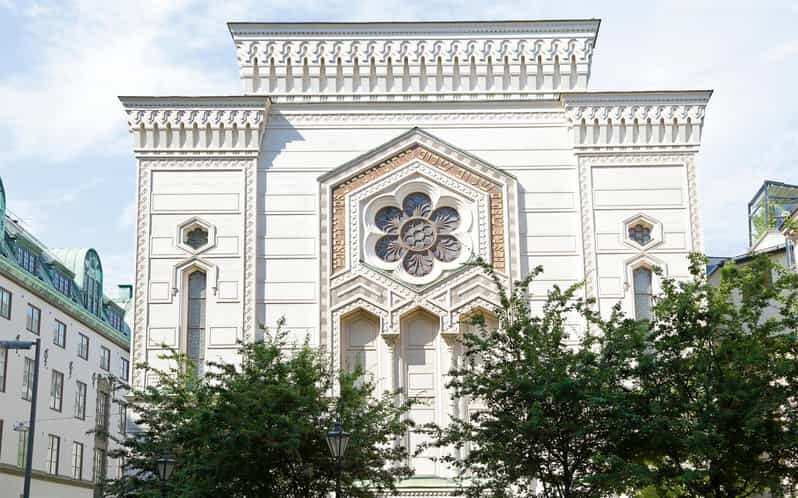
If you choose the 3-hour or 4-hour version, the Jewish Museum is included (and that inclusion is a big deal). The museum sits in Stockholm’s oldest extant synagogue buildings, known as 3 & 4 H. That alone turns the visit into something special: you’re not just learning about Jewish history—you’re visiting a surviving piece of it.
Inside, the museum focuses on the early Jews who came to Sweden and what efforts it took to build the first Jewish temple in the capital. You’ll also get a look at Jewish culture and traditions, which helps balance the Holocaust and WWII sections with day-to-day continuity.
Here’s how I’d think about the museum stop if you’re deciding between tour lengths:
- If you take the 2-hour option, the museum admission isn’t included, and the tour will naturally rely more on street stops and storytelling outside.
- If you take the 3-hour option, you get the museum included, which is the most efficient way to connect the outdoor sites to the indoor exhibits.
- If you take the 4-hour option, you also get private car transfers from your accommodation (pickup and drop-off). That can be worth it if you’re short on time or want to reduce logistics on a walking-heavy day.
One caution that’s worth planning around: the Jewish Museum is closed on Mondays. If you’re traveling on a Monday and you’re expecting museum time, it could disappoint. The outdoor and memorial sections may still happen, but the museum component may not.
Raoul Wallenberg, Berzelii Park, and the Holocaust monument walk
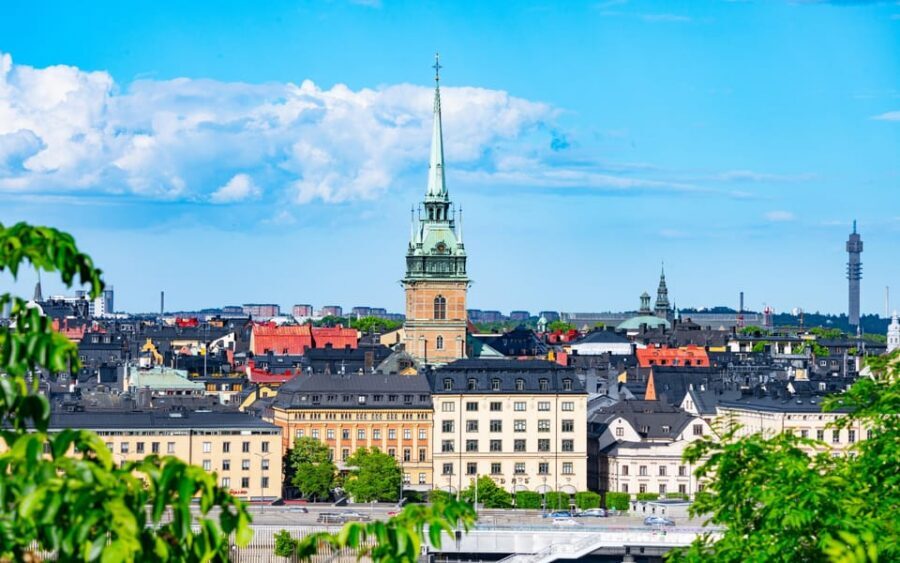
The Holocaust portion of this tour is handled with a very practical strategy: you walk from history to remembrance. That means the story doesn’t end when the guide finishes talking. It continues through the physical memorial area tied to Raoul Wallenberg.
Your route includes Berzelii Park and references the Rememberene Path, plus the Holocaust monument dedicated to Raoul Wallenberg. The tour frames his heroic efforts to save tens of thousands of Jewish people during the Holocaust, and it connects that story to Stockholm’s decision to memorialize the rescue in a visible public setting.
Why this works well for you: memorials can sometimes feel distant if you’re only seeing them from a guidebook paragraph. Here, you’re guided into the context first—so you understand what you’re reading, not just where you’re standing.
Also, you’re not just at one point. The tour includes the path between landmarks, like passing the Royal Palace area on the way toward the memorial section. Even if you only catch a glimpse of certain buildings, that “walking between” effect helps your brain organize the day.
If you’re the type who likes history that stays with you, this is often where it clicks. You may start the day focused on architecture and old streets, but the Raoul Wallenberg stop is the emotional anchor.
Great Synagogue, German Church, and Storkyrkan: reading Stockholm’s religious clues
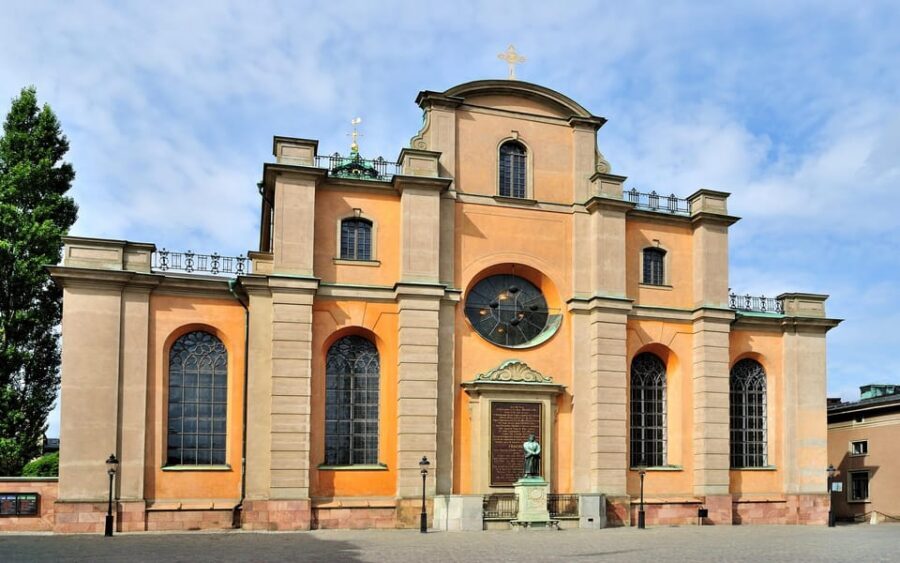
One of the most interesting parts of Stockholm is how religious buildings and symbols are intertwined with civic space. This tour uses that to your advantage.
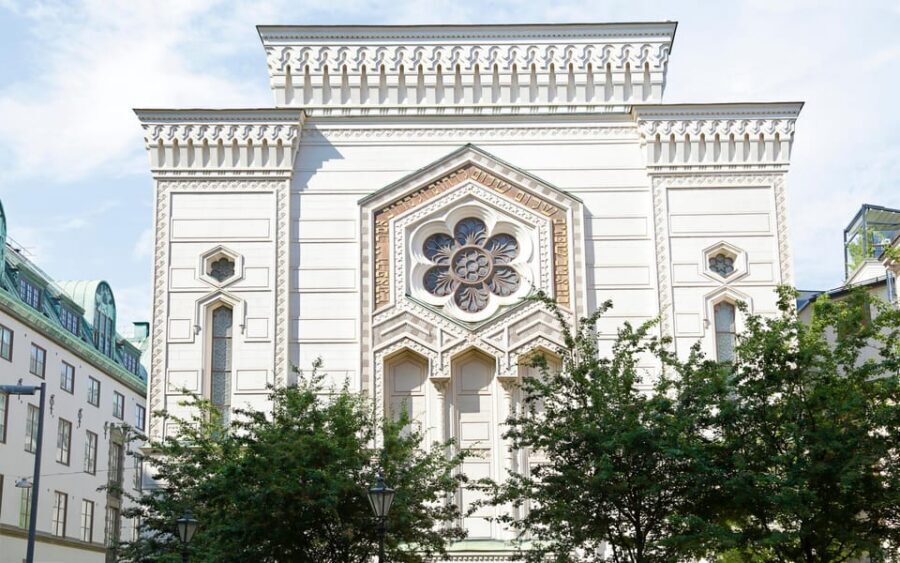
In Gamla Stan, you’ll see the Great Synagogue and other Jewish heritage sites in the old-town area (as planned for the tour). The idea isn’t to teach you religious doctrine. It’s to help you recognize how communities establish themselves and how their presence is sometimes recorded—sometimes quietly—through architecture and nearby landmarks.
Two specific stops add meaning fast:
- The German Church area: included as part of the route of Jewish traces you can still locate in Old Town.
- Storkyrkan: included because of the baptism of the first Jewish families after arriving in Sweden in the 17th century.
Even if you don’t know anything about Swedish Jewish history before the tour, these references give you a way to interpret what you’re seeing. You start to connect place to process: arrivals, assimilation pressures, community building, and later memorialization.
There’s also an admission note you should keep in mind: admission to the synagogue itself isn’t included. That matters if you had planned on seeing a specific interior space tied to synagogue operations. Your guide will work with what’s available, but it’s smart to set expectations.
You can also read our reviews of more museum experiences in Stockholm






Nobel Prize Museum area: Jewish laureates in the background of your walk
Here’s a smart touch built into the tour. While you’re near the Nobel Prize Museum area, your private guide tells you about Jewish laureates who received this prestigious award over the years.
This is the kind of detail that makes the walk feel alive, not scripted. You’re not only getting “religious history” or “WWII history.” You’re also seeing how Jewish contributions appear in other Swedish and international contexts.
I’d treat this as a bonus layer rather than the core of your experience. The backbone is the Jewish traces in Gamla Stan and the Jewish Museum stop (if you choose that option). But the Nobel Prize angle helps widen the lens so the day doesn’t end with tragedy alone.
Price, pacing, and private-guide value at $205 per person
At $205 per person, this tour sits in the mid-to-upper range. Private tours often cost more because you’re paying for a licensed guide, time, and the flexibility to adjust the route to your needs.
Here’s what justifies the price based on what’s actually included:
- You get a 5-star licensed history expert-guide fluent in your chosen language (French, German, Italian, Russian, Spanish, English, or Swedish).
- You get a focused private walking tour of Stockholm’s Jewish history with a set of Jewish heritage sites and museum time in the longer options.
- You get entrance tickets to the Jewish Museum for the 3-hour and 4-hour options.
- If you pick the 4-hour option, you also get round-trip transfer by private car with pickup/drop-off at your accommodation.
Now the balancing act: the exact value depends on which duration you book. In the 2-hour option, Jewish Museum entrance tickets and private car transfers aren’t included. So if museum access is a priority, the 3-hour option often makes more sense for your money.
The walk length also matters for your comfort. This isn’t a “stand and stare from the bus” tour. If you’re fit enough to walk for a couple hours, it’s a strong value because you’re getting multiple meaningful stops instead of one museum and a quick street glance.
Group size is capped (1–25 guests per guide). If you need more than one guide, the price can change. For small groups or families, the private nature is often what you’re really paying for: control over pace and room for questions.
Rain, mobility, and how the guide keeps control of the day
This is where private guides can make or break your experience. On this tour, the feedback I saw leaned toward guides who don’t rush and who adapt on the fly.
One highlight: Cedric was praised for taking his time even when it rained, not cutting the walk short. That’s huge in winter conditions, when speed can turn “history stroll” into “get out of the weather fast.”
Another highlight: when a partner had difficulty walking, the guide was attentive—pointing out alternate paths and extending the tour so everything could be seen at a slower pace. That kind of flexibility is especially valuable on tours that combine cobblestones with a museum stop.
So if you’re considering this and your walking pace isn’t the same as your “normal,” plan to communicate it ahead of time. The tour is wheelchair accessible, but comfortable routing and extra time still matter. Bring shoes you trust.
Should you book the Jewish Gamla Stan and Jewish Museum private tour?

Book it if you want Stockholm’s Jewish story explained in context—on the street and inside the museum buildings that actually carry the community’s early footprint. This tour is especially worth it if:
- You want a private guide who answers questions instead of delivering a quick script.
- You care about the Raoul Wallenberg story connected to Stockholm’s memorial sites.
- You’re choosing the 3-hour or 4-hour option so the Jewish Museum visit is included.
Skip or rethink the timing if:
- You’re traveling on a Monday, since the Jewish Museum is closed, which can reduce the museum component.
- You’re only doing the 2-hour option and you really want museum time, since admission isn’t included and private transfers aren’t included either.
If your goal is a meaningful, well-paced day—less checklist, more story—this is one of the best ways to see Gamla Stan with a Jewish lens and leave with a clearer understanding of what Stockholm chose to remember.
FAQ
How long is the tour?
The tour runs for 2 to 3 hours, depending on the option you select.
Where do we meet the guide?
Meet your guide in front of Järntorgsbrunnen, Västerlånggatan 83, 111 29 Stockholm, Sweden.
What languages are available?
You can book the live guide in French, German, Italian, Russian, Spanish, English, or Swedish.
Is the tour wheelchair accessible?
Yes, the tour is listed as wheelchair accessible.
Are the Jewish Museum tickets included?
Jewish Museum entrance tickets are included for the 3-hour and 4-hour options. They are not included for the 2-hour option.
Do I get private car transfers?
Private car transfers with pickup and drop-off at your accommodation are included only with the 4-hour option. They are not included with the 2-hour or 3-hour options.
Is synagogue admission included?
Admission to the synagogue is not included.
Is the Jewish Museum open every day?
No. The Jewish Museum is closed on Mondays, so the museum element may not be available if your tour falls on that day.
What’s the cancellation policy?
Free cancellation is available up to 24 hours in advance for a full refund.