REVIEW · STOCKHOLM
Scandinavian Art, Architecture and Design Tour in Stockholm
Book on Viator →Operated by XperienceSthlm · Bookable on Viator
Design stories, not just city views. This 3-hour walk turns Stockholm’s architecture and Swedish design into a clear path you can follow, from posh Östermalm streets like Stureplan and Linnégatan to the art stretch around Skeppsholmen and the Nationalmuseum area. I love how the route connects famous addresses to upholstery-and-design legacies in a way that actually makes buildings feel personal, not like random facades. I also love the mix of design and food culture at Östermalms Saluhall, where you get a real sense of the market life inside a landmark structure.
One possible drawback: this is mostly street-facing and exterior time, so if you’re hoping for a long indoor museum binge, you’ll want to add extra time on your own after the tour.
In This Review
- Key Things to Know Before You Go
- Östermalm Starts the Story: Where Swedish Design Lives in Plain Sight
- Stureplan to Strandvägen: The Addresses That Explain Swedish Design Legacy
- Östermalms Saluhall: A 19th-Century Food Hall That Teaches You How Cities Function
- Royal Dramatic Theater: Art Nouveau Flair With Cultural Star Power
- Kungsträdgården: Gothic to Baroque to Modern, Plus the Origin of Falu Red
- The Royal Swedish Opera Stop and the Phantom in Stockholm-Style Lore
- Skeppsholmen to Nationalmuseum: Views, Art Museums, and a Clean Finish
- Price and Value: What $61.62 Buys You in 3 Hours
- How to Prep: Mobile Ticket, English, Weather, and a Walk That Moves
- Who This Tour Is For (and Who Might Want a Different Option)
- Should You Book This Stockholm Design Walk?
- FAQ
- How long is the Scandinavian Art, Architecture and Design Tour in Stockholm?
- Is the tour offered in English?
- What areas does the tour cover?
- What’s included in the price?
- Are any attractions included for free?
- Where do I meet the guide, and where do we end?
- What happens if the weather is bad?
Key Things to Know Before You Go
- Östermalm street design lore: You’ll pass key addresses such as Nybrogatan, Strandvägen, and the Stureplan area, with the design names and context explained along the way.
- Östermalms Saluhall is more than snacks: It’s a 19th-century architectural landmark and a practical stop where Swedish food culture is part of the theme.
- Quick-hit Art Nouveau-era theater: Kungliga Dramatiska Teatern is handled in a tight window, but it’s packed with recognizable cultural history.
- Kungsträdgården’s architectural timeline + color story: You’ll move from Gothic to Baroque to modern influences, plus learn about the origin of Sweden’s iconic falu red paint.
- Skeppsholmen views and art institutions at street level: You get city views and art-museum context as you walk toward the Nationalmuseum.
- Small groups (up to 10) make it feel manageable: The pacing stays friendly, with time built in for design store browsing.
Östermalm Starts the Story: Where Swedish Design Lives in Plain Sight
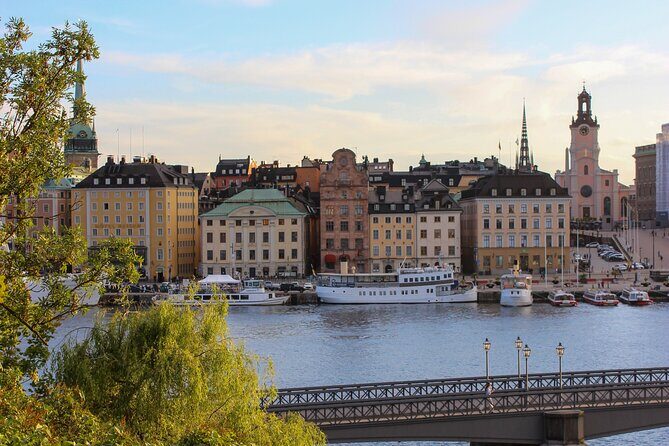
Östermalm is the setting for this whole tour’s idea: Swedish design doesn’t live only in museums. It lives in the streets—through the shape of buildings, the way homes were furnished, and the reputations attached to specific neighborhoods.
You start at Svampen in the Stureplan area, which is a smart move because it gets you oriented fast. From there, the walk focuses on the posh streets that helped build Stockholm’s design identity, and it keeps the story practical. You’re not just looking at pretty buildings; you’re learning how design trends and household makers shaped what you see.
And this tour keeps reminding you of a simple truth: design is cultural history. When you understand that, you’ll start noticing details you’d normally blow past—doorways, façade rhythm, and the general “feel” of a street that was built for style and comfort.
You can also read our reviews of more tours and experiences in Stockholm.



Stureplan to Strandvägen: The Addresses That Explain Swedish Design Legacy
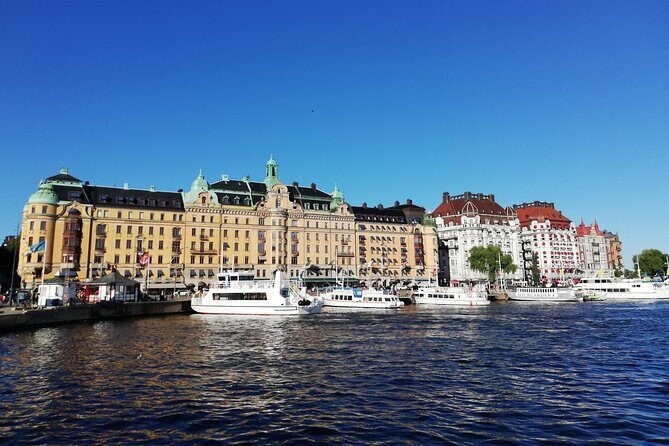
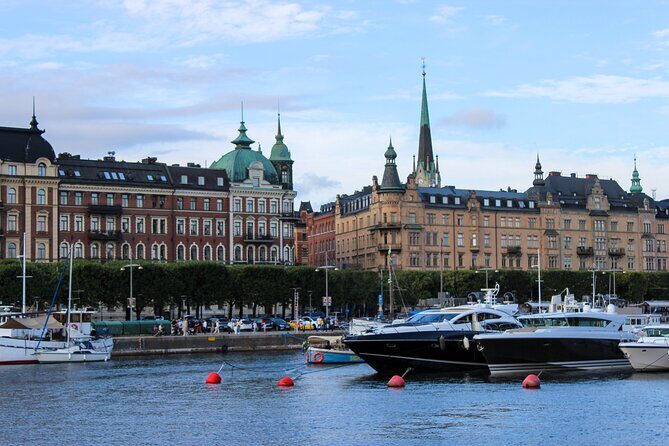
The main Östermalm walking segment is where you’ll feel the tour’s strengths most clearly. The route includes Stureplan, Linnégatan, Nybrogatan, and Strandvägen, and each one is treated like a chapter in the same book. The guide links the streets to famous design names and their legacy, with historical context rather than vague praise.
This kind of pacing matters. If your first day in Stockholm is mostly trying to see everything, it’s easy to end up with a pile of photos and no sense of why the city looks the way it does. Here, you get explanations tied to locations, so your pictures will make sense later.
Look out for how the tour frames upholstery and household design as part of daily life. That theme helps explain why so many of the city’s design stories aren’t about abstract art—they’re about real interiors and the brands that influenced taste. Even if you’re not shopping for furniture, you’ll walk away understanding why Swedish design became a recognizable style.
Time on this first stop is about an hour, and it’s long enough to absorb the neighborhood’s vibe without dragging. If you’re prone to getting museum-fatigue, this is a good way to start: you’re outdoors, moving, and learning in chunks.
Östermalms Saluhall: A 19th-Century Food Hall That Teaches You How Cities Function
After the streets, the tour shifts from “design in architecture” to “design in how people eat and gather.” Östermalms Saluhall is one of Stockholm’s biggest food halls, and it’s also an architectural landmark dating back to the 19th century.
You spend around 30 minutes here, and the practical advantage is that the market stop gives you immediate, sensory context. You’ll walk through the space and experience typically Swedish food in the flow of a working market. It’s not just a photo stop, and that’s key for value.
One thing to plan: this is a short window. If you’re the type who wants to read every menu and sample everything, you might feel rushed. A smarter approach is to treat it like inspiration. Pick one or two things that sound good, and use the rest of the time to look at the building and the stalls—because the whole point is how architecture supports everyday culture.
This is also where design shows up indirectly. Markets like this reflect how a city organizes comfort, convenience, and taste in one place. If you’ve ever wondered why Stockholm feels “well-designed” beyond aesthetics, this kind of stop helps the idea click.
Royal Dramatic Theater: Art Nouveau Flair With Cultural Star Power
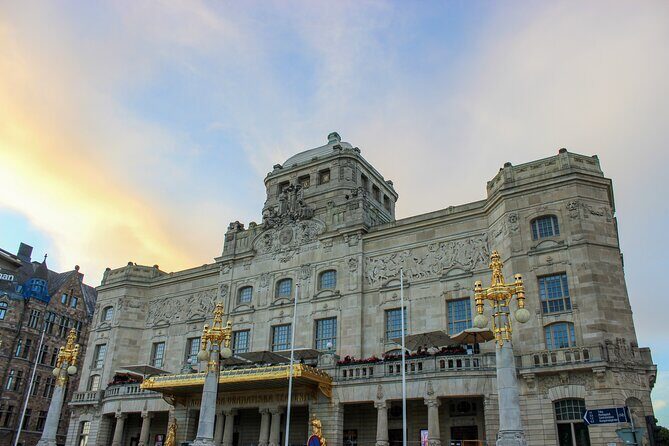
Kungliga Dramatiska Teatern is the kind of stop that makes Stockholm feel cinematic. It’s described as a landmark of the Art Nouveau period, and it dates back to the 18th century, so the building carries layers of styling and era in the story you’re told.
The tour time here is about 15 minutes, which is short, but it’s used well. You’ll hear about Sweden’s famous stars, including Greta Garbo and Ingrid Bergman, and how they had their start here. That detail gives the architecture a real-world connection. A theatre isn’t just a structure; it’s a launchpad for careers and public imagination.
What I like about quick theater stops is that they work even if you’re not a theatre person. You still get symbolism: performance space, community energy, and the way buildings were designed to hold attention. And if you are a theatre fan, this is a fast route to names you already know.
If you prefer to linger, keep in mind you may have to do that on your own after the tour. The window is tight by design, since the rest of the itinerary also needs time.
Kungsträdgården: Gothic to Baroque to Modern, Plus the Origin of Falu Red
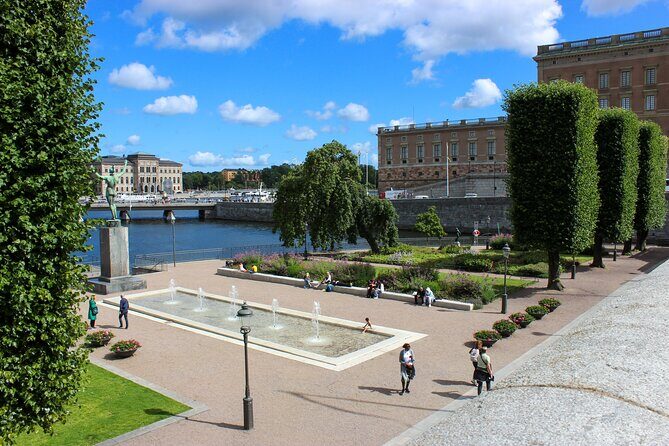
Kungsträdgården is where the tour broadens beyond a single style and gives you a timeline you can recognize while walking. This stop is around 45 minutes, and it’s focused on the importance of green space in Stockholm’s urban layout.
The key value here is how the guide ties parks to architecture phases. You’ll hear about shifts from Gothic to Baroque and then into modern influences. That framing helps you see parks as part of urban planning, not just a pretty pause.
Then there’s the color story: you’ll discuss the origin of Sweden’s iconic falu red paint. Even if you don’t care about color theory, this is the kind of detail that makes Stockholm feel “specific” instead of generic. When you know what a landmark color comes from, you’ll spot it in surroundings later and connect it to a broader cultural reason.
The practical note: it’s a big topic, so expect the guide to move from idea to idea in a natural sequence. If you enjoy taking notes, this is a great stop for it. If you tend to tune out during explanations, bring something visual in your head—trees, building lines, and the park’s shape—so you keep anchoring the talk to what you see.



The Royal Swedish Opera Stop and the Phantom in Stockholm-Style Lore
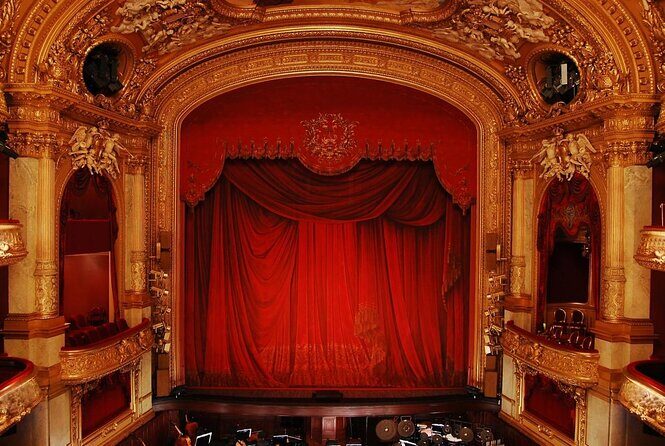
You’ll also make time for the Royal Swedish Opera, and the framing here is fun: you’ll hear about the phantom idea in a Stockholm style. That’s not about jump-scare theatre talk; it’s about how the opera building and its stories are part of the city’s cultural identity.
This stop fits the tour’s broader goal: connecting architecture to human narrative. Buildings like this don’t just exist for aesthetics. They build myths, traditions, and public memory.
One consideration: the itinerary details provided don’t give a lot of timing for this particular segment. That means it’s best to stay flexible. Treat it like a story stop that adds character rather than a full “must-see” attraction where you’ll have time for long photo sessions.
Skeppsholmen to Nationalmuseum: Views, Art Museums, and a Clean Finish
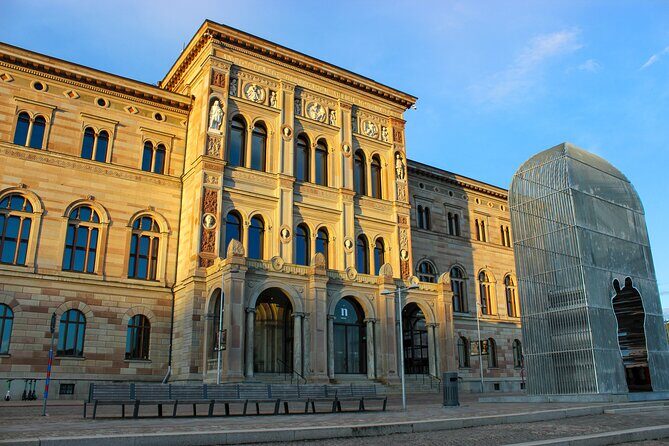
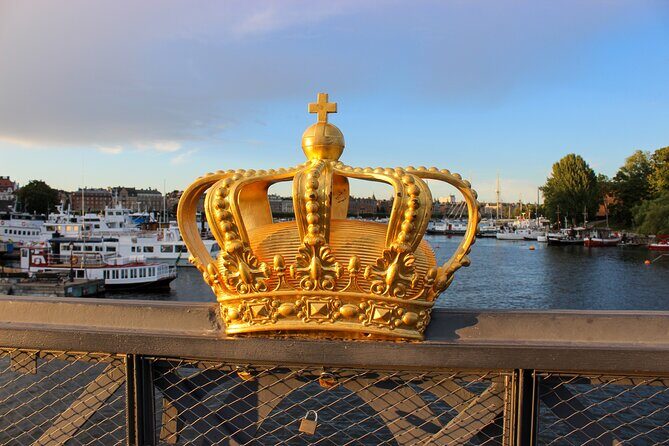
The final move takes you to Skeppsholmen, one of the prettiest islands in central Stockholm. Even if you’re not planning to enter museum galleries right then, you’ll get the bigger point: city views plus the knowledge of where major art institutions sit.
The tour connects the area to important Swedish art museums, including the National Museum, Moderna (the modern art museum), and ArkDes. You’ll talk about art, culture, and architecture as you walk through the area toward the end point.
Because the tour ends in front of the Nationalmuseum, you’ll finish in a place that works as a natural decision point. If you want to continue indoors, you’re already there. If you want a slower final hour of walking, Skeppsholmen and the surrounding streets are set up for that too.
I like finishing at a museum-facing spot because it reduces the “what now?” problem. A good tour should help you transition, not just drop you in a random corner. Here, the ending is intentional: you end where you can turn art talk into actual art time if you want it.
Price and Value: What $61.62 Buys You in 3 Hours
At $61.62 per person for about 3 hours, the value is in the mix. You’re paying for more than a walking route. You’re paying for context: the way Swedish design names, architecture phases, and cultural references get stitched to specific locations.
Here’s what makes the price feel reasonable based on what’s included:
- Saluhall stop is included as part of the route, which lowers your “hidden costs” compared to tours that charge separately for food.
- Design shop access is part of the experience, which is rare in short architecture walks. This isn’t only photo-taking; you get time to browse and take in materials, furniture, home accessories, and textiles if you want to.
- Several stops are free admissions (Östermalm segment, Royal Dramatic Theater, and Kungsträdgården), which helps the itinerary stay focused and efficient.
Group size also matters for value. The cap is 10 people, which makes it easier for the guide to keep the pacing friendly. If you like tours where you can actually hear the story without shouting across a crowd, this helps.
If you’re trying to budget a first day in Stockholm, this tour works well because it’s short enough to keep the rest of the day open. You don’t get stuck committing half your trip to one activity.
How to Prep: Mobile Ticket, English, Weather, and a Walk That Moves
This tour is offered in English, uses a mobile ticket, and runs with a maximum group size of 10. It’s also near public transportation, so it’s not a “whole day transit project.”
The itinerary requires good weather. That doesn’t mean you’ll be stuck in misery if skies change, but it does mean you should watch the forecast close to your booking date. If it gets canceled due to poor weather, the alternative is a different date or a full refund.
Pack like you’re doing a city walk with stops:
- Wear comfortable shoes. You’ll be moving between areas and you’ll want to stay relaxed for the design browsing moments.
- Bring a light layer. Even in pleasant weather, indoor-to-outdoor time can shift quickly around markets and theatres.
Service animals are allowed, and most people can participate, which is useful if you’re balancing needs with a walking-based itinerary.
One more practical note: the tour is commonly booked about 26 days in advance on average. That’s a sign it’s popular enough to plan ahead rather than waiting until the last minute.
Who This Tour Is For (and Who Might Want a Different Option)
This is a strong match if you want:
- Architecture and design explanations tied to real addresses, not just generic photos
- A food-and-design stop that feels local and practical, not staged
- A short, organized route that still leaves room to explore design shops
It may be less ideal if you:
- Want long, ticket-based museum time inside major galleries
- Prefer a very slow pace with lots of sitting and extended interior viewing
- Are chasing only one specific theme, like modern design or a single museum
Think of it as a “first map” tour for Stockholm’s design side. It sets context so your later self-guided wandering has a backbone.
Should You Book This Stockholm Design Walk?
Book it if you want a smart introduction to Stockholm’s design identity—the kind you can feel in neighborhoods, markets, and cultural buildings, not just read about later. The stop at Östermalms Saluhall adds real-world texture, and the combination of free and included segments keeps the experience focused for the time.
Skip or switch if you’re mainly after deep museum time or you dislike walking between multiple exterior sites. This tour is built to move, connect dots, and help you see the city with design eyes.
If you like learning stories tied to places—and you want time to browse design shops—this is a solid use of a half-day.
FAQ
How long is the Scandinavian Art, Architecture and Design Tour in Stockholm?
It runs for about 3 hours.
Is the tour offered in English?
Yes, the tour is offered in English.
What areas does the tour cover?
You’ll walk through Östermalm, visit Östermalms Saluhall, see Kungliga Dramatiska Teatern, explore Kungsträdgården, stop by the Royal Swedish Opera, and end at the National Museum area via Skeppsholmen.
What’s included in the price?
Östermalms Saluhall admission is included, and the tour includes access to design shops.
Are any attractions included for free?
Yes. The Östermalm street segment, Kungliga Dramatiska Teatern, and Kungsträdgården are listed as free admission.
Where do I meet the guide, and where do we end?
You start at Svampen Stureplan, Östermalm, Stockholm, and you end in front of the National Museum (Nationalmuseum), Södra Blasieholmshamnen 2.
What happens if the weather is bad?
The experience requires good weather. If it’s canceled due to poor weather, you’ll be offered a different date or a full refund.