REVIEW · KIRUNA
Snowshoe in a Winter Forest
Book on Viator →Operated by Outdoor North 67° · Bookable on Viator
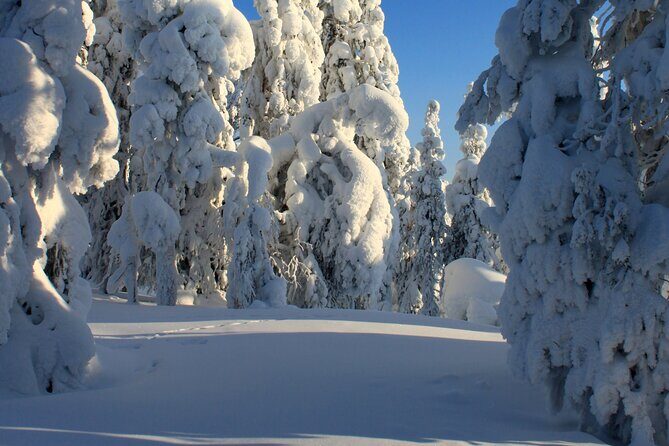
Snowshoeing in Kiruna feels like a reset. This easy 2.5-hour trip through Swedish Lapland turns the arctic forest into a living classroom, with time to search for animal tracks and learn how wildlife survives the long winter. I love the small-group attention (max 8) and the way the guide keeps things comfortable, friendly, and fun for an outdoor winter outing.
I also love the warm break built into the experience: homemade berry juice and a traditional cookie called Kangoskaka, served next to a campfire. One possible drawback: you get snowshoe equipment, but you get no additional clothing, so you’ll need to dress for real cold rather than hoping it’s provided.
In This Review
- Key highlights at a glance
- A Winter Forest Hike Made for Easygoing Days
- Price and Value: What $146.65 Buys You in Kiruna
- How the 2.5km Route Works (and what to expect)
- Equipment and Clothing: The One Thing You Must Bring
- Spotting Animal Tracks in the Arctic Forest
- The Campfire Break: Berry Juice and Kangoskaka
- Kiruna Stories: Sami Culture and Mining Along the Way
- Meeting Your Guide in Kiruna Without Stress
- What to Bring for a 10:00am Start
- Who This Tour Suits Best (and who should skip it)
- A Quick Take on Guide Quality and Pace
- Should You Book Snowshoe in a Winter Forest?
- FAQ
- How long is the snowshoe tour in Kiruna?
- What distance do you cover?
- Is pickup included, and where do you get picked up?
- What’s included in the tour package?
- Do they provide clothing for the snow?
- What are the age limit and group size?
Key highlights at a glance
- Small group (max 8 travelers) so the guide can help with gear and pacing
- Easy route: about 2 to 2.5 km over roughly 2.5 hours
- Homemade break: hot berry juice plus Kangoskaka by a campfire
- Animal-track focus: you’ll look for tracks and learn how animals make it through the arctic year
- Transfers from central Kiruna in a black on67° minivan, with multiple pickup stops
- Headlamp available if needed for darker conditions or routes
A Winter Forest Hike Made for Easygoing Days
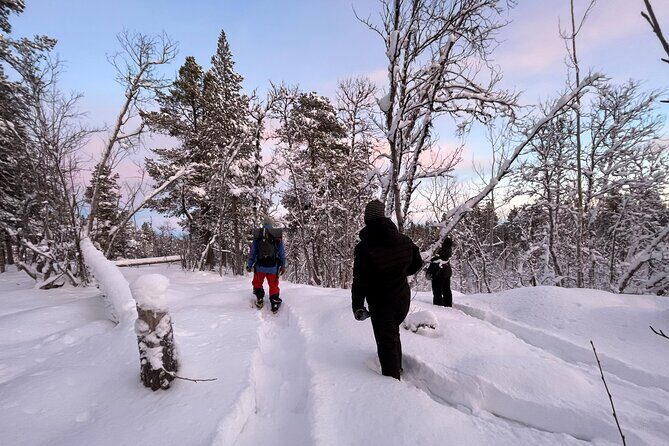
This is a straightforward Kiruna snowshoe experience designed for fun, not athletic proof. The activity level is listed as easy, and the route length is short enough that most people can keep a steady pace without feeling rushed.
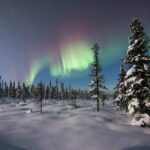
What makes it appealing is the focus. This isn’t just wandering around in snow boots. You’ll search for signs of life in the frozen forest—tracks that tell stories—while learning how animals survive across the arctic year. If you like nature walks with a plot, this style of guide-led hike works well.
A few more Kiruna tours and experiences worth a look
Price and Value: What $146.65 Buys You in Kiruna
At $146.65 per person, you’re paying for more than snowshoe time. You’re getting round-trip transfers from central Kiruna, a local guide, and the snowshoe equipment so you don’t need to rent or hunt down gear on your own.
You’re also getting the warm, included “pause your brain” moment: hot homemade berry juice and a traditional cookie (Kangoskaka). That matters in Swedish Lapland, because winter comfort is not a side quest. It’s part of why this experience feels like a real outing instead of a quick activity you forget the moment you leave.
How the 2.5km Route Works (and what to expect)
The hike runs for about 2.5 hours, and the distance is roughly 2 to 2.5 km. That short length is a big deal when you’re snowshoeing in cold weather—less time means less fatigue, even if snowshoes feel new at first.
Here’s the rhythm you can expect:
1) Pickup and arrival with your guide in central Kiruna
2) Snowshoe setup and a quick briefing so you know how to walk comfortably
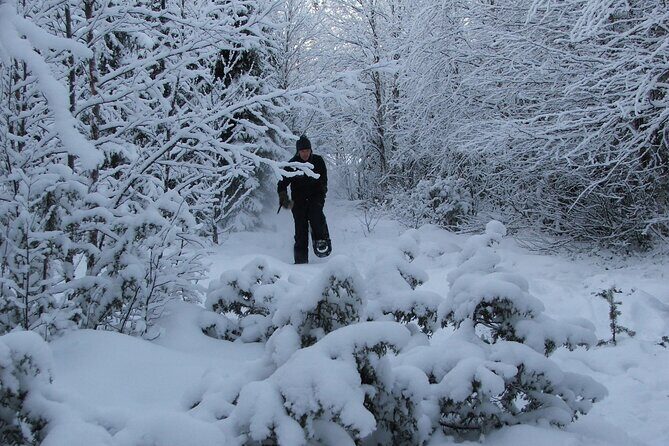
3) A guided loop through the winter forest, with stops for animal-track spotting
4) A warm break served next to a campfire
5) Return to the group for the finish after the easy snowshoeing time
In practice, this format means you’ll get both movement and learning, without spending hours cold and silent. If you’re hoping to see wildlife signs, the track-searching stops are the main “action,” since spotting animals themselves isn’t the promise here.
Equipment and Clothing: The One Thing You Must Bring
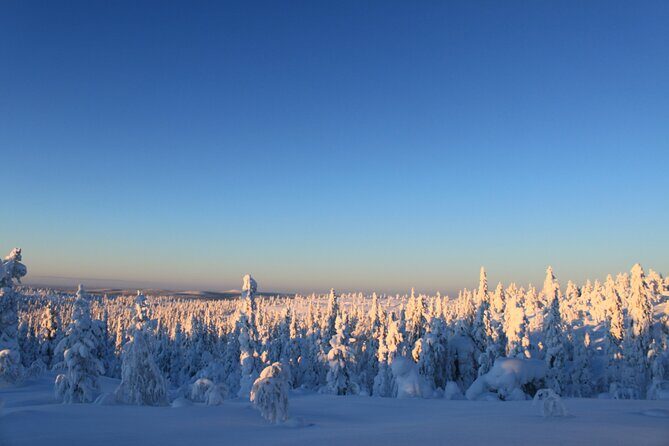
Snowshoes are provided, and the guide can help you get ready. If you need a headlamp, one is included if needed. That removes a lot of guesswork.
But the key point is simple: they do not provide additional clothing. So you’ll want to show up properly layered. Think warm base layers, insulating mid-layer, and outer protection against wind. Snowshoeing is easy, but it still happens in real winter conditions, and your comfort depends on what you wear.
Also note the minimum age is 12. If you’re traveling as a family, it’s worth checking who meets that age requirement before you plan around the start time.
Spotting Animal Tracks in the Arctic Forest
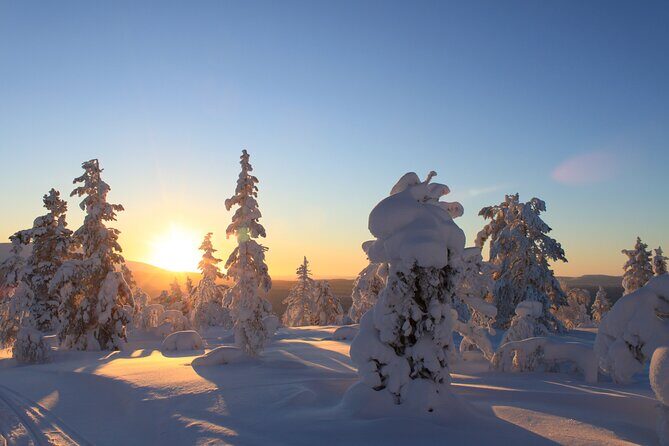
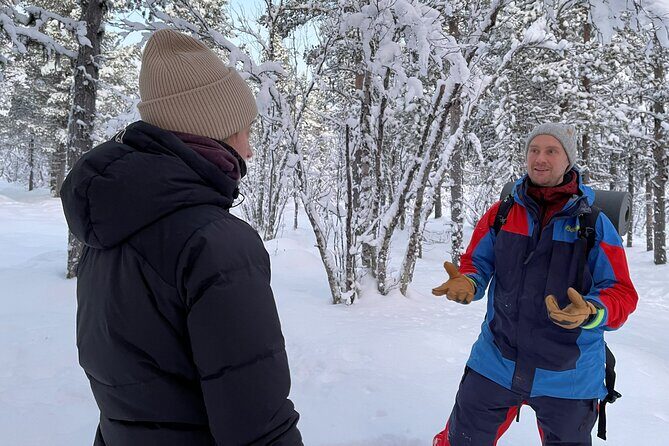
The main “wow” isn’t a dramatic stunt. It’s seeing how much information is hidden in plain sight. During the hike, you’ll search for animal tracks in the snow, and your guide will explain what you’re looking at.
Guides like Anders (the name that comes up again and again in the guide experience) tend to make this practical and easy to follow. You won’t just get random facts. You’ll get interpretation—what tracks can suggest and what animal behavior looks like in a winter habitat.
Even if you don’t see animals directly, track-spotting still feels rewarding because the forest becomes a kind of map. You start noticing patterns: where something walked, how it moved, and how animals find food and shelter when snow covers everything.

The Campfire Break: Berry Juice and Kangoskaka
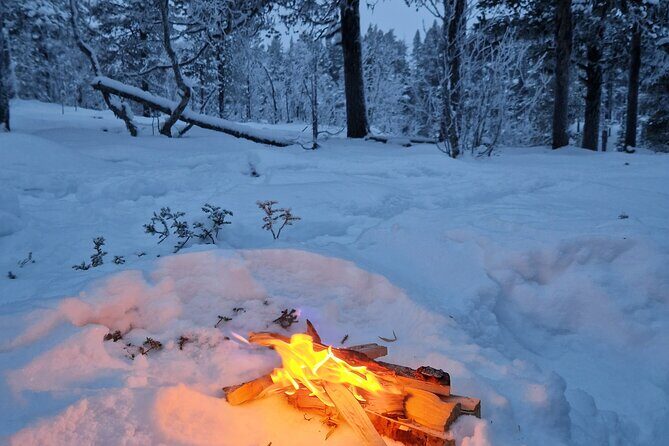
This tour earns its comfort score with a real warm break. After time in the snow, you’ll stop by a campfire for hot homemade berry juice and a traditional cookie called Kangoskaka.
The timing of the break matters. It gives you a chance to warm up before your legs get tired from snowshoeing. It also turns the experience into something social: instead of just walking until you’re cold, you get a moment to slow down, sip something hot, and reset.
It’s also a simple cultural touch. Kangoskaka isn’t a generic snack you can find anywhere. It’s part of the local idea of winter food, and it makes the warmth feel connected to the place rather than just a convenience.
Kiruna Stories: Sami Culture and Mining Along the Way
This isn’t only nature talk. You’ll also learn about Sami culture and mining in Kiruna during the outing.
Why that combination works: Kiruna’s identity and the surrounding landscape aren’t separate topics. The guide’s explanations tie the winter forest to how people live here—what the region values, how communities think about nature, and how the local economy shaped daily life.
So even if you mainly booked snowshoeing, you come away with a fuller sense of where you are. It feels like you visited a place, not just a trail.
Meeting Your Guide in Kiruna Without Stress
This tour starts at 10:00 am, and you’re picked up in a black minivan with the on67° logo. That’s helpful because winter timing gets tight fast, and you don’t want to hunt for a meeting point when it’s cold.
Pickup timing is staged:
- Camp Ripan: picked up about 15 minutes before start
- Tourist Information: about 5 minutes before start
- Hotel Scandic: pickup at the start time
There’s also mention of continuing to Arcti Eden in the old town as part of the pickup sequence. If you’re staying in central Kiruna, it’s likely one of these stops is close to you.
One practical tip: plan to be ready a little early. In winter, the difference between “right on time” and “waiting in the cold” can be a big mood swing.
What to Bring for a 10:00am Start
Because they provide equipment but not clothing, your packing list should be mostly about cold-weather layers. You’ll also want gear that keeps snow out and warmth in.
From the tour info, you don’t need to bring snowshoes. You’ll likely want:
- Warm winter layers you can comfortably move in
- Insulated gloves or mittens
- Winter boots that can handle snow
- A hat and face protection if it’s windy
- Your headlamp only if you personally prefer one (since one is included if needed)
If you’re the type who runs cold easily, lean warmer rather than guessing. Snowshoeing is easy, but cold adds up over 2.5 hours.
Who This Tour Suits Best (and who should skip it)
This experience fits best if you:
- Want easy snowshoeing in Swedish Lapland
- Enjoy guided nature learning, especially animal-track spotting
- Like winter comfort that includes a warm campfire break
- Prefer a small group (max 8) where the guide can check in with everyone
It may be less ideal if:
- You’re not willing to dress properly for winter cold (since no extra clothing is provided)
- You’re hoping for guaranteed wildlife sightings beyond tracks
- Your group doesn’t meet the minimum age of 12
If you’re traveling solo, this is still a good match. The small group format makes it easier to ask questions and get help with gear early on.
A Quick Take on Guide Quality and Pace
What really lifts this tour is how the guide keeps it welcoming. The recurring theme from the guide-led experience is comfort: the pace is manageable, and the guide helps you stay balanced while snowshoeing.
The track-spotting component also benefits from a guide who can explain what you’re seeing in a way that clicks quickly. You don’t want a lecture. You want something you can look at right now in the snow and understand.
With the short distance and easy activity rating, you won’t feel like you’re doing a long workout to earn the view.
Should You Book Snowshoe in a Winter Forest?
I’d book this if you want a Kiruna snowshoe tour that feels both active and thoughtful. The value is strong because you get transfers, snowshoe equipment, a local guide, and a warm, included break with homemade berry juice and Kangoskaka.
Book it especially if you care about learning—animal tracks, Sami culture, and Kiruna’s mining story are built into the hike’s flow. And if you’re traveling in winter, the “dress yourself well” reality is the one key thing to plan for ahead of time.
If you want a long, hardcore trek, this isn’t that. But if you want an easy, guided arctic-forest experience that helps you notice more than you expected, it’s a smart pick.
FAQ
How long is the snowshoe tour in Kiruna?
The activity runs for about 2.5 hours.
What distance do you cover?
The route length is about 2 to 2.5 km.
Is pickup included, and where do you get picked up?
Pickup is offered from multiple stops in Kiruna, including Camp Ripan, Tourist Information, and Hotel Scandic. The tour notes also mention a stop at Arcti Eden in the old town as part of the sequence.
What’s included in the tour package?
The tour includes a local guide, snowshoes, hot homemade berry juice, a homemade traditional cookie called Kangoskaka, and a headlamp if needed.
Do they provide clothing for the snow?
No. Additional clothing is not provided, so you need to dress according to the weather and the activity.
What are the age limit and group size?
The minimum age is 12 years, and the maximum group size is 8 travelers.
If you tell me your travel month and what kind of winter clothing you already have, I can suggest what to prioritize for comfort on snowshoes.