REVIEW · STOCKHOLM
Stockholm: Old Town Guided Walking Tour (English / Deutsch)
Book on GetYourGuide →Operated by Stockholm Summer Tours · Bookable on GetYourGuide
Gamla Stan feels medieval fast. This 2-hour walk connects Stockholm’s Old Town highlights with the tight lanes most visitors miss. You’ll move from statuary and squares to churches, palaces, and those famous narrow streets while learning how the old city worked.
I like two things right away: the guide brings the past to life with historic pictures at every stop, and the tour ends with a proper little mini fika sweet snack. On one run, Sophie used visual aids to make daily life before modern times feel clear; on another, Andre kept a relaxed pace and even helped people nail family photos.
One consideration: this is mainly a pass-by tour with no entrance fees included, so you’ll see important buildings from the outside rather than going inside.
In This Review
- Key highlights you will care about
- Why Gamla Stan feels like Stockholm’s real origin story
- Before you go: shoes, weather, and keeping your timing tight
- Starting at Birger Jarls Torg: the statue that sets the tone
- Riddarholmen and the church side streets
- Mårten Trotzigs Gränd: the narrowest-alley moment
- German Church and the lane network that explains the city’s links
- Stortorget and the Nobel Prize Museum stop
- Köpmangatan to Iron Boy: commerce to myth
- Royal Palace and Stockholm Cathedral: Old Town meets the big buildings
- The stories you’ll actually remember: events, neighbors, and daily life
- Mini fika and the finish near Gustav III’s Obelisk
- Price and value: why $29 makes sense for a 2-hour context tour
- Who this walking tour suits best
- Should you book this Stockholm Old Town guided walking tour
- FAQ
- How long is the Stockholm Old Town guided walking tour?
- Where is the meeting point for the tour?
- What is the nearest subway station?
- What languages is the tour offered in?
- Is mini fika included?
- Are entrance fees to sights included?
- Is the tour suitable for wheelchair users?
- What should I bring with me?
- What happens after the tour?
Key highlights you will care about
- Historic photos at every stop to help the stories stick
- Mini fika included as a friendly break near the end
- A question-driven tour covering Hanseatic-era links, major events, and everyday life
- Narrow-alley focus, including Mårten Trotzigs Gränd
- Stroll length that fits real schedules, with short walk segments and frequent photo stops
- A WhatsApp follow-up with local recommendations after the tour
Why Gamla Stan feels like Stockholm’s real origin story
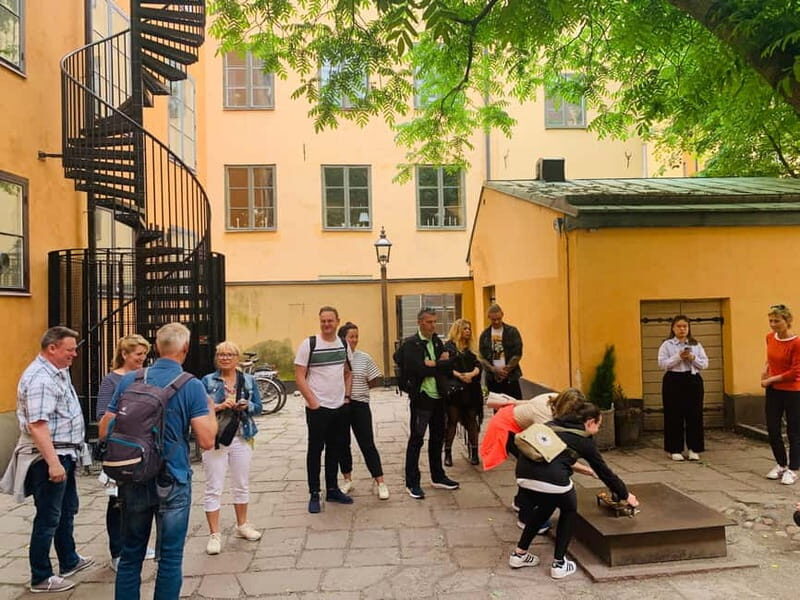
Gamla Stan is one of those places where you don’t need special effects. The streets and buildings already give you the medieval feel, and this tour is built to help you read that setting. You start in the older core, then work your way through the Old Town’s most recognizable landmarks and the smaller lanes that shape how the area feels.
What makes this walk more than a postcard route is the way the guide answers big questions as you go. You’ll hear about things like where the oldest building is, which spot is the narrowest alley, and whether people still live in Gamla Stan today. Instead of treating history like a list of dates, the tour frames it as daily life: who lived here, how it worked, and how it changed over time.
You also get the Nordic-and-neighbor angle. The tour touches on Nordic history and even the old Denmark rivalry, which can be surprisingly fun when it’s explained in the context of how power and borders played out.
You can also read our reviews of more walking tours in Stockholm


Before you go: shoes, weather, and keeping your timing tight
This is a 2-hour guided walking tour, with starting times that vary, so check availability for the slot that matches your day. The route is made of short stretches, often 5 to 10 minutes at a time, plus photo stops. That means you can keep your energy up, but you still need to be ready for steady walking on Old Town streets.
Bring comfortable shoes. It’s also smart to pack weather-appropriate layers because Scandinavian weather can change quickly. If you’re relying on photos or maps, bring a charged smartphone, since you’ll get a WhatsApp message after the tour.
Meeting is at Birger Jarls Torg, right by the Birger Jarl statue. The guide wears a visible vest, which helps when you’re arriving at street level. The nearest subway station is Gamla Stan (green and red lines), which is handy if you’re combining this tour with other parts of your day.
Also, plan to arrive on time. The tour starts punctually, and if you’re late or can’t make it, you should let the operator know ahead of time so the group isn’t held up.
Starting at Birger Jarls Torg: the statue that sets the tone
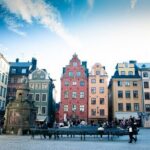
Your tour begins at Birger Jarls Torg, by the Birger Jarl statue. This first stop matters because it gives you a mental starting point for the rest of the walk. Instead of wandering, you get oriented early, so the alleys and landmarks you’ll see later connect into a single story.
From there, the route turns into the medieval street grid feel of Gamla Stan. Even when the stops are short, the guide keeps you moving with a clear rhythm: look, walk, photo, story, repeat.
Riddarholmen and the church side streets
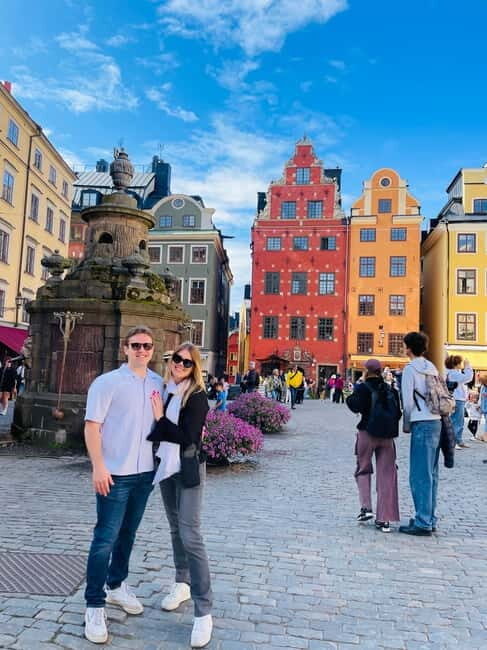
One of the first landmark stops is Riddarholmen, where you’ll have a photo stop and a brief walk. This area helps you shift from the square-and-statue vibe into the church and neighborhood atmosphere of the Old Town.
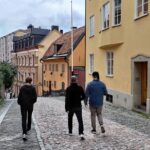
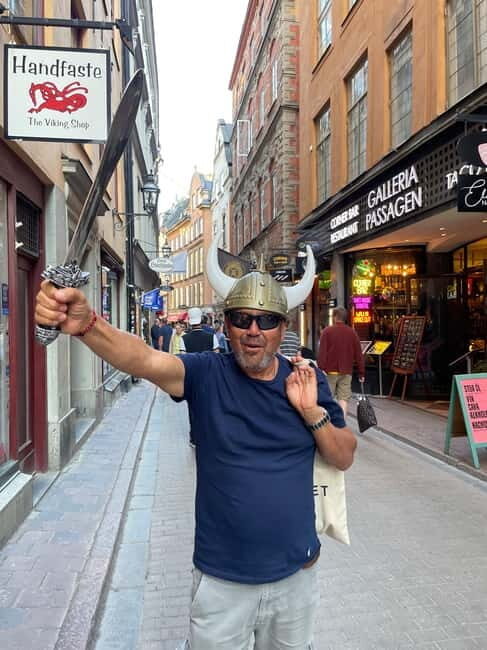
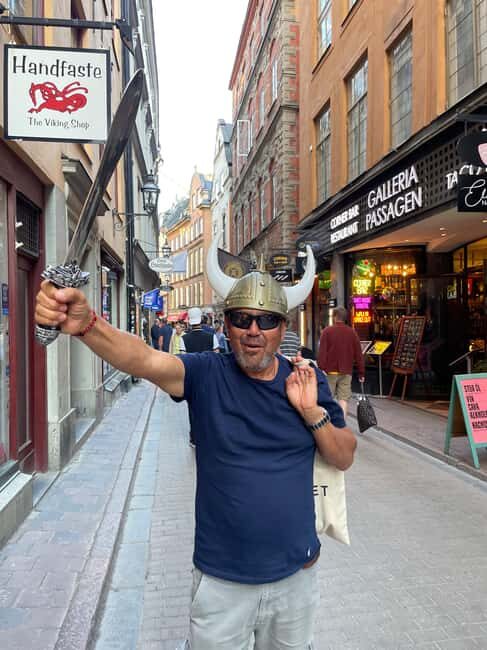
Then you move through a sequence of smaller streets and photo points, including Stora Gråmunkegränd, Ignatiigränd, and Västerlånggatan. The practical value here is simple: these narrow lanes are exactly where Old Town character lives. If you’ve only seen Gamla Stan from broad streets, this part helps you understand the layout and why the city feels compact.
Keep an eye out for Svartmangatan, another stop on the way. The tour’s structure makes these small streets feel purposeful, not random. It’s a good reminder that medieval cities weren’t built for cars and big sidewalks. They were built for walking, trading, and living close together.
Mårten Trotzigs Gränd: the narrowest-alley moment
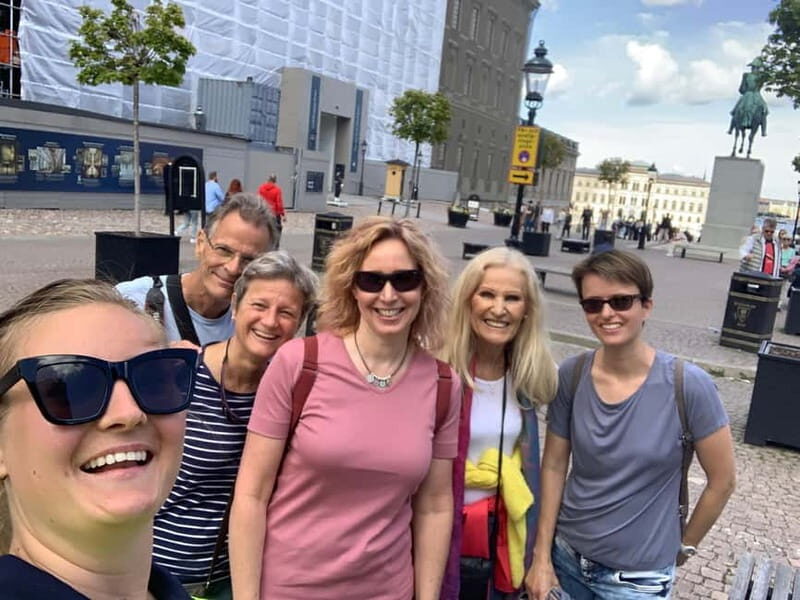
This is one of the tour highlights: Mårten Trotzigs Gränd, described as the narrowest alley. The best part isn’t just the photo opportunity. It’s what the guide does with it: you use the physical narrowness as a clue to understand how people moved through space and how life must have felt in older times.
This is also the section where the tour’s story themes tend to click. You’ll hear questions related to who lived where, including darker parts of the past. The tour mentions topics like the Executioner and the Hell Street and the Ghetto. Even if you’re not expecting heavy content, this is where the tour helps you connect the street layout to the city’s social history.
You can also read our reviews of more guided tours in Stockholm




German Church and the lane network that explains the city’s links
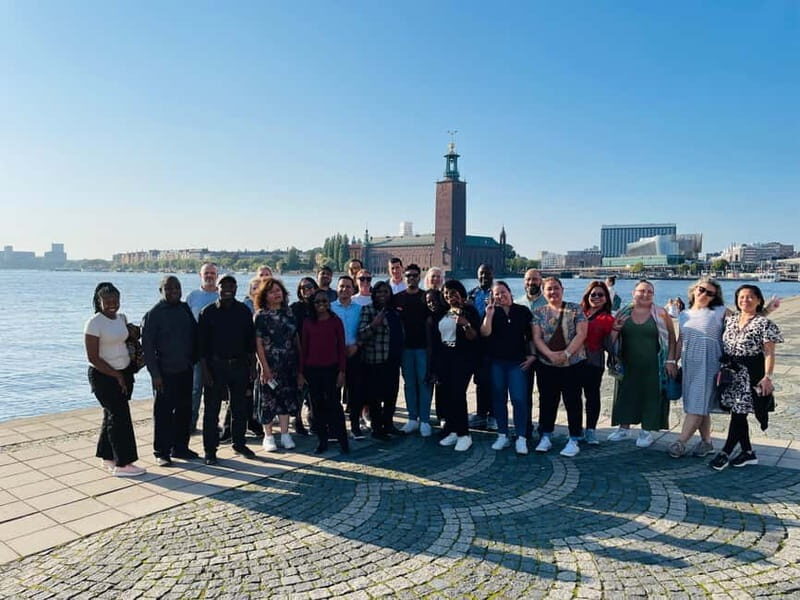
After the narrow-alley moment, you continue to German Church, Stockholm for another photo stop and walk. The tour explicitly raises the Hanseatic League and asks whether Gamla Stan was a German colony in times of that league. Standing near a church connected to the German community theme makes that question feel less abstract.
Next up is Prästgatan and Österlånggatan. These stops are useful for two reasons. First, they show you that Gamla Stan isn’t just one famous street; it’s a web of lanes that shape views and movement. Second, the route helps you get a feel for how the Old Town’s key spots connect without you needing to map everything yourself.
Stortorget and the Nobel Prize Museum stop
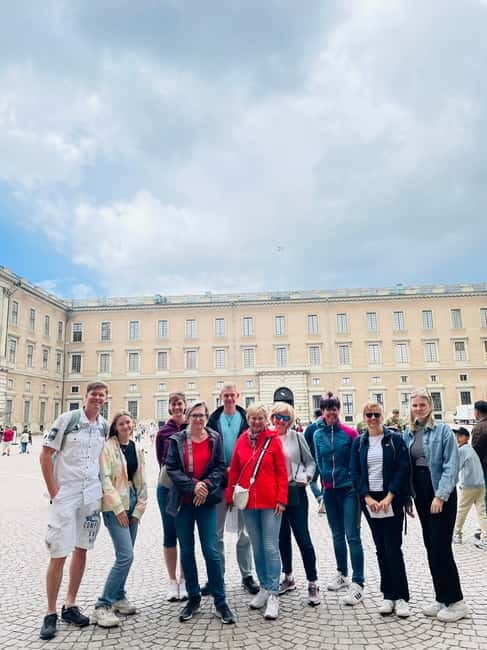
You then reach Stortorget, a major square. A photo stop here gives you a breather from the tighter lanes while still staying in the Old Town core. Squares are where old cities often came alive with movement and meeting points, and even without entering anywhere, you can see why this kind of space mattered.
After that is the Nobel Museum area for a photo stop and short walk. The tour uses these high-recognition spots as anchors, helping you connect medieval street life with the modern Stockholm identity built on top of it.
Köpmangatan to Iron Boy: commerce to myth
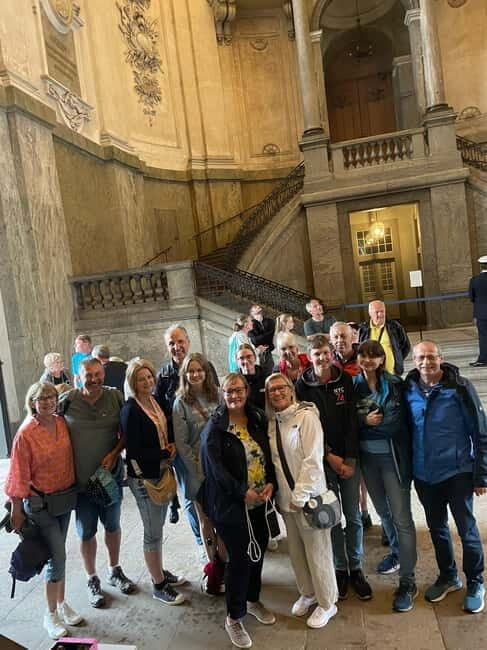
From Stortorget, you continue to Nobel Museum area, then onward to Köpmangatan. The name itself points toward trade, and the guide uses it as another way to frame how people lived and worked in the Old Town. The tour also keeps pointing out everyday life questions, including who lived in Gamla Stan and what life looked like back then.
Then comes a fun highlight for photos and street sculpture lovers: Iron Boy, known as the boy who is watching the moon. The tour also lists a statue pairing here: St. George & the Dragon. This is a nice shift in tone from the heavy historical questions to something more playful and visual, without losing the thread of the city’s identity.
Royal Palace and Stockholm Cathedral: Old Town meets the big buildings
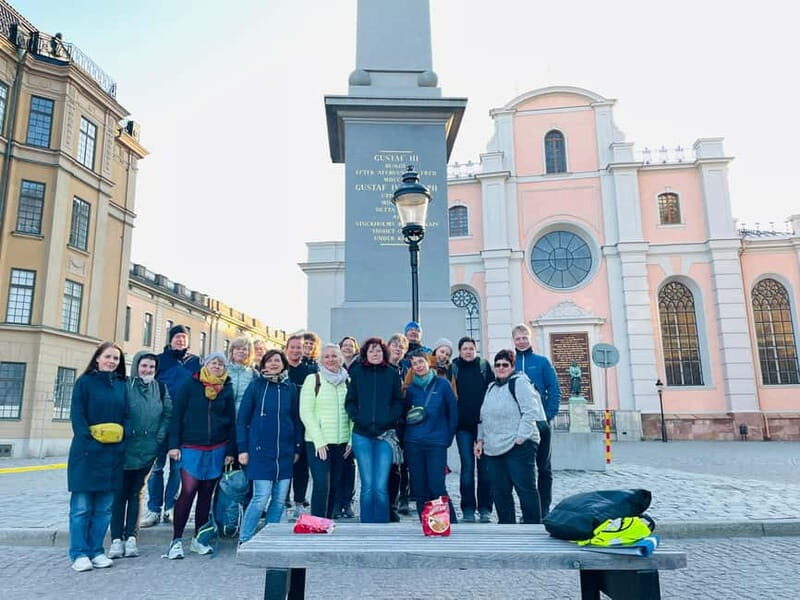
Late in the walk, you reach grander landmarks: the Royal Palace, Stockholm and then Stockholm Cathedral for photo stops and short walks.
Because the tour is designed around passing by sights from the outside, this section works best if you want the bigger landmarks as context rather than as an entry-ticket experience. You’ll see the scale and placement of these institutions in the overall Old Town setting, which helps you understand how the area’s medieval streets relate to later power centers.
If you’re planning other timed museum or church visits, this is the part of your day where you can decide if you want to go inside later on your own. The tour does not include entrance fees, so your time afterward can stay flexible.
The stories you’ll actually remember: events, neighbors, and daily life
This tour is built around answers to questions, not just landmark facts. You’ll hear about where the oldest building is, where the narrowest alley is, and whether people still live in Gamla Stan. You’ll also get explanations touching Nordic history and why the region stayed close with neighbors.
The guide covers big event and culture topics too, including:
- Whether Gamla Stan was linked to a German colony period during the Hanseatic League
- What happened during the Stockholm Blood Bath
- Whether Vikings lived in Stockholm
- Where the Executioner lived
- What the Hell Street and the Ghetto refer to
- Why a French officer became Swedish King in the early 1800s
- The ongoing historical rivalry with Denmark
Even if you don’t remember every detail, the method helps: you connect the story to a location you can point to later. That’s why the historic pictures at each stop matter. They turn the street you’re standing in into something you can visualize, which makes the past easier to hold onto.
Mini fika and the finish near Gustav III’s Obelisk
Near the end, you enjoy a mini fika, the Swedish sweet snack tradition. This isn’t just food on a schedule. It breaks the walking effort and gives your brain time to settle before your next stop in the city.
The tour finishes at Gustav III:s Obelisk. Your activity description also notes that it ends back at the meeting point area, so treat this as: you wrap up around the central finish zone and the whole outing keeps you in a convenient part of Gamla Stan for heading off on your own.
Afterward, you’ll get a WhatsApp message to the phone number you used for booking, with the guide’s local recommendations. This part is genuinely useful if you like choosing places in real time, because the recommendations can cover restaurants, fika spots, viewpoints, archipelago island ideas, and budget-friendly options.
Price and value: why $29 makes sense for a 2-hour context tour
At about $29 per person for around 2 hours, this tour isn’t trying to replace paid museum tickets. It’s priced for guided orientation plus storytelling. And you do get added extras that raise the value above a basic walking loop:
- Local, experienced guide
- Historic pictures at every stop
- Mini fika included
- A follow-up WhatsApp list of local recommendations
- No entrance fees (since the sights are passed by from the outside)
For me, the math is simple. If you have a short time in Stockholm, paying for guided context can save you from wandering without purpose. And since the tour keeps sights mostly outside, you can still choose your own paid entrances later based on your interests.
Who this walking tour suits best
You should strongly consider this tour if:
- You’re spending limited time in Stockholm and want Gamla Stan highlights plus structure
- You like history told as stories you can connect to streets
- You want photos at key stops without a long museum time commitment
- You enjoy fika breaks built into the plan
It’s also a good fit for families who want an easygoing pace and help getting good group photos, especially with guides like Andre noted for that kind of support.
One group it may not suit is wheelchair users, since it’s listed as not suitable for that. If mobility is limited, you might want a different kind of tour with less walking.
Should you book this Stockholm Old Town guided walking tour
Book it if you want a clear, guided way to understand Gamla Stan, not just to see it. The route covers the kind of mix you need on a first visit: squares, churches, palaces, narrow alleys, and those memorable street moments like Mårten Trotzigs Gränd and Iron Boy.
Skip it only if your main goal is entering interiors. Since it’s built around passing sights from the outside and includes no entrance fees, you’ll get facades and street-level views rather than ticketed visits.
If your day plan needs a 2-hour anchor with real storytelling and a fika payoff, this is a solid choice.
FAQ
How long is the Stockholm Old Town guided walking tour?
The tour lasts about 2 hours.
Where is the meeting point for the tour?
You meet at Birger Jarls Torg, right by the Birger Jarl statue.
What is the nearest subway station?
The nearest station is Gamla Stan (green and red line).
What languages is the tour offered in?
The tour is available in English and German. It can also be booked in Spanish and Swedish.
Is mini fika included?
Yes. The tour includes a mini fika (Swedish sweet snack) at the end.
Are entrance fees to sights included?
No. The tour passes by sights from the outside, and there are no entrance fees included.
Is the tour suitable for wheelchair users?
No. It is not suitable for wheelchair users.
What should I bring with me?
Bring comfortable shoes, weather-appropriate clothing, and a charged smartphone.
What happens after the tour?
You receive a WhatsApp message with the guide’s local recommendations, including places for food and fika, viewpoints, archipelago island ideas, and budget-friendly options.