REVIEW · STOCKHOLM
The Nordic Food Walk Stockholm
Book on Viator →Operated by Food Tours EU · Bookable on Viator
Follow the food, not the guidebook. This Nordic Food Walk Stockholm lines up historic markets, local neighborhoods, and nonstop tastings so you actually learn what Swedish eating feels like in real life. You start at Östermalms Saluhall, Stockholm’s old-school food hall, then work your way through places many visitors skip, guided by locals praised for turning each stop into a story you can taste.
I especially like the mix of classic and modern Swedish food, from meatballs that are slightly “healthier” than the traditional version to cured meats and cheeses that explain why Scandinavia has such a strong ingredient culture. I also like that the tour doesn’t just hand you bites and disappear it ends with the national ritual of fika, the kanelbullar-and-strong-coffee moment that makes Stockholm slow down for a second. The main thing to watch: you’ll walk a fair amount and you’ll likely leave very full, so go in hungry and wear shoes that don’t hate cobblestones.
In This Review
- Key highlights that make this tour worth your time
- Östermalms Saluhall to Old Town: why this route starts where it does
- Price and value: what $122.32 actually covers
- The pacing reality: walking shoes, group size, and time drift
- Stop-by-stop: what you’ll eat and what each place teaches you
- 1) Östermalms Saluhall: market tradition plus the meatball lesson
- 2) Stureplan and the walk-through Stockholm neighborhoods
- 3) Kungsgatan and K25: seafood, people-watching, and wine
- 4) Chokoladfabriken: hot chocolate with cardamom and 65% cocoa
- 5) Hötorgshallen: market stalls, fresh produce, and the Swedish pantry mindset
- 6) P&B Delikatesser: truffles, licorice, and cloudberry jam
- 7) Husmans Deli and artisan cheese
- 8) Fågel & Vilt: cured meats like reindeer and elk salami
- 9) Beer and fruit: Norrlands Guld and a fresh finish
- 10) Gamla Stan cobblestones and a candy store stop
- 11) The fika finale: kanelbullar and strong coffee
- What makes the guides matter: Cotton, Teresa, Sarah, and Caoimhe in practice
- Food-tour etiquette that will make your day better
- Should you book Nordic Food Walk Stockholm?
Key highlights that make this tour worth your time
- Östermalms Saluhall sets the tone with centuries-old market architecture and a very Stockholm vibe
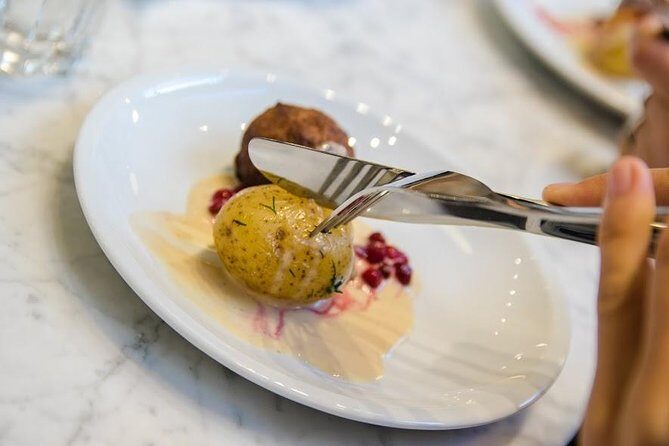
- Meatballs with real “how to” talk, including potatoes and jams that pair with them
- Stureplan and Kungsgatan get included, plus K25, a local urban food court
- Chokoladfabriken hot chocolate with 65% cocoa and cardamom (sweet, but with bite)
- P&B Delikatesser and its Swedish candy/cheese/cured-snack lineup, including cloudberry jam and truffles
- Gamla Stan fika finale with kanelbullar and strong coffee to wrap up the whole journey
Östermalms Saluhall to Old Town: why this route starts where it does
The best thing about this tour is the starting point: Östermalms Saluhall. It’s described as Stockholm’s oldest food market, and that matters because you’re not just sampling food. You’re stepping into the setting that shaped how Stockholm eats—market culture, trade, and the Swedish love of treating food like a serious craft.
As you meet your guide near Beirut Café on Nybrogatan 29, you’re thrown right into the “why” behind Swedish food. The hall’s interior wooden carvings and preserved architecture give you context fast. It’s one of those places where you can feel the generations of vendors and families still tied to the market rhythm.
From there, you move into tastings that balance traditional and modern. One of the early items is modern Swedish meatballs—slightly adjusted from the older version, but still unmistakably meatball-shaped and satisfying. You’ll also get the pairing logic: what potatoes are typically used, and why jams matter. This is the kind of practical food knowledge that’s hard to pick up on your own when you’re scanning menus fast.
And then the route shifts. You walk toward areas like Stureplan, and later you spend time in Stockholm’s Old Town lanes around Gamla Stan, finishing with sweets and fika. That neighborhood-to-neighborhood shift is what makes the walk more than a food list.
You can also read our reviews of more walking tours in Stockholm



Price and value: what $122.32 actually covers
At $122.32 per person for about four hours, this isn’t “cheap eats.” But it’s priced like a proper guided food experience, and the included items add up.
Here’s what’s in the deal:
- A professional guide
- Food tastings and free samples
- Water
- A glass of wine
What that means for you is simple: you’re paying for concentration. Instead of spending your day bouncing between places with long lines or guessing what to order, you get a structured route with tastings planned so you experience different Swedish flavors and textures.
Also, Stockholm food can get pricey fast in tourist-heavy pockets. This tour keeps you in food halls, delis, and market spots where you’re more likely to try multiple items without turning the day into a budget headache. One review even joked about not eating beforehand, and that matches what the flow feels like: you’re going to be full by the end.
The “not included” part is also worth noting. Additional drinks and extra food are on you. So if you want more wine or beer, factor that into your budget.
The pacing reality: walking shoes, group size, and time drift
This is sold as a 4-hour walk, offered in English with a maximum group size of 20. “Max 20” is usually comfortable for a food tour, because you can still hear your guide and move as a unit.
That said, a couple of things can change how it feels:
- Cold weather can keep people chatting longer, and one guest reported the tour running to around 7:15.
- Some comments mention the pace being a bit fast at times.
My advice: treat it as a guided stroll with a purpose, not an easy sit-and-snack parade. If you’re on the older side or you get tired quickly, wear supportive shoes and let your guide know early if you need a slower rhythm.
The good news is that the tour is near public transportation. So even if you want to extend the day after, you’re not stuck far from transit.
Stop-by-stop: what you’ll eat and what each place teaches you
1) Östermalms Saluhall: market tradition plus the meatball lesson
You start near Beirut Café and then connect to Östermalms Saluhall. This is where you learn the Stockholm way of shopping for food: you come to see, smell, talk, and then buy for the day.
You’ll get tastings early, including modern Swedish meatballs. The value here isn’t only the taste. The guide also explains how Swedish cooks think about pairings—like potatoes and jams. If you’ve ever wondered why certain foods in Scandinavia come with specific preserves or sauces, this stop gives you a reason.
A small but meaningful detail: you’re told the meatballs are “healthier” than the traditional version while staying tasty. That kind of comparison helps you understand Swedish modern cooking as a tweak, not a reinvention.
You can also read our reviews of more food & drink experiences in Stockholm



2) Stureplan and the walk-through Stockholm neighborhoods
Stureplan is included even though many visitors skip it. That’s useful. It adds a glimpse of how Stockholm “looks” when you’re not just in museum mode.
This part of the walk also helps you reset expectations. You’re not only eating. You’re learning how neighborhoods change, where people spend time, and how the city feels between major sights.
3) Kungsgatan and K25: seafood, people-watching, and wine
At Kungsgatan, you’ll check out K25, described as an urban food court that draws Stockholm’s younger crowd. This is one of those stops that makes the tour feel current.
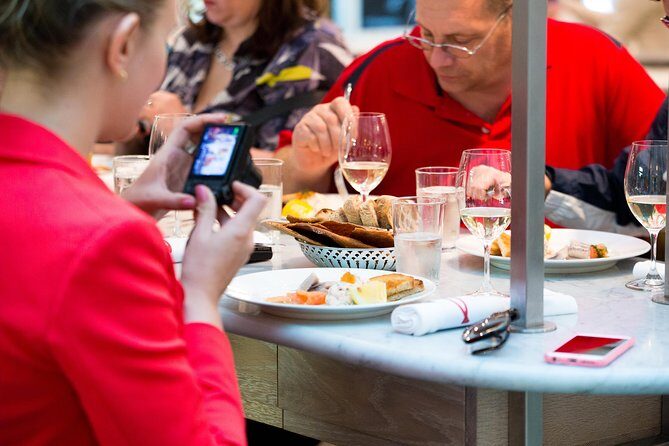
You’ll taste local seafood, and you’ll also have a glass of white wine while you hang out in the food court setting. The practical benefit: you get a Swedish seafood experience without hunting down a specific restaurant.
And yes, people-watching is part of the deal. Stockholm food isn’t just for tourists sitting quietly. It’s a social thing.
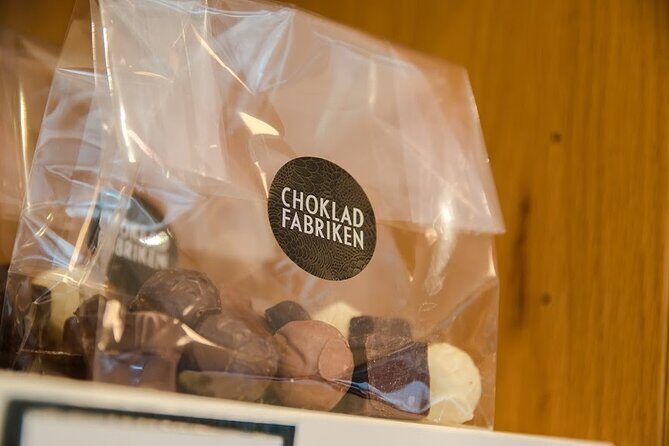
4) Chokoladfabriken: hot chocolate with cardamom and 65% cocoa
Next up is Chokoladfabriken, and their hot chocolate is called legendary. The details matter: it’s made with 65% cocoa and cardamom.
This is where the tour earns its sweetness badge, but it doesn’t taste like dessert for dessert’s sake. Cardamom gives it a warm, slightly spicy perfume that feels more Nordic than standard chocolate drink mixes.
Also, for many people this is a “gear shift” moment. You’re going from savory samples into a drink-based stop that gives your stomach a break while still keeping the tasting momentum going.
5) Hötorgshallen: market stalls, fresh produce, and the Swedish pantry mindset
Then you move to Hötorgshallen, where you can browse market stalls filled with Swedish delicacies and fresh produce.
Even if you don’t buy anything, this stop teaches you what Swedish markets are like: you’re surrounded by ingredients that look meant for serious cooking, not just quick snacks. It’s one of the best places to get ideas for what to look for later in regular stores or specialty shops.
6) P&B Delikatesser: truffles, licorice, and cloudberry jam
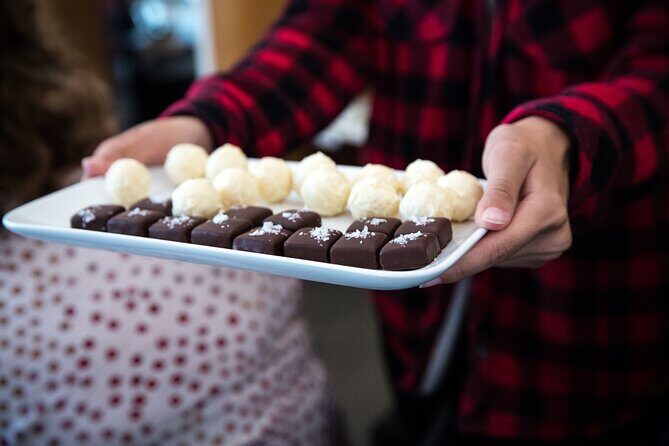
At P&B Delikatesser, you’ll taste a dizzying array of homemade products. This is where the tour leans into Swedish “small-batch” identity.
You might sample things like:
- truffles
- traditional Swedish licorice
- cloudberry jam
Cloudberry jam is a great example of why this tour is useful. It’s not something you’ll casually see everywhere, and it’s the kind of ingredient that instantly makes your future Swedish meals more interesting.
7) Husmans Deli and artisan cheese
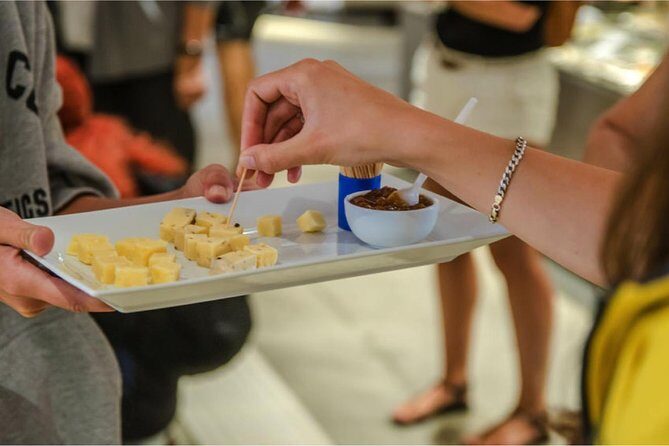
Then comes Husmans Deli for artisan cheese. This stop complements everything else because Swedish food culture leans heavily into dairy quality.
If you’ve only tried cheese on supermarket platters at home, this kind of tasting changes your mental map. You start seeing cheese as a flavor category with rules, not just a topping.
8) Fågel & Vilt: cured meats like reindeer and elk salami
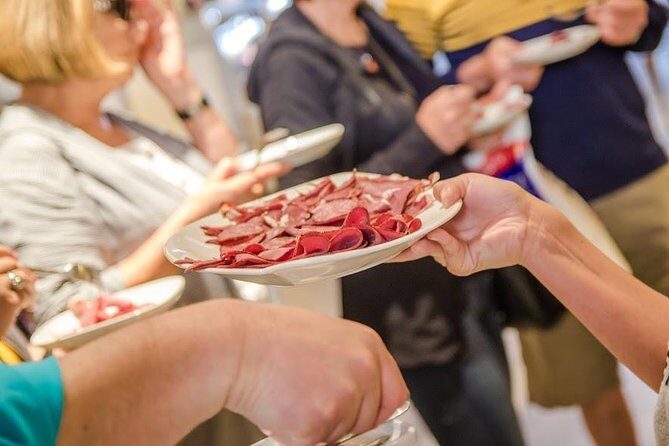
At Fågel & Vilt, you’ll get cured meats such as smoked reindeer and elk salami.
This is a standout for people who like to try foods they won’t easily find elsewhere. It’s also a good moment to ask your guide how Swedish markets treat game meat and cured products—because the context makes it feel less like a novelty and more like normal local pantry behavior.
9) Beer and fruit: Norrlands Guld and a fresh finish
You’ll taste Norrlands Guld beer, then chase it with fresh fruit from Lisbeth Janson Frukt & Grunt.
This part matters more than it sounds. Beer helps you reset after salty cured bites, and fruit gives you something bright and cleansing before you head into Old Town lanes again.
10) Gamla Stan cobblestones and a candy store stop
You’ll walk cobblestone streets in Gamla Stan, Stockholm’s Old Town, and pause at a candy store before the final tasting.
This segment is where the tour turns into an easy city walk with flavor in the background. It’s less about learning every building detail and more about feeling Stockholm’s center the way locals might drift through it on a relaxed afternoon.
11) The fika finale: kanelbullar and strong coffee
Finally, you finish with a traditional Swedish fika: kanelbullar (cinnamon bun) and strong coffee.
Fika is the Swedish mid-afternoon reset, and this ending makes the whole route click. All that walking and sampling becomes a reason to pause. You get a classic moment of Swedish life at a point where you’re ready to sit, breathe, and decide what you want to eat again later.
One caution: a guest mentioned the final cinnamon bun can be dry, so treat this as the ending tasting, not a guaranteed bakery masterpiece. If you like cinnamon buns, it’s still a must-try moment because it’s part of the cultural rhythm.
What makes the guides matter: Cotton, Teresa, Sarah, and Caoimhe in practice
Across the tour’s experience, the guides are repeatedly credited for turning tastings into context. Names that came up include Cotton, Theresa, Sarah, and Caoimhe.
Here’s what stands out from their descriptions:
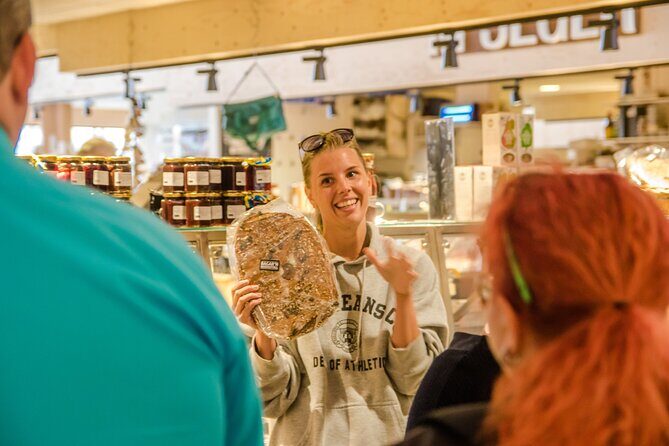
- Cotton is praised for deep food-and-history explanations and patience with lots of questions, even on topics beyond food.
- Teresa and Sarah are praised for friendly, engaging guiding and for helping solo guests feel included.
- Caoimhe is noted for being fun and for accommodating gluten-free and vegetarian dietary restrictions.
That guide quality is a big part of why you should consider doing a food tour instead of just eating randomly. You’ll taste the items either way. The guide helps you understand what they mean, and that makes you more confident ordering later in restaurants.
Food-tour etiquette that will make your day better
This tour rewards a little planning. Here’s how I’d set you up for success:
- Go in hungry, because the tastings add up.
- Wear walking shoes. Even if it’s “manageable walking,” you’ll be on your feet for hours and you’ll end in cobblestone streets.
- If you have dietary needs, tell the operator while booking. The policy is clear: once the tour begins, tastings can’t be changed.
- Have a light layer. The tour moves through indoor markets and outdoor streets, so your body will switch between warm and chilly.
If you like Swedish food because it’s practical and ingredient-driven, this tour will feel like a shortcut to understanding the country’s eating habits.
Should you book Nordic Food Walk Stockholm?
Yes, if you want a structured, taste-first introduction to Swedish food in Stockholm. The route does a smart job of mixing historic markets, modern local food spots like K25, and a proper cultural finish with fika. The included glass of wine and the range of stops make the $122.32 feel more like a guided “day of tastings” than a light snack tour.
I’d hesitate only if you hate walking or you need a very slow pace. The tour is designed to keep moving, and a few comments mention speed or that time can run long.
If your goal is to eat your way across Stockholm’s food personality, this is a strong way to do it in one day.