REVIEW · STOCKHOLM
Stockholm: Sigtuna and Uppsala Viking History Day Tour
Book on GetYourGuide →Operated by STOCKHOLM EXCURSIONS · Bookable on GetYourGuide
Old runes on bridges beat museum-only days.
This full-day outing connects Viking-era sites around Stockholm with the kind of walking that makes history feel physical. You’ll hit runestones, an assembly place where decisions were made, and burial mounds tied to legendary Swedish kings.
I especially like the hands-on runestone focus—from Jarlabanke’s Bridge to the inscriptions you’ll study at Granby. I also like that the route includes both Sigtuna’s oldest-town streets and Uppsala’s major landmarks, so you’re not stuck in one single theme.
One thing to consider: it’s a tight 8.5-hour schedule with several photo stops, so if you want lots of free time in each location, you may feel slightly rushed. Also, English is the language, and a few visitors note accents can take a moment to tune into.
In This Review
- Key Viking-Era Moments Worth Marking
- Why This Stockholm-to-Uppsala Viking Day Trip Works
- Jarlabanke’s Bridge: Runestones on an Ancient Crossing
- Arkils Tingstad: Viking Law, Disputes, and Decisions
- Vallentuna Church and the Lake Area: From Viking Age to Christian Change
- Granby Farm, the Granby Stone, and Runic Inscriptions You Can Read
- Fika at Hökeriet: A Swedish Break That’s Actually Part of the Day
- Sigtuna: Cobblestones, St. Mary’s Church, and Church Ruins
- Uppsala Cathedral, University Grounds, and Gamla Uppsala Mounds
- Price, Timing, and What You’re Really Paying For
- Guide Quality: Look for the Storytellers
- Should You Book This Stockholm Viking History Day Tour?
- FAQ
- How long is the Stockholm Viking History Day Tour?
- Where does pickup happen?
- What’s included in the price?
- Are meals included?
- What sites will you visit?
- What should I bring?
- Is the tour English-language?
Key Viking-Era Moments Worth Marking
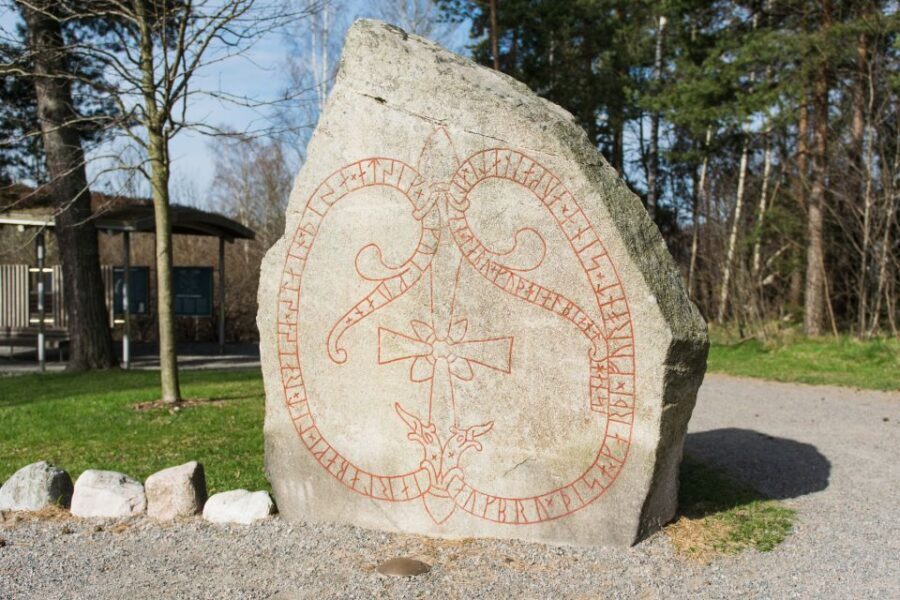
- Jarlabanke’s Bridge runestones: 11th-century power, family, and memory carved in stone.
- Arkils Tingstad assembly grounds: a real-life snapshot of Viking-era governance.
- Vallentuna Church (12th century): architecture and Christianization at the end of the Viking age.
- Granby Stone + Granby house foundations: the readable runic text and daily-life context side by side.
- Sigtuna’s cobblestones and church ruins: Sweden’s oldest town, founded in AD 980, in walkable form.
- Gamla Uppsala royal mounds: 6th–7th century burial mounds connected to legendary kings.
Why This Stockholm-to-Uppsala Viking Day Trip Works
This is the kind of tour that fixes a common problem: Stockholm’s Viking story isn’t confined to one highlight you can easily string together on your own. With the transport planned, you get a full loop of Viking-era landmarks and then a natural follow-up into Sigtuna and Uppsala, where the “old ways” start meeting organized Christian life and scholarship.
At 8.5 hours, the pacing is purposeful. You’ll spend a short-but-meaningful block at each stop—enough time for photos, guided explanation, and a bit of wandering. The van rides matter here, too: the itinerary is built so you’re not guessing how to move between sites that are historically linked but geographically spread out.
Price-wise, it’s listed at $255 per person, and the value comes from what’s bundled: a live English guide plus hotel pickup/drop-off and transportation. What’s not included is meals and drinks, so think of the cost as paying for guide-led access and logistics, not for a fully catered day. If you’re the type who hates piecing together multiple transit hops, that’s where this starts to feel fair.
You’ll also want to travel light in the practical sense. The tour restricts pets and luggage/large bags, so pack like you’re walking around old towns and church areas—because you are.
You can also read our reviews of more historical tours in Stockholm


Jarlabanke’s Bridge: Runestones on an Ancient Crossing
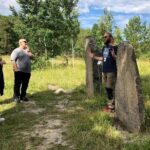
The day starts at Jarlabanke’s Bridge, named for the chieftain Jarlabanke. This is one of those places where the guide’s explanation turns “cool rocks” into a clear story.
Here’s why it’s memorable: you’re not only seeing Viking-age stonework—you’re seeing it on a bridge that connects people through a real movement route. That matters because runestones weren’t just decoration. They acted like public messages—about status, lineage, and who mattered.
The tour description places this in the 11th century, and the runestones connected to Jarlabanke’s family are the emotional core of the stop: you’ll get enough time for photos and a guided read of what the inscriptions are trying to say. You should be ready to look closely. The guide will help you make sense of wording and context, but bring the attitude of a patient reader.
Practical note: this is a “photo stop + visit + guided tour” format. If you’re hoping for long, slow wandering, manage expectations. Still, the payoff is high because you’re learning what you’re actually looking at.
Arkils Tingstad: Viking Law, Disputes, and Decisions
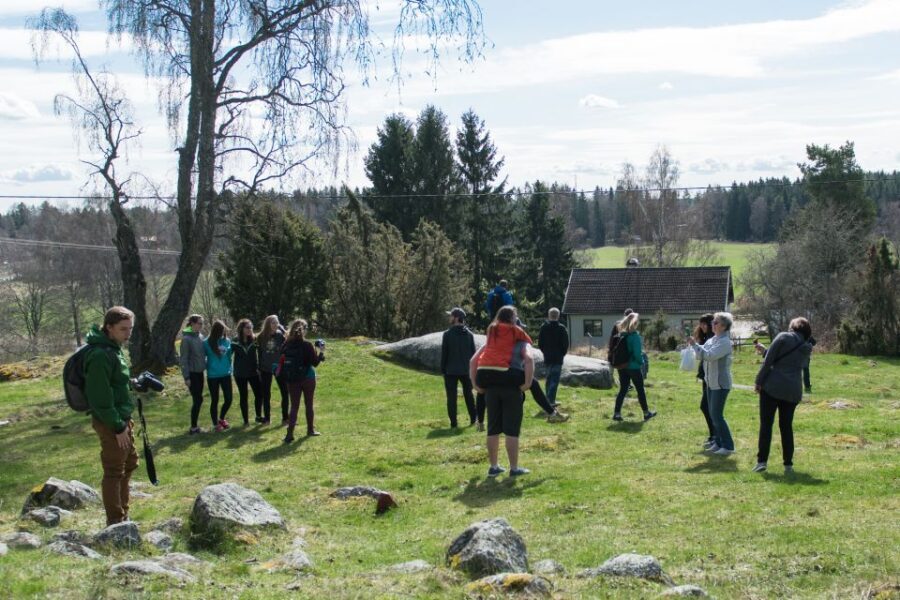
Next comes Arkils Tingstad, an assembly site linked to Viking governance. This stop is different from runestones because you’re stepping into a place where communities handled real-world issues—disputes, decisions, and laws.
What I like about this kind of stop is that it breaks the stereotype of Vikings as only warriors or traders. Instead, you’re seeing the social machinery. Even if you can’t picture the exact day-to-day details perfectly, the “what happened here” framing makes the site feel functional, not ceremonial.
The tour includes a photo stop and guided sightseeing around 30 minutes. That’s enough time for the guide to set the scene and connect the idea of assemblies to the inscriptions and community life you’ll keep seeing later in the day.
If you’re a history nerd, this is one of the best points in the entire itinerary. If you’re more casual, it still works because the concept is easy to grasp: people met, argued, decided, and moved forward.
Vallentuna Church and the Lake Area: From Viking Age to Christian Change
After Arkils Tingstad, you move to Vallentuna Church, a 12th-century church that blends Romanesque, Gothic, and Baroque elements. That mix is a huge clue about time. It signals change over centuries, with architecture updated as power and religious life shifted.
This is where the “end of the Viking age” story becomes more than a line in a timeline. The tour framing ties the church stop to Sweden’s Christianization, meaning you’ll get guided context on how religious authority and everyday life started transforming.
You’ll also spend time in the wider Lake Vallentuna area. The lake is described as scenic and tied to historical habitation, with different seasonal possibilities like ice skating in winter and hiking in summer. On a day like this, you’re not there for a long hike, but you are there for the feel: open water, space, and a sense of why communities would settle near a resource like a lake.
The stop at Vallentuna Church is shorter—about 20 minutes—so go with a mindset of “learn the key idea quickly.” You’ll still come away with a clearer understanding of how Viking-era life transitioned into a Christian Sweden.
Granby Farm, the Granby Stone, and Runic Inscriptions You Can Read
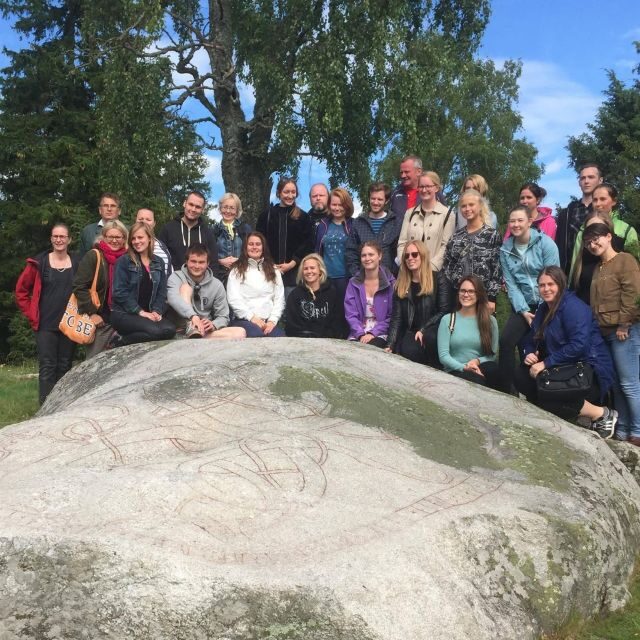
One of the most educational segments happens at Orkesta–Granby, starting with a coffee and break stop at Granby Farm—at Hökeriet, a provision shop tied to the fika moment of the day.
Then you get the core historical site: Granby and the Granby Stone. This is where the tour’s runestone emphasis really pays off.
You’ll explore:
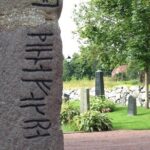
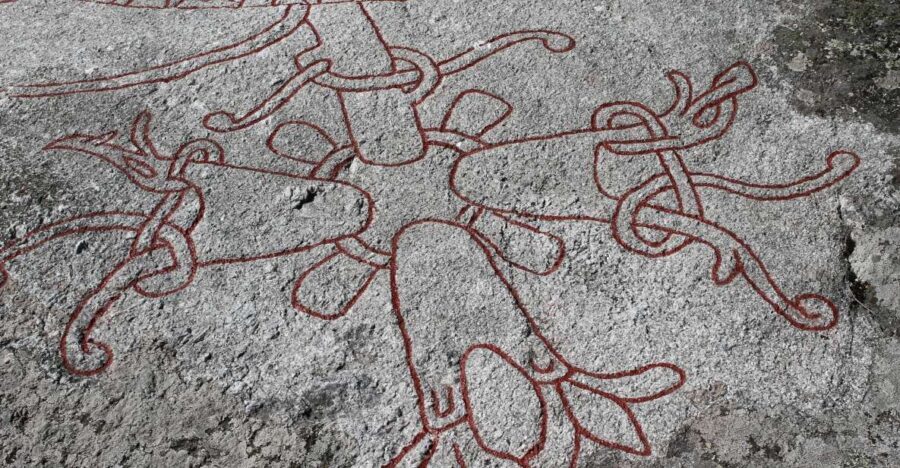
- The Granby Stone, which is described as having a detailed Viking text
- Granbyhällen runes (the tour specifically frames you as learning to decipher ancient inscriptions)
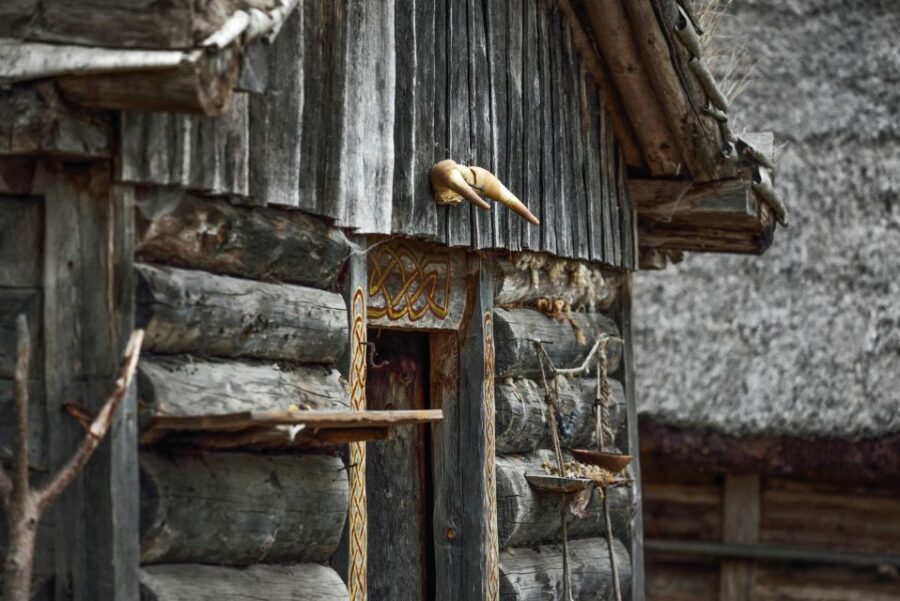
- Best-preserved Viking house foundations, which helps explain daily life rather than just high-level events
Why house foundations are such a big deal: runestones tell stories about people and status. Foundations tell you how people actually lived. Even if you’re not an archaeologist, seeing the outlines of structures makes the past feel less abstract.
The tour also gives you time for guided explanation plus sightseeing and scenic viewpoints on the way. Expect it to feel like a “teacher-led” stop, not a free-wander-only one.
If you’re the type who likes to understand the language of history—symbols, messages, inscriptions—Granby is a highlight you’ll remember longer than most stops.

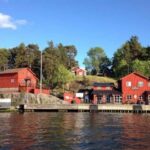



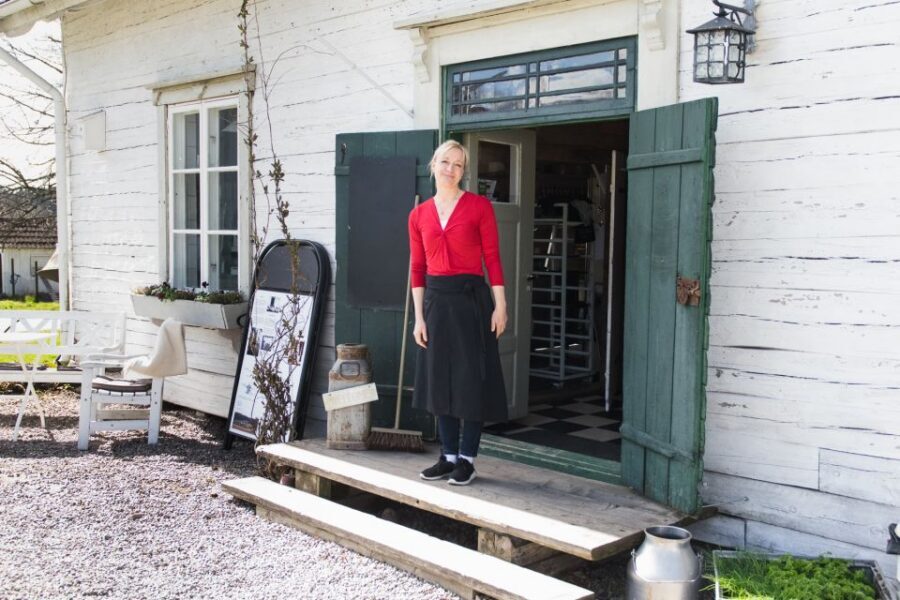
Fika at Hökeriet: A Swedish Break That’s Actually Part of the Day
At Hökeriet (Granby Farm), you’re not just grabbing caffeine. You’re taking part in Swedish café culture through a traditional fika moment, with a provision-shop setting and local handcrafts and Viking-themed souvenirs.
Since meals and drinks aren’t listed as included, treat this as your chance to slow down and buy what you need. The tour schedule indicates you can have coffee and local snacks during the break, but don’t assume a full meal is provided for free. Plan for that in your budget.
This is also where the tour becomes more than lecture. You’ll get a breather between heavier sites, and the shop area gives you something tangible to take home—especially if you enjoy Viking-themed crafts.
Practical tip: pick up a snack here if you expect long walking later in Sigtuna. The day is structured, but the energy management is still on you.
Sigtuna: Cobblestones, St. Mary’s Church, and Church Ruins
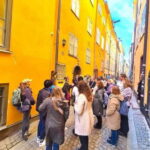
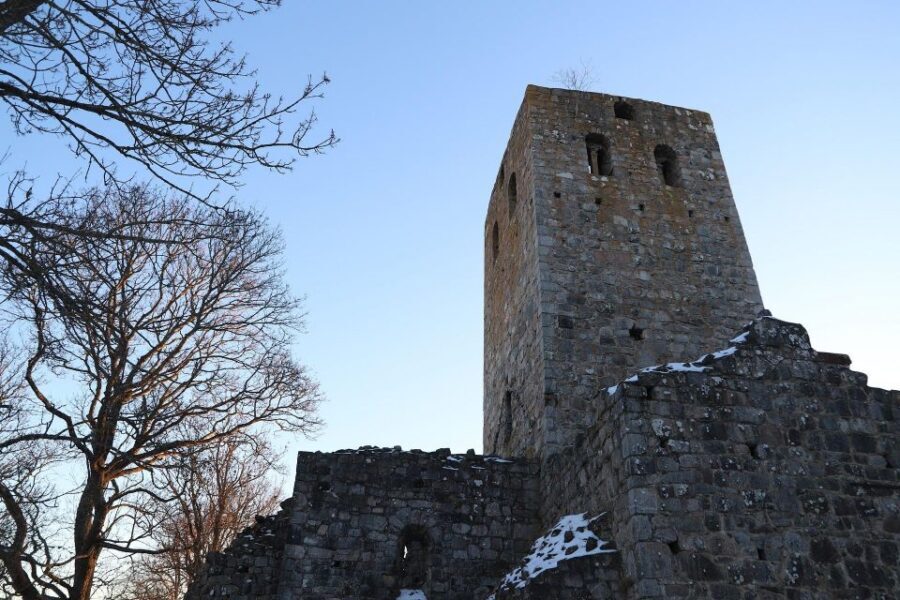
Then you reach Sigtuna, described as Sweden’s oldest town, founded in AD 980. You get a long enough block here—about 1.5 hours—that you can actually breathe and wander instead of racing from explanation to explanation.
You’ll walk cobblestone streets and get guided time at key landmarks:
- St. Mary’s Church
- areas connected to the town hall
- and church ruins
- plus time around lakeside views
Also on the list is the Sigtuna Museum, which is the sort of stop that can either be perfect or optional, depending on how museum-minded you are that day. Since you’ll have guided sightseeing and free time, you can match the museum time to your interests.
What makes Sigtuna so valuable in this tour is how it acts like a bridge (pun totally intended) between Viking-era themes and the later Swedish Christian and civic story. You’re not just seeing old stuff—you’re moving through a town where the layers of time are visible.
If your goal is “Vikings, but also Sweden,” Sigtuna is the natural pivot.
Uppsala Cathedral, University Grounds, and Gamla Uppsala Mounds
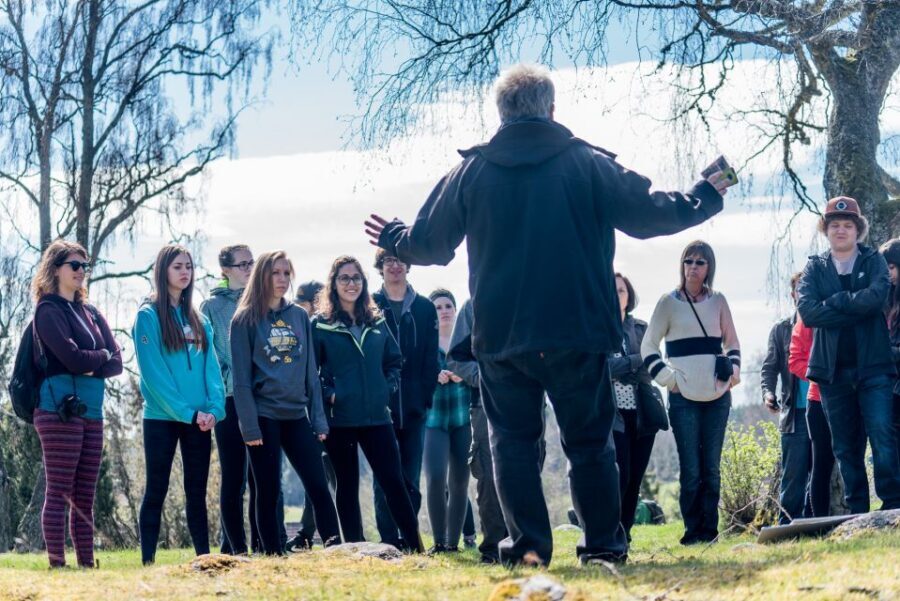
After Sigtuna, you head to Uppsala, where history and academics sit side by side. The tour includes a guided sightseeing pass with major landmarks such as:
- Uppsala Cathedral
- botanical gardens
- historic university buildings
- and Uppsala Castle
plus time for scenic driving viewpoints
It’s not presented as a deep museum day. It’s more like a guided introduction to why Uppsala matters in Sweden’s story—and why it’s easy to picture the next generations shaping knowledge and power.
The final “big feeling” stop is Old Uppsala (Gamla Uppsala), with the Royal Mounds. You’ll see three burial mounds dating to the 6th and 7th centuries, traditionally linked to legendary Swedish kings.
This is a strong ending because it returns you to themes of power and memory—but with a different kind of artifact. Instead of runestones or church architecture, you’re standing in a place built for eternity, tied to tradition and legend.
If you’re hoping for a Viking day trip that ends with atmosphere, Old Uppsala is it.
Price, Timing, and What You’re Really Paying For
At $255 per person for a roughly 8.5-hour day, this isn’t a cheap “quick hit.” So you should ask what you’re buying.
You’re buying:
- hotel pickup and drop-off from central Stockholm (so you’re not coordinating transit)
- transportation for multiple sites outside the city
- a live English guide who explains what you’re looking at
- a route that strings together runestones, assembly history, old town wandering, and Uppsala’s landmarks
What you’re not buying:
- included meals and drinks (and you should plan a fika snack or two)
- unlimited time at each stop
The real value hits if you want the context. If you only want photos, you could technically recreate pieces on your own. But if you want the “why this matters” part—like learning what the inscriptions are saying or understanding assembly culture—this format is hard to beat.
One more practical angle: the day includes restrictions like no large bags, so if you’re touring with lots of gear, the “free pickup” advantage can be eaten by hassle. Travel light and you’ll enjoy it more.
Guide Quality: Look for the Storytellers
The tour is guided in English, and the difference between a good day and a great one is often how the guide tells the story.
One guide who has stood out is Urban, praised for being friendly, answering questions, and talking continuously through the day without losing the thread. That’s exactly the kind of energy you want on a packed route with runes and governance sites.
That said, not every experience hits the same tone. One shorter review noted the trip felt less Viking-focused than expected and that the guide could be a bit dry. If you care a lot about Vikings in a “show-me-the-fighting” sense, adjust your expectations. This is more Viking life and institutions than battle reenactment.
Also, accents can affect listening comfort. A reviewer noted the accent wasn’t British and suggested it might take extra effort for less fluent listeners. The upside is that nothing is impossible if you come prepared to focus.
Should You Book This Stockholm Viking History Day Tour?
Book it if you want a structured Viking day that also includes the key follow-ups to understand Sweden’s shift from Viking-era society into later Swedish life. The combination of runestones, Arkils Tingstad assembly history, Granby’s inscriptions and house foundations, and then Sigtuna + Uppsala + Gamla Uppsala gives you a story arc.
Skip or rethink if:
- you hate tight schedules and want long free wandering in just one area
- you’re expecting a purely Viking-weapon-and-combat theme
- you plan to bring large luggage (the tour restricts that)
If you do book, bring comfortable shoes and plan to spend money on snacks and souvenirs. And choose your mindset early: this tour works best when you treat it like a guided walk through ideas, not just a checklist of famous names.
FAQ
How long is the Stockholm Viking History Day Tour?
It runs for about 8.5 hours.
Where does pickup happen?
Pickup is included, and it’s described as possible from accommodations in central Stockholm. The pickup location is listed as Stockholm.
What’s included in the price?
You get a live English guide, hotel pickup and drop-off, and transportation.
Are meals included?
Meals and drinks are not included. You’ll have a fika-style shop stop during the day, but plan on buying what you want.
What sites will you visit?
Key stops include Jarlabanke’s Bridge, Arkils Tingstad, Vallentuna Church, Granby/Granby Stone, Sigtuna, Uppsala, and Old Uppsala (Gamla Uppsala).
What should I bring?
Bring comfortable shoes. The day involves walking and outdoor time.
Is the tour English-language?
Yes, the tour guide provides the experience in English.