REVIEW · STOCKHOLM
Walking Tour of Stockholm’s Old Town, Gamla Stan
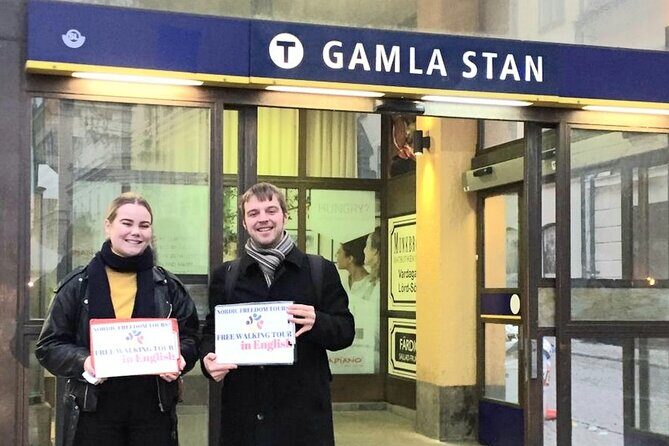
Book on Viator →Operated by NORDIC FREEDOM TOURS · Bookable on Viator
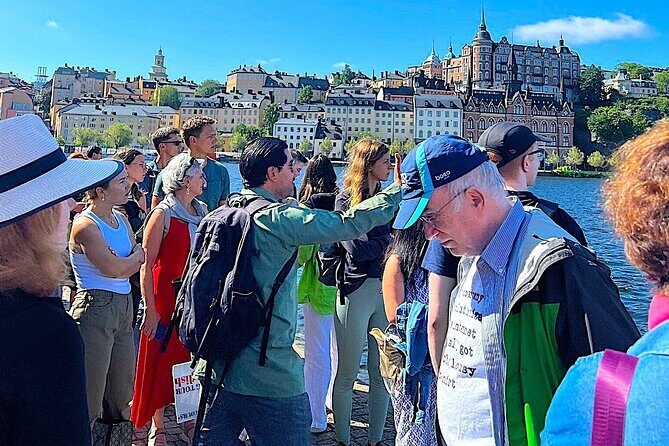
Gamla Stan rewards slow walking. This Old Town route stitches together myth, medieval churches, and big civic monuments in just about two hours, with an English-speaking guide steering you from spot to spot. I especially love the way the tour turns landmarks like the tiny Järnpojke statue into stories you’ll actually remember, and the fact that so many stops are free to see, so your money goes to the walking and the guide—not extra tickets.
One thing to keep in mind: it’s mostly outdoors and on old cobblestones, with limited places to pause, so plan for a bit of steady walking and uneven ground.
In This Review
- Key highlights at a glance
- Gamla Stan on foot: why this route starts with the right kind of wonder
- Price and pacing: $13.30 for a 2-hour Old Town orientation that won’t break your day
- Stop-by-stop in Gamla Stan: what each place is actually for
- Järnpojken: Stockholm’s tiny “Iron Boy” and the luck you can touch
- Riddarholm Church: where Swedish monarchy meets medieval stone
- Prästgatan: the narrow cobblestone street you can feel in your legs
- Mynttorget: a historic square close to the Royal Palace
- Tyska Brunnen (Germany’s Well): a 17th-century detail with big meaning
- St. Gertrud’s Church: a 1300s anchor in the middle of it all
- Marten Trotzigs grand: walking through Europe’s narrowest alley
- Nobel Museum stop and Stortorget: Sweden’s global ideas meet the medieval square
- St. Nicholas Cathedral (Storkyrkan): Stockholm’s oldest church stop
- Royal Palace finish: over 600 rooms and an easy next step
- Finska Kyrkan (Finnish Church): why the Old Town isn’t frozen in one language
- Guides make the difference: what you’ll likely get from Nordic Freedom Tours
- What to wear and watch for: cobblestones, wind, and limited chances to sit
- Is this a good fit for you?
- Should you book this Gamla Stan Old Town walking tour?
- FAQ
- How long is the Walking Tour of Stockholm’s Old Town (Gamla Stan)?
- What is the price per person?
- Where is the tour starting point?
- Where does the tour end?
- What language is the tour offered in?
- How large is the group?
- Do I get a mobile ticket?
- Is tip included in the price?
- Does the tour require good weather?
- Can I cancel for a full refund?
Key highlights at a glance
- Järnpojke the Iron Boy: a small bronze statue people rub for good luck
- Riddarholm Church and Storkyrkan: major Swedish churches with medieval roots
- Marten Trotzigs grand: Europe’s narrowest alley at about 90 cm
- Tyska Brunnen + St. Gertrud’s Church: a 17th-century well and a 1300s church stop
- Nobel Museum and Stortorget: connect the Old Town to Alfred Nobel’s legacy
- Ends near the Royal Palace: easy to keep exploring right after the tour
Gamla Stan on foot: why this route starts with the right kind of wonder
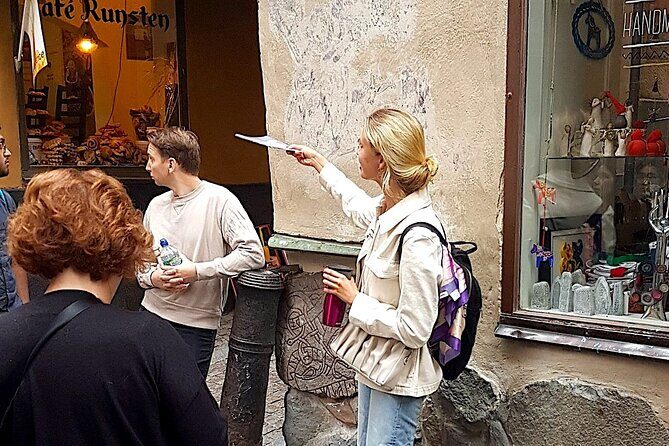
If you want to understand Stockholm fast, you need streets that were built for walking—then explained by someone who can point out what changed and what stayed. This tour is built for that. You move through Gamla Stan with short stops that keep your attention from wandering, even when the buildings start to look similar.
I also like that it doesn’t just dump a list of sights. You get small, memorable moments: the superstition around the Järnpojke statue, the physical oddity of Marten Trotzigs grand, and the “wait, that’s here too?” feeling when you hit squares and churches you didn’t know to look for.
You can also read our reviews of more walking tours in Stockholm

Price and pacing: $13.30 for a 2-hour Old Town orientation that won’t break your day
At $13.30 per person for roughly 2 hours, this is the kind of tour that makes sense early in your trip. It’s not pricey, and it’s short enough that you still have time to wander on your own the same day.
A few practical details matter here:
- The tour is offered in English and uses a mobile ticket, so you’re not hunting for printouts.
- Group size tops out at 25 travelers, and the guide is set up for your group (not just a huge lecture with no interaction).
- It’s a true walking tour, with many stops timed around 10–15 minutes, so the pace stays energetic without feeling rushed.
And yes, a tip isn’t included. If you appreciate a guide who keeps the group together and answers questions, tipping is the normal courtesy.
Stop-by-stop in Gamla Stan: what each place is actually for
Järnpojken: Stockholm’s tiny “Iron Boy” and the luck you can touch
Your walk begins at Mälartorget 4, and very quickly you reach Järnpojken, the tiny bronze figure nicknamed the Boy Looking at the Moon. It’s known as the smallest public statue in Stockholm, and people famously rub the head for good luck.
This stop is more than a photo moment. It’s a perfect opener because it teaches you how Gamla Stan works: small details, centuries-old traditions, and humor tucked into stone and metal. It also helps you get in the right frame of mind—less sightseeing, more story.
Riddarholm Church: where Swedish monarchy meets medieval stone
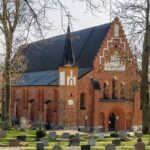
Next comes Riddarholm Church, on Riddarholmen Island near the Royal Palace area. This is a historic burial church with medieval architecture and a direct connection to Swedish monarchs.
I love that this stop grounds the tour in something structural. It reminds you that this district wasn’t just a pretty backdrop; it has been tied to power, mourning, and ceremony for a long time. If you like churches for their architecture, you’ll get plenty to notice without needing a long museum-style visit.




Prästgatan: the narrow cobblestone street you can feel in your legs
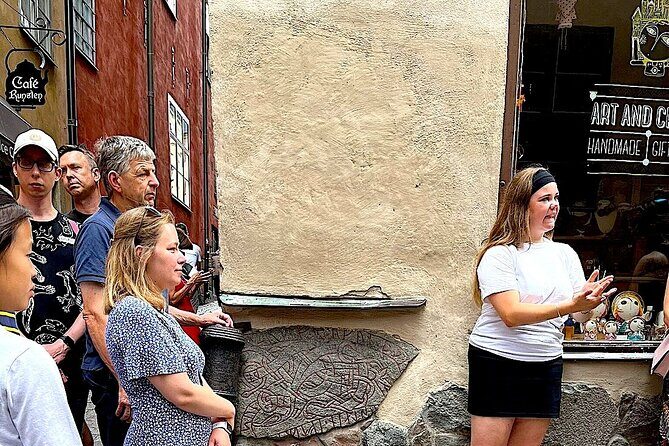
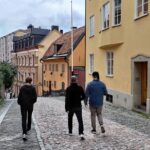
Then you move into Prästgatan, a charming narrow cobblestone street lined with colorful, older buildings and small shops and cafés. It’s the kind of street where you slow down without trying.
Prästgatan works well in the itinerary because it’s a breather. After the heavier stone-and-church stops, you get a sensory reset: the tight street shape, the sightlines, and that “how do people live in a place this old?” feeling.
Mynttorget: a historic square close to the Royal Palace
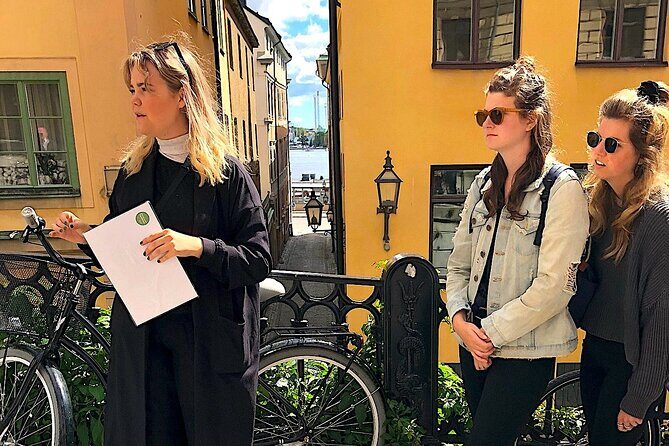
Mynttorget is one of those squares that helps you orient. It’s close to the Royal Palace and gives you a sense of how public life played out here—people passing through, gathering, and looking toward the seat of government.
This stop is also useful if you’re trying to plan the rest of your day. Once you’ve walked out to a square like this, it’s easier to navigate later without feeling lost in the maze.
Tyska Brunnen (Germany’s Well): a 17th-century detail with big meaning
At Tyska Brunnen, you’ll find a historic well in the Old Town. It dates to the 17th century and marks a significant architectural and cultural landmark inside Gamla Stan’s medieval core.
Wells can sound like a random stop until a guide explains why they mattered—public water sources, community landmarks, and the way everyday infrastructure becomes part of the city’s identity. Even without extra museum time, you get a “city life” perspective here.
St. Gertrud’s Church: a 1300s anchor in the middle of it all
St. Gertrud’s Church (S:t Gertrud) has origins dating back to the 1300s. This medieval church is in the heart of Gamla Stan and has carried Swedish cultural significance through centuries.
This is one of those stops where you get to “zoom out.” After alleyways and streets, you’re back in a place that’s meant to last. If you enjoy Gothic and medieval-era architecture, you’ll have plenty to look at while still staying within the short stop window.
Marten Trotzigs grand: walking through Europe’s narrowest alley
Next is Marten Trotzigs grand, famous as Europe’s narrowest alleyway, at about 90 cm wide. Dating back to the Middle Ages, it’s so narrow you can’t help but experience it physically.
A guide will usually give you context, but the real point is the simple one: it’s a fun reminder that “old city” doesn’t mean generic. Gamla Stan has physical quirks you can’t fully understand from a map, and this alley is the shortcut.
Nobel Museum stop and Stortorget: Sweden’s global ideas meet the medieval square
The tour then includes a stop at the Nobel Museum in Old Town. The museum showcases the Nobel Prize, its laureates, and their achievements. It opened in 2001 and sits in a building dating back to the 18th century.
This is a smart pivot within the itinerary. Gamla Stan is often treated like a time capsule, but Nobel brings the story forward into modern influence—innovation and ideas that traveled far beyond Sweden. If you like seeing how a city’s past connects to its present, this is a good moment to get that mental link.
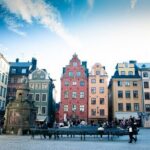
A little later you reach Stortorget, a historic square dating back to the 13th century with colorful buildings and a notable tie to the Nobel Museum area.
St. Nicholas Cathedral (Storkyrkan): Stockholm’s oldest church stop
St. Nicholas Cathedral, also called Storkyrkan, is listed as the oldest church in Stockholm’s Old Town. It was originally built in the 13th century and served as Stockholm’s main place of worship. You’ll also see a blend of Gothic and Baroque styles.
This stop is valuable because it connects the tour’s themes. You’ve seen civic space (squares), everyday infrastructure (the well), and street-level life (Prästgatan). Now you get a religious monument that shows how many layers Stockholm kept adding over time.
Royal Palace finish: over 600 rooms and an easy next step
The tour concludes near the Royal Palace (Kungliga slottet). The palace is the official residence of the Swedish monarch and is a grand Baroque structure with over 600 rooms. The idea is that you finish close enough that you can keep exploring on your own right away, including nearby museums.
This ending makes sense for first-timers. You’re not ending in the middle of nowhere—you’re ending in a focal point. Even if you don’t go inside, just standing near it helps you understand why the Old Town grew the way it did.
Finska Kyrkan (Finnish Church): why the Old Town isn’t frozen in one language
One more stop rounds out the story with the Finnish Church (Finska Kyrkan). This church was constructed in 1725 and serves the Finnish-speaking community, with Baroque architecture.
This matters because it shifts the vibe from “Old Town as only medieval” to “Old Town as a living place.” Gamla Stan can look like a stage set, but cultural communities kept arriving and building meaning over time.
Guides make the difference: what you’ll likely get from Nordic Freedom Tours
This is where the tour earns its high marks. Guides like Ben (noted for clear British English and a good ability to keep everyone engaged), Märta (often praised for energy and humor), and Helena (praised for humor and warmth) are the type of people who can turn facts into something you can repeat later.
A few things I’d plan around based on what consistently shows up in the guide style:
- They keep the group together without turning it into a sprint.
- They’re open to questions along the way.
- They often include practical suggestions for what to do after the walk (good if you’re starting your trip).
What to wear and watch for: cobblestones, wind, and limited chances to sit
This is a walking tour, so dress like you’re walking a lot, not like you’re strolling. Wear comfortable shoes and layers, because even during mild days, the Old Town can feel cooler near the water.
From the guidance you’ll likely receive on-site, these are the common practical issues to think about:
- Cobblestones can be rough on knees and ankles.
- There are relatively few places to sit while you move between stops.
- It can be windy, especially beside the water.
- In winter, bringing hand warmers can make the walk much more comfortable.
If you have mobility limits, it’s still doable for many people, but you’ll want to pace yourself and let the guide know early that you may need a slower rhythm.
Is this a good fit for you?
You’ll likely like this tour if you:
- Want a short orientation so you can explore the rest of Stockholm with less guesswork
- Like stories that connect streets, churches, and squares into one flow
- Appreciate humor and question-friendly guiding (and not just recited dates)
- Prefer walking to bus rides for getting your bearings
You might skip it (or choose a different style) if you:
- Need frequent seating breaks
- Strongly dislike cobblestones
- Expect a lot of indoor time, since most of the route is outdoors
Should you book this Gamla Stan Old Town walking tour?
I think it’s a smart buy for most first-timers. The value is strong: a guided, English-language walk for 2 hours, ending near a major landmark, with many stops marked as free-entry and a guide who can make the details feel human.
If your goal is to leave Stockholm’s Old Town with actual understanding—not just photos—this tour helps you get there. Book it early in your trip so you can use the directions, food ideas, and follow-up site suggestions while everything is still fresh in your head.
FAQ
How long is the Walking Tour of Stockholm’s Old Town (Gamla Stan)?
The tour lasts about 2 hours.
What is the price per person?
It costs $13.30 per person.
Where is the tour starting point?
You meet at Mälartorget 4, 111 27 Stockholm, Sweden.
Where does the tour end?
The tour typically concludes near the Royal Palace (Kungliga slottet), 107 70 Stockholm, Sweden.
What language is the tour offered in?
The tour is offered in English.
How large is the group?
The tour has a maximum of 25 travelers.
Do I get a mobile ticket?
Yes, the tour uses a mobile ticket.
Is tip included in the price?
No, tip is not included.
Does the tour require good weather?
Yes. The experience requires good weather. If it’s canceled due to poor weather, you’ll be offered a different date or a full refund.
Can I cancel for a full refund?
Yes. You can cancel up to 24 hours in advance for a full refund.