REVIEW · UPPSALA
Guided tour 90min at Old Uppsala mounds and old Uppsala church
Book on Viator →Operated by Sweden History Tours · Bookable on Viator
Old Uppsala feels like time travel with dirt under its nails. This 90-minute guided walk pairs Vendel-and-Viking era storytelling with an up-close mounds-and-church route that helps you connect the excavations to the people who lived here.
Two things I really like: you get a guide who explains what archaeologists found and why it matters, and you’re not stuck staring at a single plaque—you actually walk the ground where Gamla Uppsala kungshögar shaped the landscape. One possible drawback: if Gamla Uppsala church is closed, your experience shifts, because part of the visit depends on what you can see inside.
In This Review
- Key highlights to look for
- Old Uppsala After the Sunset: What You’re Really Paying For
- Gamla Uppsala Mounds Walk: From Burial Power to Everyday Structure
- The Timing and Routes: 90 Minutes That Actually Add Up
- Gamla Uppsala Church: What You’ll See When It’s Open
- The Big Themes Your Guide Brings Together
- Price and Logistics: Is $106.73 a Fair Deal?
- When This Tour Clicks Best (and When It Doesn’t)
- How to Get the Most Out of It
- Should You Book This Tour?
- FAQ
- Where does the Old Uppsala mounds and church tour start?
- How long is the guided tour?
- What sites are included?
- What time does the tour run?
- Is the church visit guaranteed?
- Is there walking involved?
- How big are the groups?
- Do I get tickets on my phone?
- Are service animals allowed?
- Can I get a full refund if I cancel?
- What’s the minimum number of travelers required for the tour to run?
Key highlights to look for
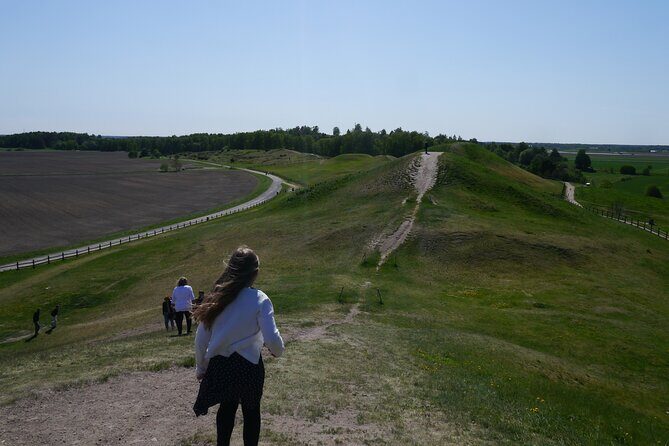
- Gamla Uppsala kungshögar: walk near some of Sweden’s most powerful burial mounds
- Vendel-Period focus: stories tied to the 500s and 800s, not generic Viking vibes
- Church visit when open: you may see medieval statues, 15th-century frescoes, and more
- Longhouse plateaus: learn where large halls once stood and what archaeologists linked them to
- A guide who ties finds to daily life: farms, functions, and how people likely lived
Old Uppsala After the Sunset: What You’re Really Paying For
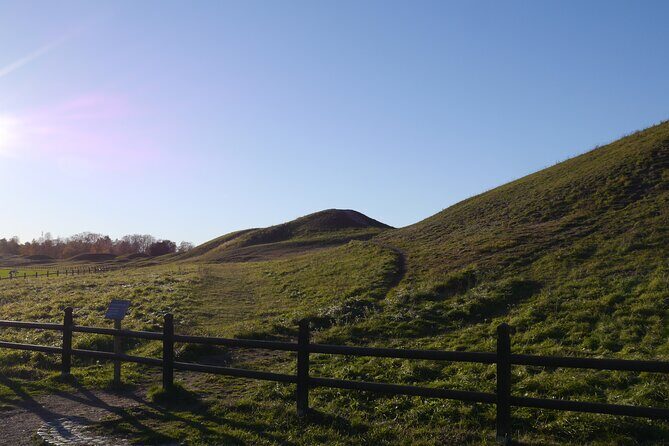
The tour runs in the early evening (start time 5:30 pm), which turns Old Uppsala into something a bit more dramatic. Late-day light can make the mounds look taller and the church silhouette more striking. And since this is only about 90 minutes, you’re not committing to a half-day. You’re getting a focused orientation that makes the site click fast.
The price—$106.73 per person—isn’t “cheap,” so you should ask yourself what you want out of your visit. If you just want photos, you can wander on your own. If you want the meaning behind the dirt (the excavations, the dates, the object stories, the way farms supported the elites buried nearby), then this guide-format tour is the better value.
This experience is also capped at 15 travelers, so it doesn’t feel like you’re being herded. The tour uses a mobile ticket, which is handy in Sweden where you’ll often tap your way through daily life without fuss.
You can also read our reviews of more tours and experiences in Uppsala.


Gamla Uppsala Mounds Walk: From Burial Power to Everyday Structure
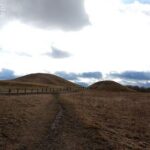
Stop one is the heart of the site: Gamla Uppsala and the walking portion around the mounds. You’ll spend about 50 minutes moving through the area while your guide connects a big theme—power, burial, and status—to what’s visible on the ground.
Here’s what makes this stop more than a scenic stroll. You’re not only hearing that these were elite burials. You’re also hearing how archaeologists interpret them. The site is tied to the Vendel and Viking times, and the guide’s job is to translate excavation results into something human: who had the influence, what their community looked like, and how the elite burial landscape related to everyday life.
You’ll also hear about Gamla Uppsala kungshögar, described as among the most powerful in the country. That kind of claim can feel abstract until someone grounds it in the evidence and explains the excavations and recent findings. The tour highlights that “much new” has emerged in recent years’ excavations, which matters because Old Uppsala is a site where interpretations can shift when new digs or analyses appear.
One of the most useful points is the connection to farms around the mounds—how that land may have functioned and what it likely provided. When a guide ties the burial landscape to the surrounding farms, the story stops being only about royalty and starts including the labor and organization that kept the place running.
Practical tip: wear shoes that handle uneven ground. The mounds are not a boardwalk. You’ll do real walking, and the tour listing asks for moderate physical fitness—not heavy hiking, but still, don’t plan on slippers and optimism.
The Timing and Routes: 90 Minutes That Actually Add Up
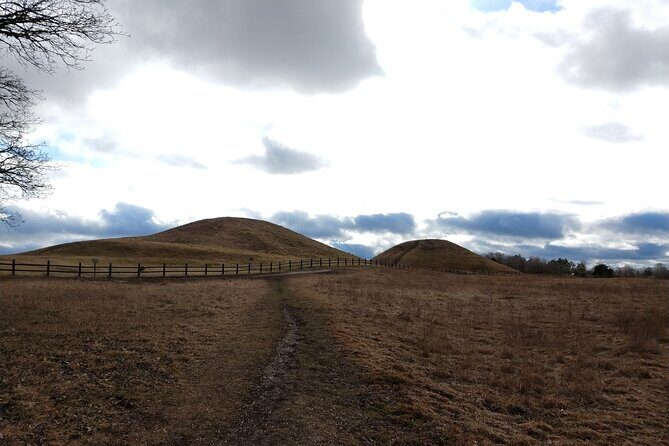
With a tour this short, timing is everything. You get two stops: about 50 minutes for the mound area, then about 40 minutes for Gamla Uppsala Kyrka (the church), for a total near 1 hour 30 minutes.
The day-and-evening structure is intentional. Starting with the mounds sets the context. Then the church visit (if it’s open) can feel like a time jump—how a Christian religious site sits near much older burial and power landscapes.
You’ll also finish back at the start point on Disavägen 13, 754 40 Uppsala, which makes it easy to connect to dinner plans without losing time. The tour is also described as near public transportation, so you’re not locked into a taxi schedule.
Group size matters too. With a maximum of 15 travelers, you should have room to ask quick questions. If you’re the type who likes to clarify dates or the meaning of a burial type, this size makes that easier.
Gamla Uppsala Church: What You’ll See When It’s Open
Stop two depends on whether the church is open. When it is, the visit is built around the early medieval story of the place—and the artwork and remnants you can still see.
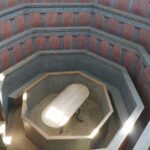
If the church is open, you’ll visit the one where the tour focuses on visible medieval features, including:
- medieval statues
- 15th-century frescoes
- a sacrificial log from the 12th century
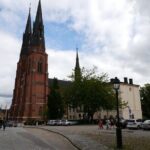
The guide also explains that this church is described as the earliest cathedral in Sweden excluding Danish Lund, and it was one of the earliest “beehive seats” in Sweden after Sigtuna, already in the 1130s. That kind of timeline framing helps you understand why this site stayed important as religious power shifted.
Then there’s the under-church layer. Near the visit, the guide tells the story of finds under the old cathedral and what those discoveries mean for the site’s broader history. That matters because Old Uppsala isn’t just an outdoor archaeology park. It’s also a place where earlier layers can be tied to later sacred spaces.
And the details about artifacts help too. Near the church, you’ll also hear about plateaus where Uppsala’s large long halls stood during the 500s and 800s. The tour notes that impressive “workhouses” were found there with gold, silver, and precious stones, including gems described as being in the form of grenades from Sri Lanka. Even if you don’t interpret the object shape on your own, the point is clear: this wasn’t a backwater. It was connected.
The Big Themes Your Guide Brings Together
A good guided tour does more than list what’s present. It builds a mental map. Here are the threads this tour emphasizes, and why they’re worth your time.
Vendel-Period society with real artifacts
The tour’s focus on the Vendel period and the Viking era means you get context for how people organized power and status. The mound landscape isn’t treated as random. It’s treated as a system: burial, prestige, and the wider environment that supported elites.
Excavations as a living story
Old sites can feel “finished,” like the story is already written. This tour frames excavations as ongoing work, with new results showing up in recent years. That keeps the experience from feeling like a museum lecture.
Long halls, not just tombs
The guide’s mention of longhouse plateaus from the 500s and 800s adds something visitors often miss. If you only picture warriors and graves, you miss the scale of domestic and production life. Long halls imply gathering, administration, and craft—big structures for big social needs.
Farms and function
Hearing about the farms around the mounds makes the site more believable. It turns “people came here” into “people lived here, worked here, and built power here.”
Exotic trade signals
The tour’s mention of precious stones described as coming from Sri Lanka pushes the idea of long-distance connections. It’s a reminder that elite goods could travel far, and that the people here likely had a network, not just local resources.



Price and Logistics: Is $106.73 a Fair Deal?
At $106.73 per person for a 1.5-hour tour, you’re paying for a guided explanation and a planned route through two linked spaces. That can be fair value if you fall into any of these categories:
- you like archaeology explanations, not just sightseeing
- you want someone to translate excavation results into plain language
- you appreciate a tight route that uses the evening light and timing
It might not be ideal if your style is mostly “walk around, read signs, take photos.” There’s no shame in that. You’d just be paying for interpretation you could do on your own.
Also consider the uncertainty factor. Since the church visit depends on whether the church is open, your experience could lean more outdoor-focused. If you’re the kind of traveler who needs interior stops, it’s worth checking the church hours on the day you go.
One more logistics note: the tour requires a minimum number of travelers—specifically, two people need to book for it to run. That can affect your scheduling, especially if you’re traveling solo or on an unusual date.
When This Tour Clicks Best (and When It Doesn’t)
This is a strong fit for:
- couples and history-minded visitors who want a short guided outing
- anyone doing a day trip from the Stockholm area who wants a different side of Sweden beyond the usual city sights
- visitors who like details—dates, finds, and the “why” behind the mounds and church
It may be less satisfying if you expect the guide to do a lot of walking only inside the church areas. The core moving portion is the mound stop, and the church portion depends on access and opening status.
A small caution from real-world experience is that tour quality can vary with the specific guide and with whether both elements (mounds walking and church access) are fully possible. The best way to protect yourself is simple: go in expecting the mounds to be the guaranteed anchor, then treat the church as a bonus when it’s open.
How to Get the Most Out of It
You’ll get better results if you show up prepared to listen.
- Arrive a few minutes early at Disavägen 13 so you can settle in before the walk starts.
- Bring weather-appropriate layers. It’s Sweden, and evenings can shift fast.
- Wear good walking shoes. The ground around mounds is not always flat.
- If the church is closed when you arrive, don’t let that sour the mood. Focus on the mound stop. You can still get the key themes, and your guide should be able to tie everything back to the bigger picture.
If you love a guide’s style, one name comes up in past feedback: Jonathan Olsson. When a guide has a knack for explaining Vendel and Viking periods with clarity, the site’s details can feel like they finally connect.
Should You Book This Tour?
Book it if you want a compact evening plan that connects Old Uppsala’s burial mounds to the church layer, with guidance focused on excavation finds, plateaus, farms, and the power story behind the landscape. The limited group size and the 90-minute focus make it a good choice when you have limited time in Uppsala.
Skip it or rethink if:
- you’re only interested in wandering casually with minimal interpretation
- you have a strong need for the church interior and can’t handle an “if it’s open” visit
- you’re traveling alone and your date might not meet the minimum booking requirement
FAQ
Where does the Old Uppsala mounds and church tour start?
It starts at Disavägen 13, 754 40 Uppsala, Sweden and ends back at the same meeting point.
How long is the guided tour?
The duration is about 1 hour 30 minutes (the itinerary lists roughly 50 minutes for the mounds and 40 minutes for the church, depending on access).
What sites are included?
You’ll visit Old Uppsala mounds (Gamla Uppsala) and Gamla Uppsala church (Gamla Uppsala Kyrka) if the church is open.
What time does the tour run?
The start time listed is 5:30 pm.
Is the church visit guaranteed?
No. The itinerary says you’ll visit the church if it is open, so your experience may be more outdoors focused depending on opening hours.
Is there walking involved?
Yes. The tour includes walking around the mounds, and it’s marked as requiring moderate physical fitness.
How big are the groups?
The tour has a maximum of 15 travelers.
Do I get tickets on my phone?
Yes. The tour uses a mobile ticket.
Are service animals allowed?
Yes. Service animals are allowed.
Can I get a full refund if I cancel?
There is free cancellation, and you can cancel up to 24 hours in advance for a full refund.
What’s the minimum number of travelers required for the tour to run?
The tour requires two people to book for it to run.