REVIEW · UPPSALA
Uppsala bloody history 1h- racial biology, 18th century plague, 19th century prostitution etc.
Book on Viator →Operated by Sweden History Tours · Bookable on Viator
Uppsala has a way of looking polite. Then this walk shows you the darker chapters—plague years, exploitation, and the pseudo-science that treated people like specimens—set right on familiar streets around Uppsala’s university core. I love how the tour makes big, heavy topics feel grounded in real locations, not just dates. I also like the way it balances grisly subjects with the plain human impact—how choices and institutions shaped everyday life.
My favorite part is the stop at Gustavianum, where the story connects anatomy, punishment, and the Swedish Institute of Racial Biology (1920–1958) to the later forced sterilizations of the 1940s. It’s not presented as abstract history. It’s explained as rules, systems, and consequences.
One drawback to consider: this is a topic-heavy tour about slavery, persecution, prostitution, and forced sterilization. If you prefer light sightseeing only, this one will feel intense fast.
In This Review
- Key highlights you’ll care about
- Price and time: what $36.58 buys you in real life
- From Riddartorget to the dark streets: the walk’s pacing and atmosphere
- Svartbäcksgatan and the 19th-century red-light district you see in daylight
- Svartbäcken: the poor streets and Uppsala’s plague years (1709–1712)
- Gustavianum: anatomy, phrenologists, slave trade, and the Swedish Institute of Racial Biology
- Uppsala Domkyrka and persecution: dissent and atheists in the 19th century
- Why the guide makes this tour matter (and not just shock you)
- Small logistics that help you enjoy the hour
- Who should book this tour?
- Should you book Uppsala’s Bloody History?
- FAQ
- Where does the tour start?
- What time does the tour start?
- Where does the tour end?
- How long is the tour?
- How much is the tour?
- Is Gustavianum admission included?
- What kind of walking is involved?
- How big are the groups?
- Are service animals allowed?
Key highlights you’ll care about
- A tight 1-hour route that hits major sites tied to plague years and modern-looking university buildings
- Svartbäcksgatan’s 19th-century red-light story, plus the poorer streets around it
- Gustavianum’s role in anatomy and pseudo-science, including phrenologists and the Swedish Institute of Racial Biology (1920–1958)
- Forced sterilizations in the 1940s, explained in the context of institutional power
- Uppsala Domkyrka and persecution themes, including dissenters and atheists during the 19th century
Price and time: what $36.58 buys you in real life
At $36.58 per person for about 1 hour, you’re paying for a guided walk that strings together several locations you could otherwise miss or never connect. This is not a slow museum day. It’s more like a concentrated street-lesson, with short stops and a clear narrative thread.
All fees and taxes are included in the tour price. The one cost you should expect is Gustavianum admission, which is not included, so you may need to budget a separate ticket there. That matters because the Gustavianum stop is where the story gets especially specific—think anatomy rules, racial biology, and the forced sterilization era.
Group size stays small, with a maximum of 20 people. That’s a nice sweet spot for asking questions, especially when the subject matter makes it easy to wonder how certain policies worked and why they were accepted.
You can also read our reviews of more historical tours in Uppsala
From Riddartorget to the dark streets: the walk’s pacing and atmosphere
The tour starts at Riddartorget (Knights’ Square), Biskopsgatan 753 10, Uppsala, with a start time of 3:00 pm. You end at the City Library in Uppsala, on Svartbäcksgatan 17, in the same general university-and-old-town area.
Because it’s a mobile ticket tour, you won’t be juggling paper vouchers. And since the route is designed around city streets and short stops, it’s best suited if you’re comfortable with moderate walking. The operator notes a moderate physical fitness level, which matches what this kind of “story walk” needs: you’ll be moving more than standing in one place.
The mood is not scary-for-fun. It’s heavier than that. Expect a calm, factual tone, but with emotionally serious material. One of the strongest signals from past visitors is that the guide style is direct and practical—people mention the explanations are detailed and Q&A happens naturally. You’ll leave with a sense of how all these themes connect across centuries, not just a list of stops.
Svartbäcksgatan and the 19th-century red-light district you see in daylight
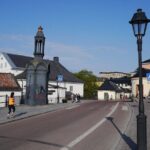
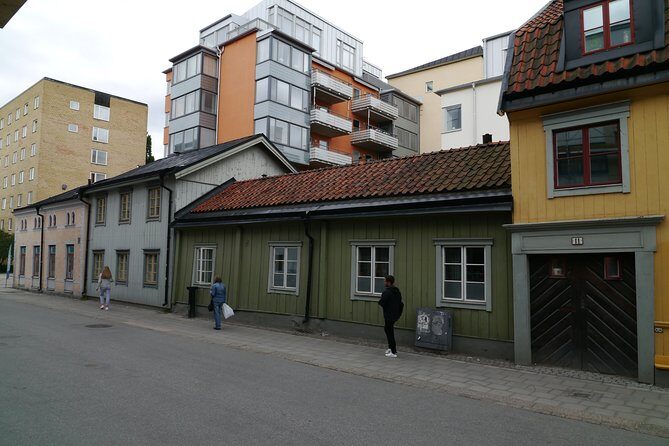
One of the most memorable parts of this tour is walking the streets associated with Uppsala’s red light district in the 19th century, including the area around Linnéträdgården. It’s easy to walk past a street corner and assume it has always been what it is today. Here, the guide frames those same blocks as places shaped by brothels and alcohol problems, and by a city’s economic pressure.
This isn’t just moralizing. The tour ties sex work and exploitation to the broader reality of who had power and who did not. You also get the link to poor neighborhoods in the surrounding area—so the story isn’t isolated to a single trade. It’s part of a social system.
A key practical point: because the tour covers real urban streets, you’ll be doing most of this “reading” with your eyes—street width, building shapes, and how far things are from one another. The guide helps you map the past onto what’s still physically there. That kind of on-foot context is what makes it more than a history lecture.
Like what you’ll like: the tour keeps turning the page: red-light districts connect to institutions, punishment, medicine, and public authority later on. That connective tissue is the point.
Svartbäcken: the poor streets and Uppsala’s plague years (1709–1712)
At Svartbäcken / Svartbäcksgatan, you get a short, focused window into the 18th-century plague era. The route specifically highlights the plague in Uppsala from 1709 to 1712, and it ties that suffering to the conditions in poorer parts of town.
This stop is around 20 minutes, and admission there is free. The value is in how the guide helps you understand why disease hit hardest where people were already vulnerable. Even when the tour is talking about illness, it keeps the focus on human structure: housing, poverty, and the way cities function under strain.
If you’re the type who likes historical context without getting lost in medical terminology, you’ll probably enjoy this part. It’s not a textbook. It’s a place-based story. You stand where people once lived with limited protection, then you watch how those pressures shaped later decisions and social attitudes.
Consideration: if you’re sensitive to grim themes, the plague material can hit emotionally. It’s still presented as history, but it doesn’t try to soften the reality.
Gustavianum: anatomy, phrenologists, slave trade, and the Swedish Institute of Racial Biology
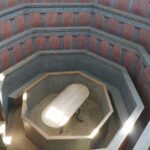
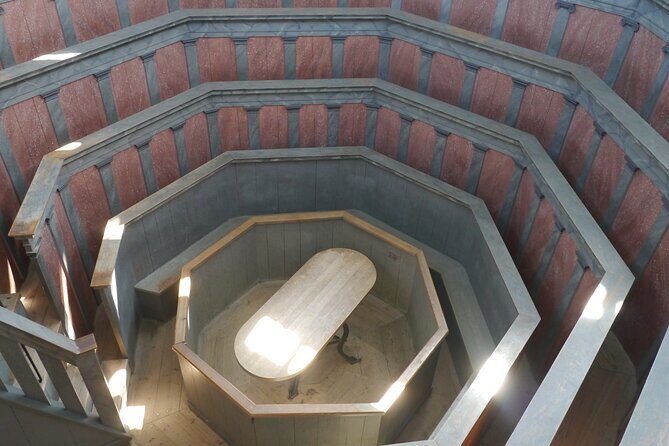
The Gustavianum stop is short—about 10 minutes—but it’s packed with the tour’s most controversial material. Admission is not included, so plan for an extra ticket cost there.
This is where the story broadens from streets into institutions. You hear about the 17th-century slave trade, connected through the university’s historical roles and the way knowledge was organized and justified. You also hear about an anatomical institution and phrenologists—a reminder that some of what was once sold as science was built on flawed assumptions and strong social bias.
Then comes the centerpiece: the Swedish Institute of Racial Biology (1920–1958) and what the institute represented in practice. The tour describes what was happening inside, plus the anatomical department’s rules for which crimes could end up under the knife.
That detail matters because it shows how “science” and “punishment” can share the same backbone. It’s not just creepy curiosity. It’s an institutional pipeline: law and social categories shaping who became subject matter.
You’ll also learn about the forced sterilizations of the 1940s, explained as part of the same historical system of power and categorizing people. The forced sterilizations are presented not as a footnote but as an outcome of policies that grew out of earlier thinking and authority structures.
What I like about this stop: it turns abstract evil into mechanism. You can walk away understanding how rules, research culture, and the public acceptance of certain ideas can create real harm.
If you’re asking yourself whether this is “too dark for a city tour,” that question is exactly why the stop is valuable. It forces you to see how ideas live inside buildings and procedures, not just in speeches.
A few more Uppsala tours and experiences worth a look
Uppsala Domkyrka and persecution: dissent and atheists in the 19th century
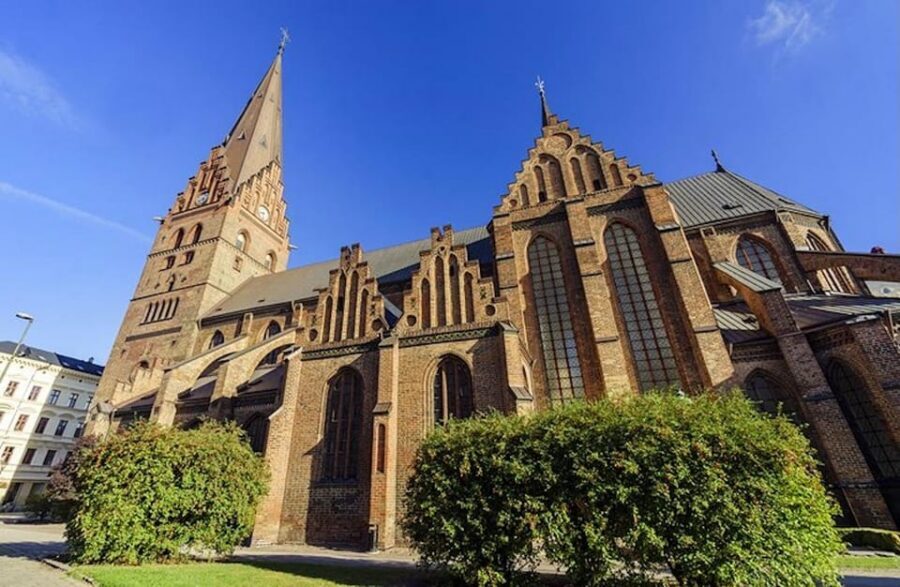
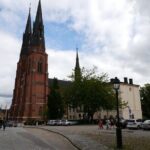
The tour includes a stop at Uppsala Domkyrka (Uppsala Cathedral). It’s listed as a short stop of around 10 minutes, and admission there is free.
This part shifts the theme toward religious authority and what it did to people who didn’t fit. You hear about persecutions against dissenting Christians and atheists during the 19th century. Even though the cathedral setting can feel timeless and serene, the tour makes the point that those sacred walls sat inside a society with strict boundaries.
For a practical travel mindset, this is a good lesson in how to “read” iconic buildings. In many places, the cathedral becomes an art stop first and a power symbol second. Here, you get both. The beauty doesn’t get erased, but it’s put back into the social reality of the era.
If you want something to balance the heavier content, the cathedral stop does that—partly because it shows continuity and partly because it reminds you that history’s conflict often happened alongside everyday life, not in an isolated dark corner.
Why the guide makes this tour matter (and not just shock you)
A theme in the feedback is that the guide answers questions and stays engaged, with a mix of seriousness and fun facts—the kind of facts that help you remember details without turning the subject into a spectacle. Another strong point is that the tour isn’t only doom. It includes a mix of dark and lighter parts of Uppsala’s long story, which helps you process what you learn instead of leaving with only heaviness.
If you’re trying to understand why this tour is offered at all, here’s what I think matters: it shows how a society’s self-image can clash with its actions. Uppsala is a student city and a university city. It’s easy to picture education as purely progressive. This tour complicates that picture by showing how research and institutions have been used for harm too.
That’s also why it’s useful for today. The tour frames these past struggles as part of wider societal tensions—how communities decide who is acceptable, who is dangerous, and who gets treated like a problem to remove.
And yes, it’s a bit spooky in the way history can be: not supernatural spooky. Human-driven, rule-based, and very real.
Small logistics that help you enjoy the hour
Because the tour runs about 1 hour, you’ll want to treat it like a focused walk, not a slow wander. It’s timed so you’re moving between stops—street to museum to cathedral—without lingering too long in any one spot.
With a max of 20 people, you’re likely to feel seen rather than blended into a crowd. That matters when the guide is covering sensitive topics. You can ask practical questions without having to shout over a large group.
Bring your curiosity, but also your judgment. This tour includes slavery-related history, sexual exploitation themes, and forced sterilization. If those topics are hard for you, consider whether you want that emotional load during a vacation day.
Who should book this tour?
Book this if you:
- want to see Uppsala beyond postcard history and into the real functioning of society over time
- like tours that explain mechanisms—rules, institutions, and consequences—not just dates
- are comfortable with serious topics presented in a factual, guided way
- enjoy a guide-led pace and short, meaningful stops
Skip it if you:
- want a relaxing, purely scenic city stroll
- prefer history that avoids difficult subjects entirely
- are easily unsettled by stories about persecution and forced medical policies
Should you book Uppsala’s Bloody History?
I’d say yes, if you want your Uppsala to feel honest. This is a compact tour that uses the city’s actual locations—the streets around Svartbäcksgatan, the university-linked sites like Gustavianum, and the cathedral setting—to connect plague-era vulnerability, red-light exploitation, persecution, and institutionalized pseudo-science into one coherent map.
It’s worth the time because it doesn’t just tell you what happened. It shows how authority and ideas shaped what people were allowed to do to each other. And with the guide’s style—clear explanations and room for questions—you’ll likely come away with details that stick.
If you’re on the fence, do this simple check: Are you the kind of traveler who likes to understand a place’s contradictions? If yes, this hour will feel like a smart, unforgettable use of your afternoon.
FAQ
Where does the tour start?
It starts at Riddartorget (Knights’ Square), Biskopsgatan, 753 10 Uppsala, Sweden.
What time does the tour start?
The tour start time is 3:00 pm.
Where does the tour end?
It ends at the City Library in Uppsala, at Svartbäcksgatan 17, 753 75 Uppsala, Sweden.
How long is the tour?
The tour lasts about 1 hour.
How much is the tour?
The price is $36.58 per person.
Is Gustavianum admission included?
Gustavianum admission is not included. The tour notes that Uppsala Domkyrka and Svartbäcken stops are free.
What kind of walking is involved?
The tour includes walking through city streets, and it’s listed for people with a moderate physical fitness level.
How big are the groups?
The tour has a maximum of 20 travelers.
Are service animals allowed?
Yes, service animals are allowed.