REVIEW · STOCKHOLM
Stockholm: Nobel Prize Museum and Exhibition Entry Ticket
Book on GetYourGuide →Operated by Nobel Prize Museum · Bookable on GetYourGuide
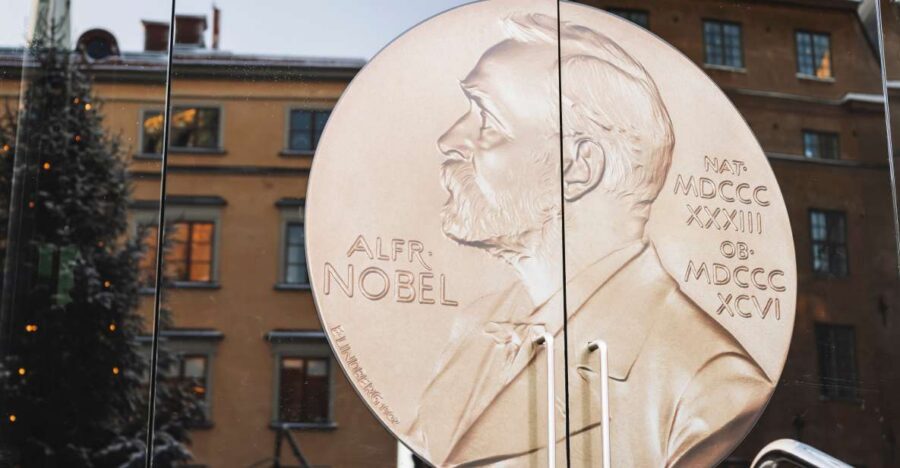
Nobel peace has a museum home. The Nobel Prize Museum in Stockholm’s Old Town (Gamla Stan) uses videos, audio, and real Nobel-linked artifacts to explain how laureates pushed the world toward peace, science, and human rights.
Two things I really like: the multimedia audio and video that turn dry facts into stories you can follow, and the fact that guided tours are included so you don’t feel like you’re wandering alone with a map and questions.
My one caution: the museum is fairly compact, so crowds and limited space can make it feel a bit tight if you go at peak times or rush the displays.
In This Review
- Key things to know before you go
- Nobel Prize Museum in Gamla Stan: what this ticket really covers
- The permanent exhibition, These things changed the world (and why it matters)
- Multimedia exhibits: audio stories and videos that keep you oriented
- Guided tours in English and Swedish: how to get more from a small museum
- The Nobel shop and the chocolate medal: a souvenir with a storyline
- Food reality: Bistro Nobel is closed during spring restoration
- How long to plan in Stockholm: quick stop or full attention
- Price and value: is an $18 ticket worth it?
- Who should book this Nobel Prize Museum ticket?
- Practical tips that make your visit smoother
- Should you book the Nobel Prize Museum ticket?
- FAQ
- Where is the Nobel Prize Museum, and what’s the meeting point?
- What’s included in the ticket price?
- Are guided tours included, and in which languages?
- Is food and drinks included with the museum ticket?
- How long can I use the ticket?
- What languages are available for the host or greeter?
- Is the museum wheelchair accessible?
Key things to know before you go
- Stortorget location in Gamla Stan keeps your visit easy to fit into a day of Old Town walking
- Daily guided tours in English and Swedish are included with your ticket
- Permanent exhibition with 200+ artifacts helps you see the Nobel story through objects, not just text
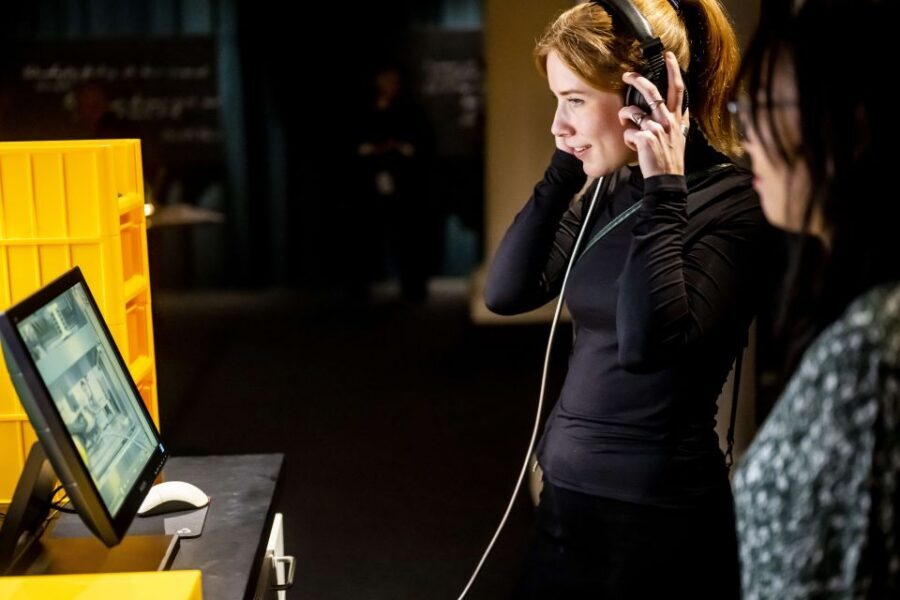
- Audio and video storytelling makes the laureates’ work feel personal and clearer
- Nobel chocolate medal in the shop is a fun, on-theme souvenir
- Bistro Nobel closed for restoration in spring means plan around not having an on-site meal
Nobel Prize Museum in Gamla Stan: what this ticket really covers
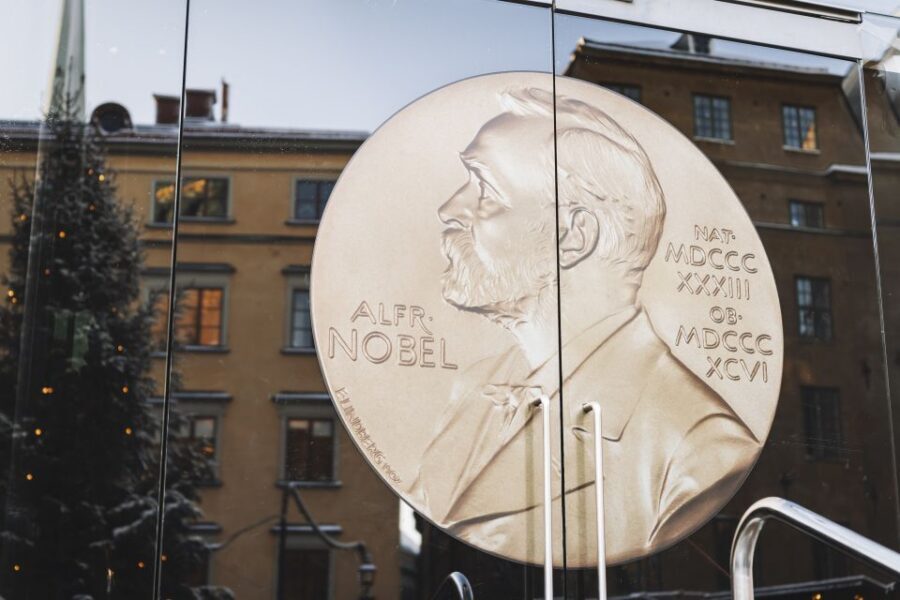
This is a straightforward, high-signal museum visit. Your ticket gets you entry, access to a special exhibition, and a museum tour, which is the key value here.
The meeting point is right in the Old Town at Stortorget, so you’re not dealing with weird transit puzzles. If you like museums that you can wedge into a day of walking and coffee breaks, this fits that style well.
At its best, the museum helps you connect Nobel prizes to real people and real choices. Instead of treating the Nobel Prize like a distant trophy, the displays explain how laureates’ work (scientific, literary, humanitarian, and peace-related) changed outcomes for others.
A few more Stockholm tours and experiences worth a look



The permanent exhibition, These things changed the world (and why it matters)
The permanent exhibition is called These things changed the world, and it’s built around more than 200 artifacts from Nobel Prize laureates. That word artifacts matters. You’re not just reading names; you’re looking at objects that carry context—what was studied, what was donated, what was created, and what those moments meant.
The museum also frames the Nobel story around several big categories, including revolutionary inventions, peace efforts, groundbreaking ideas, and innovative literature. That mix is useful because it stops the Nobel Prize from becoming one-note. Even if you only care about Nobel Peace Prize winners, the surrounding categories help you see how the Nobel system connects to other forms of progress.
One practical tip: don’t try to sprint through everything. The exhibition is information-dense, and the objects are the point. If you move too fast, you’ll miss the small links that make the stories click.
Multimedia exhibits: audio stories and videos that keep you oriented

A lot of people love this museum because it uses audio and video to guide you. The effect is simple: your attention stays on the story, not on translating a wall of text.
You can expect multimedia that accompanies exhibits, including audio storytelling and video content that explains laureates and the Nobel process in a more human way. Reviews also flag that the documentaries and media are a big part of the experience, so if you prefer learning with visuals, you’re in the right place.
Here’s the smartest way to use it: when you spot a video or audio station, don’t treat it like a “later” task. Watch or listen when you’re standing near the related artifacts. That timing makes the information stick because the object is right there.
Guided tours in English and Swedish: how to get more from a small museum
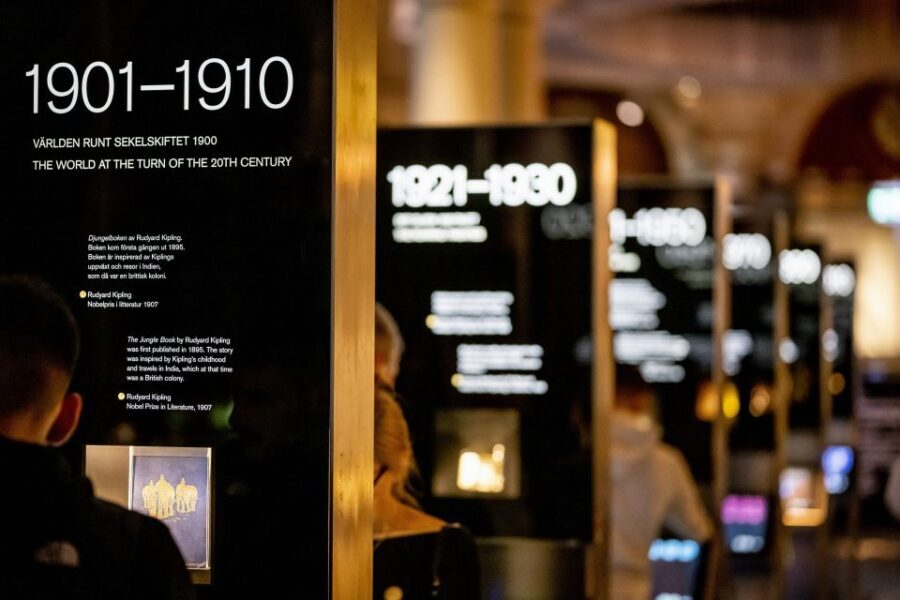
Your ticket includes a museum tour, and the museum runs daily guided tours in both English and Swedish. That matters because Nobel stories are packed with names, dates, and context—and a guide helps you connect the dots quickly.
One reviewer specifically praised a guide named Ella, noting her clear explanation and enthusiasm when talking about the setting and how it ties into Nobel events at Stockholm City Hall, including the Golden Hall. Even if you don’t get that exact guide, the point holds: a guided approach can make the Nobel world feel less like trivia and more like a story you can follow.
Timing tip: if you arrive and the museum is running tours, consider joining the next one rather than saving it for later. In a compact museum, you want the guide’s structure early, so your self-paced time feels guided instead of random.
The Nobel shop and the chocolate medal: a souvenir with a storyline
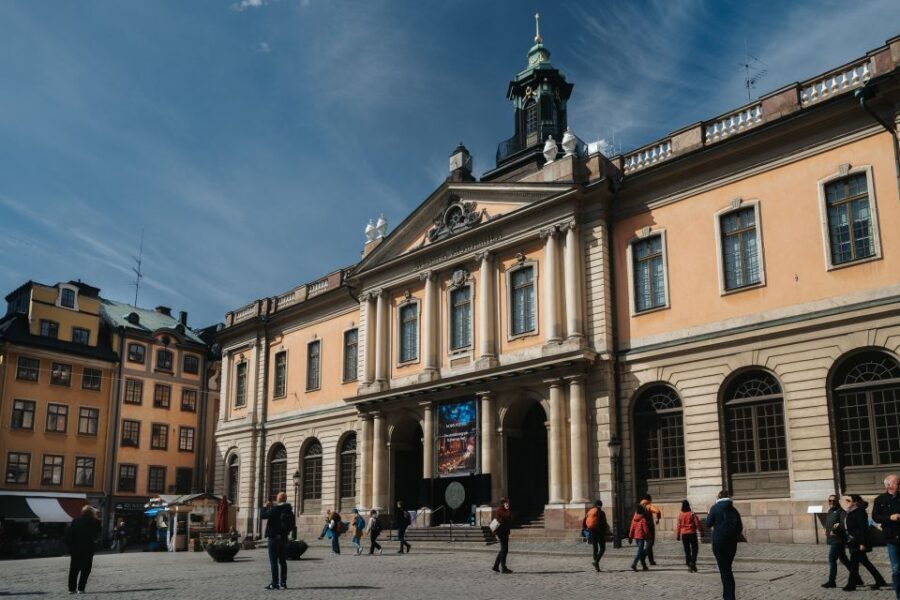
You’ll find a museum shop with literature, gifts, and souvenirs, and yes—there’s the famous Nobel chocolate medal. It’s the kind of purchase that feels fun rather than obligatory, especially if you want a small token that matches the theme.
I like using the shop as a “wrap-up moment.” After you’ve spent time with the artifacts and media, buying a Nobel-themed item feels earned. It also gives you a chance to slow down at the end and decide what actually fits your trip style—book, keepsake, or snack-sized history.
If you’re traveling with kids or teens, the shop can be a practical anchor: it gives them something to look forward to that doesn’t require more walking or a whole new attraction.
You can also read our reviews of more museum experiences in Stockholm





Food reality: Bistro Nobel is closed during spring restoration
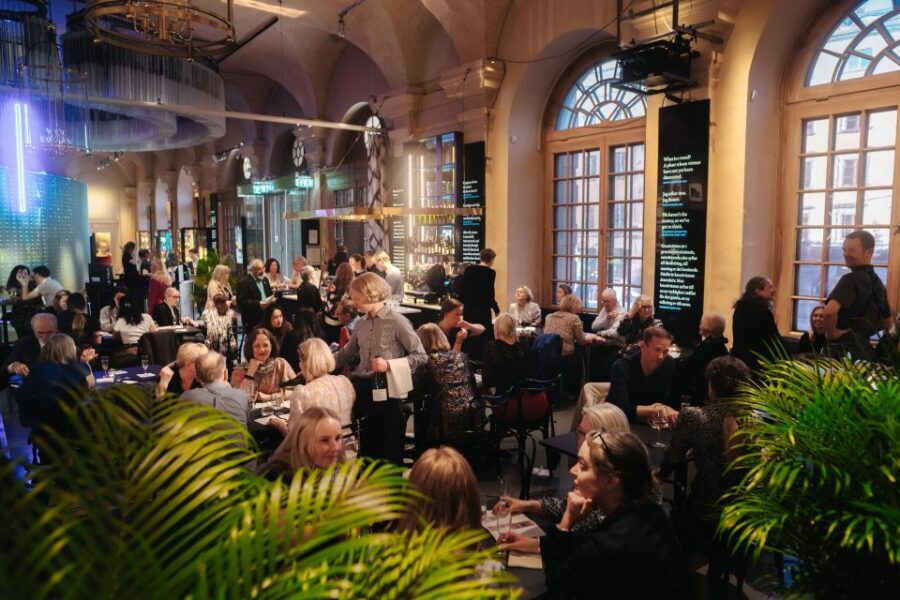
One downside to plan around: Bistro Nobel is closed during the spring for restoration after previous water damage. Some visitors also noted the restaurant had been closed for a longer period, so don’t count on an easy sit-down meal inside the museum.
The good news is that you’re in Gamla Stan, so food options are usually close. Still, this ticket doesn’t include food and drinks, so treat it like a museum-only outing and keep your meal plans separate.
How long to plan in Stockholm: quick stop or full attention
The ticket is described as valid for 1 day, but your actual time on-site depends on your pace. Reviews suggest you can do it as a quick visit, or you can take your time with videos and descriptions, especially if you’re curious about specific laureates.
Here’s a pacing approach that works well:
- Start with the museum tour if you can catch one soon.
- Then do a self-paced loop focusing on the artifacts that match what you care about most (peace work, science, or literature).
- Add extra time for the multimedia stations so you’re not watching or listening after you’ve already moved past the context.
Because the museum can feel crowded in a small space, I’d avoid “one hour, no stopping” mode. A slower pace keeps the experience from turning into shoulder-to-shoulder reading.
Price and value: is an $18 ticket worth it?
At about $18 per person, the value comes from what you get bundled. This isn’t just a basic entry ticket. You also have access to a special exhibition plus a museum tour, which means you’re paying for structure and context, not only room space.
I think it’s especially good value if you:
- want guided learning without doing extra planning,
- like audio/video explanation more than long reading,
- and care about Nobel winners across more than one category.
If you’re the kind of visitor who only likes large museums with lots of gallery space, you may find it smaller than you expected. But if you want compact, focused storytelling with real objects and media support, the ticket price is easier to justify.
Who should book this Nobel Prize Museum ticket?
This works best for people who like ideas you can connect to real-world outcomes. It’s ideal for families, students, and anyone who enjoys learning that mixes science, politics, writing, and human rights.
It’s also a solid choice for a Stockholm day plan because Stortorget in Gamla Stan is central for walking. If you’re already roaming the Old Town, this is an efficient, meaningful stop rather than an “off-the-map” detour.
If you’re short on time, plan to prioritize: guided tour first, then the artifacts and multimedia that align with your interests. If you’re there with patience, the museum becomes more satisfying because the stories build as you move through the rooms.
Practical tips that make your visit smoother
Because the museum is compact, you’ll get more from it if you manage your flow. Move with purpose, and don’t spend too long on any single label unless it genuinely pulls you in.
Bring your curiosity and a small plan. For example, decide before you enter whether you care more about peace work, scientific breakthroughs, or literature-related Nobel winners. The categories in the exhibition make it easy to follow a theme once you choose one.
Also, if you’re using the multimedia stations, treat them like checkpoints. Pause, watch or listen, then continue. That simple rhythm keeps you from turning the visit into disconnected snippets.
Should you book the Nobel Prize Museum ticket?
Yes, if you want a compact, high-information museum with audio/video support and a guided tour included. The $18 price feels fair when you treat it as a structured visit, not just a casual browse.
Skip it only if you specifically need a huge gallery layout or you know you dislike small museums and tight crowd flow. For everyone else—especially families and history-and-ideas lovers—this is one of the more efficient ways to understand what Nobel prizes are really about while you’re already in Stockholm’s most walkable neighborhood.
FAQ
Where is the Nobel Prize Museum, and what’s the meeting point?
The museum is located at Stortorget in Stockholm Old Town (Gamla Stan).
What’s included in the ticket price?
Your ticket includes the entry ticket, access to the special exhibition, and a museum tour.
Are guided tours included, and in which languages?
Yes. Daily guided tours in English and Swedish are included with your ticket. For tour information, you’re asked to contact the entrance staff.
Is food and drinks included with the museum ticket?
No. Food and drinks are not included.
How long can I use the ticket?
The ticket is valid for 1 day, based on availability and the starting time.
What languages are available for the host or greeter?
The host or greeter is listed as English, and the activity is labeled with English.
Is the museum wheelchair accessible?
Yes. The experience is wheelchair accessible.