REVIEW · STOCKHOLM
Stockholm: Old Town Walking Tour w/ Vasa Museum & Boat Ride
Book on GetYourGuide →Operated by Sweden History Tours · Bookable on GetYourGuide
Old Town in Stockholm packs a lot fast. I love the mix of Old Town streets and a short commuter ferry ride, and I also love that you finish with guided skip-the-line Vasa Museum access instead of spending half your time in queues. One catch: it’s a solid outdoor walk in all weather, so low-fitness folks may find the pace tough.
This is a tight, 3–4 hour highlights tour built around real landmarks: the Royal Palace area, Stortorget (Grand Square), the Nobel Prize Museum, and the Runestone—then a water crossing to Djurgården and the Vasa Museum. You’ll go in English or Swedish with a live guide, and the group stays moving. In the guide feedback, names like Michael, Toby, Calle, Brigitta, Nikolas, Karin, and Carin show up often, and the common thread is that the storytelling keeps people engaged while you cover a lot of ground.
In This Review
- Key Points at a Glance
- Meeting Up at Gustav III:s Obelisk (and the 4 PM Twist)
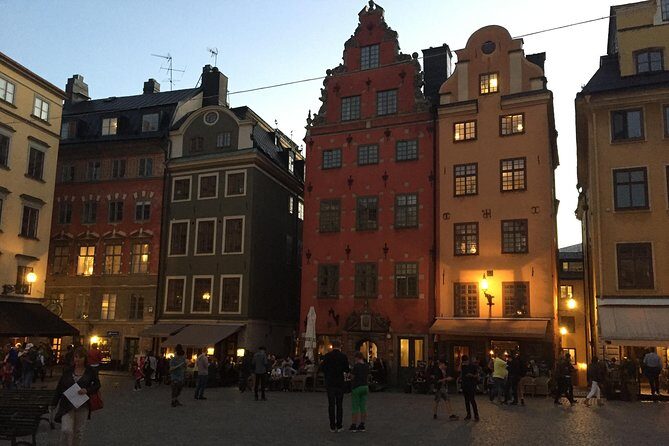
- Royal Palace, Stortorget, Nobel, and the Old Town Runestone
- The Ferry to Djurgården: Stockholm by Water, Not Just on Foot
- Djurgården’s Museum Passing: Easy Orientation for Future Visits
- Vasa Museum at the End: Skip-the-Line Entry Meets a Real Story
- Price and Value: What $137 Gets You (and What It Doesn’t)
- Who Should Book This (and Who Might Want to Skip It)
- Should You Book This Stockholm Tour?
- FAQ
- How long is the Stockholm Old Town walking tour with the Vasa Museum?
- Where do I meet the guide?
- Is the ferry included?
- Are Vasa Museum tickets included?
- What happens if I book the 4 PM (16:00) start?
- What languages are offered?
- Is this tour wheelchair accessible?
- What should I bring?
Key Points at a Glance

- Old Town highlights without the guesswork: You’ll hit major sights in a smart order so you’re not zigzagging across cobblestones.
- Commuter ferry for real waterfront views: A short ride to Djurgården plus commentary on the city’s naval side.
- Djurgården Island context: You’ll hear about the Stockholm Naval Base and pass major museums by boat.
- Vasa Museum, guided and skip-the-line: You get a separate entrance path and a guided tour of the ship and story.
- Works in all weather: Plan for walking outdoors, not a mostly indoor plan.
- Not wheelchair-friendly: You should expect moderate walking and uneven surfaces.
Meeting Up at Gustav III:s Obelisk (and the 4 PM Twist)
The tour starts in the Old Town core. For the 9:30 departure, you meet at the Gustav III:s Obelisk (in the Slottsbacken Obelisk area). If you book the 16:00 start, you’ll meet at the wooden anchor outside the Vasa Museum, and the order gets reversed to fit the museum’s opening hours.
That timing detail matters. Starting early means you’re walking Old Town first and ending at the Vasa Museum when you can flow straight into the ship experience. Starting at 4 PM flips that rhythm, which can be handy if you want to sleep in or you’re already planning an evening in central Stockholm.
Either way, you’ll want to wear comfortable shoes. Old Town is the fun kind of uneven—meaning it’s great for photos, not so great for sore ankles. The tour runs in all weather, so bring layers you can actually walk in, not just something cute.
You can also read our reviews of more walking tours in Stockholm



Royal Palace, Stortorget, Nobel, and the Old Town Runestone
This tour is built like a guided walk through Stockholm’s “greatest hits,” but the value is in how the guide connects the dots. You don’t just see names—you learn why these places matter and how they fit into the city’s story.
You’ll pass or stop for major landmarks like:
- The Royal Palace area (a core symbol of Swedish power)
- Stortorget, the Grand Square (a classic Old Town gathering point)
- The Nobel Prize Museum (history and prestige in one stop)
- The Old Town Runestone (a reminder that this place isn’t just modern postcard Stockholm)
One reason I like this structure is that it gives you quick context. In a few hours, you start to understand what to look for when you wander on your own later: which buildings reflect older civic life, which spots are tied to royal identity, and which elements point back to older eras of settlement.
Also, the guide is there to keep you moving at a pace that makes sense for a short tour. In the feedback for guides such as Toby and Calle, the standout point is how they keep stories varied and include small details that turn landmark spotting into actual understanding.
The Ferry to Djurgården: Stockholm by Water, Not Just on Foot

After the Old Town walking portion, you jump onto a one-way ferry. This is where the tour earns its name in a practical way: Stockholm’s waterfront and islands aren’t a side quest. They’re part of the city’s layout, and seeing the city from the water helps everything click.
You’ll navigate toward Djurgården Isle while getting facts along the way. The guide talks about the Stockholm Naval Base, and as you pass by, you’ll also hear about institutions in that area—like the Nordic Museum, the Viking Museum, and the Museum of Wrecks.
Why is this a good move for a 3–4 hour tour? Because it breaks up the walking. You get a change of pace, plus a different angle on the city. It also helps you understand why people concentrate so many museums around this island: the city’s geography shaped what was built, what was protected, and what was preserved.
If the weather is gray, the ferry still works. You’ll still get movement, views, and commentary. Just be ready for wind. Pack a layer you’d happily wear even if the deck gets chilly.
Djurgården’s Museum Passing: Easy Orientation for Future Visits
Even when you don’t go inside those museums, the ferry commentary is useful. You’ll get a guided mental map of what’s where, so later—when you’re deciding what’s worth your time—you’re not starting from zero.
This also helps if you’re the kind of visitor who likes to choose one or two big museum stops and then enjoy the day. After hearing about the Viking Museum and Museum of Wrecks area, you’re more likely to decide with confidence rather than rolling the dice.
The tour also frames Djurgården in a broader story, especially through the naval angle. That matters because it connects back to the big ending: the Vasa Museum isn’t just a ship display. It’s tied to Sweden’s maritime ambitions and the reality of what can go wrong when grand ideas meet sea conditions.
In short: the ferry section is doing two jobs. It’s giving you a breather, and it’s setting up the meaning of the final museum stop.
Vasa Museum at the End: Skip-the-Line Entry Meets a Real Story
The Vasa Museum is where the tour pays off most. You finish the walking and ferry portion and then go straight into the museum with skip-the-line access via a separate entrance. In other words, you’re not standing around hoping your group moves before the line does.
Important detail: Vasa Museum tickets are not included. The tour provides the guided experience and the skip-the-line entry route, but you should plan to have museum tickets sorted ahead of your visit so you can use that separate entrance without delays.
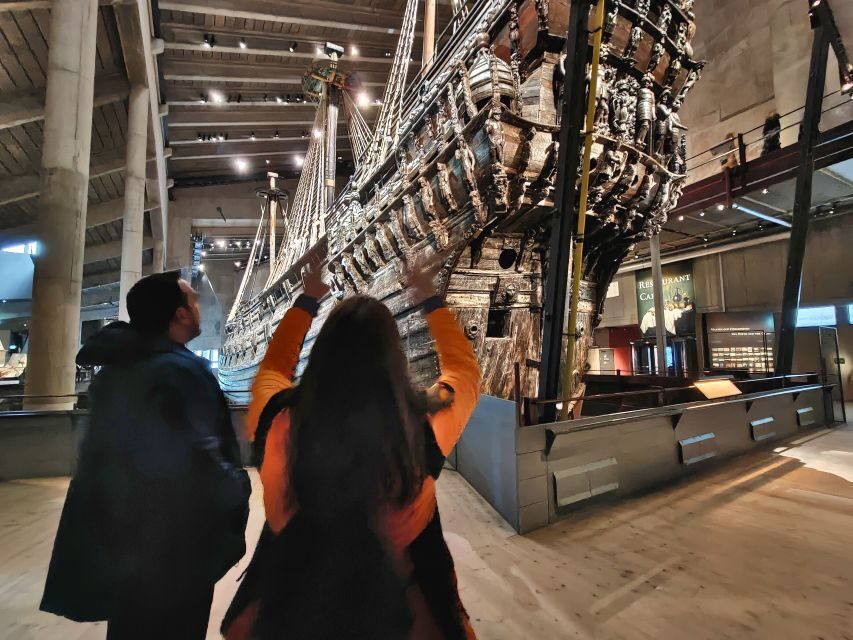
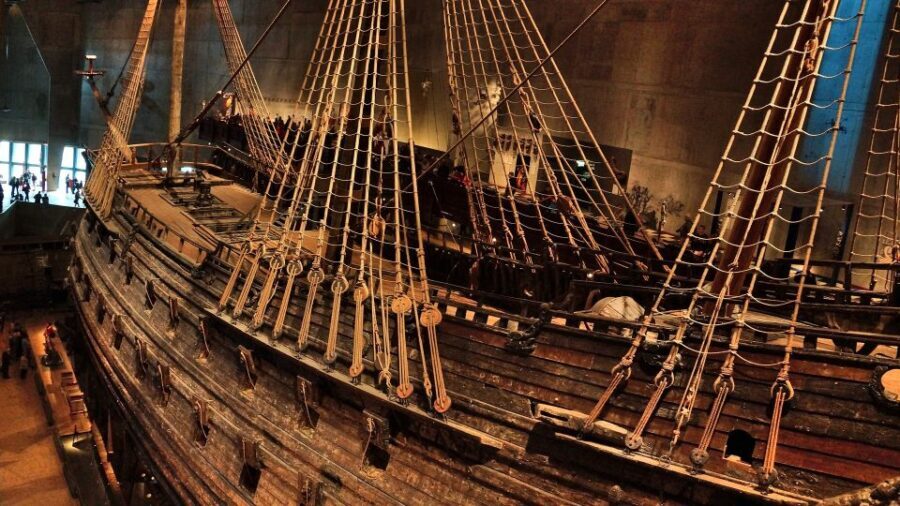
Once inside, you’ll explore with your guide, focusing on the ship itself. The star is the Vasa—an exceptionally well-preserved warship that once served as a flagship for the Swedish Navy. You’ll also learn what happened during its maiden voyage, and why the ship’s tragedy is such a lasting part of Swedish maritime history.
This ending style is smart. By the time you reach the Vasa Museum, you’ve already learned about Old Town’s political and cultural anchors, and you’ve also just spent time hearing about the naval theme on the ferry. So the Vasa story lands with more weight than if you’d walked in cold.
It’s also a good museum choice for first-timers because it tells a complete narrative—engineering, ambition, fate, and the long aftermath. And when you add a guide who can answer questions and connect details, the ship becomes more than a single object you stare at.
You can also read our reviews of more boat tours in Stockholm






Price and Value: What $137 Gets You (and What It Doesn’t)
At $137 per person for a 3–4 hour tour, this isn’t a “grab-and-go” bargain. But it can be good value if you want the time-saving and structure.
Here’s what you’re paying for, based on what’s included:
- A live guide for the Old Town walk and the Vasa Museum portion
- A one-way ferry ticket as part of the route
- Skip-the-line entry using a separate entrance for the Vasa Museum
Here’s what you still need to budget for:
- Vasa Museum tickets (not included)
- Food and drinks (not included)
So the cost makes more sense if you’d otherwise be doing multiple separate ticketed components while also paying for your own time navigating and figuring out a route. The guided portion matters most—Old Town is full of visual details, but the guide helps you interpret them instead of just collecting photos.
If you’re trying to keep your Stockholm costs tight, you might compare this to a self-guided Old Town walk plus a standalone Vasa visit. But if you want a single afternoon plan that covers waterfront geography and adds the naval-to-ship story thread, this package is one of the cleaner ways to do it.
Who Should Book This (and Who Might Want to Skip It)

This tour fits best if you want a highlights loop in a short window. It’s also ideal if you like history that stays grounded in real places: squares, royal buildings, a runestone, then a ferry to museumland, and finally the Vasa ship.
It’s less ideal if:
- You have low fitness or tire easily on walking-heavy routes
- You use a wheelchair, since the tour is not suitable for wheelchair users
- You’re hoping for a mostly indoor experience, because it takes place outdoors in all weather
If you’re traveling with kids or older relatives, you can still make it work, but choose your pace carefully and bring sensible shoes. The tour is meant to move, and the Vasa Museum stop at the end is where you’ll likely want everyone to have energy left.
Should You Book This Stockholm Tour?
I’d book it if you want one focused afternoon that ties together Old Town landmarks, a waterfront ferry ride, and the Vasa Museum story without wasting time in lines. The guide-led format is the biggest selling point, and the repeated guide names in the feedback (Michael, Toby, Calle, Brigitta, Nikolas, Karin, Carin, and Charlotte) suggest consistent delivery: clear context, good pacing, and enough humor and detail to keep it from feeling like a checklist.
I wouldn’t book it if you hate walking outdoors or if the Vasa Museum is your only priority and you’d rather freestyle. In that case, you might get a simpler day by planning your own route.
FAQ
How long is the Stockholm Old Town walking tour with the Vasa Museum?
It lasts 3 to 4 hours.
Where do I meet the guide?
For the 9:30 start, you meet at the Gustav III:s Obelisk. For the 16:00 start, you meet at the wooden anchor outside the Vasa Museum.
Is the ferry included?
Yes. The tour includes one-way ferry ticketing as part of the route to Djurgården Isle.
Are Vasa Museum tickets included?
No. Vasa Museum tickets are not included, even though you get skip-the-line access with a separate entrance.
What happens if I book the 4 PM (16:00) start?
The itinerary is reversed because of the Vasa Museum opening hours.
What languages are offered?
The tour guide speaks English and Swedish.
Is this tour wheelchair accessible?
No. It is not suitable for wheelchair users.
What should I bring?
Bring comfortable shoes and weather-appropriate clothing, since the tour runs in all weather conditions.