REVIEW · STOCKHOLM
Stockholm: Underground Metro Art Ride with a Local Guide
Book on GetYourGuide →Operated by LocalBini AG (EU) · Bookable on GetYourGuide
Art lives underground in Stockholm. This metro ride is a moving museum of Swedish public art, with a local guide translating what you’re seeing, station by station. I love the way the tour ties the artwork to the wider story of Swedish culture over time.
I also like the small-group pace. Up to 8 people means you can actually ask questions while you’re standing in front of the work. One possible drawback: at $128 per person, it’s not the cheapest way to ride the subway and you’ll want to be sure you’re into art and short walks underground.
You’ll meet by T-Centralen right in front of the Nils Ericson statue, get your subway ticket included, and spend about 1.5 to 2 hours getting a fast, focused look at what makes Stockholm’s underground so famous.
In This Review
- Key highlights at a glance
- What Makes Stockholm’s Metro Art Worth Your Time (and $128)
- Meeting at T-Centralen and How the Tour Actually Moves
- The Metro as a Swedish Art Timeline (From 1950s to Later Decades)
- More Than Paint: Mosaics, Sculpture, Reliefs, and Changing Installations
- Archaeology Beneath the Floor: Ancient Columns You Can Actually Notice
- Local Tips You Can Use Immediately: Cafes, Bars, and Restaurants
- Guide Quality: What You Learn From Agneta and Rikta’s Tour Styles
- Price and Value: How This Compares to DIY Metro Art Hunting
- Who Should Book (and Who Might Want to Skip)
- Should You Book the Underground Metro Art Ride?
- FAQ
- How long is the Stockholm Underground Metro Art Ride?
- Where is the meeting point?
- Is the subway ticket included?
- What’s the group size?
- What languages is the tour offered in?
- What should I bring?
- Is the tour accessible for people with mobility impairments?
- What’s the cancellation and booking flexibility?
Key highlights at a glance
- Small group of up to 8 for real conversation, not a moving herd
- Subway ticket included, so you can focus on art and not fare math
- Swedish art timeline, from the 1950s through later decades
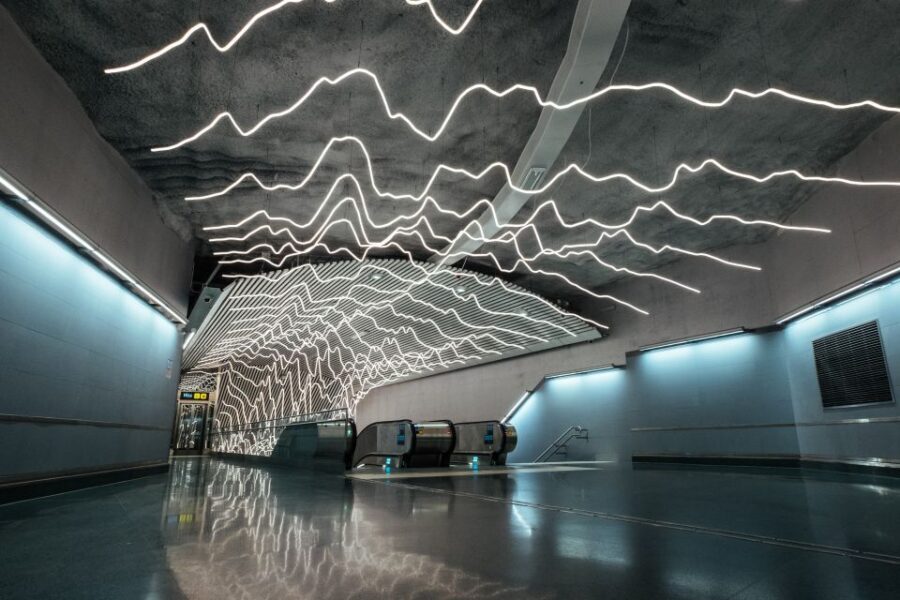
- Multiple art forms, including paintings, mosaics, sculpture, reliefs, and changing installations
- Archaeology sightings, like ancient columns, tucked into the station experience
- Local food and drink tips to use right after the tour
What Makes Stockholm’s Metro Art Worth Your Time (and $128)
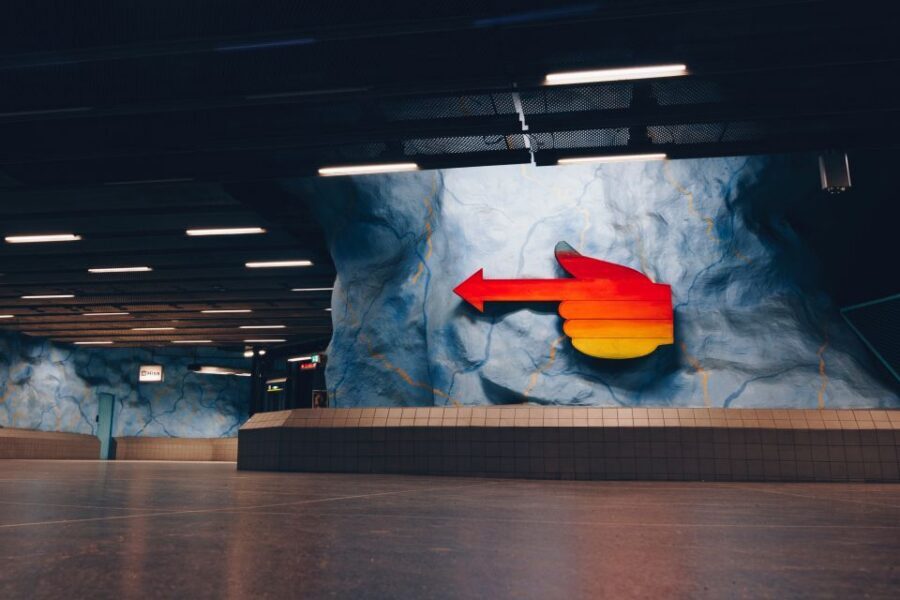
Stockholm’s subway isn’t just transport. It’s a public art program you can reach without a museum ticket, and it’s spread out across stations in a way that feels more like wandering a gallery than waiting in line for one exhibit.
What you’re paying for here is the translation. A lot of metro artwork is easy to miss when you’re just passing through. With a local guide, you get context for what you’re seeing—why it’s there, how it fits into Swedish art across decades, and what details matter. If you like noticing small things (materials, symbols, composition), this tour rewards that habit fast.
The other part of the value is how the tour is built around a short time window: 1.5 to 2 hours. You’re not trying to cover everything in the network. Instead, you get selected stations and explanations designed for a first-time experience.
Is it pricey compared with riding the metro alone? Yes. But if you’d normally spend that money on a museum entry and you want something more “everyday Stockholm,” this can feel like a good swap.
You can also read our reviews of more guided tours in Stockholm



Meeting at T-Centralen and How the Tour Actually Moves
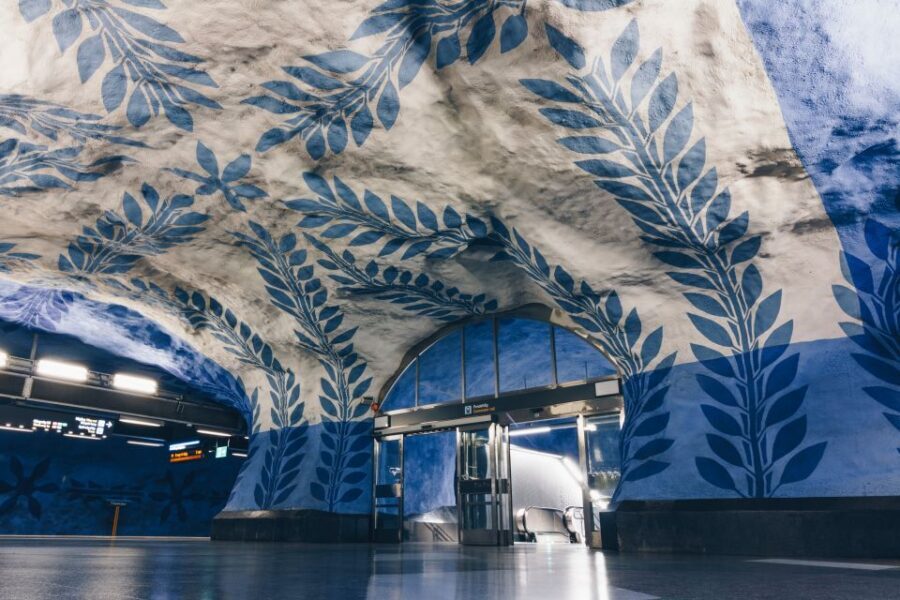
The meeting point is simple: meet right next to T-Centralen metro station, in front of the Nils Ericson statue. It’s a central spot, easy to reach, and it keeps the start time painless.
You’ll be with an independent local guide in English or Swedish, and the group stays small—up to 8 people. That matters more than you might think. In a subway station, people move in waves. A small group can pause, look, and ask questions without turning the experience into a stop-and-go traffic jam.
Plan on comfortable shoes. Even though this isn’t a marathon, you’re going to be walking between stations and lingering in front of installations. Also, bring a charged smartphone. It’s useful for photos and to help you keep track of what you liked so you can search it later if you want.
One practical note: stops may vary depending on weather conditions, and the itinerary adapts to your interests and walking pace. That’s good for flexibility, but it also means you shouldn’t treat it like a strict checklist where every person sees the exact same set of works.
The Metro as a Swedish Art Timeline (From 1950s to Later Decades)
The headline idea is that the subway functions like a long, underground art gallery. The program covers works from the 1950s onward, featuring over 150 artists represented across the system. You’ll see how Swedish public art changes over time—how styles, themes, and materials evolve as decades roll by.
Here’s what I think is smart about this approach: you’re not just looking at individual works. You’re watching the bigger pattern. The guide’s job is to help you read that pattern in real time. You’ll usually hear what to focus on at each stop—sometimes it’s about the artist’s approach, sometimes it’s about the visual language, and sometimes it’s about why the station space suits that kind of artwork.
You can also expect the tour to highlight around 90 unique art installations across about 110 stations in total across the whole network. Obviously, you won’t see all of those on a 1.5 to 2-hour tour. But the guide’s selection is where the experience becomes worth it—you’ll get the most memorable examples rather than random stops that happen to be convenient.
More Than Paint: Mosaics, Sculpture, Reliefs, and Changing Installations
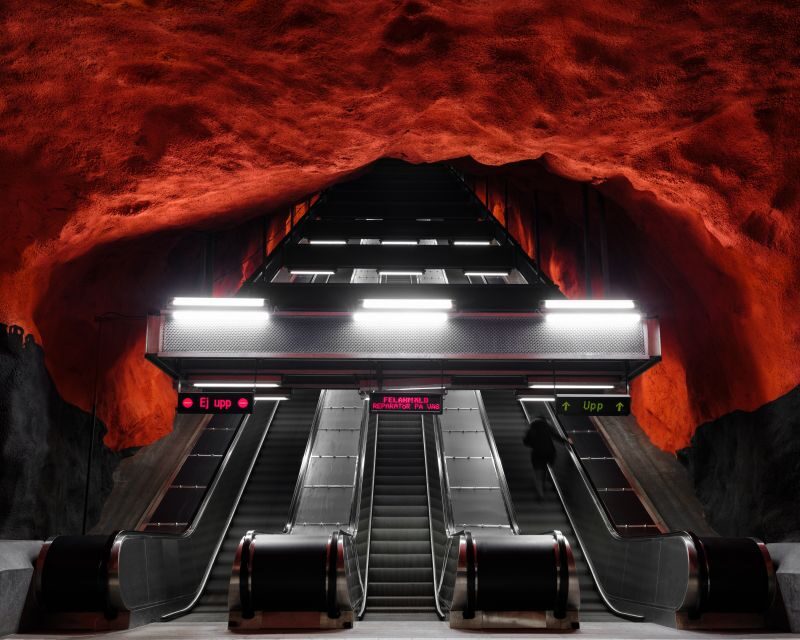
Stockholm subway art isn’t one style. It’s a mix, and the variety is part of the fun.
On this tour, you’ll encounter multiple forms, including:
- vibrant painting-style works
- complex mosaics
- striking sculptures
- delicate reliefs
- ever-changing installations
That variety changes how you experience the station. A mosaic rewards slow looking because the details can be small and layered. A sculpture can change with your angle as you move through the station space. A relief often looks different depending on where you stand—especially in the lighting typical of underground tunnels.
The practical win: you don’t need specialized art knowledge. The guide’s explanations help you translate what’s in front of you into something you can actually enjoy. If you’ve ever walked past public art thinking, I don’t get it, this is the antidote.
Archaeology Beneath the Floor: Ancient Columns You Can Actually Notice
This isn’t only about modern design and artist signatures. A nice twist is that the tour includes archaeological touches you might otherwise miss—like ancient columns hidden in the subterranean world.
That element adds depth without turning the tour into a lecture. It also gives you a better sense of place. Stockholm didn’t start with the subway. The city’s layers—old and new—show up underground in unexpected ways, and the guide helps you spot the historical clues.
If you enjoy “wait, what is that?” moments, this is the kind of detail that makes the tour feel more memorable than a simple art walk.




Local Tips You Can Use Immediately: Cafes, Bars, and Restaurants
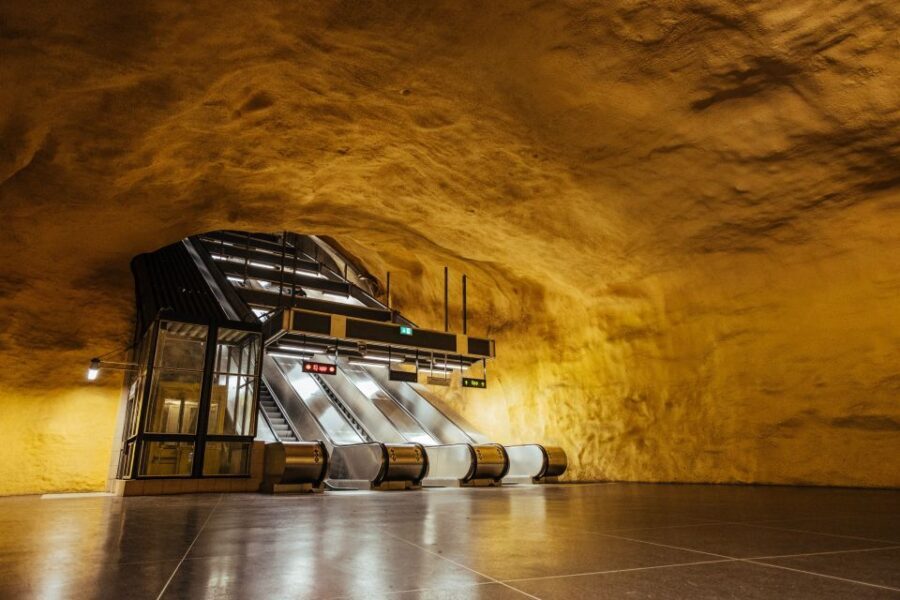
A metro art tour can be great, but it’s even better when it helps you enjoy the rest of your trip.
Along the way, the guide shares local secrets about where to go after the tour—bars, cafes, and restaurants. The point isn’t to get a generic list. It’s to get advice that fits what you’re looking for once you’re above ground again: a place for a relaxed drink, a coffee stop, or a meal that feels like Stockholm rather than a standard tourist workaround.
And because the tour runs only 1.5 to 2 hours, you can usually act on the tips the same day. I like that you’re not waiting around for a brochure to tell you what’s good.
Guide Quality: What You Learn From Agneta and Rikta’s Tour Styles
This type of experience rises or falls on the guide. In the strongest versions of this tour, the guide isn’t just reciting facts—they keep the pace lively and make you feel welcome to ask questions.
The names that stood out from guide feedback include Agneta and Rikta. Agneta in particular was praised for being informative and kind, and even for going beyond the original time window to show an additional station. That’s not something you should expect every time, but it’s a strong signal that some guides take real ownership of the experience.
Rikta was noted as professional, well informed, interesting, well spoken, and accommodating. That’s exactly what you want when you’re trying to understand art in places where you’re also navigating crowds, signage, and moving platforms.
Bottom line: you’re paying for a local explanation, and the best guides make the subway feel like it has a story you can read.
Price and Value: How This Compares to DIY Metro Art Hunting
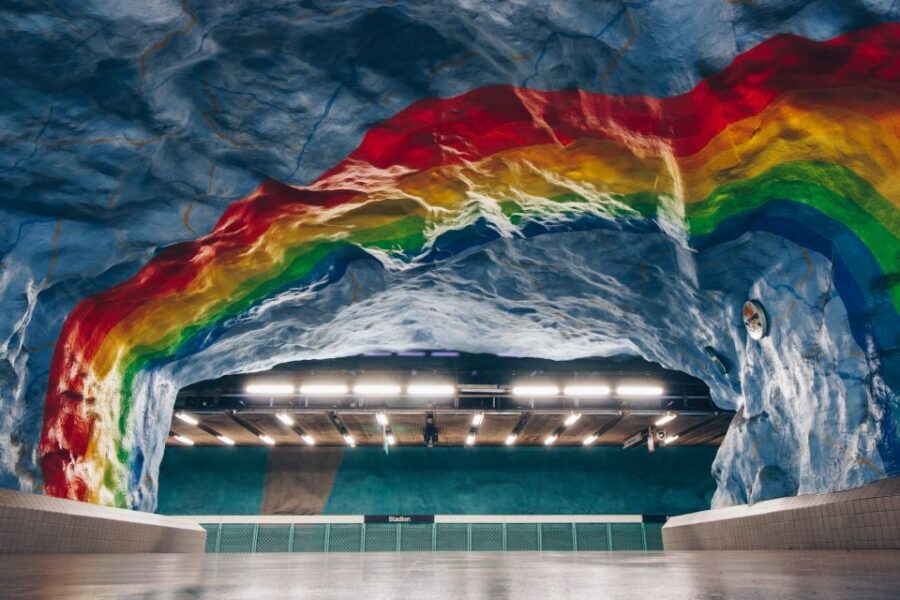
Let’s talk money. The price is $128 per person, and your subway ticket is included. So you’re not paying extra just to get underground.
How does this compare with doing it yourself?
- DIY can be cheaper, and you’re free to wander.
- DIY also means you’ll likely miss context. You can photograph the art, sure, but you might not know what you’re looking at or why it matters.
- You also risk spending your limited time on stations that are less compelling for first-time visitors.
This tour’s value is built around time efficiency and guided selection. You get a short, focused route through the art-rich parts of the network with explanations that turn “pretty station” into “oh, I get it.”
If you’re the type who likes learning while walking and you plan to spend a lot of your Stockholm time topside, this feels like a smart use of a couple hours. If you’re mainly there for the metro ride itself and couldn’t care less about art context, you may feel the price more than the value.
Also, one feedback point flagged that some people find it too expensive. That’s fair. This is a paid guide experience, not a free show. Make sure art interpretation is your thing before you book.
Who Should Book (and Who Might Want to Skip)
This tour fits best if:
- you’re visiting Stockholm for a short time and want a high-impact art experience
- you enjoy public art and want explanations, not just photos
- you like small-group tours where you can actually talk
- you want practical local recommendations for where to eat and drink
It’s not suitable for people with mobility impairments. The format includes walking and moving through stations, so if mobility is a concern, you’ll want to choose another Stockholm option that matches your needs.
Also, bring patience for the realities of being underground. You’re in public transit spaces, so you’ll need to handle the flow of commuters while you look.
Should You Book the Underground Metro Art Ride?
Book it if you want Stockholm’s subway art with context, a small-group pace, and a guide who can connect what you see to Swedish artistic evolution. The included subway ticket and the 1.5 to 2-hour timeframe make it feel like a tidy plan you can fit into almost any itinerary.
Skip it or consider alternatives if you mainly want the cheapest way to ride the metro, you don’t care about art explanations, or you need an itinerary that avoids walking between stations.
If you’re on the fence, the deciding question is simple: would you rather look at art quietly on your own, or have someone help you notice what matters in each station? If you’re leaning toward the second, this is a strong choice for your Stockholm trip.
FAQ
How long is the Stockholm Underground Metro Art Ride?
It lasts 1.5 to 2 hours.
Where is the meeting point?
Meet right next to T-Centralen metro station, in front of the Nils Ericson statue.
Is the subway ticket included?
Yes. Entry tickets for the subway are included, and you don’t have to worry about getting a metro ticket for the tour.
What’s the group size?
It’s a small-group tour with up to 8 travellers.
What languages is the tour offered in?
The live guide speaks English and Swedish.
What should I bring?
Bring comfortable shoes and a charged smartphone.
Is the tour accessible for people with mobility impairments?
No, this tour is not suitable for people with mobility impairments.
What’s the cancellation and booking flexibility?
Free cancellation is available up to 24 hours in advance for a full refund, and you can reserve now and pay later to keep plans flexible.