REVIEW · STOCKHOLM
Vasa Museum Guided Tour in Stockholm
Book on Viator →Operated by Scandic Tours · Bookable on Viator
A sunk warship can feel like pure drama. This guided tour at the Vasa Museum turns that drama into clear stories, with context you won’t get from labels alone. You’ll spend about two hours inside the museum learning how people tracked down the wreck and what the original ship design was trying to do.
I like two things a lot: the guided flow that keeps you moving through the exhibits without feeling rushed, and the way guides connect details (including the 19th-century maps and salvage engineering) into a single, understandable narrative.
One possible drawback: if you’re the type who loves reading every sign slowly on your own, you might feel the tour is mostly repeating what’s already on the walls. In that case, you’ll need to decide if the added context is worth the ticket price.
Key highlights to know before you go
- Skip-the-line entry included so you’re not stuck waiting to get through the door
- English mobile ticket for easier check-in
- Guide-led museum route (about 2 hours) with time for questions
- 19th-century maps + salvage engineering explained in plain terms
- Group size capped (maximum 96), and some tours feel smaller and more personal
- Meeting support may include helpful directions (I’ve seen guides share a pin and photo for easier meet-up)
In This Review
- Vasa Museum in 2 Hours: What You’re Learning and Why It Works
- Getting There for the 10:00 am Start (And Avoiding the Usual Travel Panic)
- The Museum Route: How a Guide Turns “Signs” Into a Story
- 19th-Century Maps and Salvage Engineering: The “How Did They Do That?” Part
- The Ship’s Failure and the Clues in the Craft
- Guide Quality: From Friendly Meet-Up to Clear Commentary
- Value for $65.12: When This Ticket Feels Worth It
- Timing, Duration, and How to Get the Most From the Two Hours
- Who This Tour Is Best For (and Who Might Be Happier Solo)
- Should You Book This Guided Tour of the Vasa Museum?
- FAQ
- What time does the Vasa Museum guided tour start?
- How long is the tour?
- Where does the tour meet, and where does it end?
- Is the skip-the-line entry included?
- Is the tour offered in English?
- What’s the cancellation window for a full refund?
Vasa Museum in 2 Hours: What You’re Learning and Why It Works
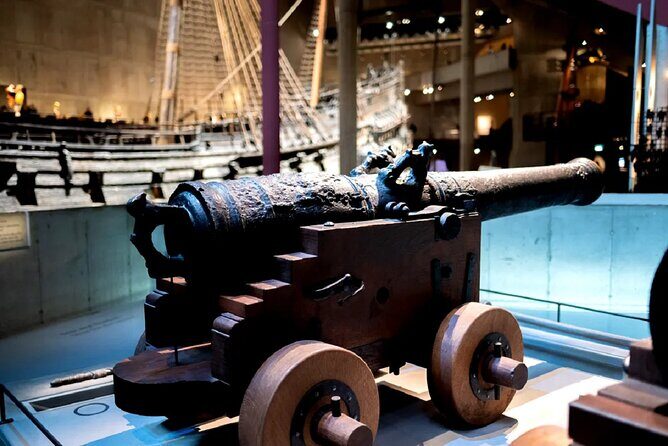
The Vasa Museum is built around one idea: a real shipwreck, and the chain of events that led to it. What makes the guided format so useful is that you don’t just look at artifacts. You follow a storyline—what happened, what people figured out later, and how the wreck was eventually recovered.
In this tour, you get the history of the Vasa warship with a guide, plus the detective work behind the recovery. That includes the 19th-century maps used to locate the ship and an explanation of the engineering involved in salvaging the wreck. Even if you know nothing going in, you’ll leave with a coherent picture instead of a pile of fascinating objects.
Getting There for the 10:00 am Start (And Avoiding the Usual Travel Panic)

The tour starts at 10:00 am at the Vasa Museum, Galärvarvsvägen 14, 115 21 Stockholm. The activity ends back at the meeting point, so you don’t have to guess where to wander after the tour ends.
This is one of those Stockholm experiences where timing matters. The museum can be busy, and the tour includes a skip-the-line ticket entry, which is a simple value win: it protects your time. For a two-hour experience, that’s not a minor detail—it’s the difference between enjoying the exhibits and spending your visit hunting for the right entrance moment.
You can also read our reviews of more guided tours in Stockholm



The Museum Route: How a Guide Turns “Signs” Into a Story
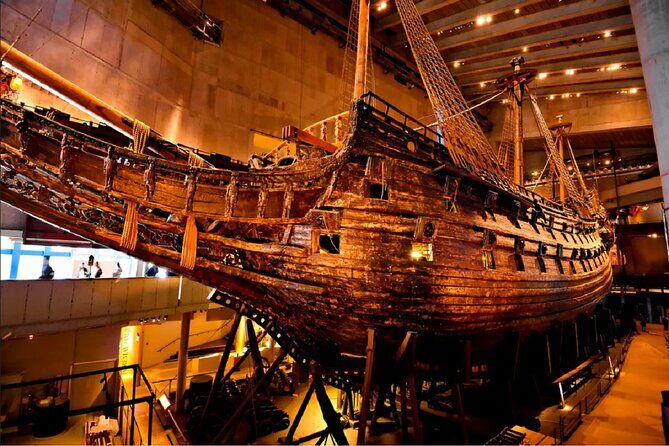
Your entire guided visit is inside the museum, exploring the exhibits at an organized pace. You’ll move through the museum while hearing the ship’s story with context that connects the big points. One guide, Ben, was praised for taking people through many levels and offering historical insight step by step. That matters because Vasa Museum content isn’t all in one spot—you need a path.
Another thing I noticed from how this tour is described by guests: guides actively manage the group. People liked feeling that the guide kept everyone together and made sure you could hear. That can sound basic, but in a museum with lots of visual detail, it’s the difference between a tour that feels like a walk-and-talk and one that’s actually usable.
19th-Century Maps and Salvage Engineering: The “How Did They Do That?” Part
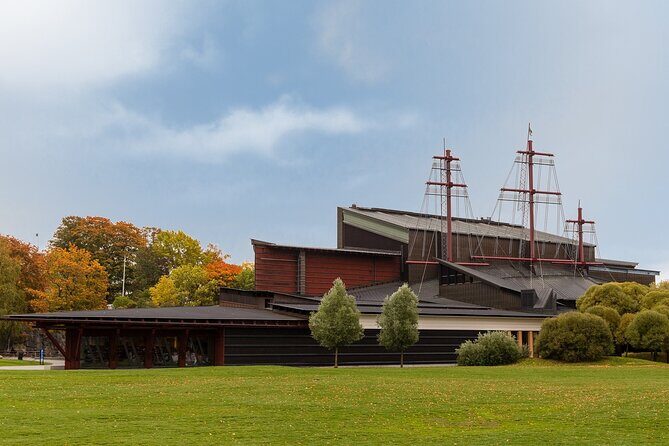
This tour’s standout strength is the combination of discovery and recovery. You’re not only learning about the ship. You’re learning how later generations figured out where it was and how to handle the engineering challenge of salvaging it.
The 19th-century maps add a real-world feeling of problem-solving. You get to see the tools people used back then—before modern satellite everything—so the search story feels grounded. And then the tour connects that search to the engineering involved in salvaging the wreck, which helps you understand why recovery wasn’t just luck.
If you like practical problem stories—plans, measurements, engineering decisions—this part is likely to grab you fast. The best guides don’t just list facts. They explain the logic so you can picture the steps.
The Ship’s Failure and the Clues in the Craft
Vasa is famous for a failure that still sparks curiosity: the ship’s design and what that meant for its fate. During your visit, you’ll hear about the history of the warship and why the ship ended up as a wreck.
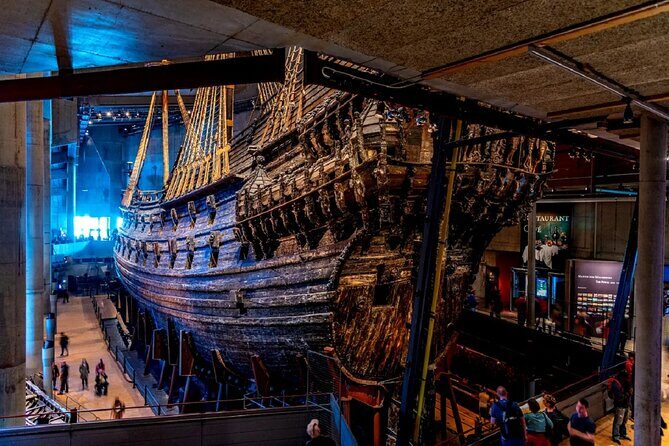
One guest pointed out how the museum shows details in the carvings, which is the kind of thing that can easily get overlooked when you’re skimming. A guided tour helps here: the guide can point your attention at what’s visually impressive and what it was trying to communicate.
This is where your guide personality matters. Some guides are especially good at answering questions and keeping things clear in the moment. Pedro was praised for being informative, and Daniela was praised for passion and thoroughness. When the guide’s confident, you spend less time wondering what you’re looking at and more time enjoying the artifacts.
Guide Quality: From Friendly Meet-Up to Clear Commentary
This tour has a strong track record for guide delivery. Names that came up include Caoimhe, Pedro, Ben, and Daniela. People liked that guides were friendly, on time, and careful about group coordination.
One particularly helpful detail: Caoimhe was mentioned for sending a picture and dropping a pin for the meeting place the morning of the tour. That’s the kind of small prep that can save you stress, especially if you’re navigating Stockholm for the first time.
Guides also seem to adjust for real group needs. Daniela was noted for being careful that seniors could hear and stay involved. That tells me this tour tends to be run with attention to how people experience the commentary, not just speed-walking through rooms.
The one clear warning sign: not every tour will feel like a masterclass. One lower-rated experience described a guide who at times repeated what the sign already said. If you’re paying for added value, go in ready to listen actively. Ask yourself if you want explanation and story, not just a read-aloud of exhibit text.
You can also read our reviews of more museum experiences in Stockholm






Value for $65.12: When This Ticket Feels Worth It
At $65.12 per person for about two hours, the value depends on your style.
If you like guided interpretation—especially when the tour includes material that’s easy to miss on your own—this can be a good deal. The reason is simple: you’re paying for a narrative route plus skip-the-line entry. That saves time, and the guide saves mental effort by connecting the dots between maps, salvage engineering, and the ship’s story.
If you plan to do a lot of solo museum reading, it may feel less cost-effective. One criticism was basically that the tour didn’t add much beyond what signs already covered. Translation: if you’re comfortable reading, and you don’t mind slow walking, you might not feel the need for a guide.
A practical way to decide: think about whether you want to leave with a clear sequence of events and explanations, or whether you’re happy collecting facts one sign at a time.
Timing, Duration, and How to Get the Most From the Two Hours
The tour lasts about 2 hours, and it’s structured enough that guides keep the group moving. That’s good news if you’re on a tight Stockholm schedule. It also means you should come with a little curiosity, not a total sightseeing fatigue.
Plan your day so you’re not sprinting between places. A guided museum visit feels best when you can pause for details—especially around craftsmanship areas and map/salvage sections. People also liked that the group pace allowed time to look without feeling shoved along.
Another practical note: English is offered, and the tour is capped at a maximum of 96 travelers. In real life, your experience likely depends on how many show up that day, but you should at least know you’re not signing up for an unlimited crowd.
Who This Tour Is Best For (and Who Might Be Happier Solo)
This tour is a strong fit if you:
- Want context for what you see at the Vasa Museum
- Like stories that connect engineering and discovery
- Prefer a guided pace that keeps you from missing major themes
- Value a guide who can manage the group so you can actually hear
It may be less satisfying if you:
- Mostly read every exhibit sign and don’t need help connecting the story
- Hope for lots of extra facts that aren’t on the exhibit text
- Are very sensitive to repeating sign content (a concern raised in a lower rating)
A small bonus if you travel with seniors or anyone who needs audio clarity: this tour includes examples of guides adjusting to ensure people can participate.
Should You Book This Guided Tour of the Vasa Museum?
Yes—if you want your Vasa visit to feel like a story with a beginning, middle, and end. The combination of skip-the-line entry and guided explanation of the 19th-century maps and salvage engineering is exactly the kind of value that turns a museum stop into something you’ll actually remember.
Hold back if you’re mainly planning to read exhibit text word-for-word and you’re comfortable building the narrative yourself. In that case, the guide may feel like extra cost rather than extra insight.
If you’re on your first Stockholm trip or you only have a short window, this is a smart use of time.
FAQ
What time does the Vasa Museum guided tour start?
It starts at 10:00 am.
How long is the tour?
The tour is about 2 hours (approx.).
Where does the tour meet, and where does it end?
The meeting point is Vasa Museum, Galärvarvsvägen 14, 115 21 Stockholm, Sweden. The tour ends back at the same meeting point.
Is the skip-the-line entry included?
Yes. Skip-the-line ticket entry is included in the price.
Is the tour offered in English?
Yes, it’s offered in English.
What’s the cancellation window for a full refund?
You can cancel up to 24 hours in advance for a full refund.