REVIEW · STOCKHOLM
World War II Stockholm Old Town Walking Tour and Army Museum
Book on GetYourGuide →Operated by Rosotravel Sweden · Bookable on GetYourGuide
WWII in Stockholm hits close to home. This private walk through Gamla Stan turns Swedish neutrality into a human story, from Soviet bombings to the Holocaust work of Raoul Wallenberg. You get a 5-star expert guide who ties politics to real places you can stand in.
I love the way the tour keeps asking the hard questions: how neutrality worked in practice, and whether Jewish refugees were actually welcomed. I also like that you see big power-symbol buildings like the Royal Palace and Parliament House, then learn how Sweden’s war-era decisions echoed in society.
One thing to watch: the Army Museum only comes with the 3-hour option. If you choose the 2-hour tour, you will miss the museum visit and its wartime-life exhibits.
In This Review
- Key points you’ll remember
- Starting at Lars Johan Hierta Monument in Stockholm Old Town
- Swedish neutrality during WWII: from the start to Soviet bombings
- Royal Palace, Storkyrkan, and Parliament House: power you can point at
- Berzelii Park Remembrance Path and the Raoul Wallenberg story
- War monuments, Holocaust memorials, and Nobel Prize wartime effects
- Operation Save Denmark and why the details matter
- The 2-hour vs 3-hour choice: what you gain or skip
- The 2-hour option (walking focus)
- The 3-hour option (adds the Army Museum)
- Army Museum inside: wartime life, Raoul Wallenberg, and 500+ years of context
- Price and value: is $205 per person worth it?
- Who should book this WWII Stockholm tour
- Final verdict: should you book it
- FAQ
- FAQ
- Where does the tour meet?
- How long is the WWII-themed tour?
- Is the Army Museum included in the 2-hour tour?
- What will I learn about during the walking part in Gamla Stan?
- Does the tour cover Raoul Wallenberg?
- What monuments and landmarks are part of the experience?
- Where does the remembrance portion take place?
- What languages are available for the live guide?
- Are there limits on group size and what should I do before the tour?
Key points you’ll remember
- Lars Johan Hierta Monument start: you begin in Old Town with the right context for press freedom and public life
- Swedish neutrality explained in stages: how the story shifts as the war progresses
- Raoul Wallenberg focus: the tour centers on his efforts to rescue ten of thousands of Jewish people
- A respectful Holocaust remembrance walk: you follow the Remembrance Path in Berzelii Park
- Optional Army Museum add-on: 500+ years of Sweden’s wartime and peacetime life, with documents and uniforms
- A private guide in your language: German, Italian, French, Spanish, Russian, English, or Swedish
Starting at Lars Johan Hierta Monument in Stockholm Old Town
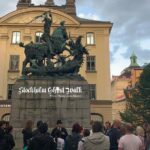
Your tour begins in front of the Lars Johan Hierta Monument at Riddarhustorget 9. That location matters because it puts you in Stockholm’s civic world right away: public opinion, institutions, and the role of the press. Your guide uses this opening to frame what neutrality meant to Sweden at the beginning of World War II.
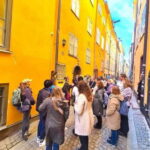
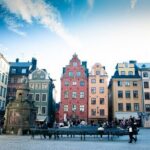
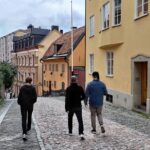
From there, you move through Gamla Stan with a “notice-and-understand” rhythm. You look at the Royal Palace and church landmarks, then the guide connects those visible symbols to what was happening inside Sweden’s government, royal circles, and even the church during the war years. This isn’t a march of facts. It’s a guided way to connect places to decisions.
Because this is a private group, the pace is easier to manage. You won’t feel like you’re being herded, which is a big deal in an emotionally heavy subject like WWII and the Holocaust.
You can also read our reviews of more walking tours in Stockholm
Swedish neutrality during WWII: from the start to Soviet bombings
A big reason to book this tour is the way it explains Sweden’s neutrality as something active, not passive. You start with the beginning of the conflict and learn how neutrality was supposed to protect Sweden. Then you follow how the meaning of neutrality changes as the war stretches on and pressure increases.
The tour covers several key pressures that shaped Sweden’s choices. You learn how the war affected domestic politics and foreign trade. You also hear about the Soviet bombings of Sweden, which adds a layer most people don’t associate with Scandinavia during WWII.
If you’ve ever wondered how neutrality could exist next to occupied territories, you’ll like the structure here. The guide doesn’t treat the topic as a slogan. Instead, you get a picture of a small country trying to keep its institutions intact while neighboring powers demanded compliance.
You’ll also get a specific angle on the human impact. The tour includes the question of whether Jewish refugees were welcome, and it discusses the humanitarian side of the story—especially for people escaping German occupation in Denmark and Norway. That’s where the tour becomes more than geopolitical theory.
Royal Palace, Storkyrkan, and Parliament House: power you can point at

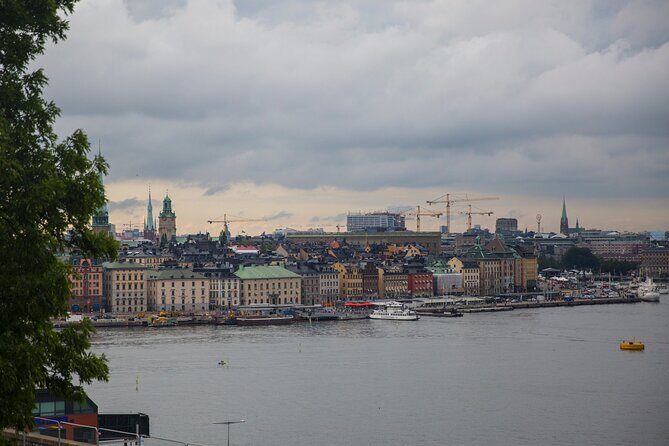
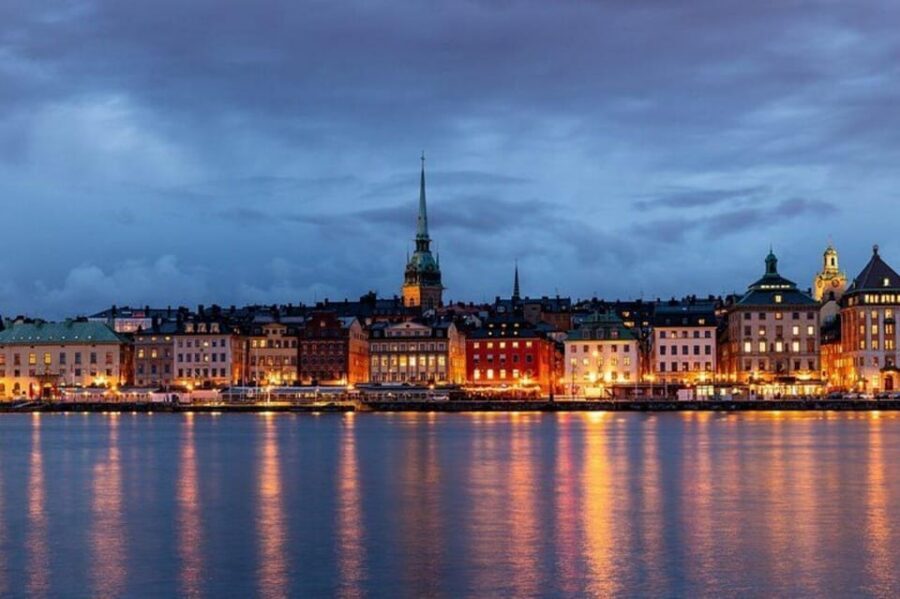
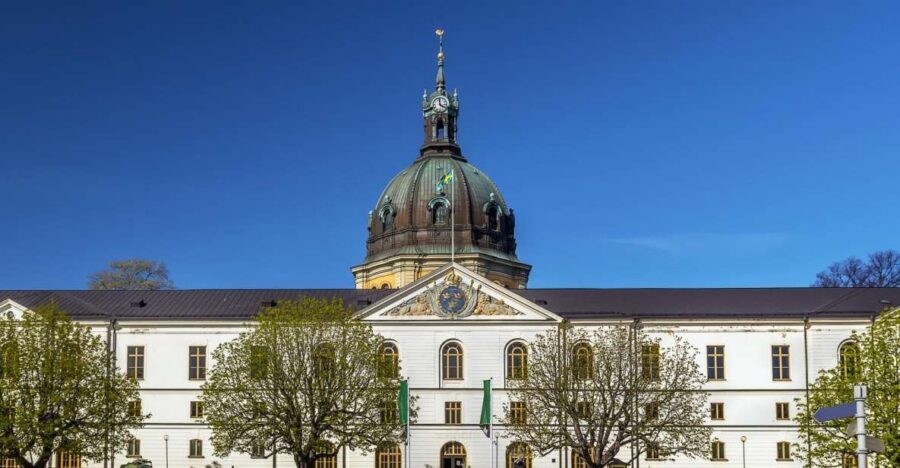
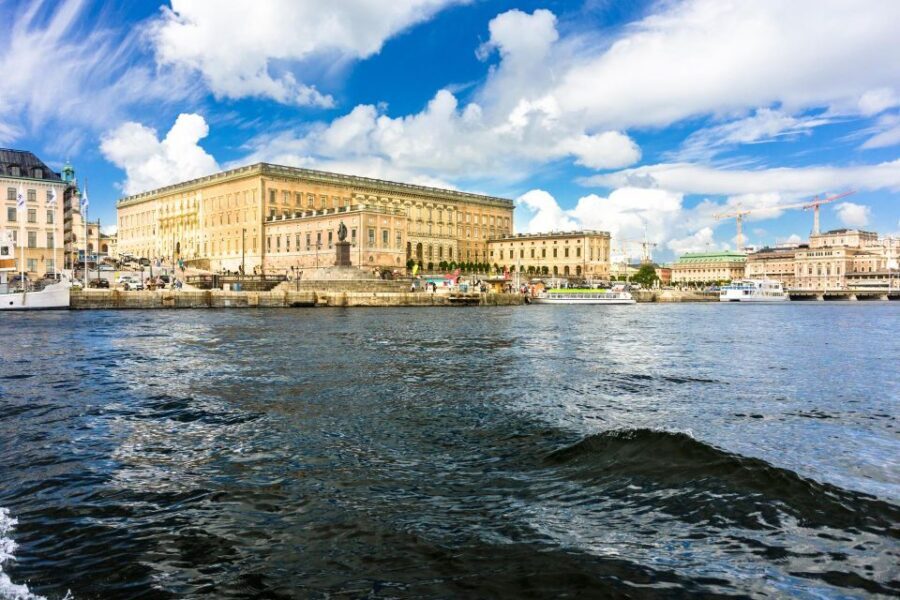
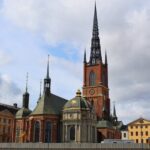
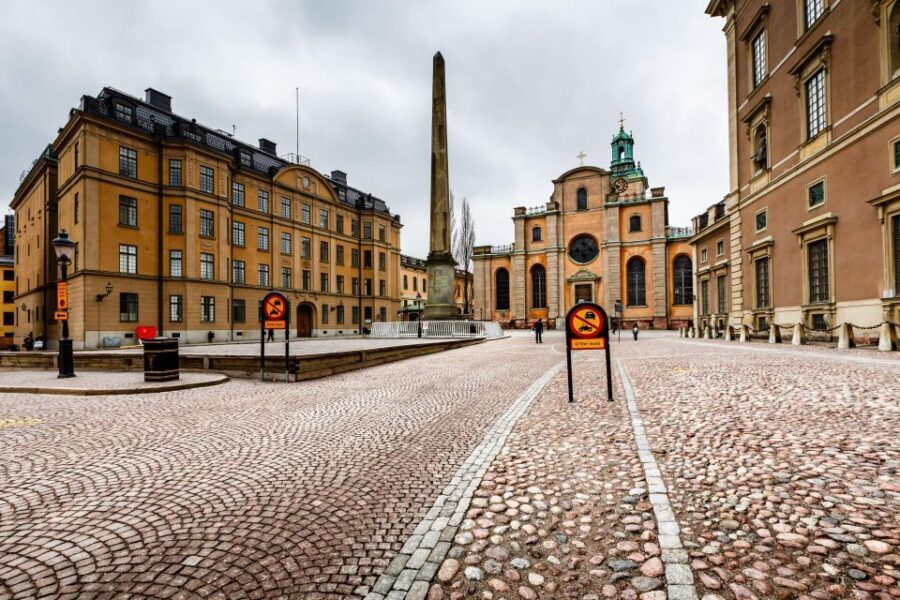
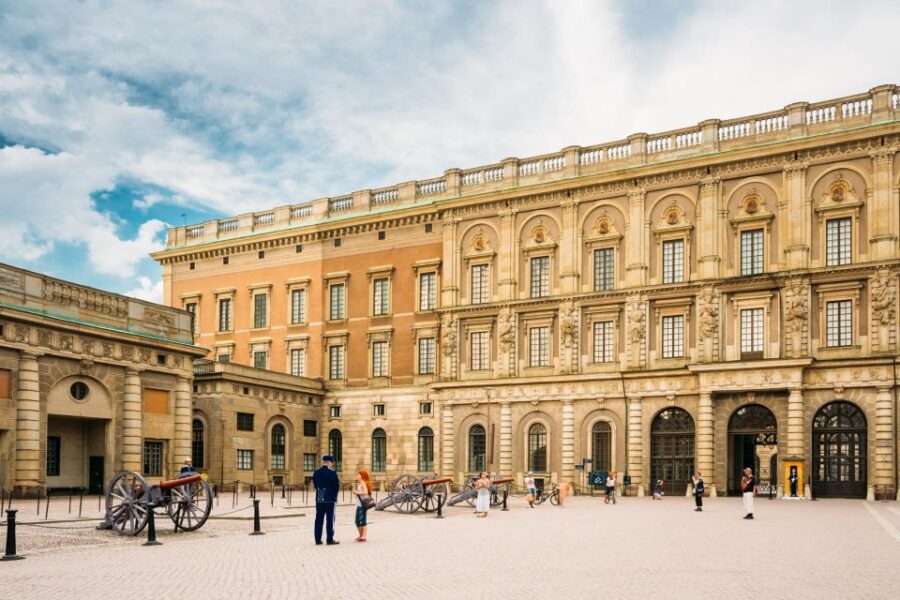
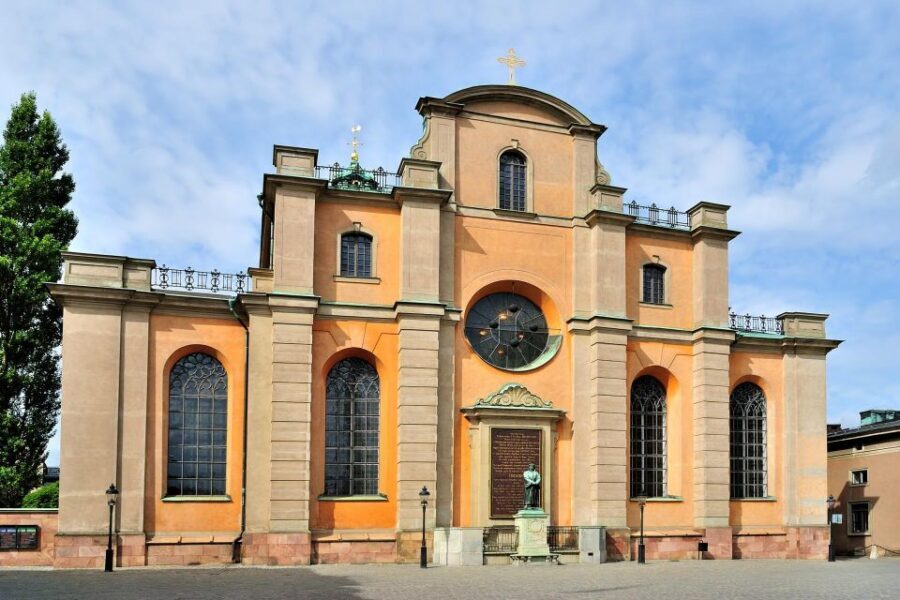
Walking Gamla Stan with a WWII theme is a smart choice because the architecture carries meaning. You admire the Royal Palace, Storkyrkan (Stockholm Cathedral), and Parliament House, and your guide turns each stop into an explanation of authority and public life.
What I found especially useful is how your guide links the war to institutions. You hear about the responses of Sweden’s royal family, government, and church. That matters because it helps you understand neutrality as a national position shaped by many voices, not only by ministers in a building.
Storkyrkan and the palace areas also help you grasp how the war era affected everyday social standing. Even when a building doesn’t change, people’s roles inside it can change fast during conflict. If you pay attention while you walk, you’ll start to see the city as an archive of decisions.
And because this is a walking tour through Old Town, you get the practical benefit of timing. The sites are close enough to keep momentum, and you don’t have to add extra transport just to cover a wide slice of wartime Stockholm.
Berzelii Park Remembrance Path and the Raoul Wallenberg story
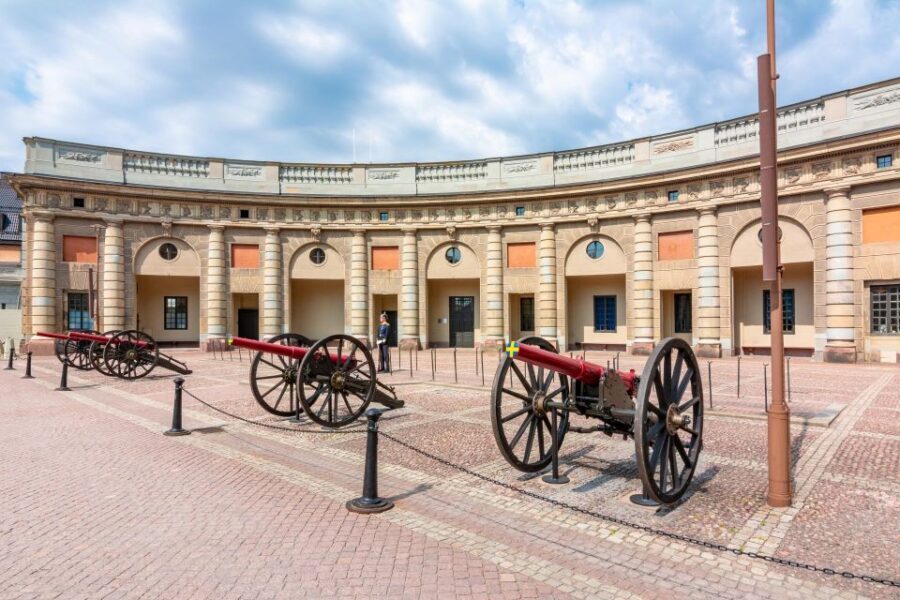
One of the most compelling parts of the experience is the focus on Raoul Wallenberg. Your guide doesn’t treat him like a statue topic. You get the narrative of his effort to rescue ten of thousands of Jewish people from the Holocaust.
You also follow the Remembrance Path in Berzelii Park. That stop gives the tour emotional grounding. It’s not just about what happened in other countries or what military units did. You’re reminded that these events touched Sweden too, including the people who sought safety and the people trying to help them.
What makes this section work is the balance. The tour is clear-eyed about what happened around Sweden. At the same time, it gives you a way to recognize moral courage as an actual historical force, not a feel-good add-on.
If you like stories with named individuals and clear stakes, this portion will hold your attention. Wallenberg’s story also gives the tour a concrete thread you can track as the guide discusses wider events like the occupation of Denmark and Norway and the escape routes refugees faced.
War monuments, Holocaust memorials, and Nobel Prize wartime effects
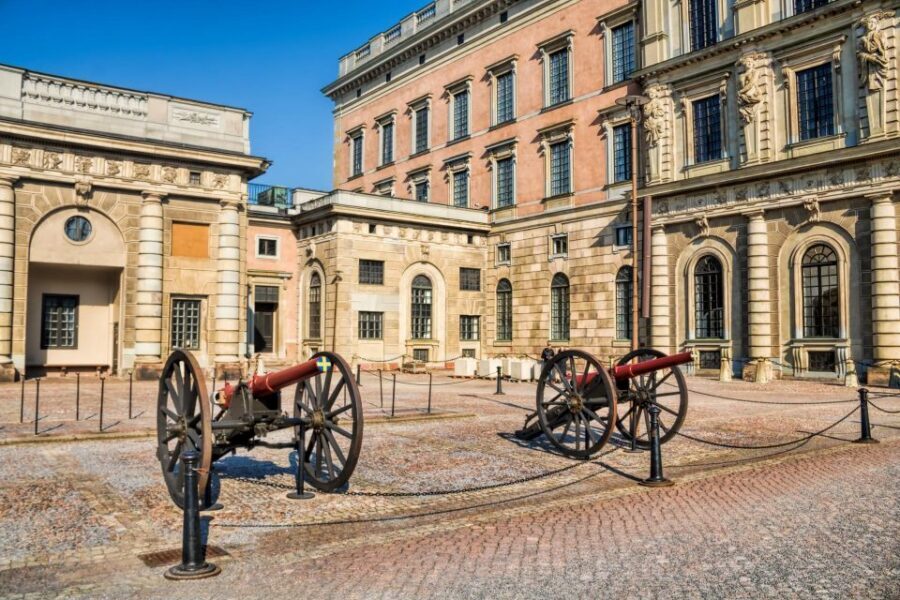
Beyond the major landmarks, you see monuments connected to World War II and the Holocaust. These stops are useful because monuments can otherwise feel like scenery. With a guide, they become structured reminders of what society chose to remember and why.
The tour also covers how the war influenced the prestigious Nobel Prize awards. That part might sound unexpected until you think about it. When countries are under stress, institutions—cultural, political, and academic—don’t operate in a vacuum. You’ll learn how the war shaped the environment around Nobel recognition.
I like including this because it connects Stockholm’s identity to the broader European crisis. Sweden wasn’t just surviving the war behind a shield. It was still a country with global cultural responsibilities, and the war interfered with those expectations.
This mix of military, humanitarian, and cultural impacts is part of the tour’s strength. You leave with a map of WWII that includes decisions at different levels, from state policy to rescue efforts, and even the symbolism of international prizes.
You can also read our reviews of more museum experiences in Stockholm



Operation Save Denmark and why the details matter
The tour includes interesting facts about Operation Save Denmark. Even without getting lost in complicated jargon, this angle helps you understand how Sweden’s neutrality interacted with real-world events in the region.
This is one of those topics where a guide makes a difference. It’s easy to hear a short fact and move on. It’s harder to understand how plans, geography, and timing shape outcomes for civilians and refugees.
You’ll also learn about the humanitarian theme tied to Denmark and Norway. The tour discusses Jewish refugees escaping the German occupation and whether they were welcomed. That gives the story a sharper moral edge and helps you evaluate neutrality as something people experienced, not just something governments claimed.
If you care about how borders and policies translate into human safety, this section will feel grounded. It also explains why Wallenberg’s rescue work sits within a broader regional emergency rather than as an isolated act.
The 2-hour vs 3-hour choice: what you gain or skip
You can do this as a 2-hour walking tour through Gamla Stan or extend it to 3 hours with the Army Museum. This choice is the biggest practical decision in the whole experience.
The 2-hour option (walking focus)
With the shorter option, you’ll cover Stockholm’s Old Town sites tied to the WWII and Holocaust story. You still get the guide-led context about Swedish neutrality, the royal/government/church responses, the remembrance stops, and the Wallenberg narrative. But you do not include the Army Museum.
Choose the 2-hour route if:
- you want a tight introduction to the WWII story in Stockholm
- you prefer to keep time for other museums or neighborhoods
- you’re pairing this with a broader city itinerary
The 3-hour option (adds the Army Museum)
The extended option includes your visit to the Army Museum and tickets to the museum. The museum visit is a real value add because it shifts the story from diplomacy and rescue efforts into military life and the wider Swedish experience of war and peace.
Choose the 3-hour route if:
- you want a deeper historical view beyond the Old Town landmarks
- you like seeing uniforms, documents, and artifacts up close
- you want the Wallenberg exhibition context inside a museum setting
If you’re torn: for history buffs, the museum visit is usually the reason you’ll feel satisfied afterward. The walking part tells the story; the museum gives you physical details to anchor that story.
Army Museum inside: wartime life, Raoul Wallenberg, and 500+ years of context
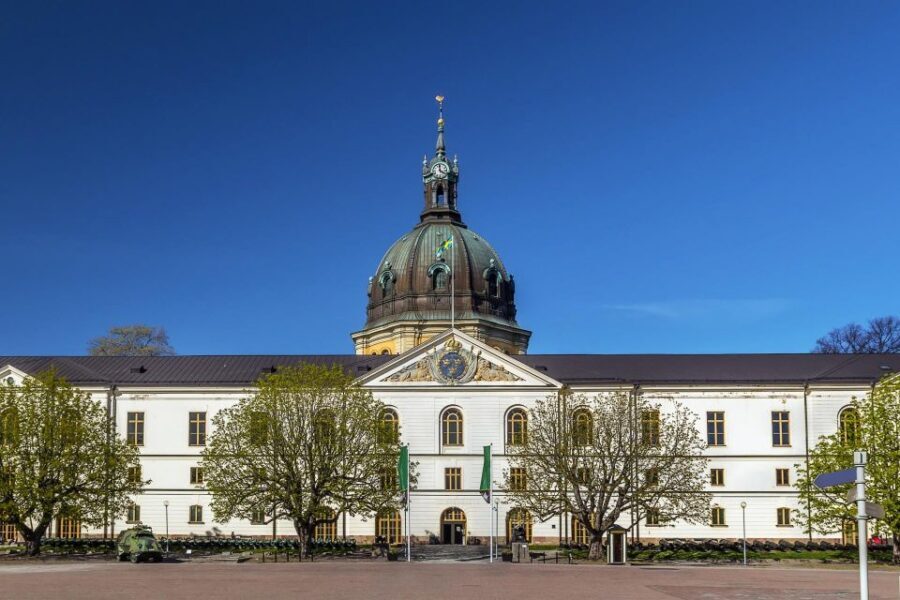
In the 3-hour tour, you visit the Army Museum, which explores more than 500 years of wartime and peacetime in Sweden. That range matters because it helps you avoid the common trap of treating WWII as the only relevant chapter.
One exhibition is dedicated to Raoul Wallenberg. That’s a smart pairing with the outdoor remembrance and monument stops. You get a fuller arc: first the guided narrative in the city, then the museum’s more detailed, artifact-based framing.
The museum also includes historical documents, military uniforms, weapons, and trophies. That mix is valuable because it shows how militaries record and display their history. You can connect what you learned outside to tangible objects you can study at your own speed once you’re inside.
What I like about adding the Army Museum is that it broadens the lens. You’re not only focusing on Sweden’s neutrality as a political posture. You also get insight into living conditions for soldiers, their families, and the general population.
That “people scale” is what turns military history into something you can relate to. Even if you don’t leave memorizing dates, you leave with a clearer sense of how war changes daily life.
Price and value: is $205 per person worth it?
At $205 per person for 2–3 hours, this tour sits in the private-guided range. The question is value, not just cost.
Here’s what justifies the price:
- You get a 5-star expert licensed guide who explains Swedish neutrality in context rather than reciting a script.
- The subject matter is dense: domestic politics, foreign trade, Soviet bombings, refugee questions, Holocaust rescue efforts, and even Nobel Prize impacts. You’re paying for interpretation.
- The option that includes the Army Museum adds ticketed museum time, plus you’re not planning transfers or reading everything yourself.
- The format is private, which usually means you can get clarifications on the topics that most interest you.
Also, the tour is offered in multiple languages (German, Italian, French, Spanish, Russian, English, Swedish). If language is a barrier for you in Sweden, that value spikes fast.
If you want a quick photo-walk, this is likely not your best use of time. If you want a guided explanation that helps you understand what neutrality meant and what rescue efforts looked like, it’s a strong value.
Who should book this WWII Stockholm tour
I think this fits best if you:
- want to understand Swedish WWII neutrality with real context
- care about the Holocaust rescue story, especially Raoul Wallenberg
- like mixing landmarks with museum artifacts
- prefer a private guide who speaks your language
It may not be ideal if:
- you want only broad, light commentary with minimal history
- you are skipping the museum and you still want a lot of artifact-based learning (the 2-hour option doesn’t include it)
- you are short on walking time in general and don’t want Old Town’s on-foot segments
If you’re already visiting other Stockholm museums, this tour pairs well because it gives the political and human framework that many museums assume you know.
Final verdict: should you book it
I’d book this if you want WWII Stockholm to make sense beyond slogans. The tour’s strength is the way it connects neutrality, institutions, and humanitarian choices to specific Stockholm places. The Raoul Wallenberg focus gives the story a human spine, and the Army Museum option adds the physical detail history buffs tend to crave.
If your main goal is Raoul Wallenberg and Holocaust remembrance with less museum time, the 2-hour walk can work well. If you want the most satisfying complete picture, go for the 3-hour option and give yourself that extra museum time.
FAQ
FAQ
Where does the tour meet?
You meet your guide in front of the Lars Johan Hierta Monument, Riddarhustorget 9, 111 28 Stockholm.
How long is the WWII-themed tour?
It runs for 2 to 3 hours. There’s a 2-hour walking tour of Gamla Stan, and an extended 3-hour option that also visits the Army Museum.
Is the Army Museum included in the 2-hour tour?
No. The Army Museum visit and its tickets are only included with the 3-hour option.
What will I learn about during the walking part in Gamla Stan?
You’ll learn about Sweden’s role in WWII, including Swedish neutrality, how it changed during the war, the socio-political climate in Scandinavia, and humanitarian efforts related to Jewish refugees escaping German occupation.
Does the tour cover Raoul Wallenberg?
Yes. You’ll hear the story of Raoul Wallenberg and his efforts to rescue ten of thousands of Jewish people from the Holocaust.
What monuments and landmarks are part of the experience?
You’ll see monuments dedicated to World War II and the Holocaust, and you’ll also admire the Royal Palace, Storkyrkan (Stockholm Cathedral), and Parliament House.
Where does the remembrance portion take place?
You follow the Remembrance Path in Berzelii Park.
What languages are available for the live guide?
The guide is available in German, Italian, French, Spanish, Russian, English, and Swedish.
Are there limits on group size and what should I do before the tour?
Group sizes are limited by guide capacity, with limits listed up to 1–25 guests per guide (and higher with additional guides). You should also check your email 24 hours before your tour for important information.